
Le retour des cendres de Napoléon Ier, 1840, la Seine près de Saint-Denis — History & Facts
Could beauty survive in a century of chaos? The question lingers in the air like the smoke of a thousand battles, a poignant echo of a time when history shifted beneath the weight of ambition and loss. Focus your gaze on the tranquil waters of the Seine, where the delicate ripples mirror the somber procession of figures on the riverbank. Observe the muted palette, with soft grays and blues that evoke a solemn atmosphere, yet tinged with a hopeful light as it reflects the sky. The distant silhouette of Saint-Denis offers a grounding sense of place, while the carefully arranged figures—each lost in thought—draw us into a moment suspended between mourning and remembrance. Here, the emotional tension unfolds in the contrasts: the stillness of the water against the movement of the procession, the sorrow on the faces of the spectators juxtaposed with the serene beauty of the landscape.
The artist captures the delicate balance between grief for a fallen leader and the quiet reverence of nature, suggesting that amidst turmoil, hope lingers like sunlight breaking through clouds. Each brushstroke conveys a deeper narrative, hinting at national pride and the lingering legacy of an era defined by Napoleon's ambitions. In 1840, Jean-Jacques Champin painted this work during a time of reflection for France, as the ashes of Napoleon were returned from exile. The political landscape was rife with tensions, as the nation grappled with its past while striving for a new identity.
This piece emerged against the backdrop of a country seeking to reconcile its history with its future, a theme that resonates through art as a vessel for healing and remembrance.
More Artworks by Jean-Jacques Champin
Browse all →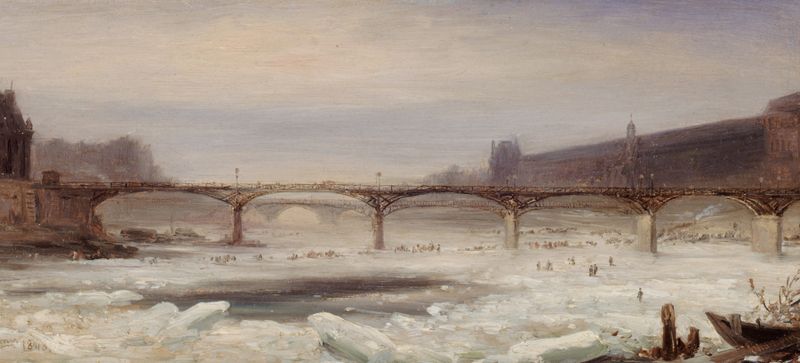
La Seine et le Pont des Arts, en janvier 1848
Jean-Jacques Champin
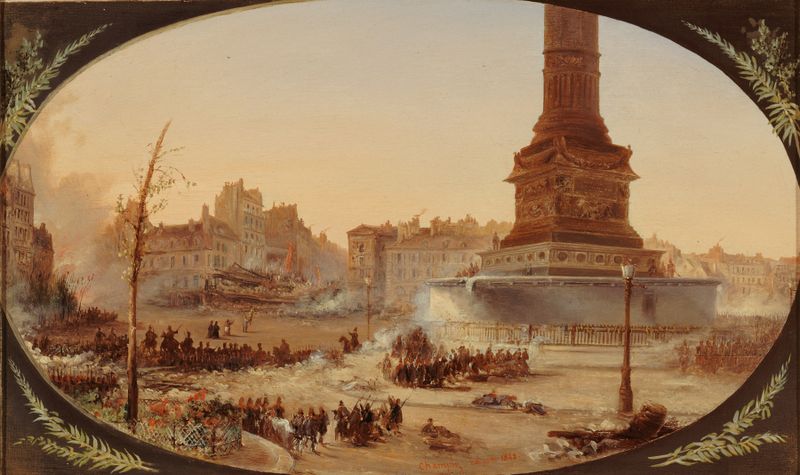
La Place de la Bastille et la Barricade de l’entrée du faubourg Saint-Antoine, le 25 juin 1848
Jean-Jacques Champin
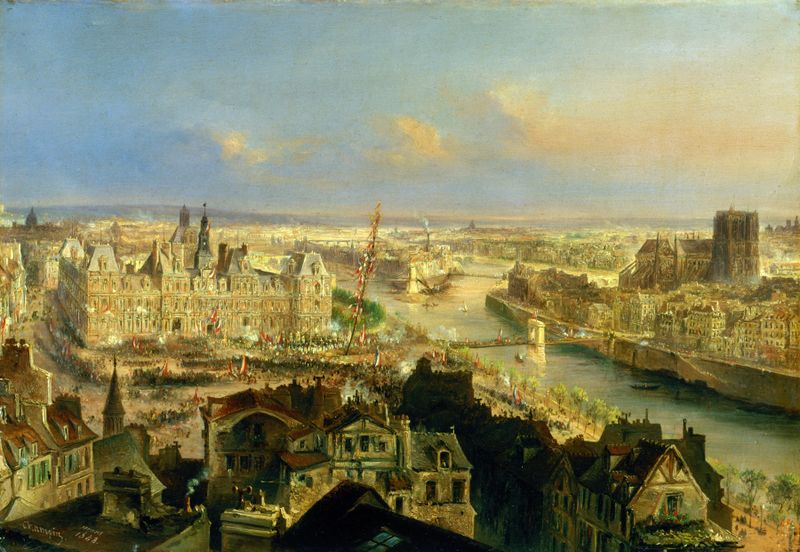
Plantation d’un arbre de la Liberté, devant l’hôtel de Ville, le 24 mars 1848
Jean-Jacques Champin
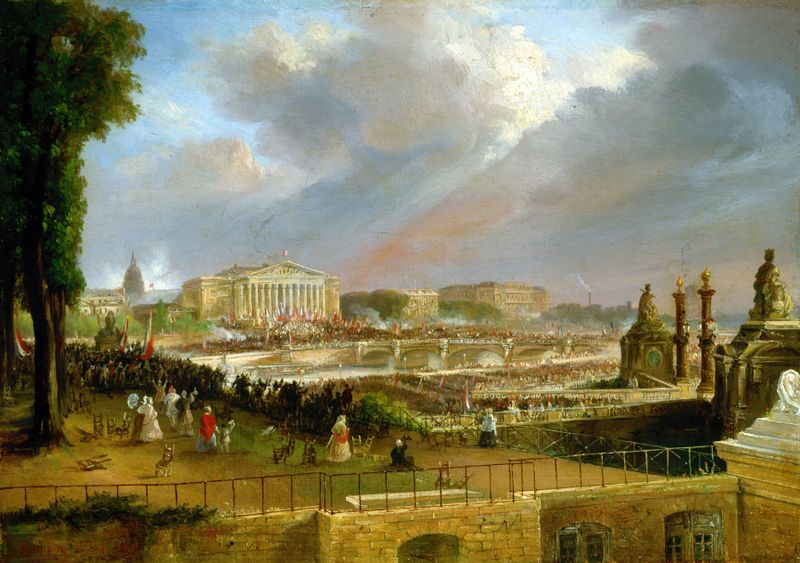
Proclamation de la République sur le portique de la Chambre des députés, le 4 mai 1848
Jean-Jacques Champin
More Historical Art
Browse all →
The Night Watch Militia Company of District II under the Command of Captain Frans Banninck Cocq
Rembrandt van Rijn
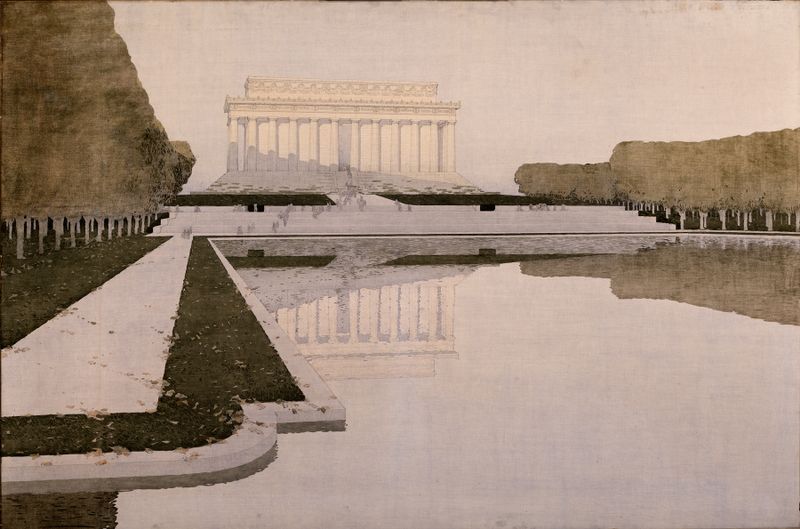
Lincoln Memorial
Henry Bacon
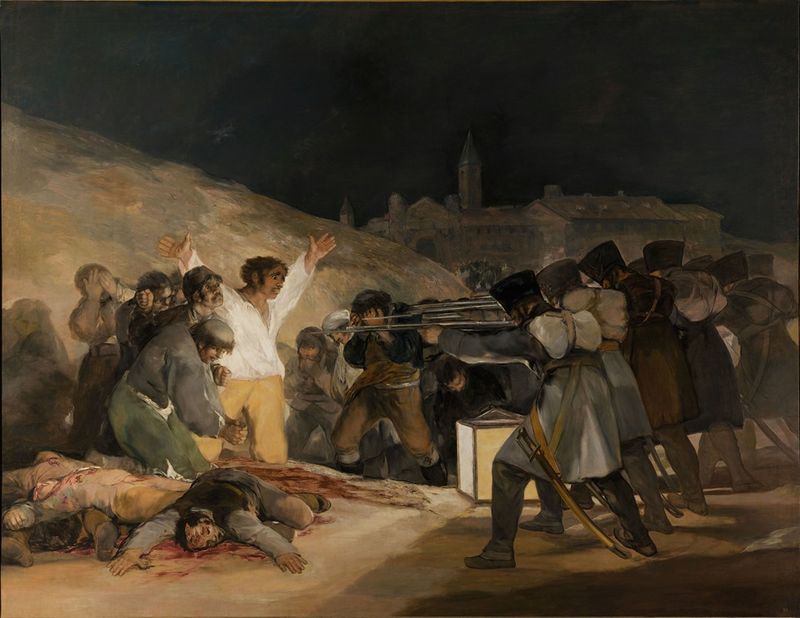
The Third of May 1808
Francisco de Goya

Isaac and Rebecca, Known as ‘The Jewish Bride’
Rembrandt van Rijn
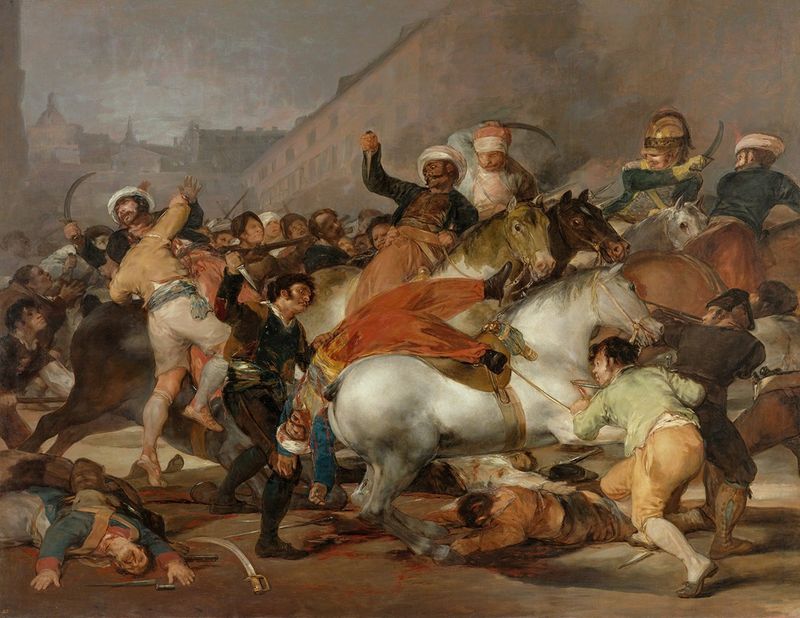
The Charge of the Mamelukes (1814)
Francisco de Goya

De vier ruiters van de apocalyps
Albrecht Dürer