
La place de la Révolte — History & Facts
When did color learn to lie? In a world where vibrancy often masks emptiness, La place de la Révolte invites contemplation of the void that lies beneath the surface. Look to the center of the canvas, where a group of figures emerges, their muted tones juxtaposed against the starkness of the urban environment. The somber palette of grays and browns envelops them, drawing attention to the tension and isolation within the crowd. Notice how the light, filtered through a thick haze, clings to the outlines of the individuals, casting long shadows that echo their unspoken struggles.
The composition is tight and claustrophobic, as though the scene itself is a crucible, capturing not just a moment in time but the weight of collective experience. Within this gathering, contrasts abound: the weary expressions of the figures reflect a profound sense of disillusionment amidst the backdrop of societal upheaval. Raffaëlli skillfully uses this urban setting, not just as a physical space, but as a metaphor for the emotional landscape of early 20th-century Paris. The void is palpable, a silence that speaks volumes about the lives caught in the relentless push of modernity, hinting at deeper themes of alienation and the search for meaning in an ever-changing world. Created in 1906, this work marked a significant point in Raffaëlli's career as he embraced the realities of urban life.
During this period, he was grappling with the effects of industrialization on society, which was mirrored in the broader art movements of his time. The Impressionists had paved the way for a new visual language, but Raffaëlli's focus on social themes and the gritty essence of life in Paris set him apart, capturing the profound sense of loss and yearning for connection in a rapidly altering landscape.
More Artworks by Jean François Raffaëlli
Browse all →
Autumn In Paris
Jean François Raffaëlli

Le jardin du Luxembourg
Jean François Raffaëlli
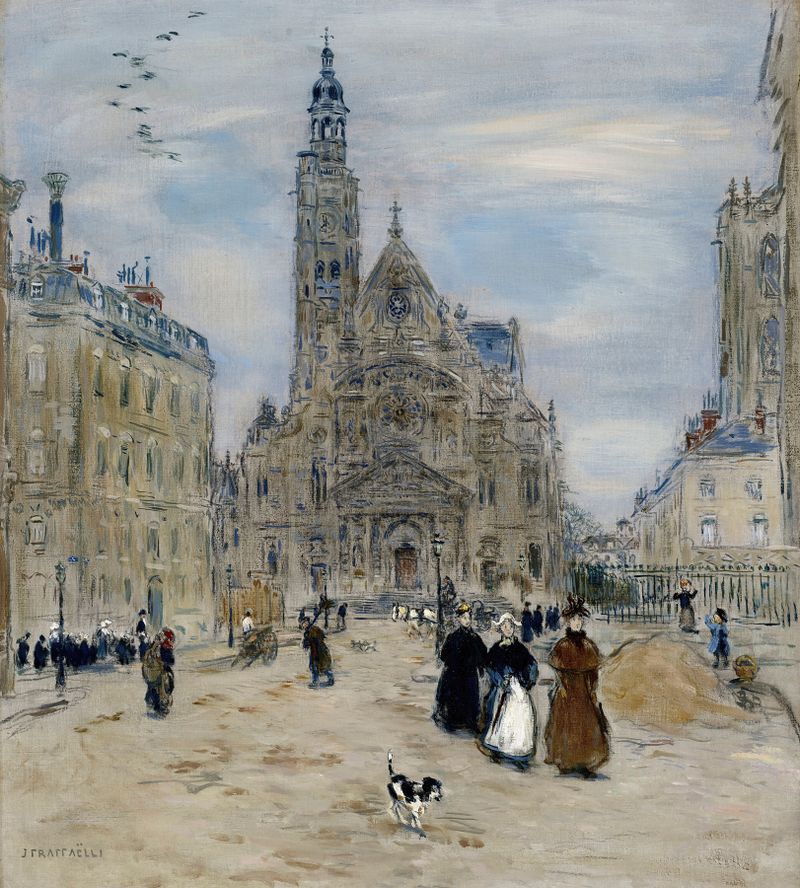
Saint-Étienne-du-Mont, Paris
Jean François Raffaëlli
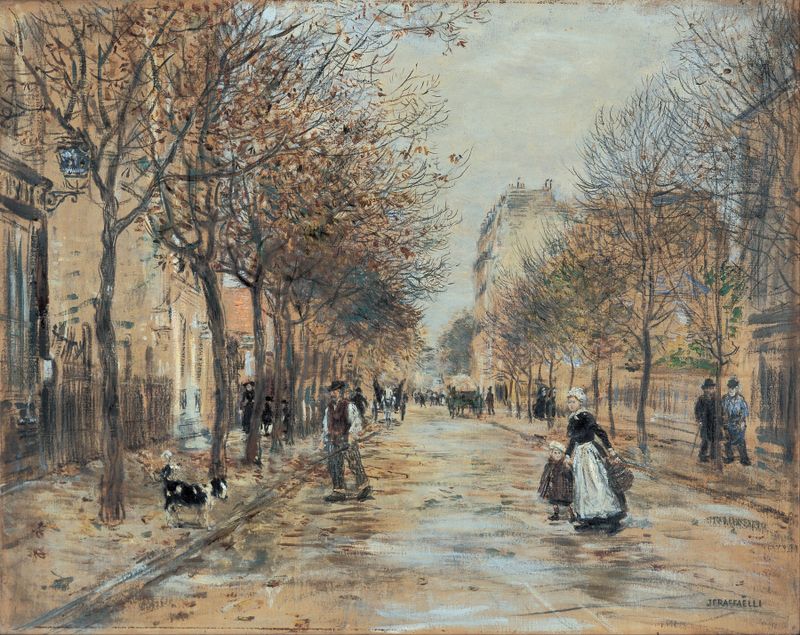
Street in Asnières
Jean François Raffaëlli
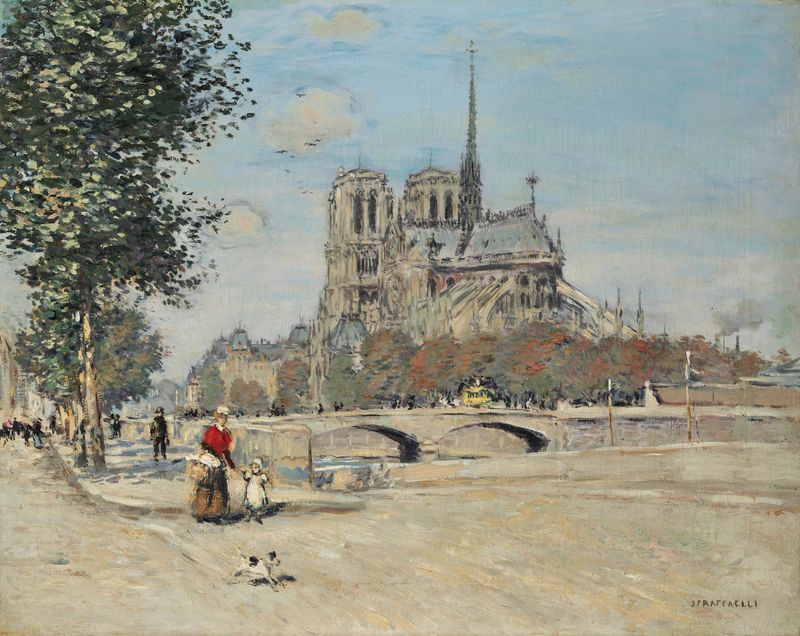
Notre-Dame de Paris et le pont de l’Archevêché
Jean François Raffaëlli

Place de Saint-Germain des Prés, Paris
Jean François Raffaëlli
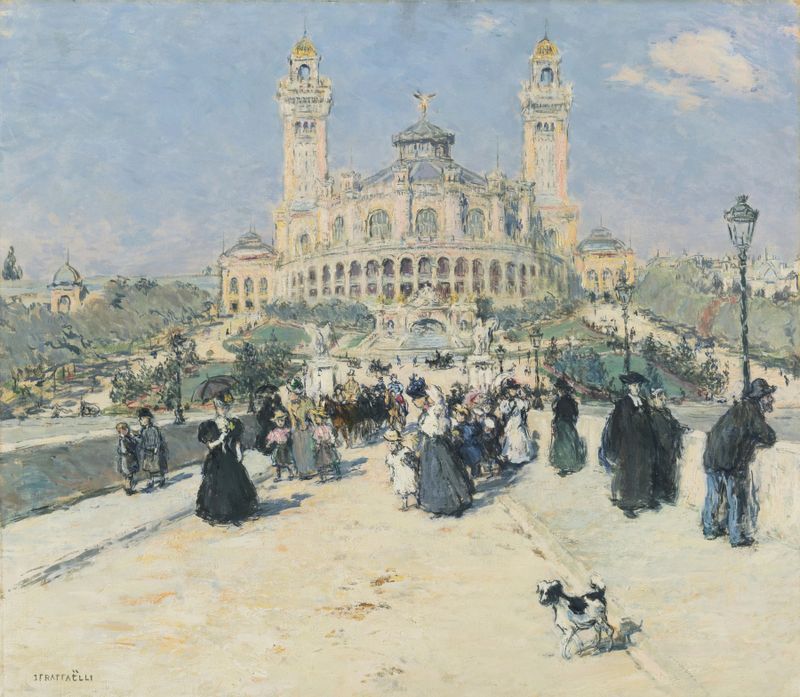
Le Trocadéro
Jean François Raffaëlli

Les Champs-Élysées
Jean François Raffaëlli

Le boulevard des Italiens
Jean François Raffaëlli

The Quai Malaquais, Paris
Jean François Raffaëlli





