Discover insights about this artwork
La place Pigalle (étude) — History & Facts
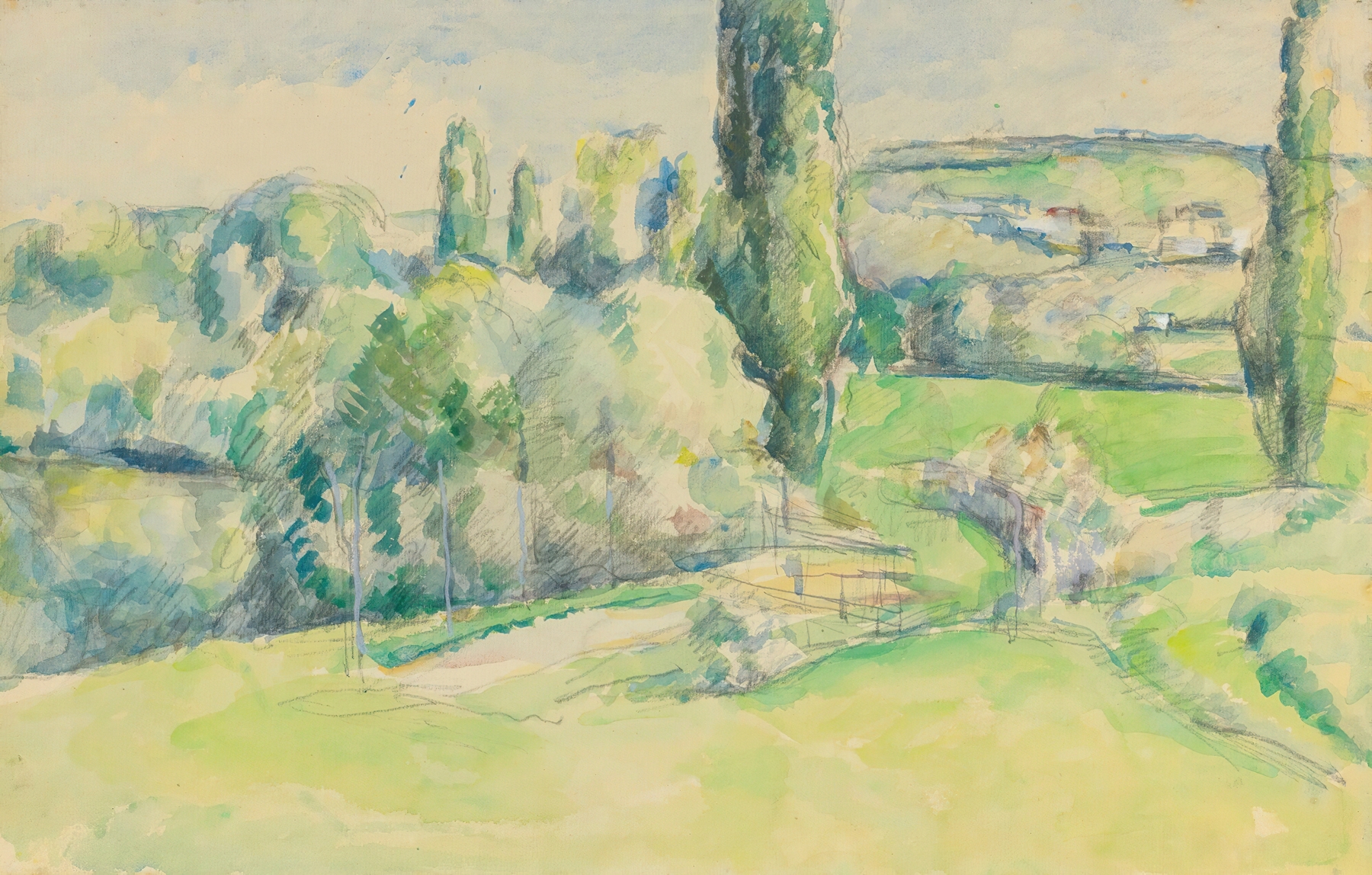
In La place Pigalle (étude), Pierre-Auguste Renoir presents a lively scene filled with vibrant colors. The painting captures the bustling atmosphere of the famous Parisian square, with figures engaged in various activities. Renoir uses a palette of warm tones, including yellows, reds, and greens, to evoke the energy of the location.
The brushwork is loose and fluid, characteristic of the Impressionist style, allowing the viewer to feel the movement within the scene. The painting is executed in oil on canvas, a common medium for Renoir. Its dimensions are approximately 25 x 35 cm, making it a relatively small study. The loose brushstrokes and vibrant color choices are typical of Renoir's Impressionist technique, emphasizing light and atmosphere.
Viewers can observe the way he captures the play of light on the figures and surroundings, enhancing the lively ambiance of the square. La place Pigalle (étude) was created during the height of the Impressionist movement, a time when Renoir was exploring the effects of light and color. This work serves as a study for larger compositions, showcasing his ability to convey a sense of place and time. Interestingly, Renoir often painted scenes from everyday life, and this piece reflects his fascination with the social dynamics of Paris.
The painting exemplifies his signature style and his contribution to the development of modern art.
More Artworks by Pierre-Auguste Renoir
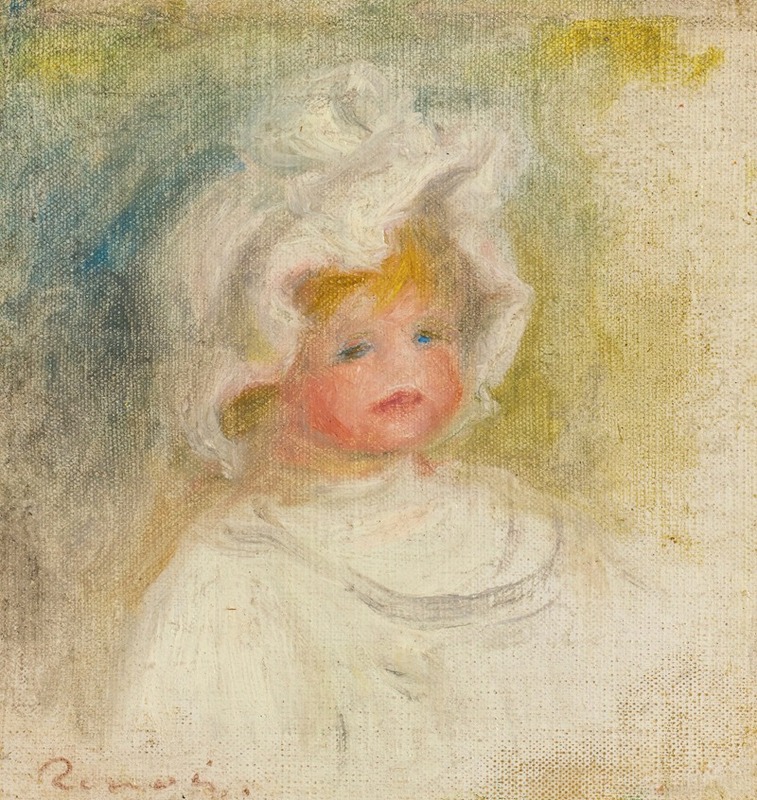
Portrait De Coco Renoir
Pierre-Auguste Renoir
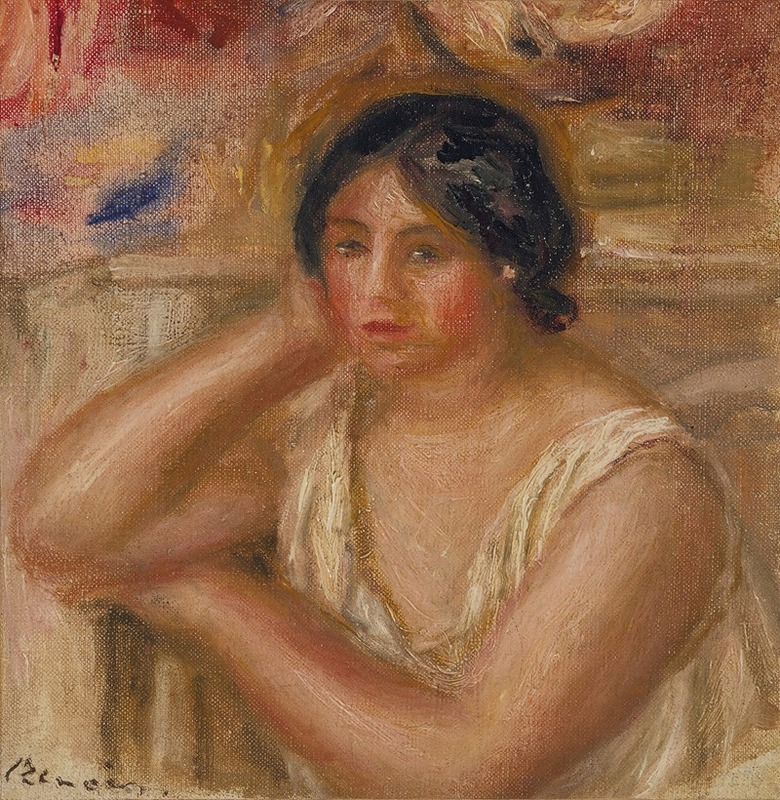
Portrait De Gabrielle
Pierre-Auguste Renoir
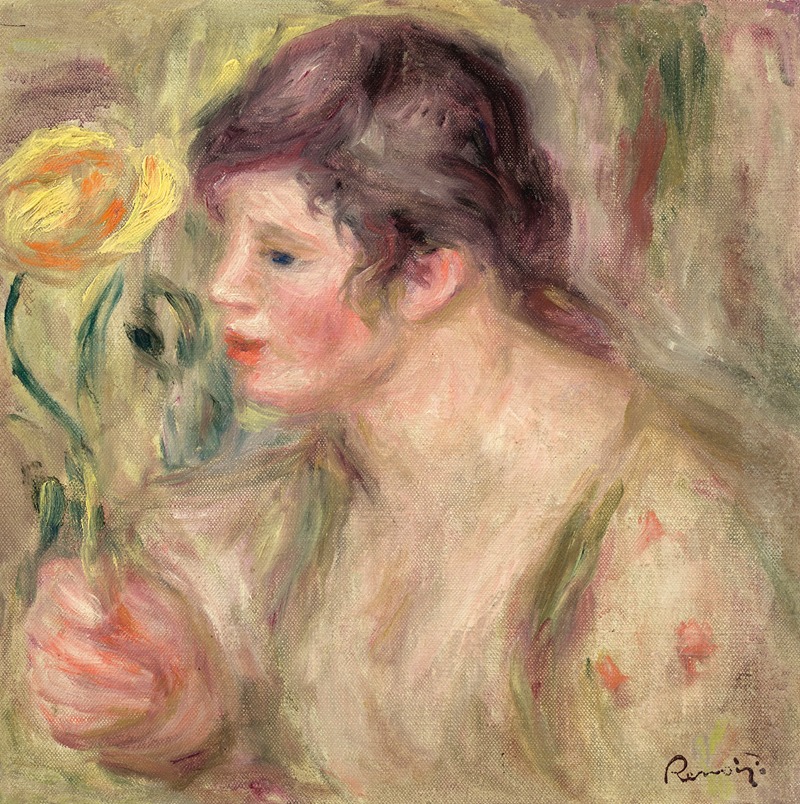
Femme à la rose
Pierre-Auguste Renoir
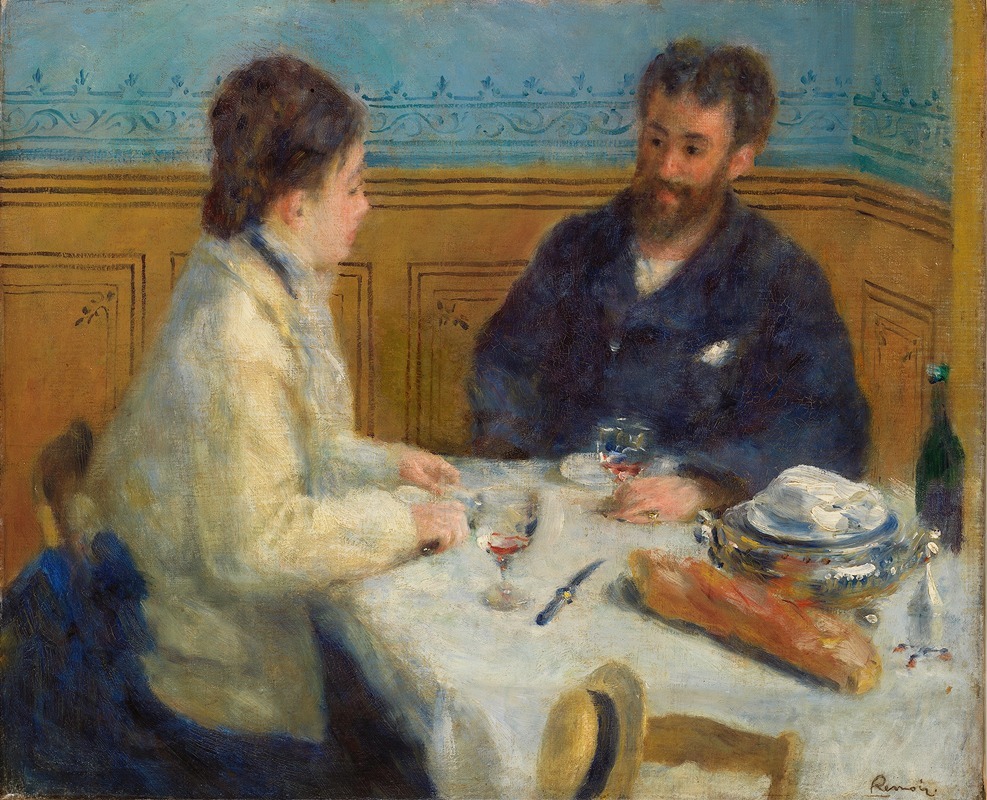
Luncheon (Le Déjeuner)
Pierre-Auguste Renoir
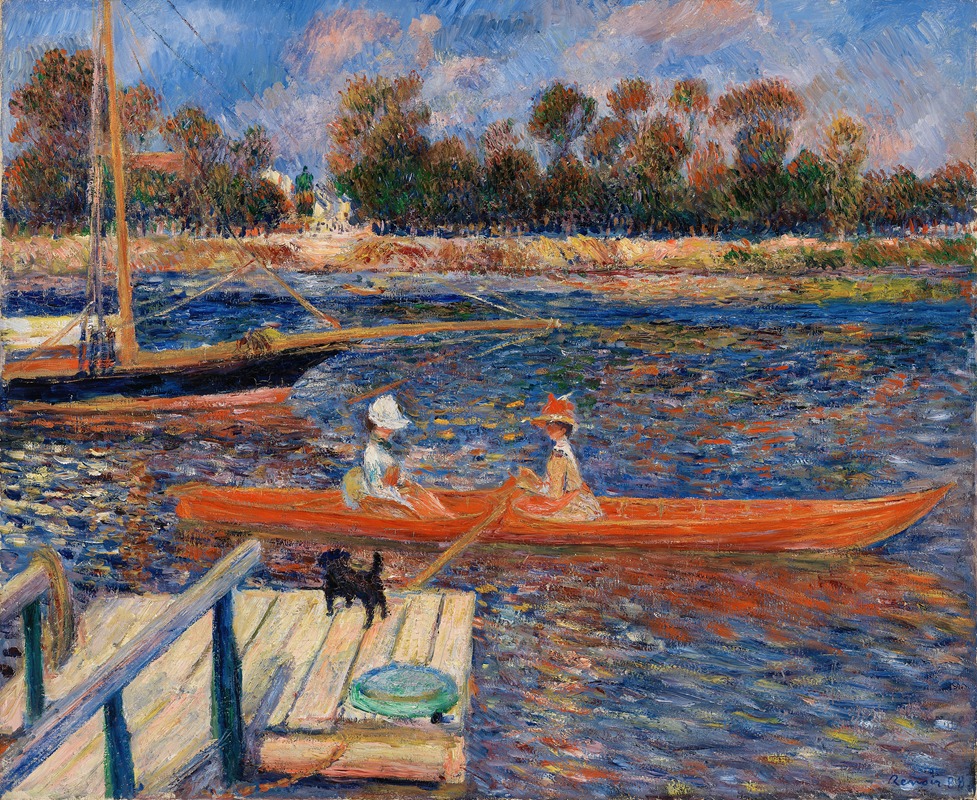
The Seine at Argenteuil (La Seine à Argenteuil)
Pierre-Auguste Renoir
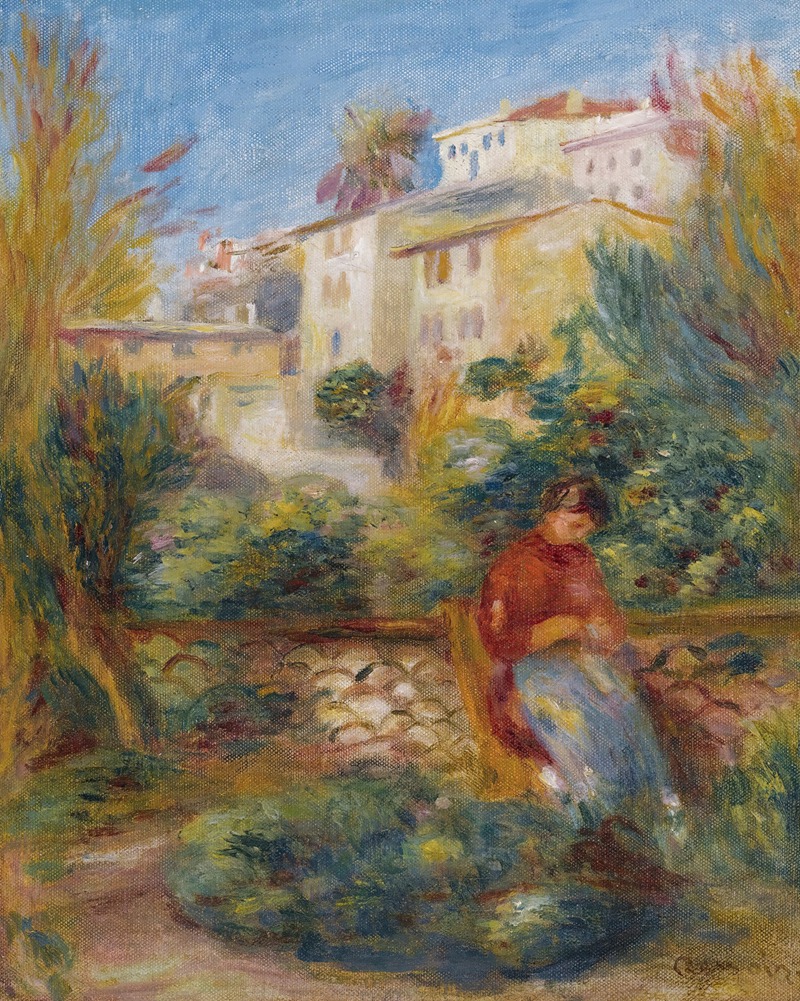
La Terrasse À Cagnes
Pierre-Auguste Renoir
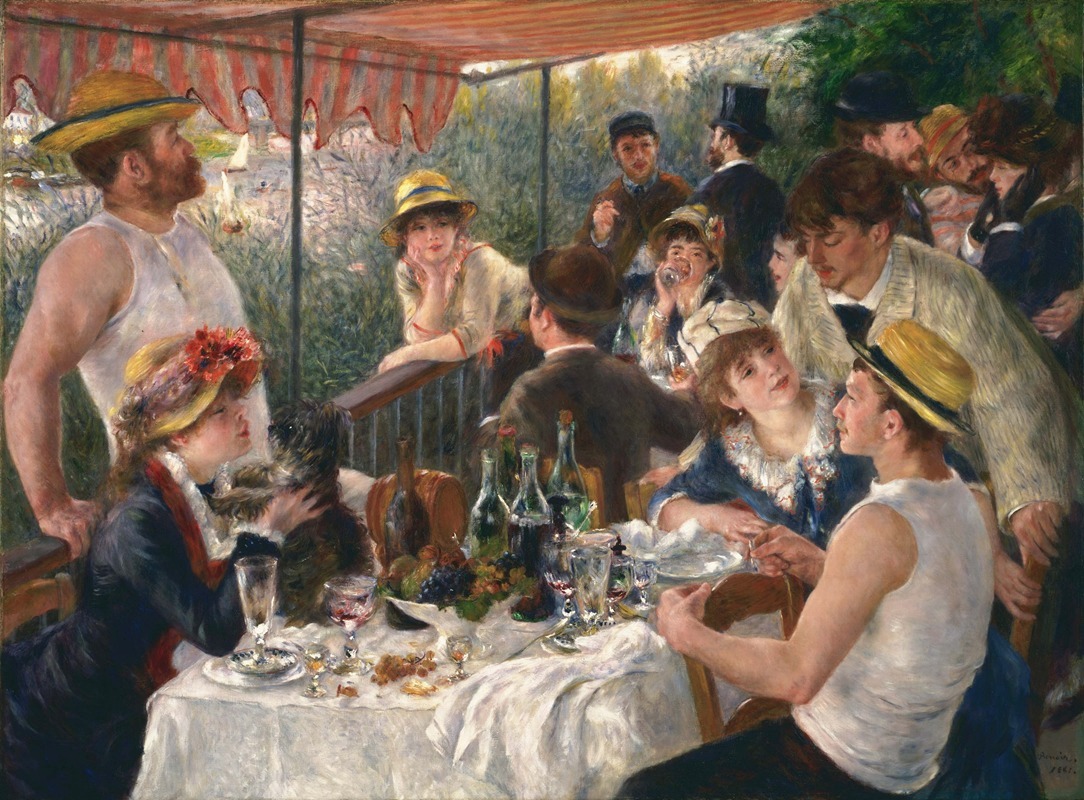
Luncheon of the Boating Party
Pierre-Auguste Renoir
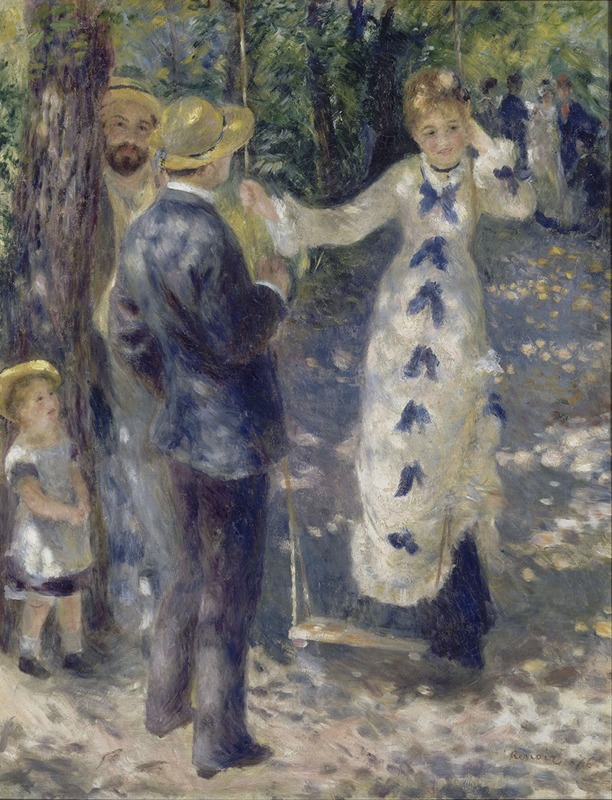
The Swing
Pierre-Auguste Renoir
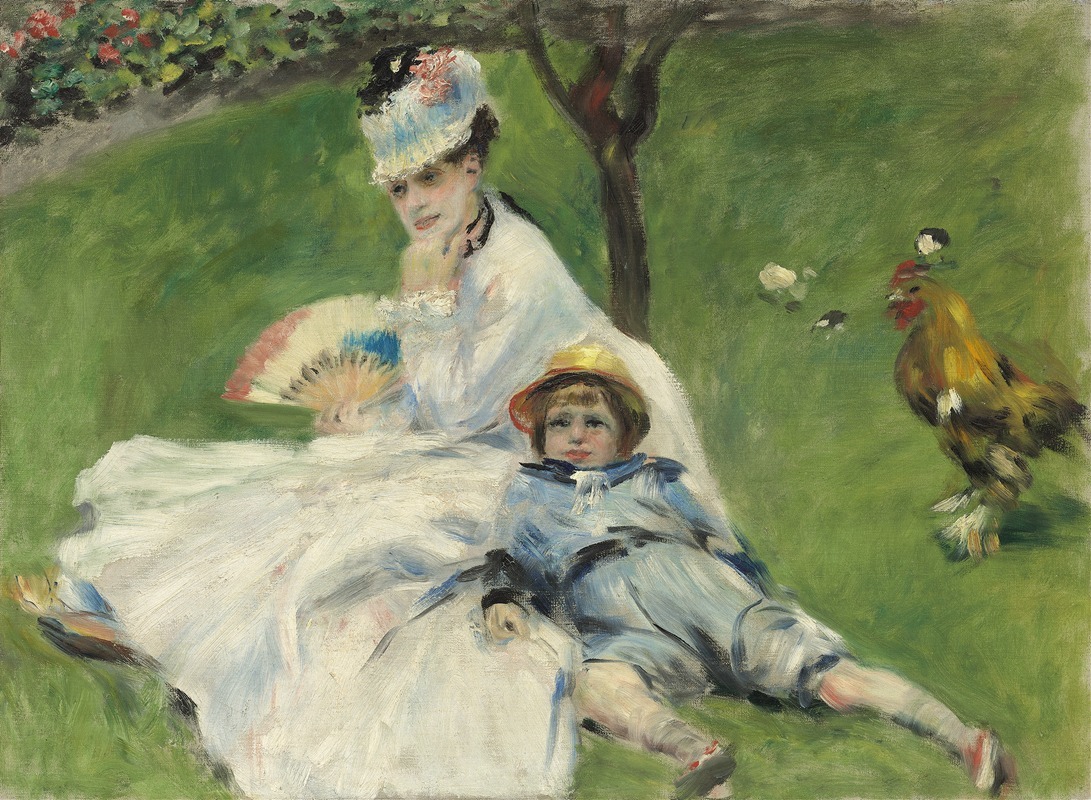
Madame Monet and Her Son
Pierre-Auguste Renoir
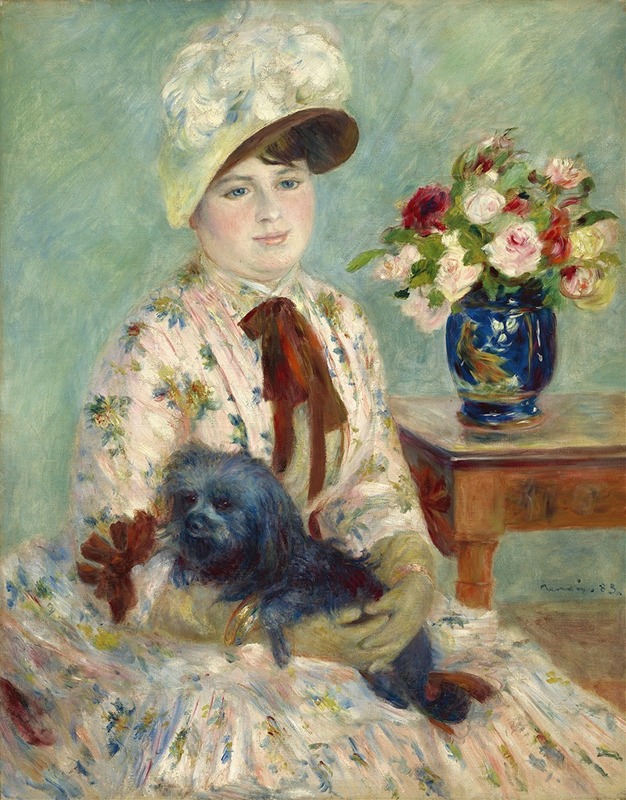
Mlle Charlotte Berthier
Pierre-Auguste Renoir