
La plaine — History & Facts
Is this a mirror — or a memory? Light dances across the canvas, transcending the boundaries of mere representation to evoke an emotional landscape that stirs both heart and mind. Look to the center where a vibrant expanse of green stretches before you, punctuated by strokes of yellow and blue that pulse with life. The painter’s brushwork creates a rhythmic flow, guiding your gaze from the verdant fields to the cloud-studded sky. Notice how the light shifts throughout the composition; it bathes the scene in a warm glow, inviting a sense of tranquility and reflection, while the juxtaposition of color enhances the feeling of an otherworldly moment suspended in time. Delving deeper, consider the whispers of nostalgia embedded in the work.
The undulating hills may signify the passage of time, suggesting a personal connection to the landscape rather than a simple depiction of nature. The play of light and shadow hints at fleeting moments; perhaps these fields represent lost memories or dreams yet to be realized. This emotional tension transforms the painting into a vessel for introspection, encouraging viewers to explore their own stories hidden within those lush layers. In 1893, the artist was entrenched in the vibrant environment of Paris, amidst a burgeoning art scene that embraced innovation and the exploration of color.
Seguin, a key figure in the post-Impressionist movement, sought to capture the essence of nature through the lens of his unique vision. During this period, he was experimenting with color theory and light, seeking to evoke emotional responses through his work—making La plaine a poignant reflection of both personal and artistic evolution.
More Artworks by Armand Seguin
Browse all →
Femmes et vaches dans les champs en Bretagne
Armand Seguin
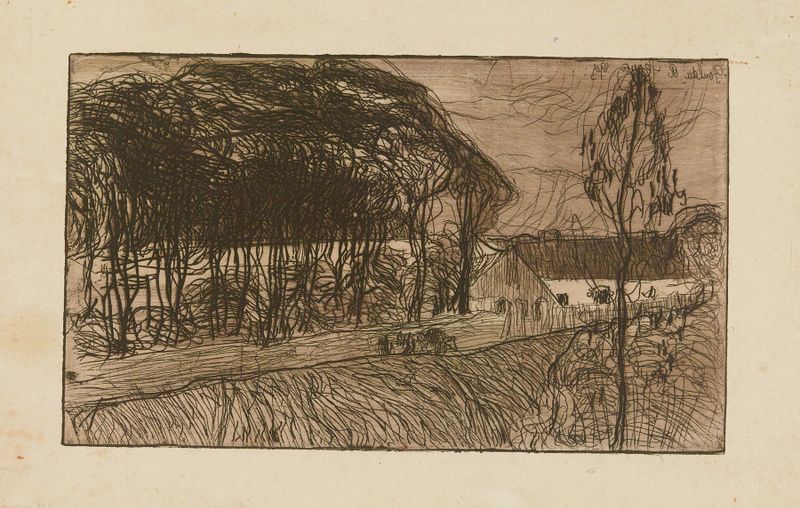
La Route du Pouldu
Armand Seguin

Pêcheurs de goémons
Armand Seguin
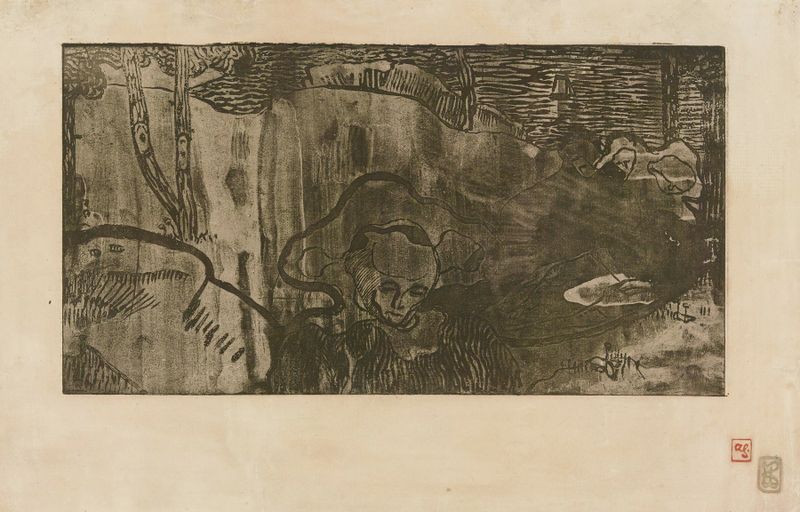
Décoration de Bretagne – Bretonnes au bord de la mer
Armand Seguin
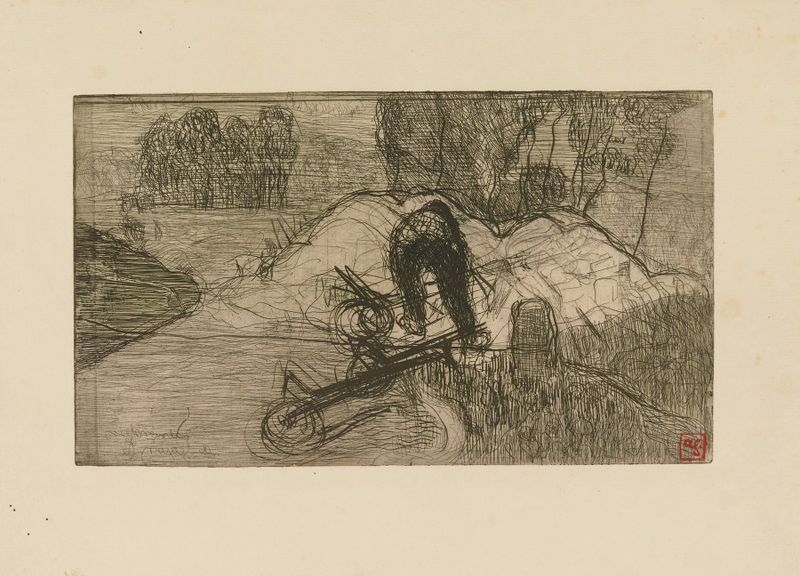
Le débardeur
Armand Seguin
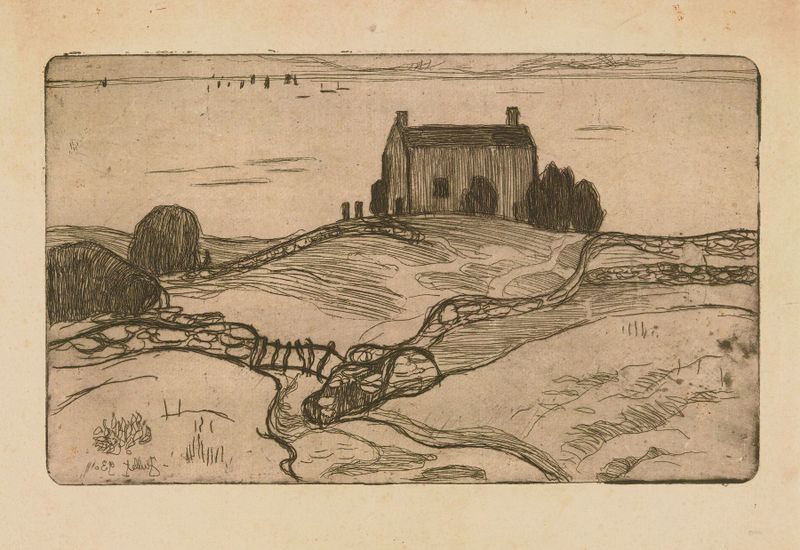
La maison du pendu
Armand Seguin
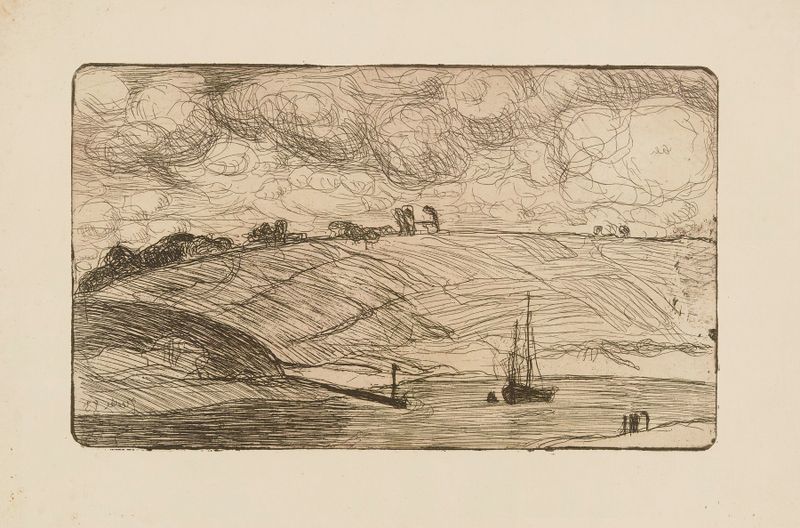
L’entrée de la rivière
Armand Seguin
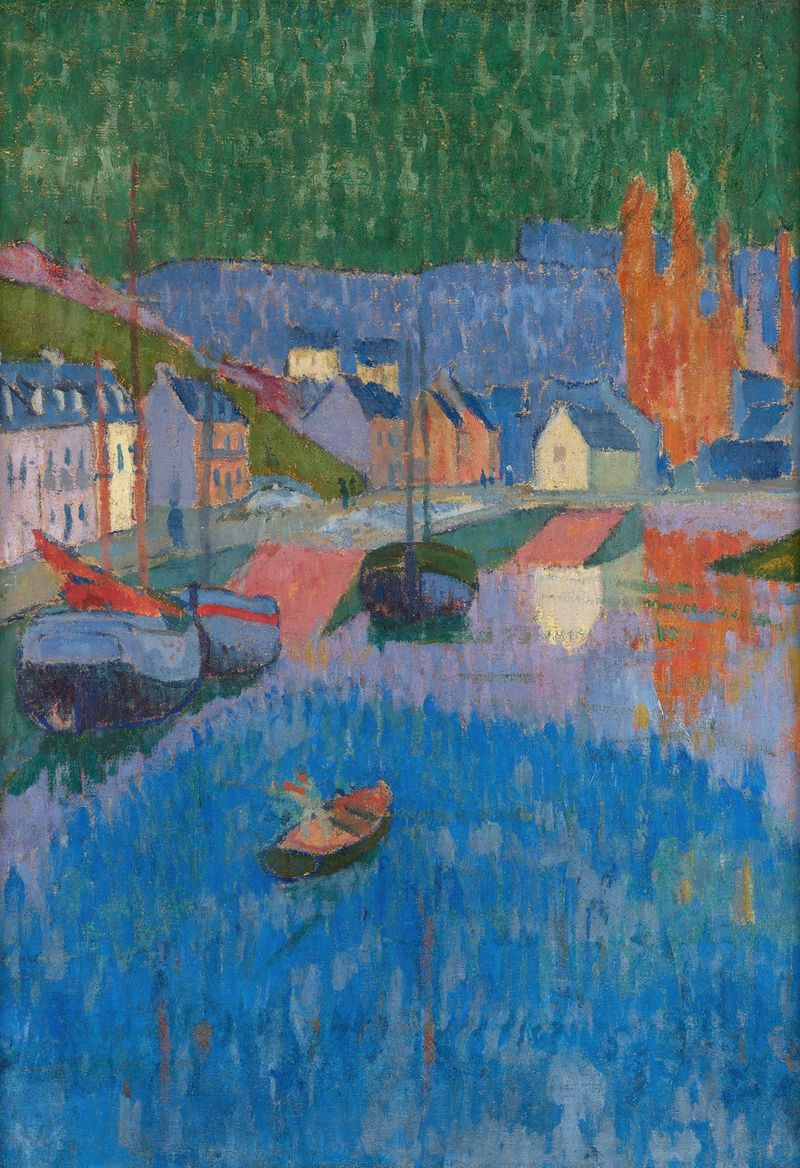
Seaport
Armand Seguin
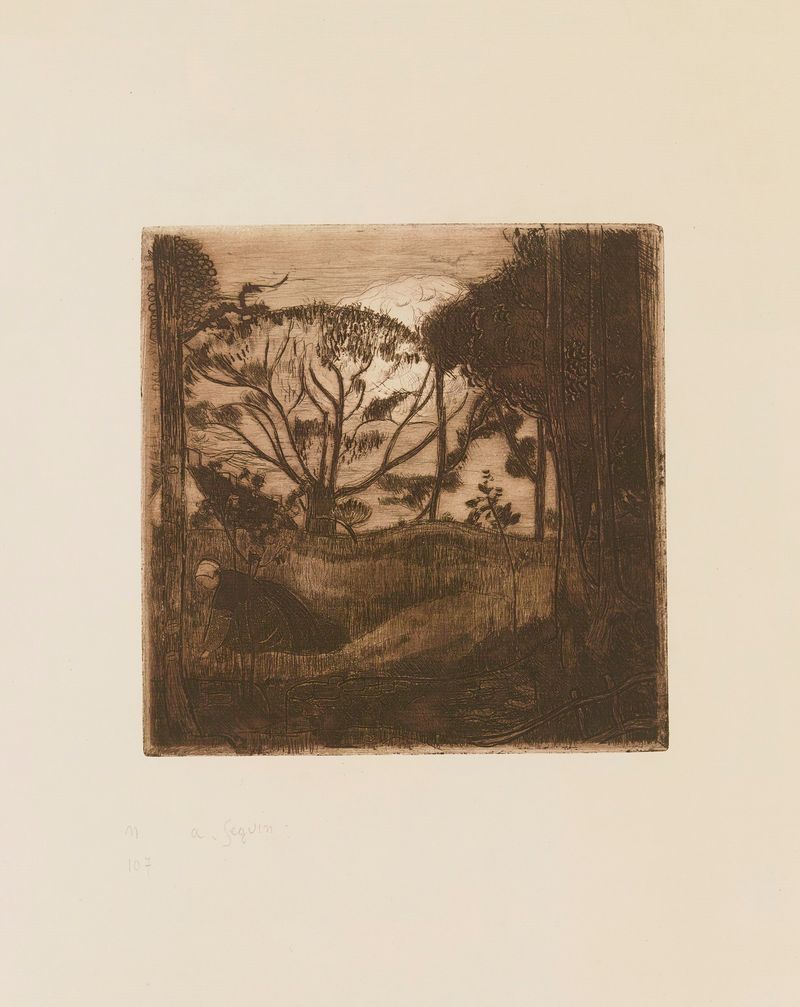
Le soir ou La glaneuse
Armand Seguin
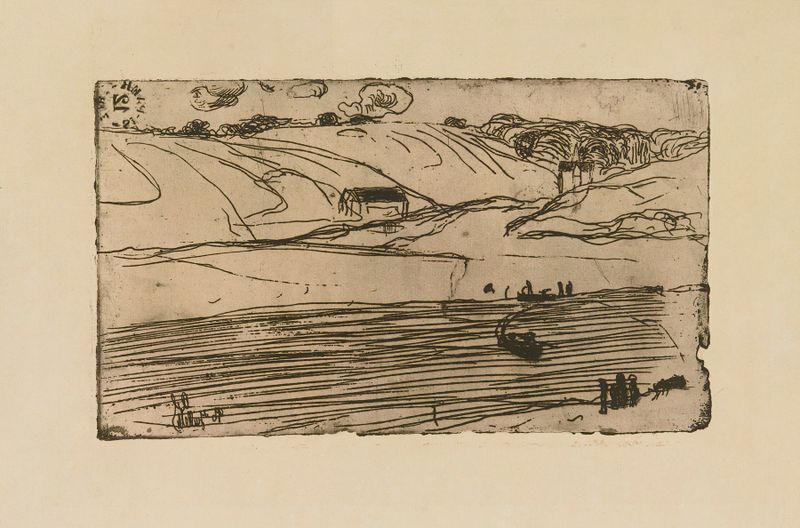
La pêche
Armand Seguin





