
La Réforme — History & Facts
Few posters from the fin-de-siècle era have sparked as much speculation as La Réforme by Henri Privat-Livemont. Known for his luminous Art Nouveau works, Privat-Livemont here turns his attention to a subject that remains tantalizingly obscure: the very title hints at social or religious upheaval, yet the specifics elude even seasoned scholars. The absence of a documented commission or exhibition record only deepens the mystery, leading some to wonder whether the work was a private statement or a public call to action.
What is certain is that this piece stands apart from his celebrated advertisements for absinthe and chocolate, inviting viewers to contemplate change rather than consumption. At the center of La Réforme, a female allegory—her flowing robes and stylized hair unmistakably Art Nouveau—raises a torch in one hand while the other gestures toward a crowd below. The torch, a classic symbol of enlightenment and progress, suggests that Privat-Livemont is referencing the broader currents of reform sweeping Europe at the turn of the century, whether political, educational, or religious. The composition’s sinuous lines and decorative motifs echo his posters for the 1897 Brussels International Exposition, but here the mood is more solemn, less commercial.
Unlike Alphonse Mucha’s similarly allegorical figures, which often celebrate beauty for its own sake, Privat-Livemont’s heroine is purposeful, her gaze fixed on a horizon just out of view. Little is known about the subsequent history of La Réforme as an object. No definitive record of its first display or sale has surfaced, and it remains unclear whether the work was created as a poster, painting, or print. This uncertainty has not diminished its reputation among collectors of Art Nouveau, who prize it for its rare blend of decorative elegance and social commentary.
Today, La Réforme is most often encountered in digital archives and exhibition catalogues, a testament to both the enduring appeal of Privat-Livemont’s style and the persistent enigma surrounding this particular work.
More Artworks by Henri Privat-Livemont

Oriental Dancers
Henri Privat-Livemont
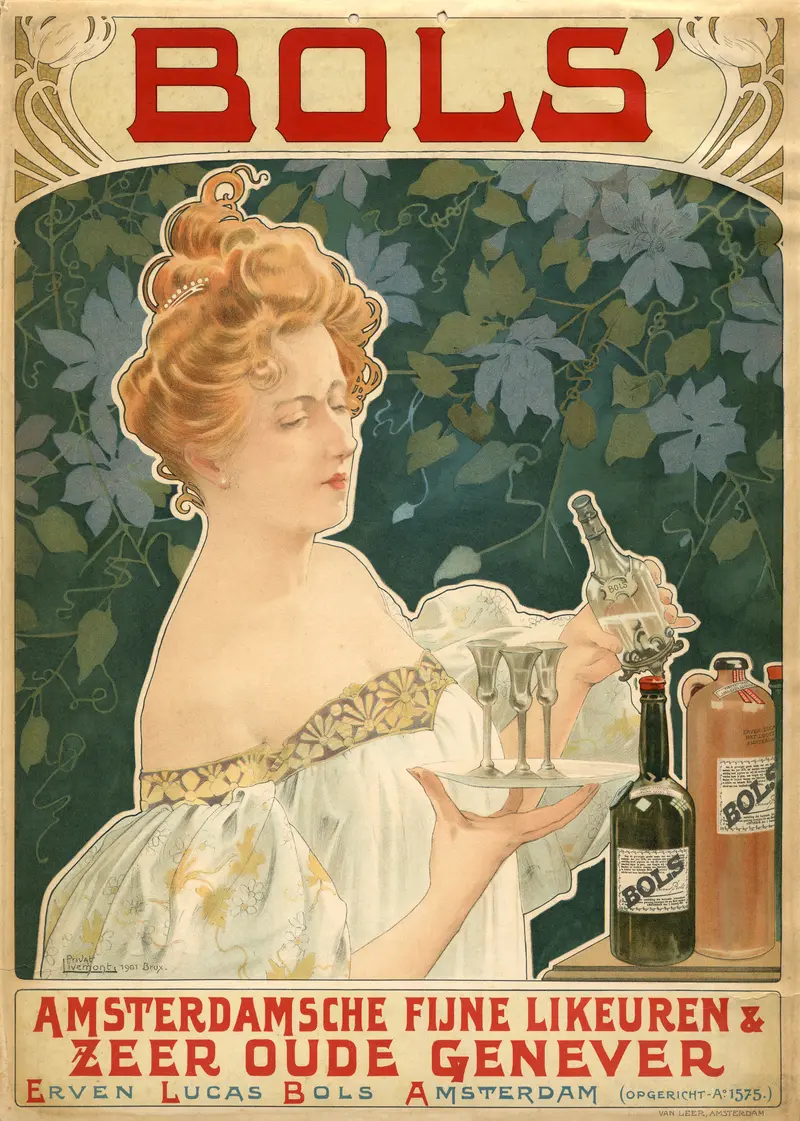
Bols’ Amsterdamsche Fijne Likeuren & zeer oude genever
Henri Privat-Livemont
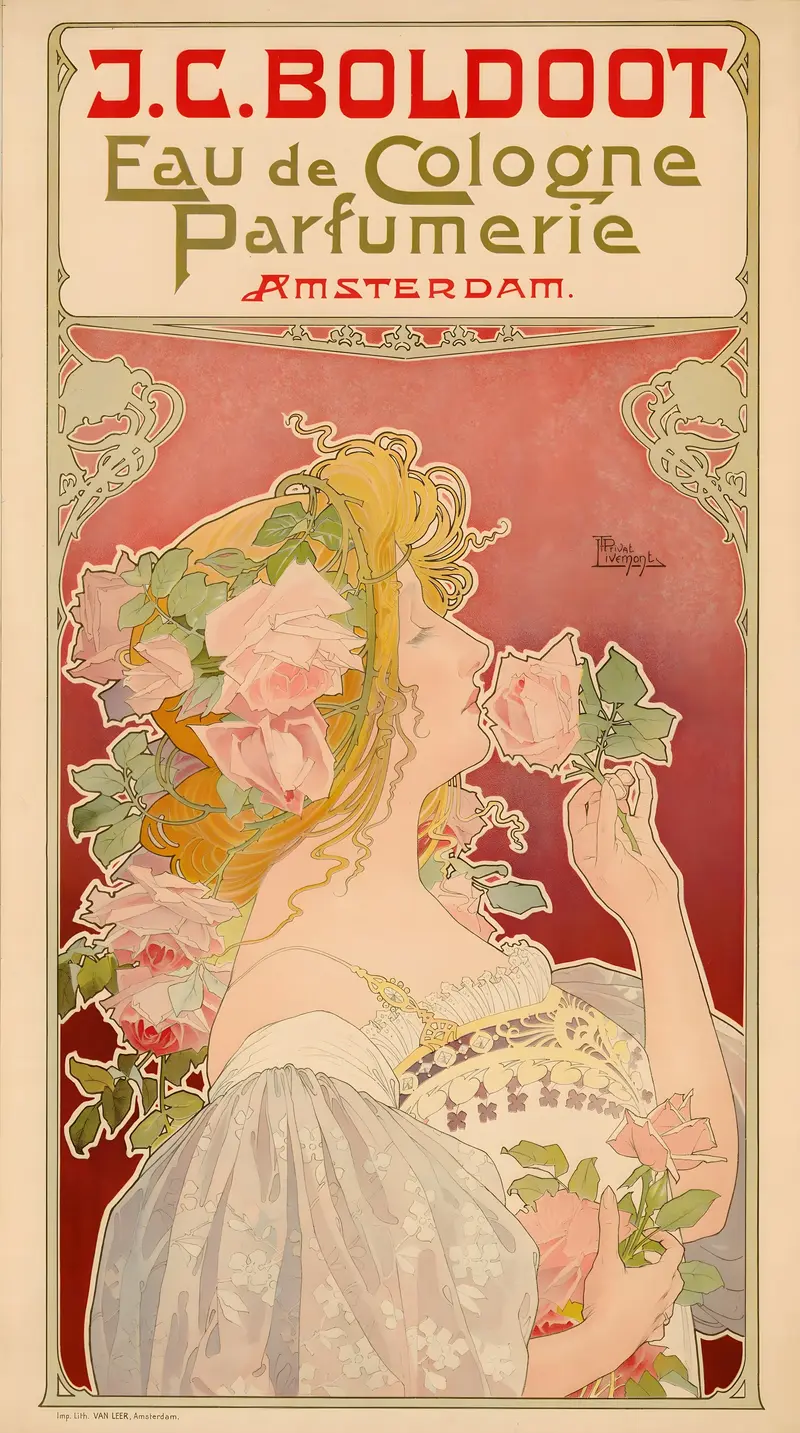
J.C. Boldoot Eau de Cologne; Parfumerie Amsterdam
Henri Privat-Livemont
J.C. Boldoot Eau de Cologne – Parfumerie Amsterdam
Henri Privat-Livemont
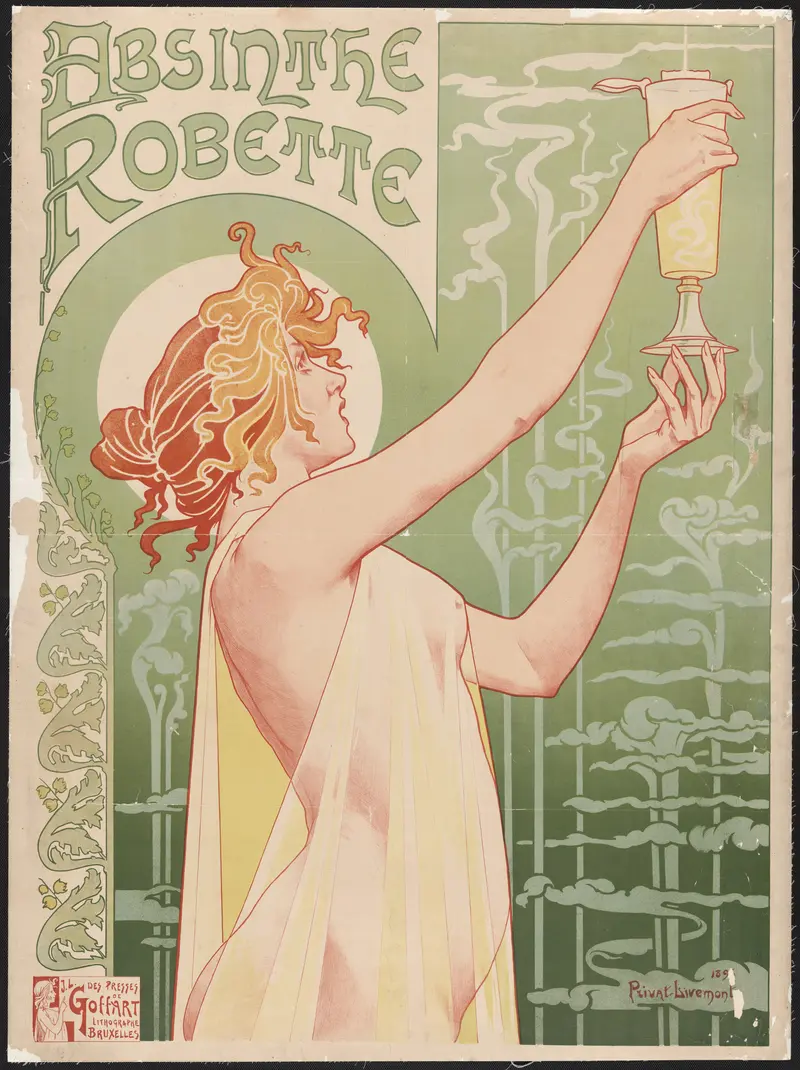
Absinthe Robette
Henri Privat-Livemont
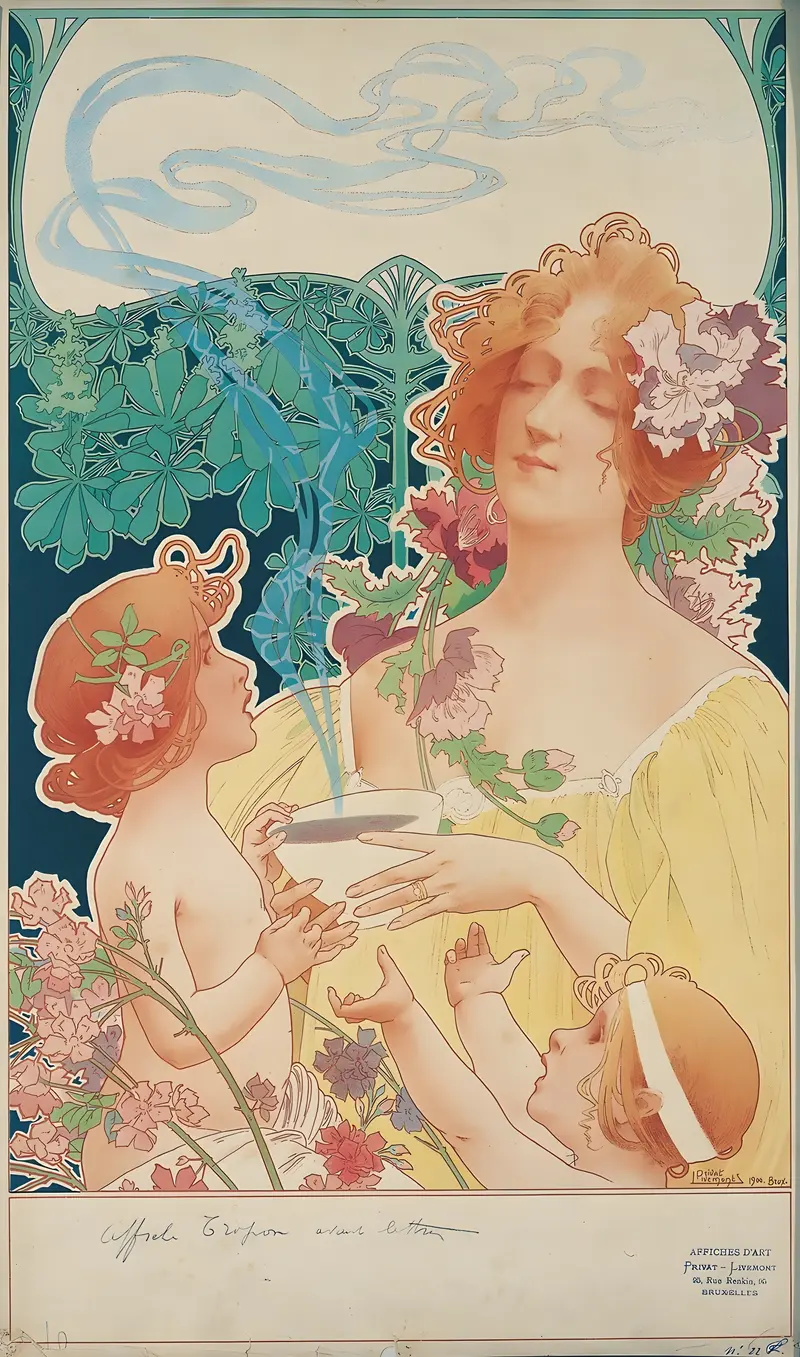
Tropon Chocolat-Cacao
Henri Privat-Livemont
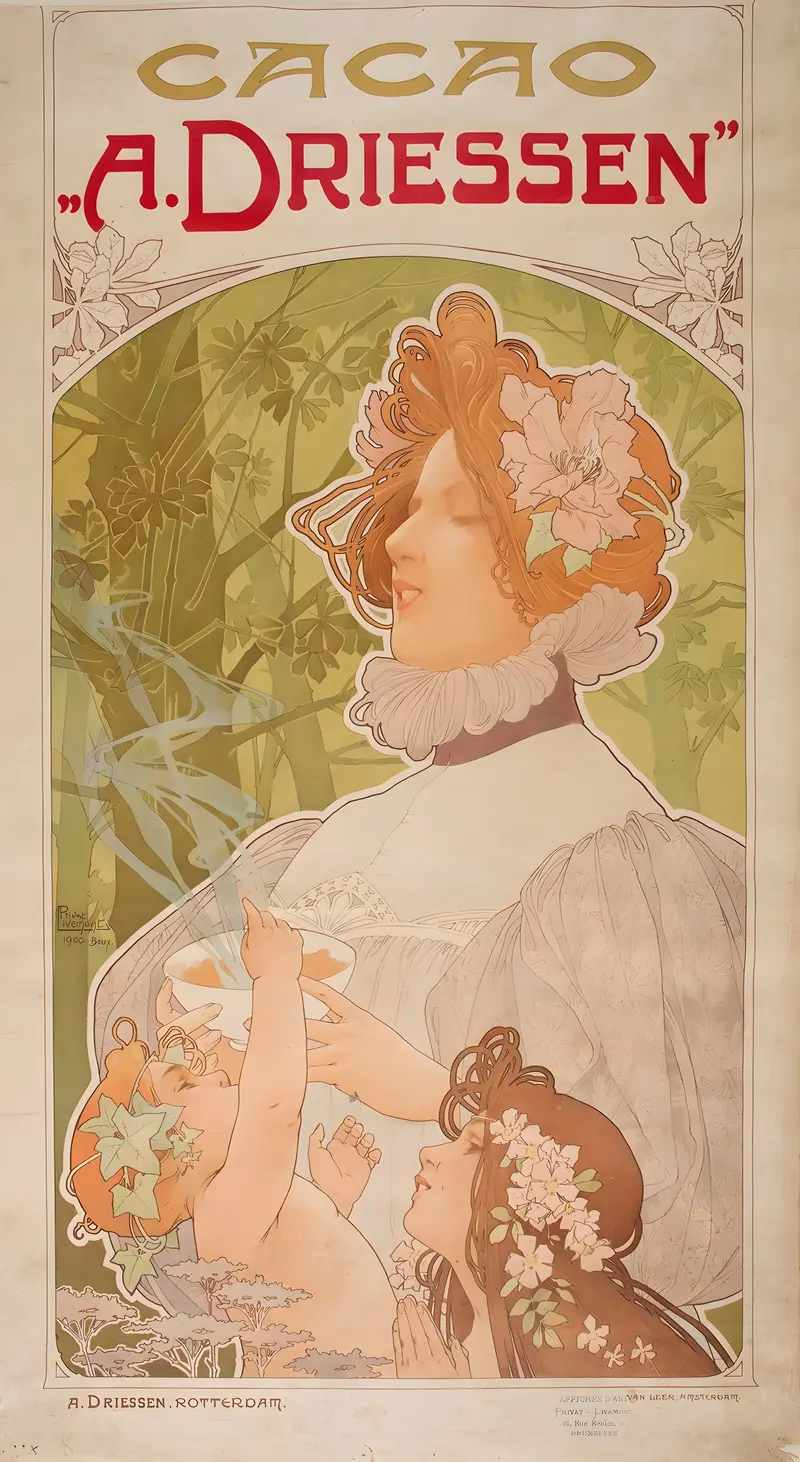
Cacao «A. Driessen»
Henri Privat-Livemont
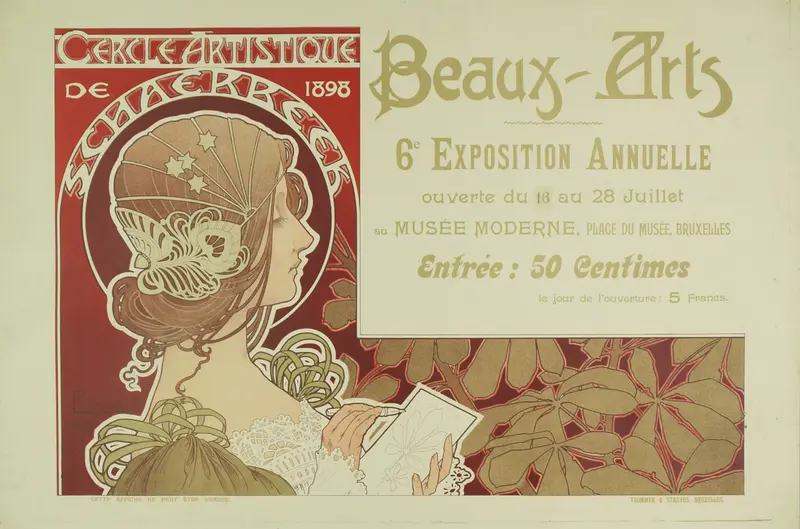
Cercle Artistique De Schaerbeek
Henri Privat-Livemont
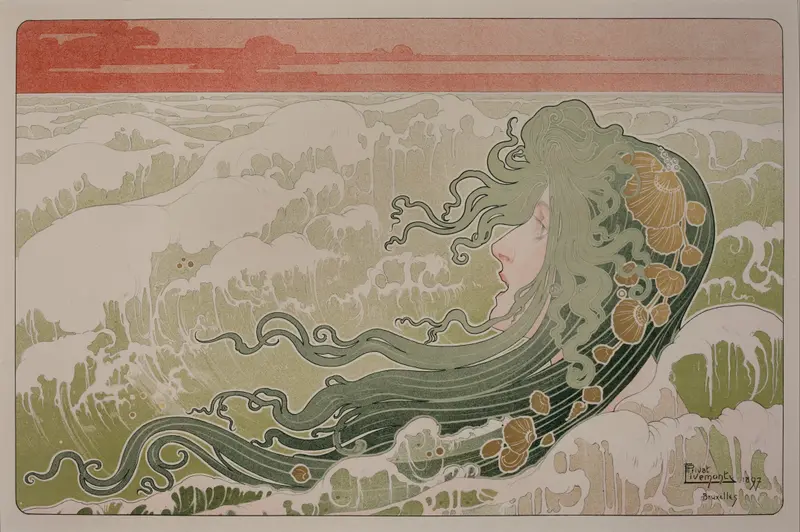
La Vague (The Wave)
Henri Privat-Livemont
Bols
Henri Privat-Livemont





