
La Reine Blanche de Castille délivrant les prisonniers — History & Facts
What secret hides in the quiet of the canvas? In La Reine Blanche de Castille délivrant les prisonniers, a moment of awe unfolds, capturing both grace and power in the stillness of time. Look to the center of the painting, where the figure of Queen Blanche stands majestically, arms outstretched, as light envelops her form. The delicate interplay of soft earth tones against her luminous white robe draws the eye, creating a striking contrast. Notice the expressions of the prisoners to her left, their faces reflecting a mix of hope and disbelief, while shadows lurk in the corners, hinting at their grim past.
The composition guides the viewer's gaze fluidly from the radiant queen to the subdued figures surrounding her, all the while emphasizing her role as a beacon of compassion and justice. Beneath the surface, intricate details reveal layers of emotional tension. The queen's serene expression juxtaposes the turmoil of the prisoners, evoking a profound sense of empathy and resilience. The gentle folds of her garments suggest movement, as if her very presence breathes life into the stagnant air, while the subtle use of light symbolizes divine intervention.
Each brushstroke captures a moment of transformation, illustrating not just the physical act of liberation but also the emotional release of hope that accompanies it. Created in 1801, this artwork emerged when François-Marius Granet was deeply engaged in the neoclassical movement, seeking to revive historical themes with a modern sensibility. At this time, Europe was still reeling from the effects of the French Revolution, and the narrative of justice and mercy resonated powerfully amidst the upheaval. The painting not only reflects Granet’s artistic evolution but also offers a commentary on the enduring human spirit in the face of adversity.
More Artworks by François-Marius Granet
Browse all →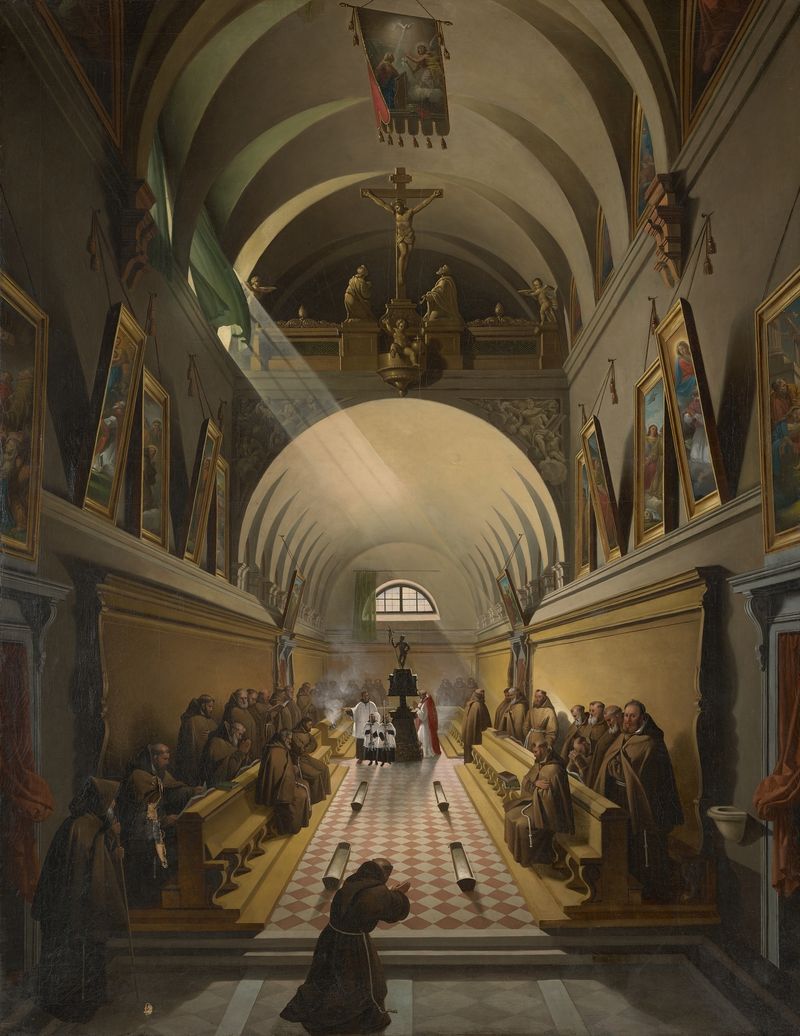
Interior of a Capuchin Convent
François-Marius Granet
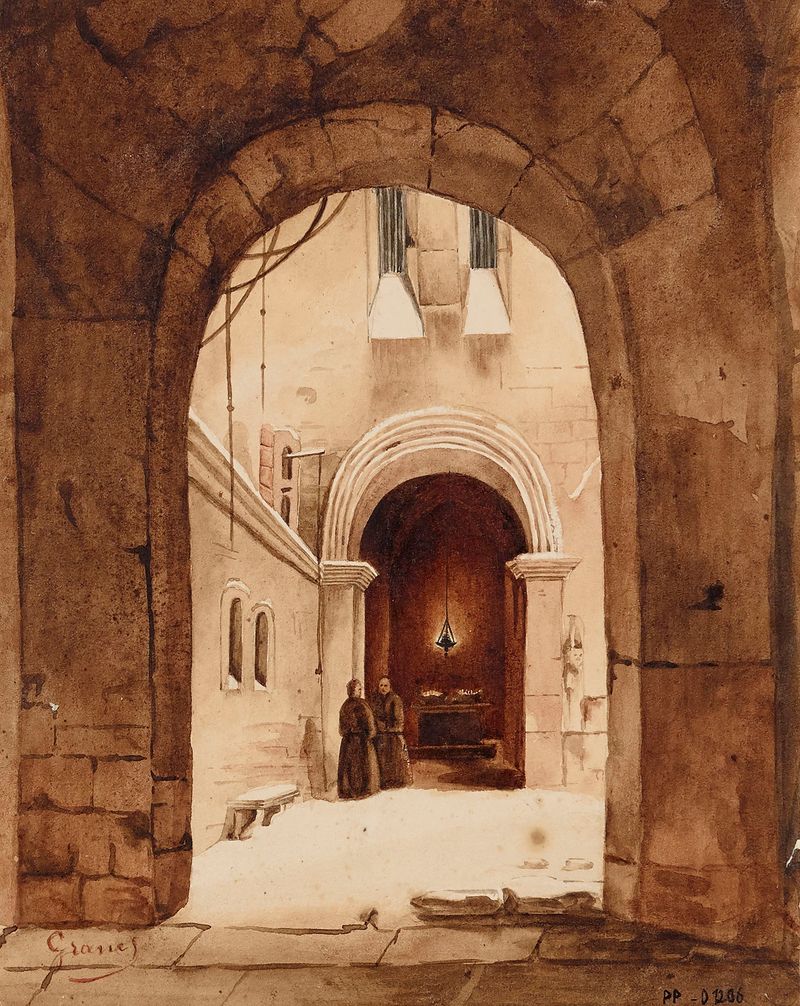
Deux ermites se promenant sous des voûtes
François-Marius Granet
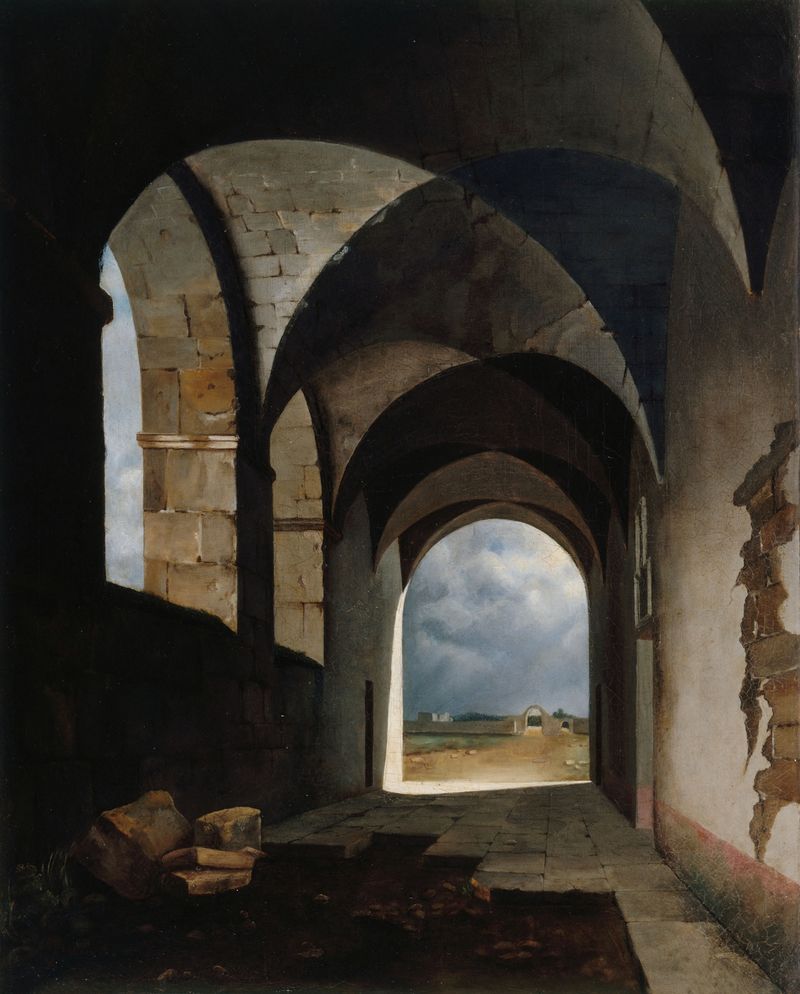
Effet de lumière dans les ruines
François-Marius Granet
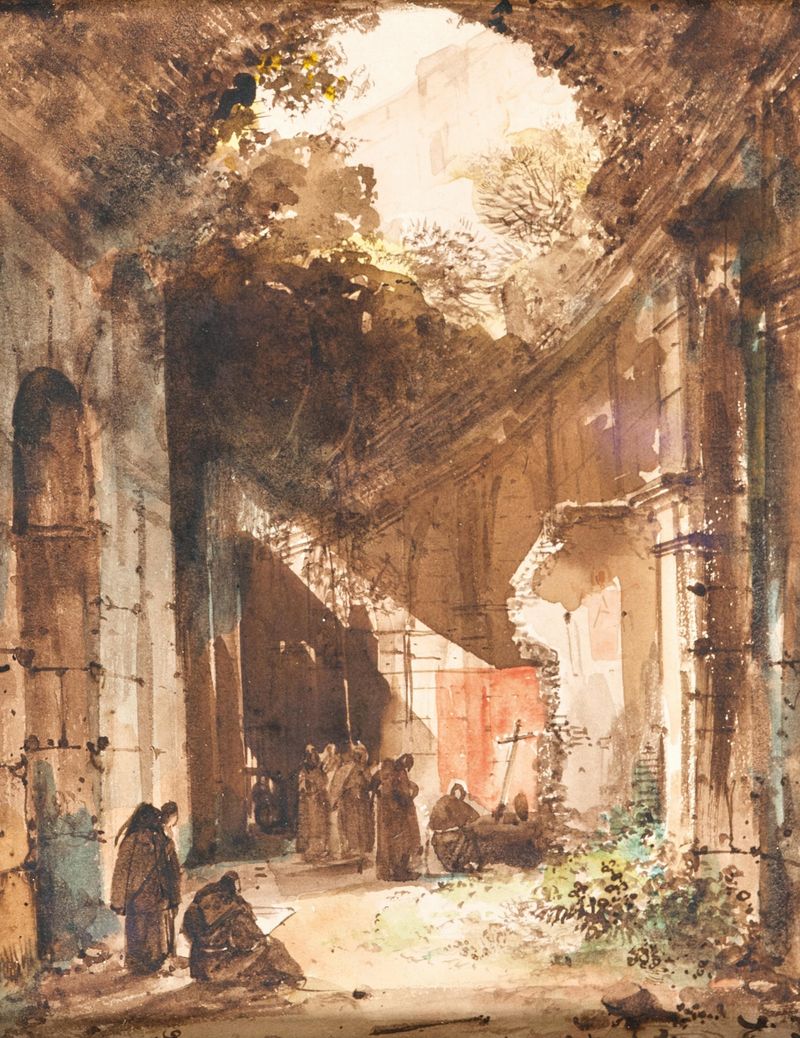
Monks in the Colosseum
François-Marius Granet
Une rue sous les voûtes
François-Marius Granet
View in the Stables of the Villa of Maecenas, Tivoli
François-Marius Granet
A Cloister
François-Marius Granet
Vow (chapel interior)
François-Marius Granet
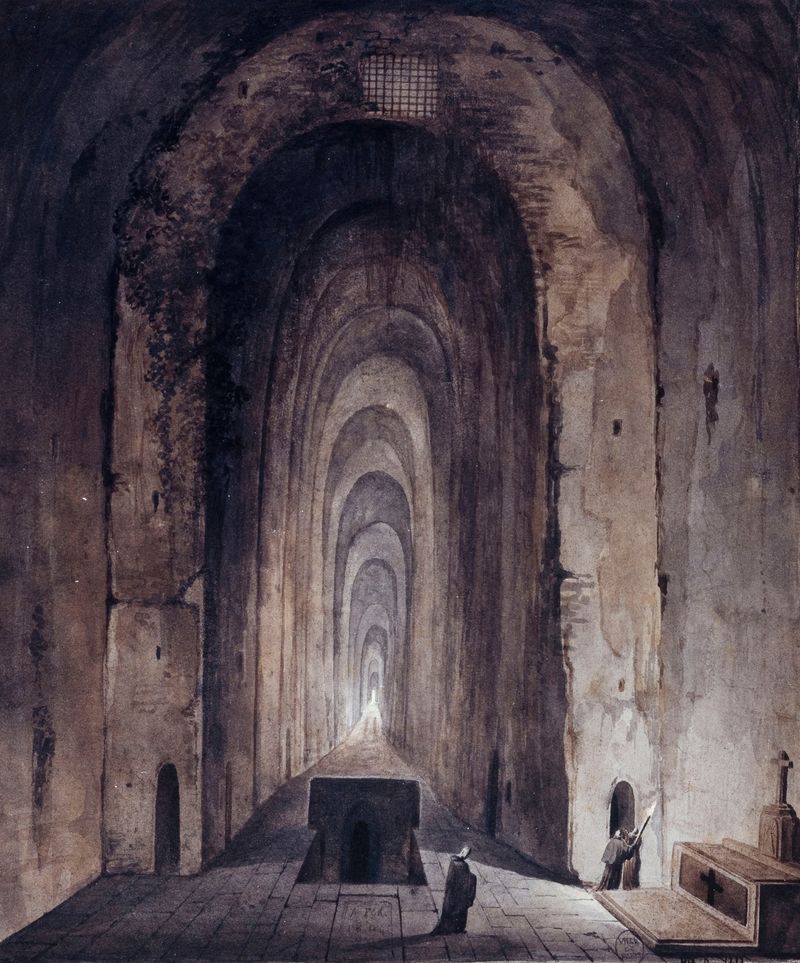
Les Catacombes de Saint-Agnès à Naples
François-Marius Granet
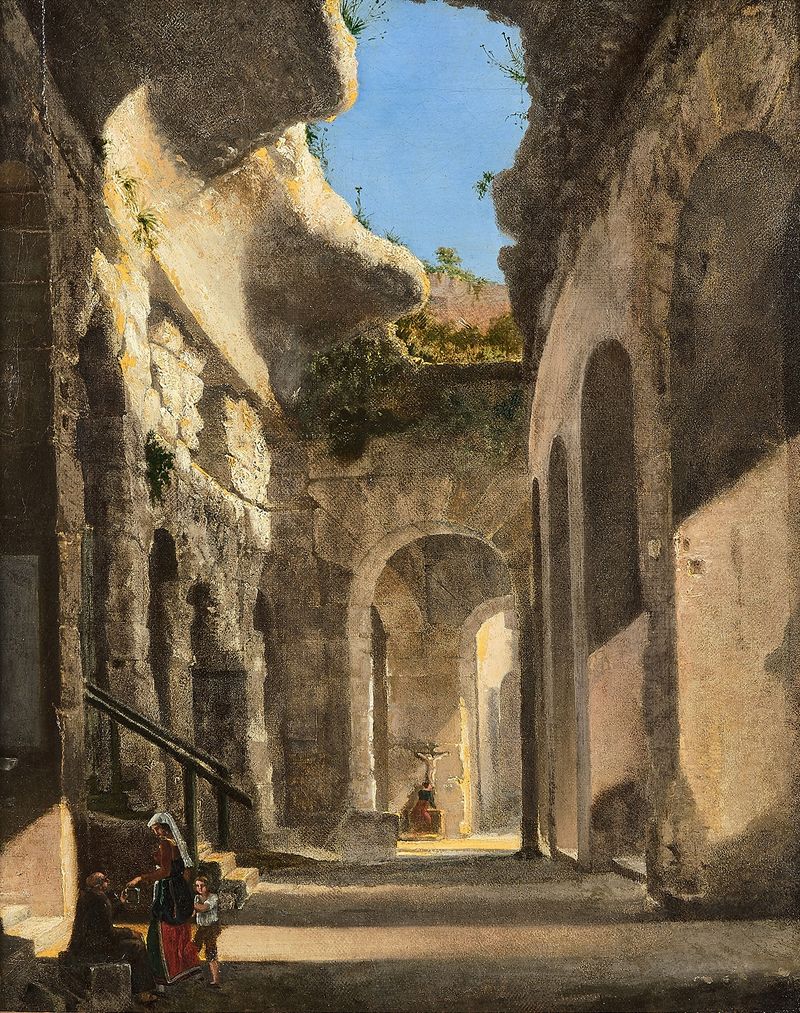
Les ruines du Colisée animées de personnages
François-Marius Granet
More Historical Art
Browse all →
The Night Watch Militia Company of District II under the Command of Captain Frans Banninck Cocq
Rembrandt van Rijn
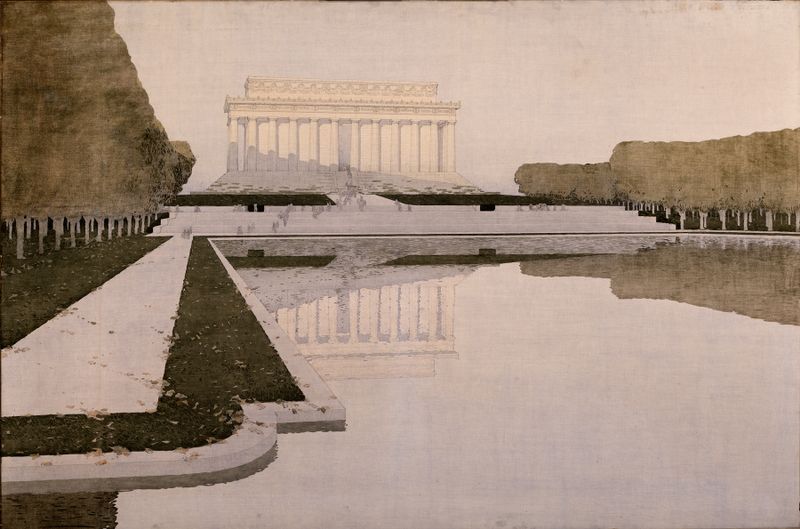
Lincoln Memorial
Henry Bacon
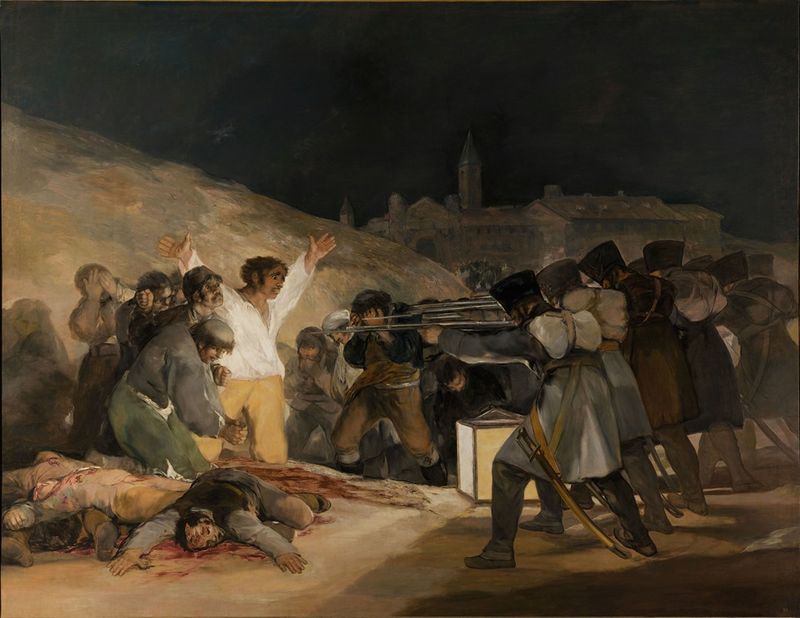
The Third of May 1808
Francisco de Goya

Isaac and Rebecca, Known as ‘The Jewish Bride’
Rembrandt van Rijn
The Charge of the Mamelukes (1814)
Francisco de Goya

De vier ruiters van de apocalyps
Albrecht Dürer