
La route abandonnée — History & Facts
What secret hides in the quiet of the canvas? In La route abandonnée, a deserted road stretches into an uncertain distance, inviting viewers to ponder the stories left untold, the echoes of footsteps long faded. Focus your gaze on the soft interplay of light and shadow that caresses the winding path. Raffaëlli’s muted palette of earth tones draws you in, creating a sense of stillness and nostalgia. The subtle brushstrokes evoke a textured surface, where each stroke feels deliberate, guiding your eye along the empty way.
Notice how the dappled sunlight breaks through the trees, illuminating patches of the gravel with a warm glow, yet leaving much of the scene cloaked in a tranquil gloom. This artwork whispers of solitude and abandonment, conjuring a tension between the passage of time and the stillness of nature. The overhanging branches create a protective canopy, suggesting both safety and confinement, as if guarding the secrets of the past. The road, while clear and open, leads nowhere—an invitation to reflect on journeys taken and the moments we leave behind.
Each element in the composition tells a story, yet remains shrouded in silence, allowing for personal interpretation and emotional resonance. In 1905, Raffaëlli painted this piece during a period of introspection in his life. Living in Paris, he had carved out a niche within the artistic community, balancing the evolving trends of Impressionism while staying true to his own voice. The world was changing rapidly, yet his focus on the serene beauty of the ordinary speaks to a desire for stillness amid the chaos of modern life, making this work a poignant reflection of the time.
More Artworks by Jean François Raffaëlli
Browse all →
Autumn In Paris
Jean François Raffaëlli

Le jardin du Luxembourg
Jean François Raffaëlli
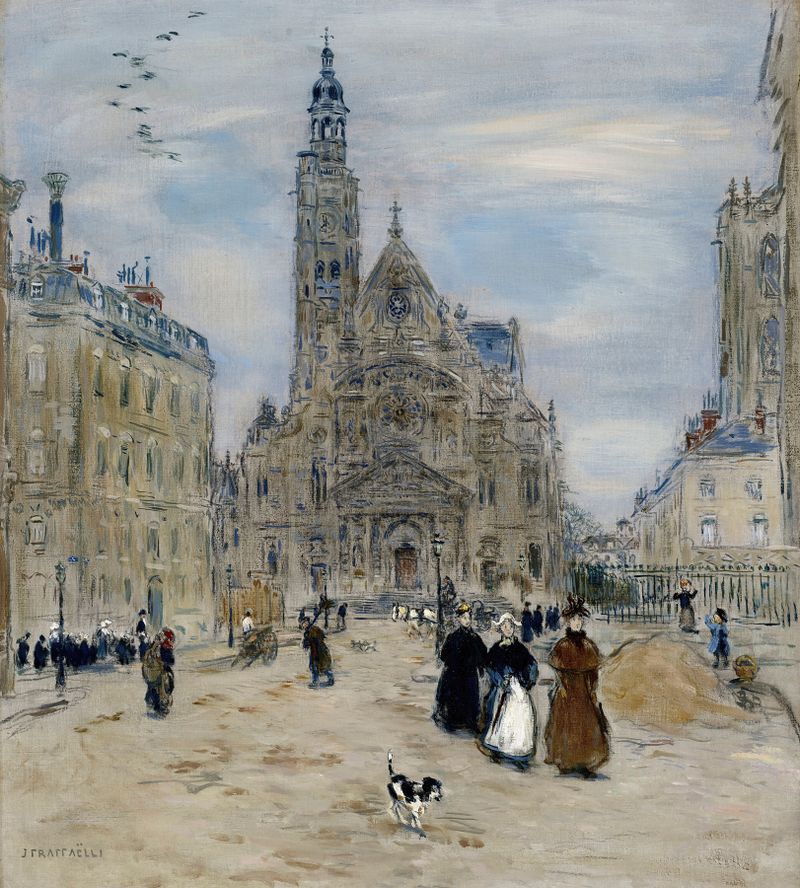
Saint-Étienne-du-Mont, Paris
Jean François Raffaëlli
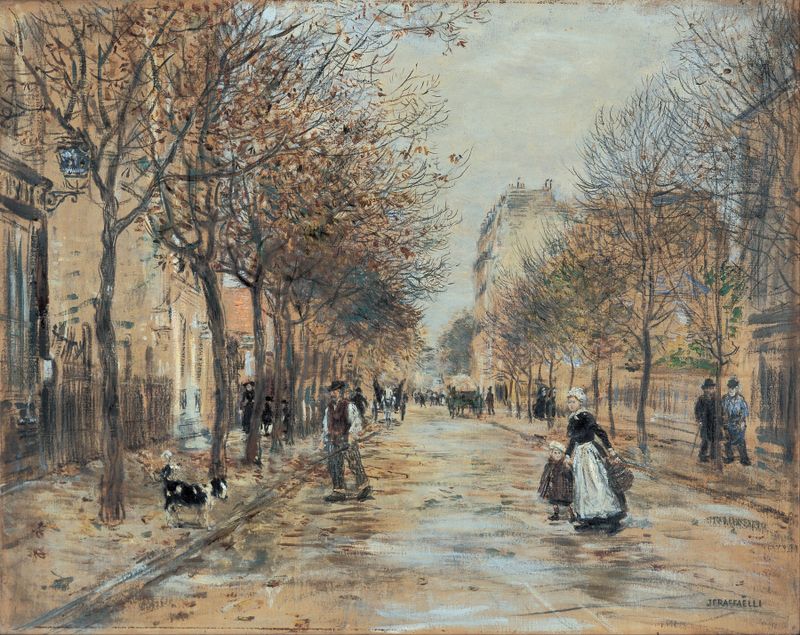
Street in Asnières
Jean François Raffaëlli
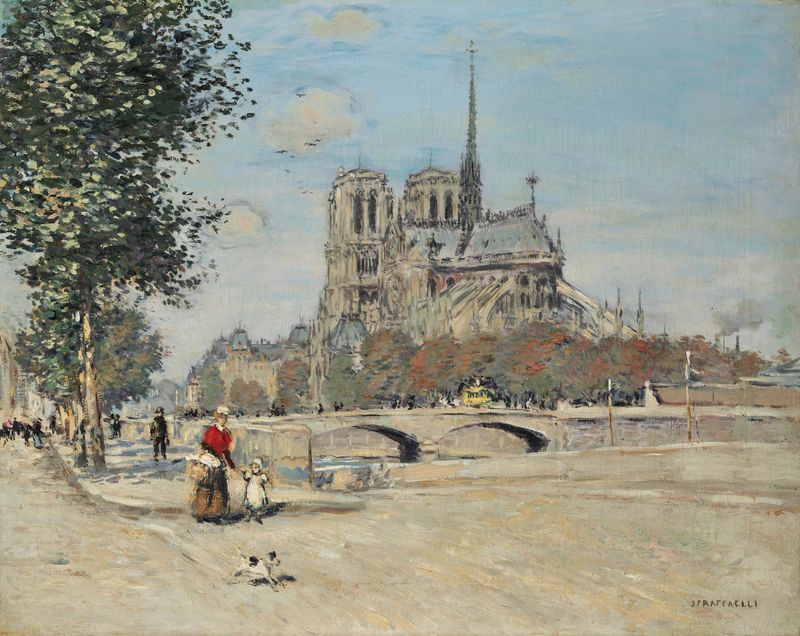
Notre-Dame de Paris et le pont de l’Archevêché
Jean François Raffaëlli

Place de Saint-Germain des Prés, Paris
Jean François Raffaëlli
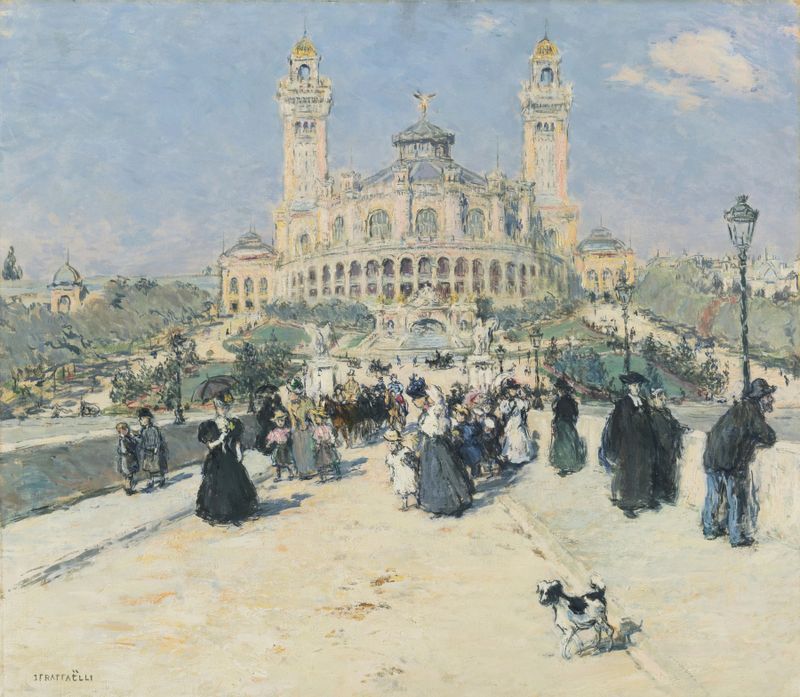
Le Trocadéro
Jean François Raffaëlli

Les Champs-Élysées
Jean François Raffaëlli

Le boulevard des Italiens
Jean François Raffaëlli

The Quai Malaquais, Paris
Jean François Raffaëlli





