
La rue Cassette et rue Pape Carpentier — History & Facts
Could a single brushstroke hold eternity? In La rue Cassette et rue Pape Carpentier, silence envelops the street, allowing time to stretch like the shadows cast by the buildings. Look to the left, where a pair of weathered houses stand in intimate conversation, their windows reflecting the soft, muted hues of the evening light. The palette is a delicate blend of ochres and grays, capturing the essence of a Parisian dusk. Notice how the gentle curves of the cobblestone path invite the viewer deeper into the scene, while the vertical lines of the architecture lend a sense of stability against the ephemeral nature of the moment. The juxtaposition of light and shadow reveals the subtle tension between presence and absence, as if the streets are whispering secrets of the lives once lived there.
The empty passage evokes a profound loneliness, yet there is a beauty in that solitude, suggesting both the bustling past and the quiet present. Each brushstroke seems to suspend time, inviting contemplation of the stories that linger in the air long after the last footstep has echoed away. Ferdinand Boberg painted this work in 1926 during a period of significant transformation in both his life and the art world. After years of exploring various styles, he was honing his identity as a painter.
Influenced by the avant-garde movements of the time, he embraced a unique approach that combined realism with impressionistic elements, reflecting the changing urban landscape of post-war Europe.
More Artworks by Ferdinand Boberg
Browse all →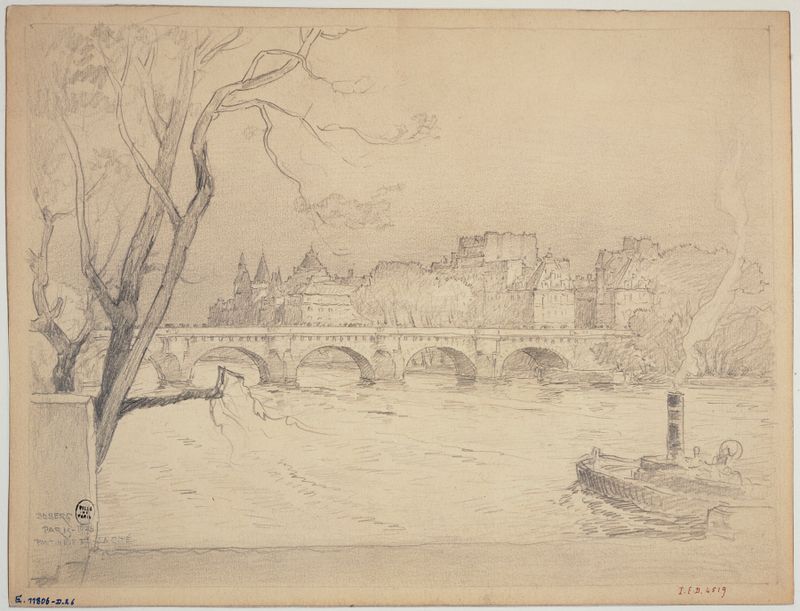
Le Pont-Neuf et la Cité
Ferdinand Boberg
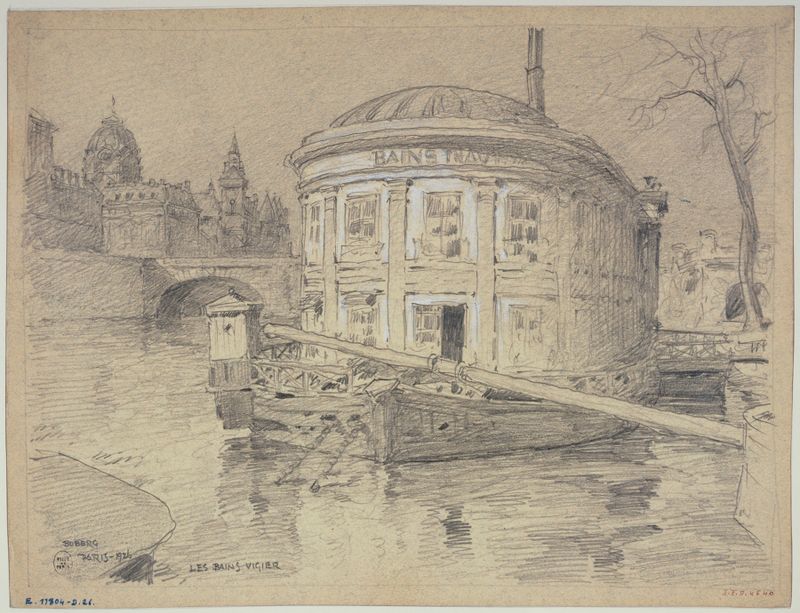
Les bains Vigier au Pont-Neuf
Ferdinand Boberg
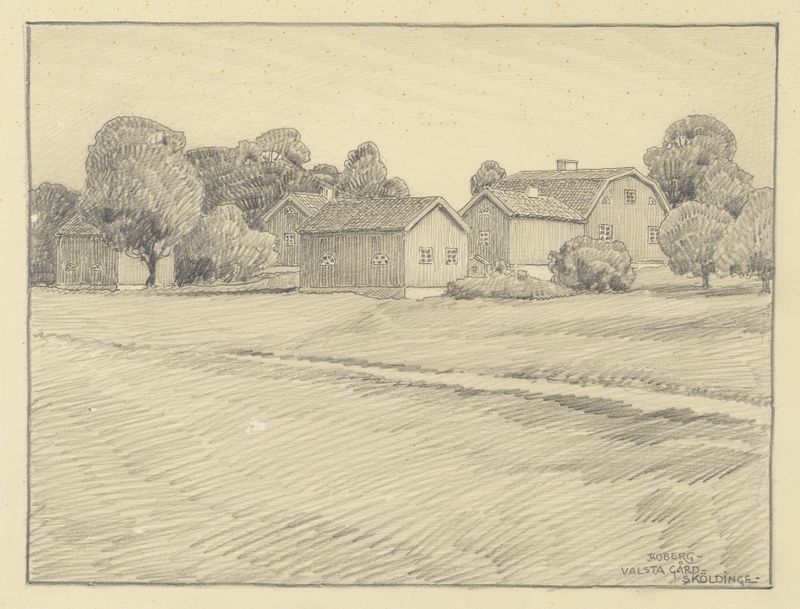
Valsta Gård
Ferdinand Boberg
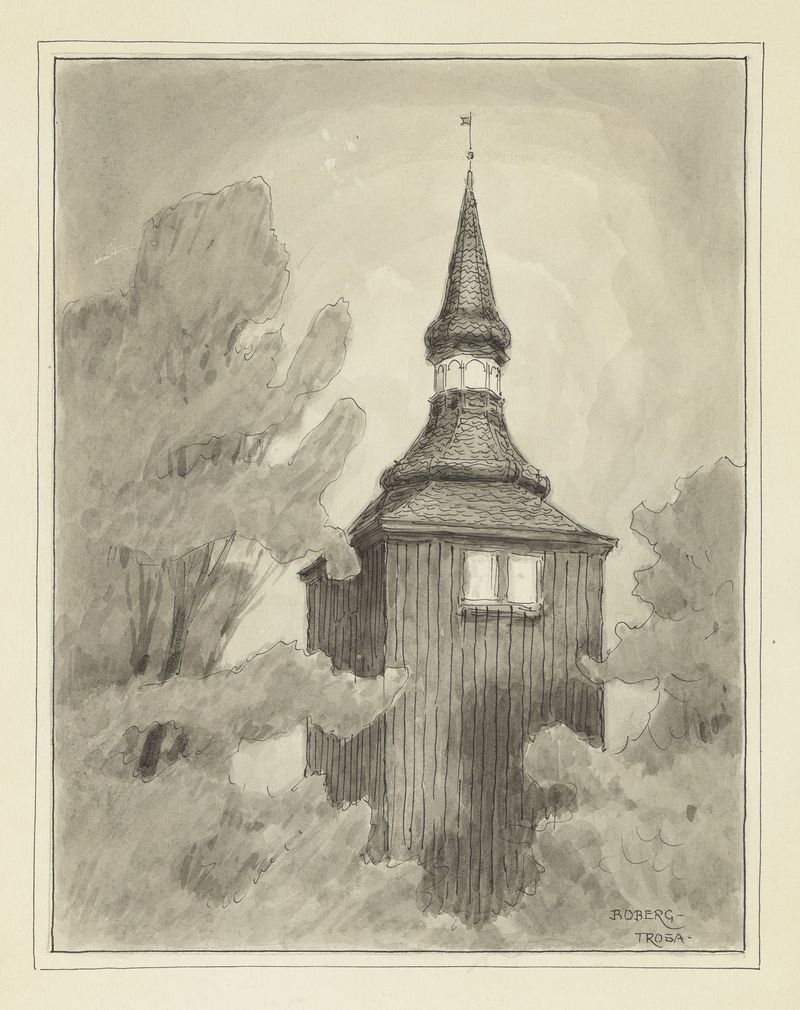
Trosa
Ferdinand Boberg
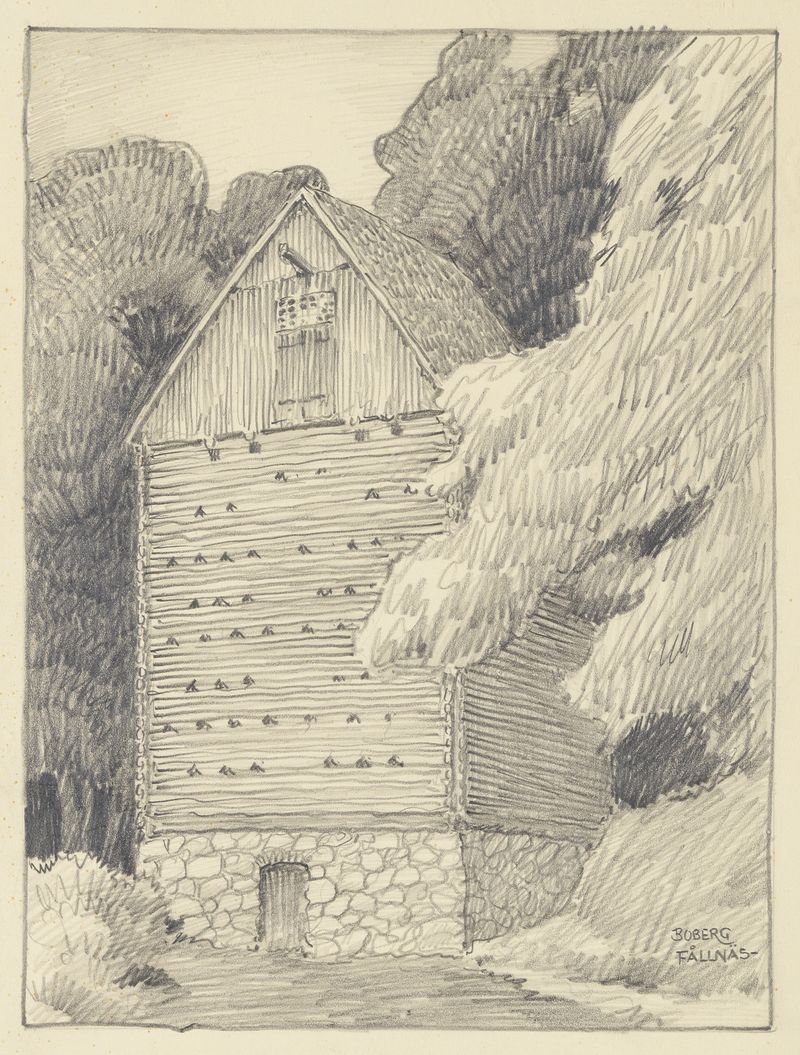
Fållnäs
Ferdinand Boberg
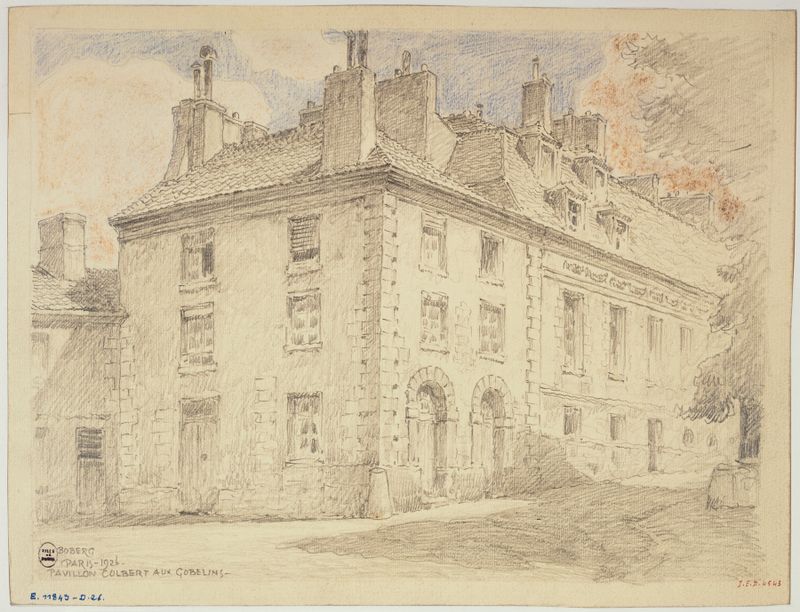
Le pavillon Colbert aux Gobelins
Ferdinand Boberg
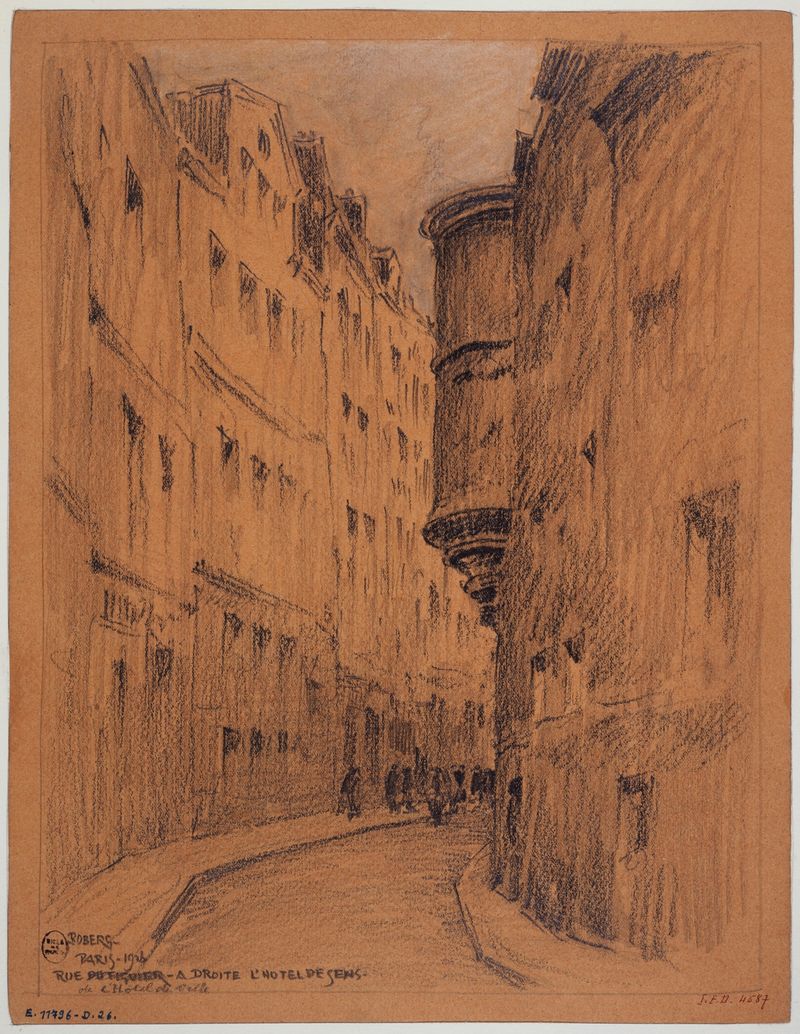
Rue de l’Hôtel de Ville; l’hôtel de Sens
Ferdinand Boberg
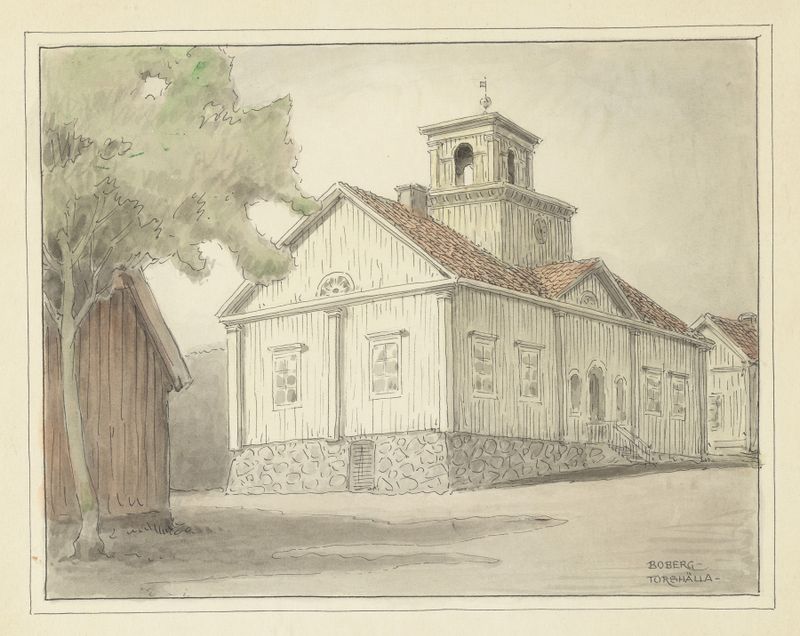
Torshälla
Ferdinand Boberg
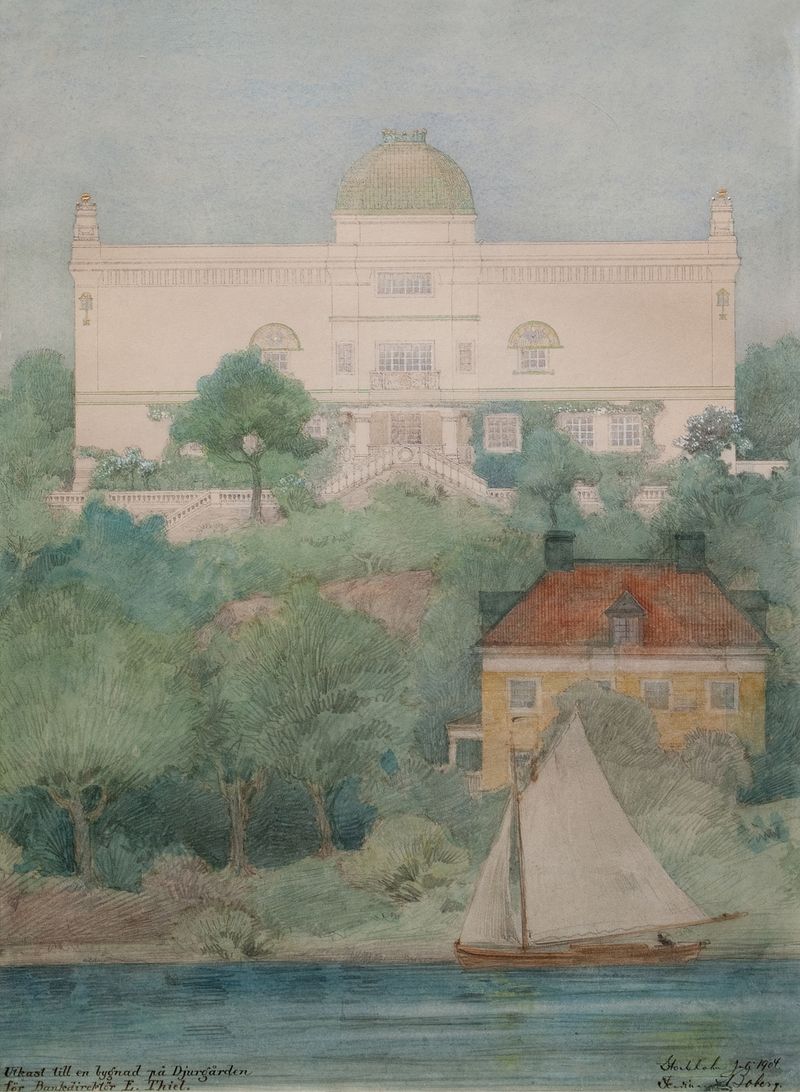
Sketch for a building for Thiel’s Gallery
Ferdinand Boberg
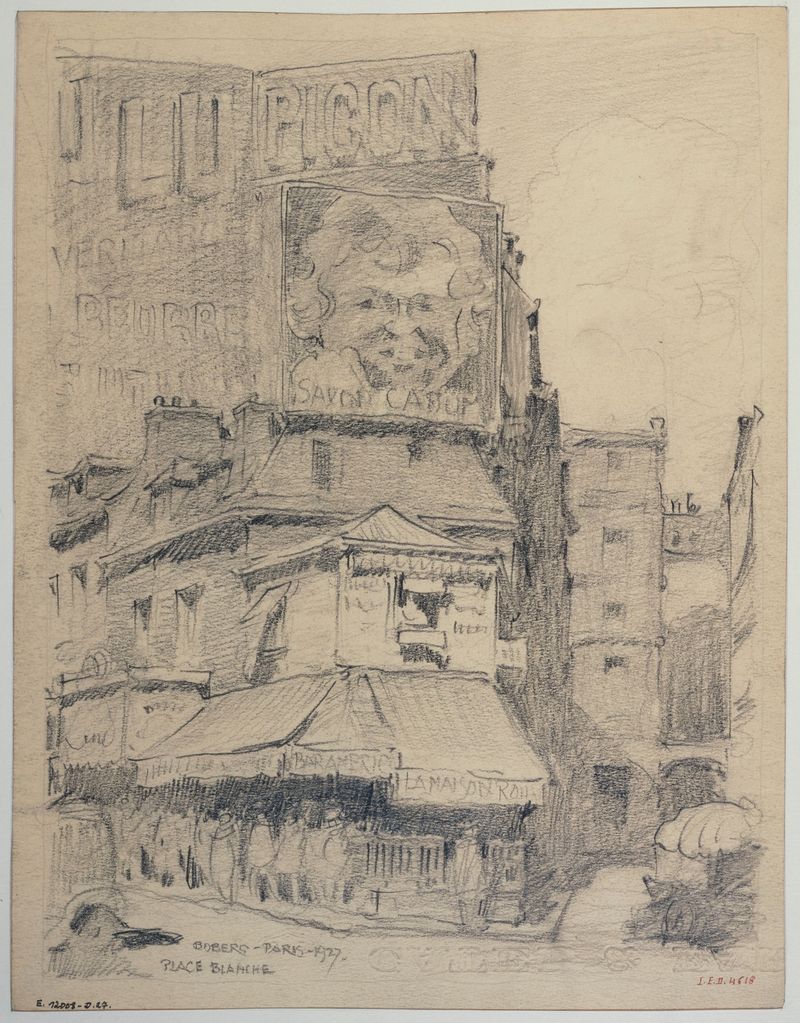
La place Blanche
Ferdinand Boberg
More Architecture Art
Browse all →
The statue of Liberty
Frédéric Auguste Bartholdi

View of Houses in Delft, Known as ‘The Little Street’
Johannes Vermeer

View of Houses in Delft, Known as ‘The Little Street’
Johannes Vermeer

The Cathedral in Rouen. The portal, Grey Weather
Claude Monet

The yellow house
Vincent van Gogh

The Church in Auvers-sur-Oise, View from the Chevet
Vincent van Gogh