
La rue d’Alexandrie et la rue Sainte-Foy — History & Facts
What if beauty was never meant to be finished? In La rue d’Alexandrie et la rue Sainte-Foy, Ferdinand Boberg captures the essence of obsession, intertwining architecture and emotion in a moment suspended between reality and yearning. Look to the foreground, where the cobblestone streets invite you into the scene, beckoning you to traverse the labyrinth of intersecting paths. Notice the warm hues of ochre and beige, which create an inviting glow as sunlight dances through the buildings. The soft shadows cast by awnings and balconies lend depth, while the intricate details of wrought-iron railings hint at the lives lived within the walls.
Each stroke and angle is deliberate, guiding the viewer’s eye through this urban tapestry. Hidden meanings emerge in the contrast between light and shadow, reflecting the duality of beauty and decay that defines the passage of time. The vibrant brushstrokes imbue the scene with life, yet the slight wear of the buildings suggests a lingering nostalgia, a reminder that even the most picturesque moments are transient. The obsessive attention to architectural details speaks to the artist’s own fascination with the city’s pulse, capturing a moment that straddles the line between admiration and melancholy. Created in 1926, Boberg’s work emerged during a time of significant change in the art world, as modernism began to influence traditional techniques.
Living in France, he was deeply engaged with the evolving urban landscape, and the streets he painted became a canvas for both personal and collective memory. This piece reflects both his artistic journey and the broader cultural shifts of his era, encapsulating a moment of beauty that feels eternally incomplete.
More Artworks by Ferdinand Boberg
Browse all →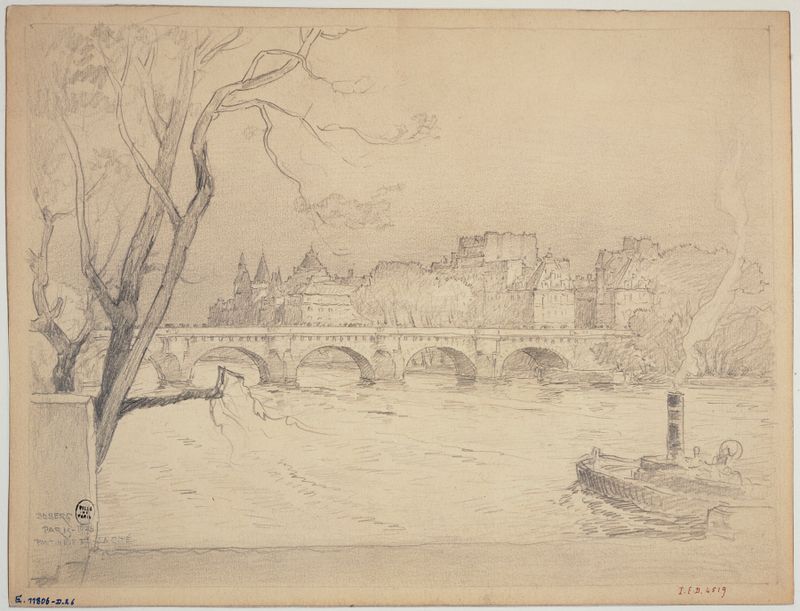
Le Pont-Neuf et la Cité
Ferdinand Boberg
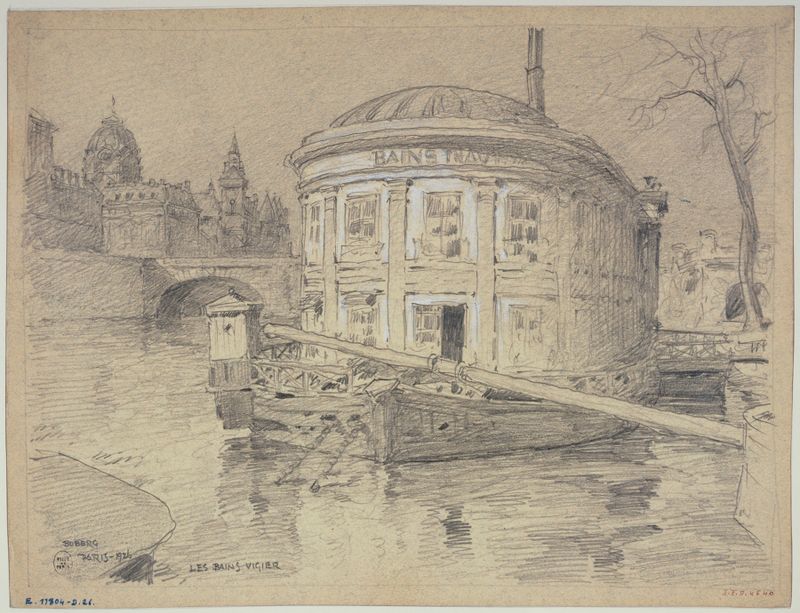
Les bains Vigier au Pont-Neuf
Ferdinand Boberg
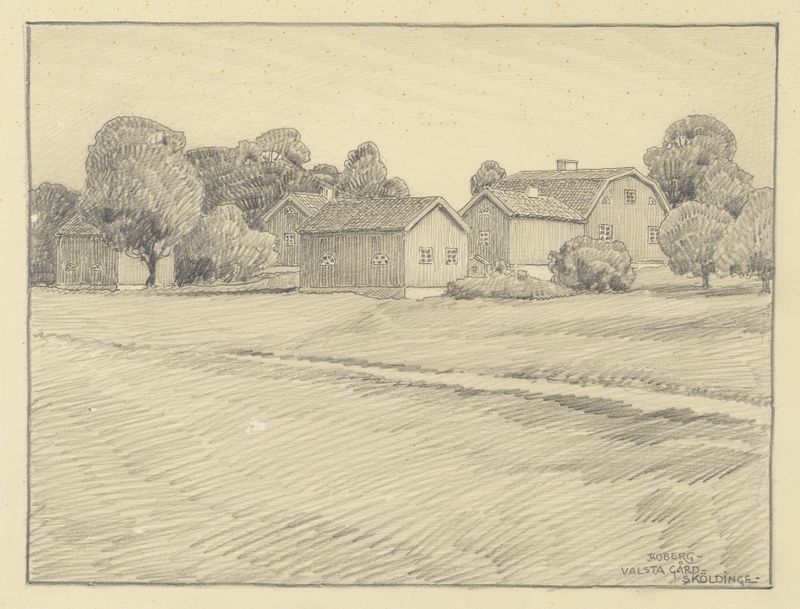
Valsta Gård
Ferdinand Boberg
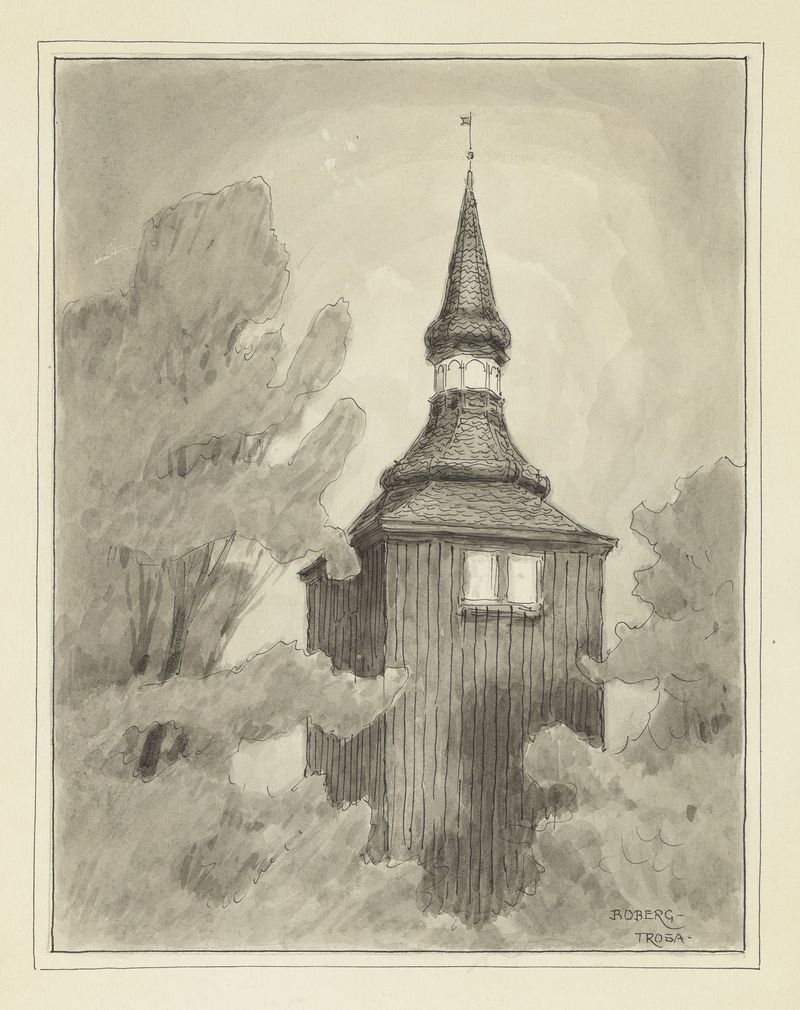
Trosa
Ferdinand Boberg
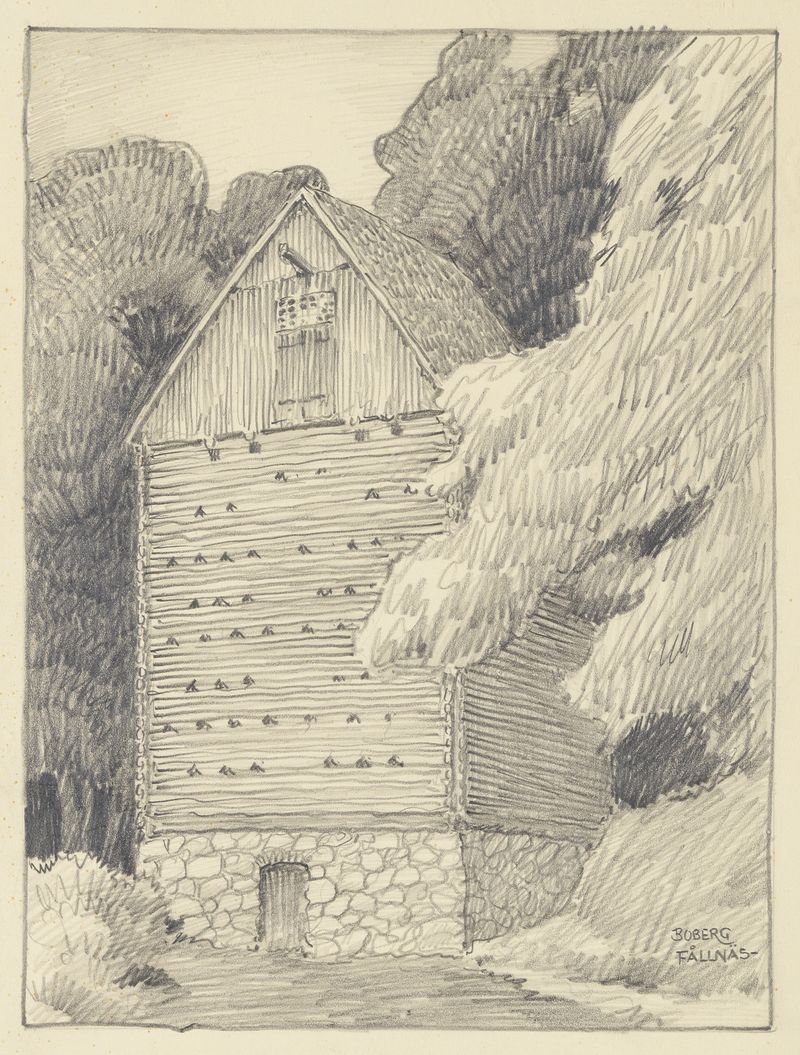
Fållnäs
Ferdinand Boberg
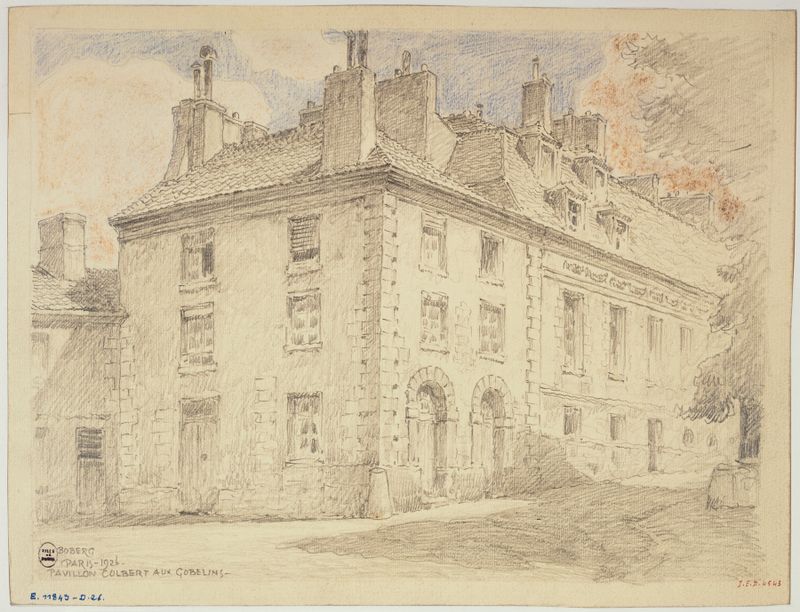
Le pavillon Colbert aux Gobelins
Ferdinand Boberg
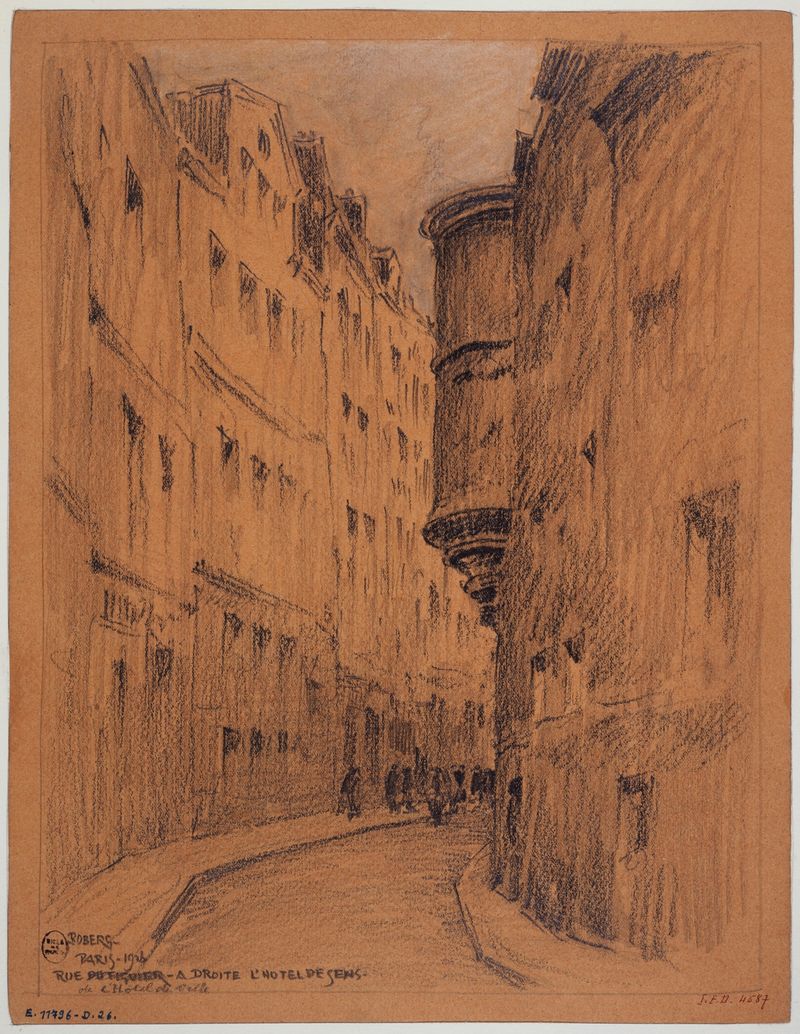
Rue de l’Hôtel de Ville; l’hôtel de Sens
Ferdinand Boberg
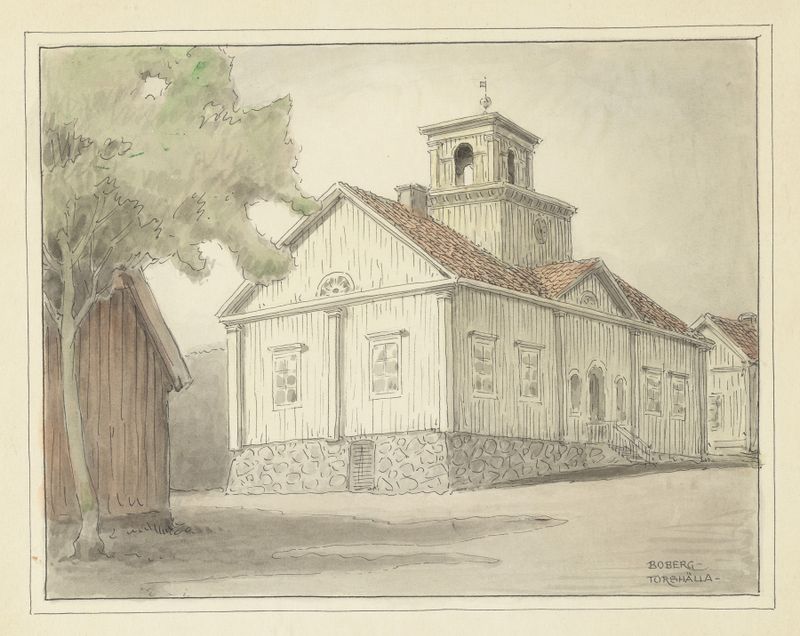
Torshälla
Ferdinand Boberg
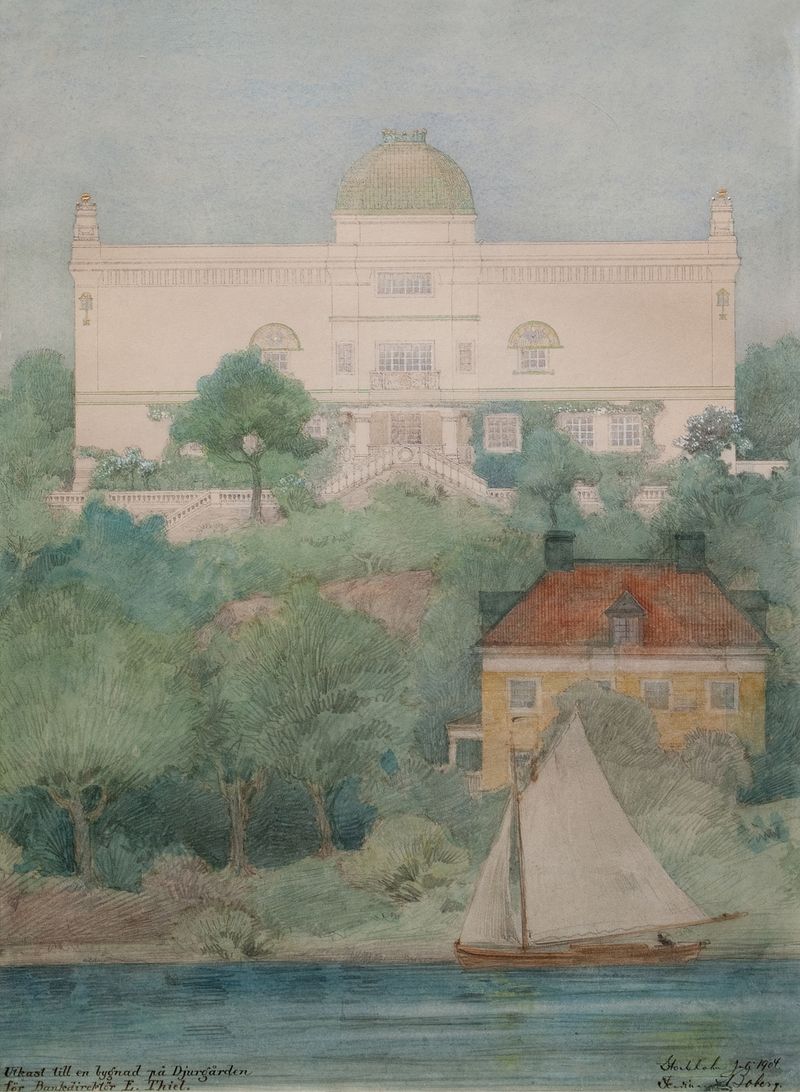
Sketch for a building for Thiel’s Gallery
Ferdinand Boberg
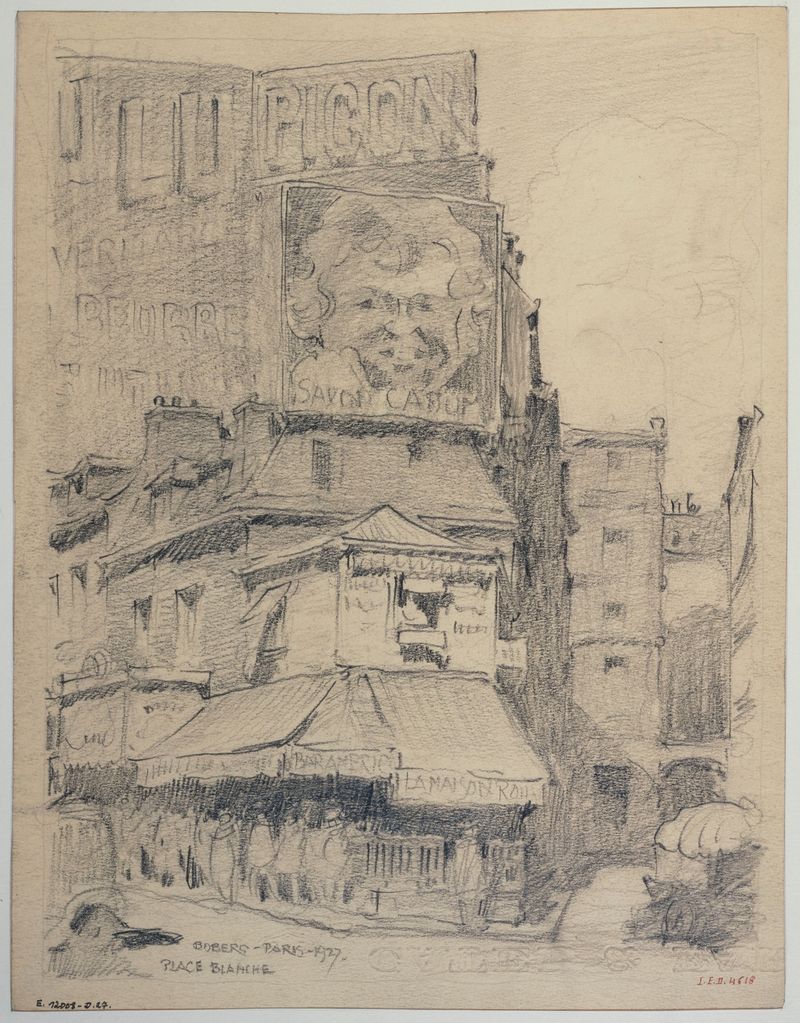
La place Blanche
Ferdinand Boberg
More Architecture Art
Browse all →
The statue of Liberty
Frédéric Auguste Bartholdi

View of Houses in Delft, Known as ‘The Little Street’
Johannes Vermeer

View of Houses in Delft, Known as ‘The Little Street’
Johannes Vermeer

The Cathedral in Rouen. The portal, Grey Weather
Claude Monet

The yellow house
Vincent van Gogh

The Church in Auvers-sur-Oise, View from the Chevet
Vincent van Gogh