
La rue de Norvins et la rue Jean-Baptiste Clément — History & Facts
Did the painter know this moment would outlive them? In the quiet embrace of a Parisian street, a slice of life is captured, laden with unspoken grief and nostalgia, echoing the fleeting nature of existence. Focus on the gentle curve of the cobblestone street that draws the eye into the heart of the composition. The warm hues of ochre and soft blues play together, illuminating the aged facades of the buildings that cradle the scene. Notice how the dappled light filters through the foliage, casting delicate shadows that suggest both presence and absence—each shadow a whisper of lives once lived, now intertwined with memory. Delve deeper into the contrasting emotions at play; the vibrant life of the street juxtaposed with the quiet solitude of those who wander it.
The figures, though engaged in movement, carry an air of introspection, as if they are haunted by their past. Each window tells a story, with curtains drawn just enough to reveal glimpses of life behind closed doors—reminders of both connection and isolation in a bustling metropolis. Ferdinand Boberg painted this work in a time of transition, possibly during the late 19th century. As Paris evolved, the artistic community was buzzing with new ideas and movements, but underneath it all lay a profound sense of loss.
Influenced by the changing urban landscape and the persistent undercurrents of grief in the wake of rapid modernization, Boberg's work reflects an era clinging to its soul while navigating the inevitable flow of time.
More Artworks by Ferdinand Boberg
Browse all →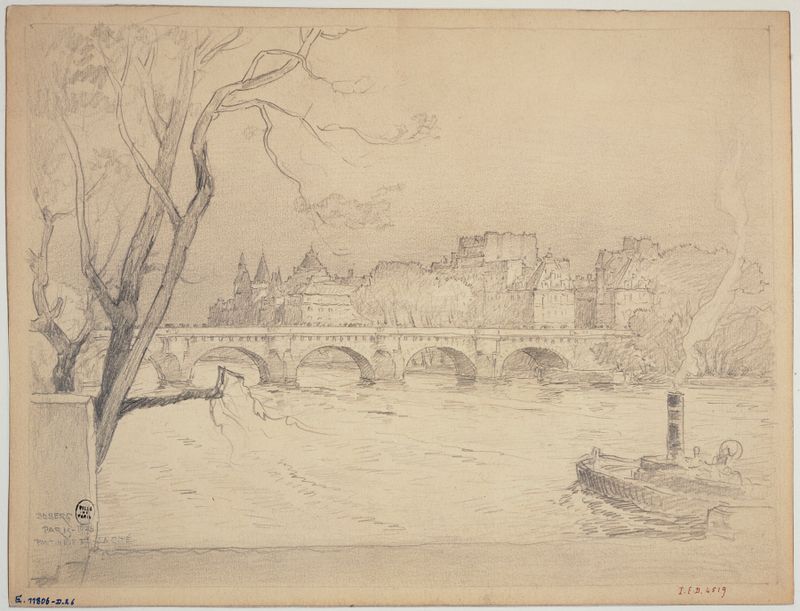
Le Pont-Neuf et la Cité
Ferdinand Boberg
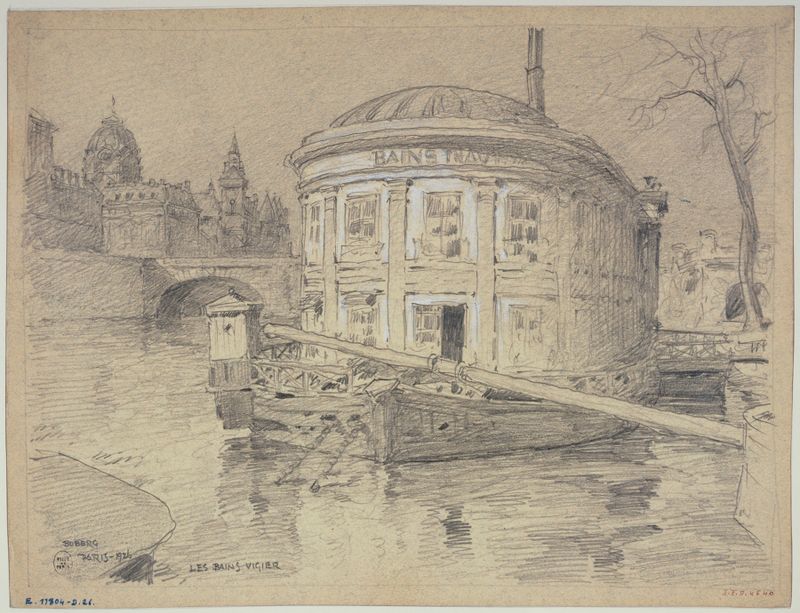
Les bains Vigier au Pont-Neuf
Ferdinand Boberg
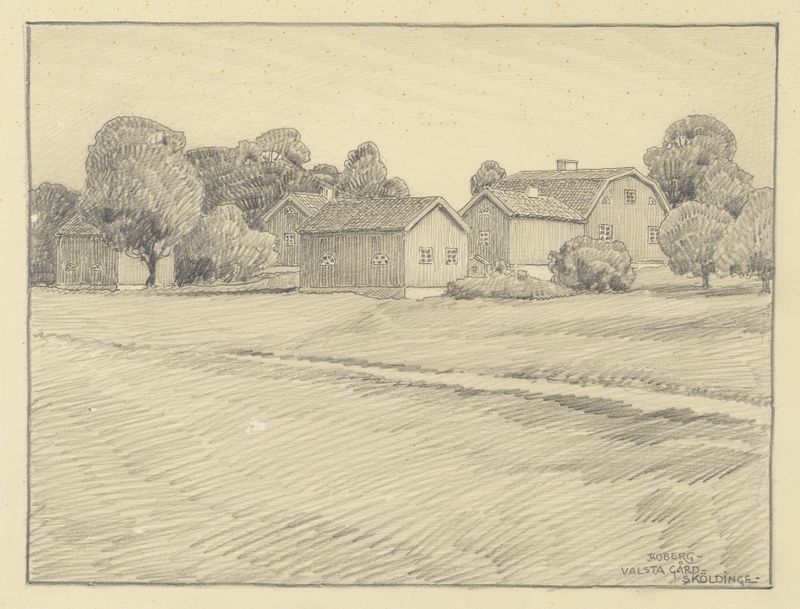
Valsta Gård
Ferdinand Boberg
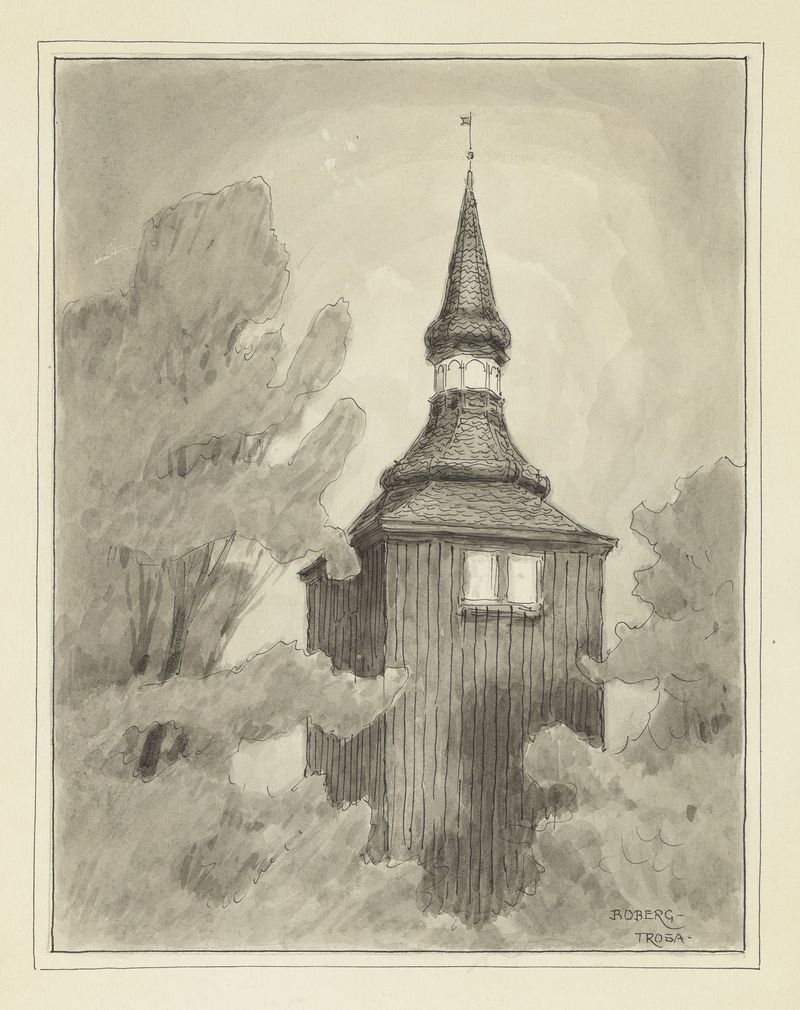
Trosa
Ferdinand Boberg
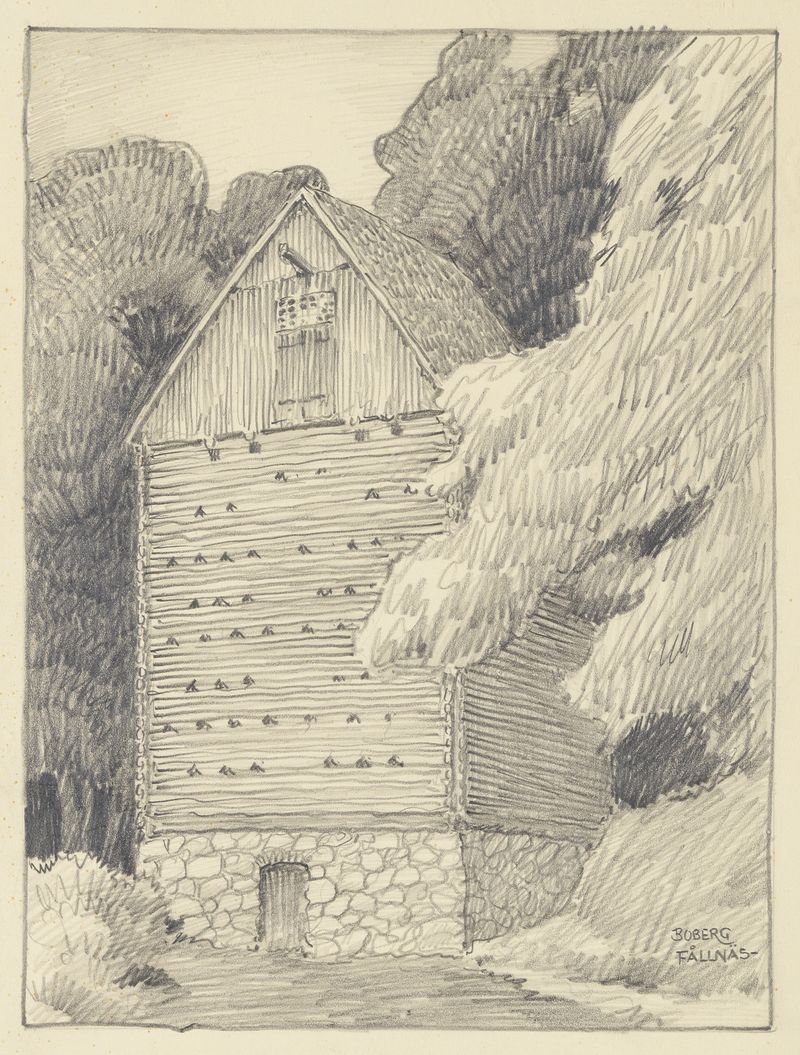
Fållnäs
Ferdinand Boberg
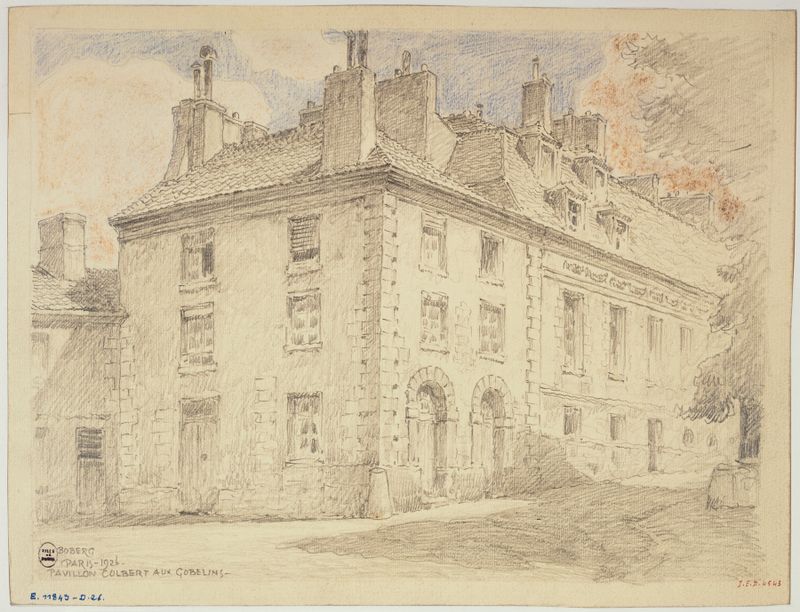
Le pavillon Colbert aux Gobelins
Ferdinand Boberg
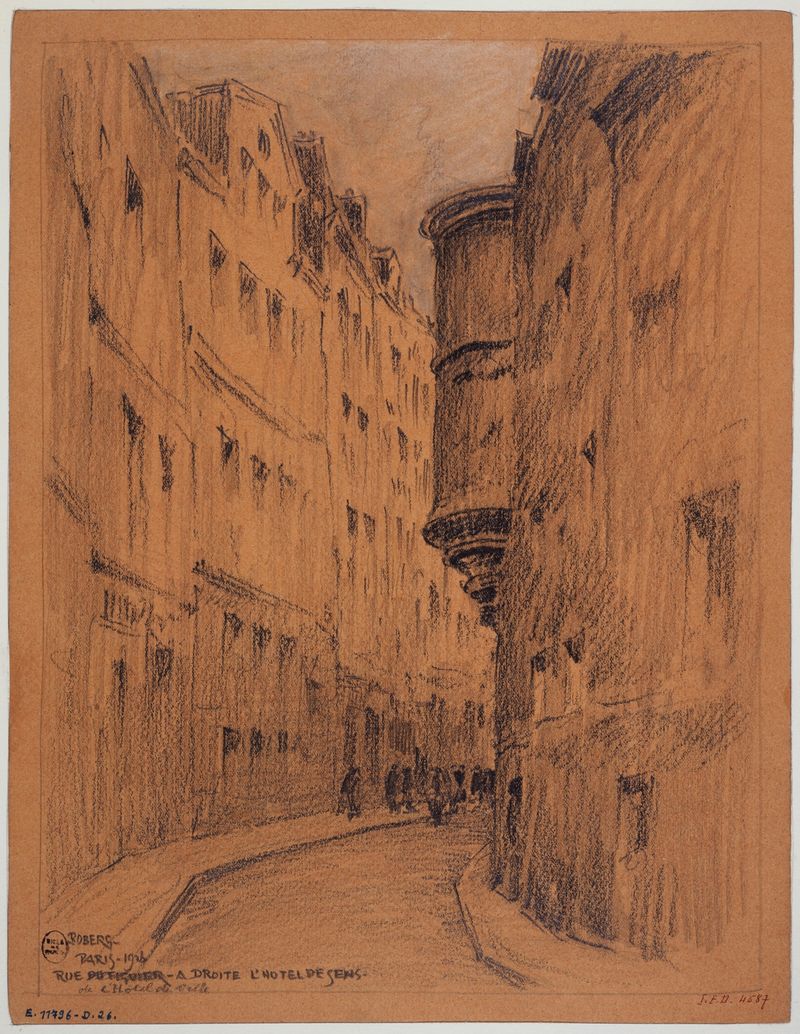
Rue de l’Hôtel de Ville; l’hôtel de Sens
Ferdinand Boberg
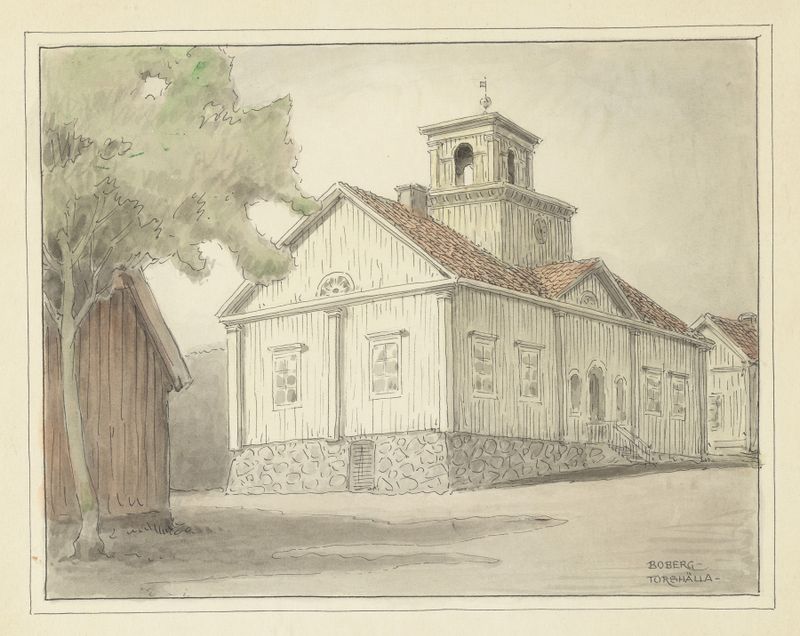
Torshälla
Ferdinand Boberg
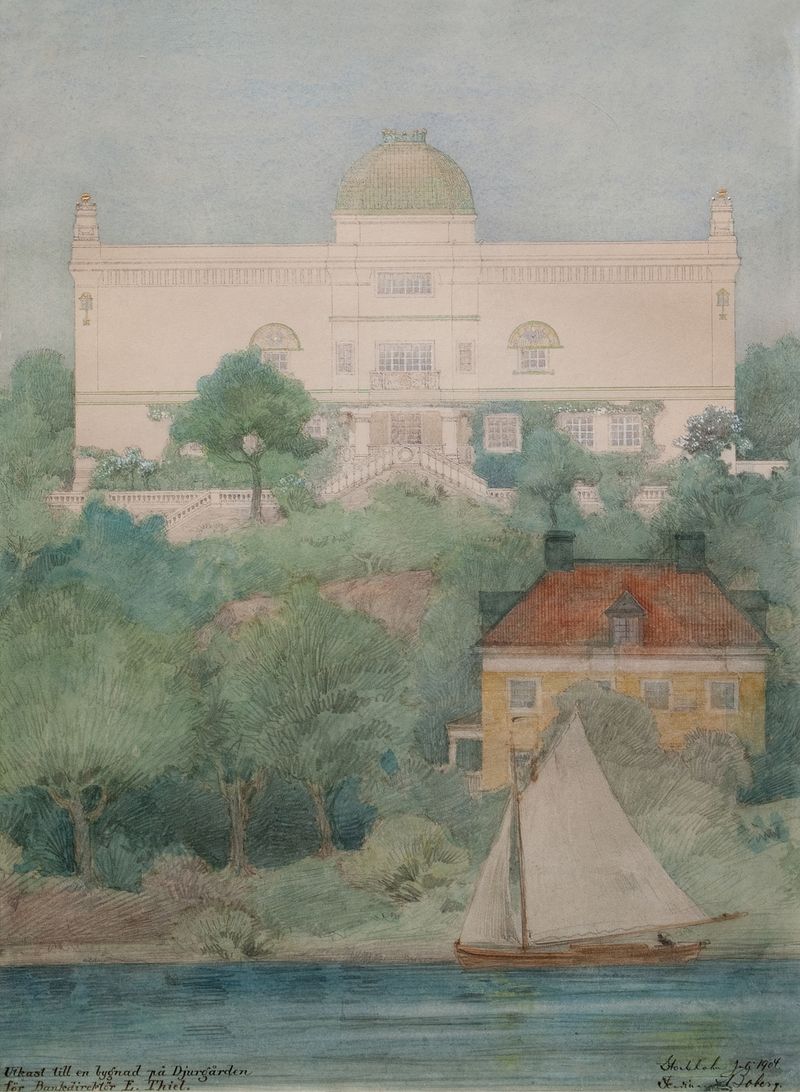
Sketch for a building for Thiel’s Gallery
Ferdinand Boberg
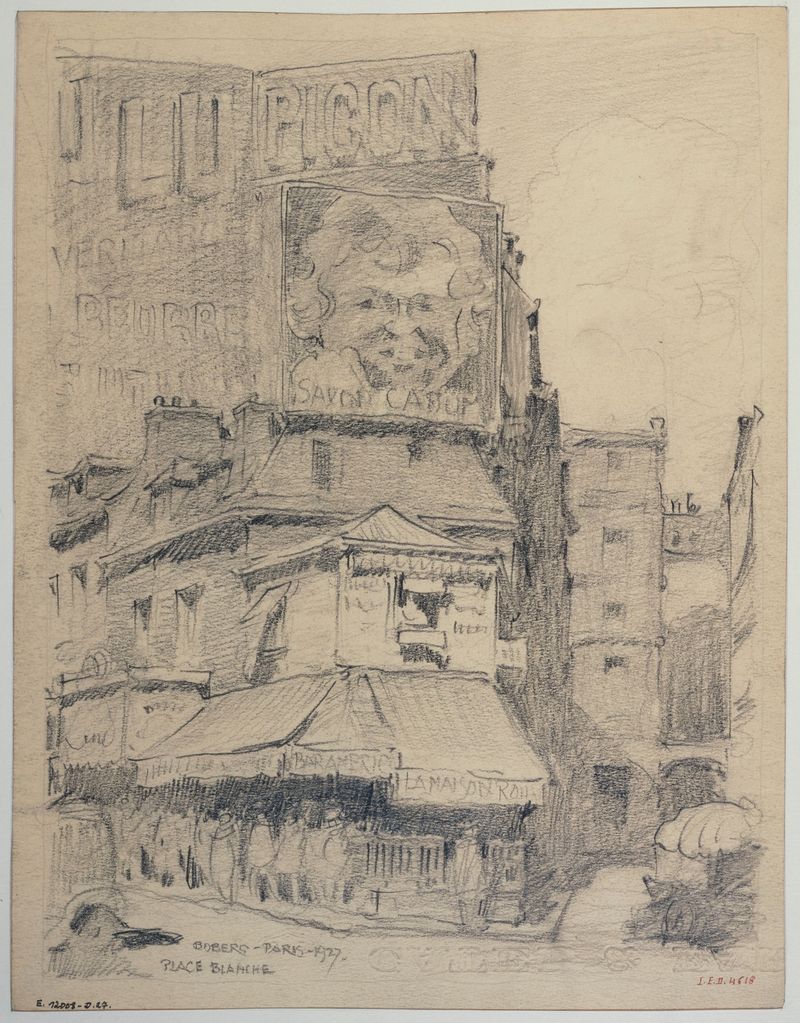
La place Blanche
Ferdinand Boberg





