
La rue des Saules — History & Facts
Could a single brushstroke hold eternity? In La rue des Saules, the weight of loneliness reverberates through the quiet corners of a Parisian street, embodying an aching solitude that lingers in the air like a forgotten song. Focus on the left side of the canvas, where a row of trees stands sentinel, their gnarled branches stretching into the muted sky. Notice how Boberg’s palette of cool blues and soft grays envelops the scene, casting a tranquil yet melancholic aura. The road, winding and desolate, beckons the eye to explore its empty expanse, each stroke meticulously rendered to convey a sense of abandonment and yearning.
The light filtering through the leaves creates a delicate interplay of shadow and illumination, drawing you further into the painting’s quiet narrative. Hidden beneath the surface of the serene landscape lies an emotional tension. The contrast between the embracing nature and the sterile absence of human presence evokes feelings of isolation, as if the street itself mourns the absence of life. Each tree seems to whisper secrets of stories untold, while the empty pathway invites contemplation, prompting viewers to ponder their own encounters with loneliness.
The stillness is palpable, urging introspection and connection to the echoes of solitude felt universally. Created in 1926, this work emerged during a period of significant change in Boberg’s life. Settled in Paris amidst a burgeoning art scene, he was refining his unique style, blending Impressionism with the burgeoning Modernist movement. The interwar years were marked by a search for identity and meaning, and La rue des Saules reflects this introspective landscape, a poignant response to the tumultuous world outside his window.
More Artworks by Ferdinand Boberg
Browse all →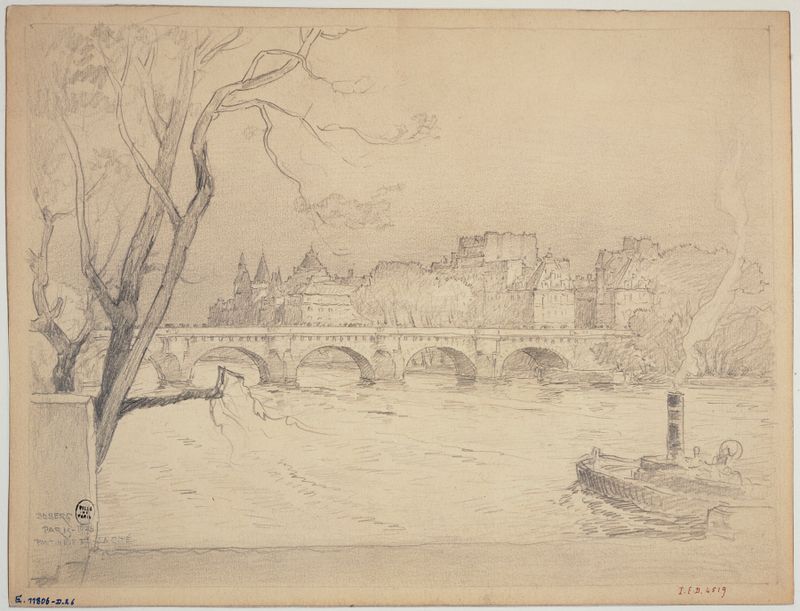
Le Pont-Neuf et la Cité
Ferdinand Boberg
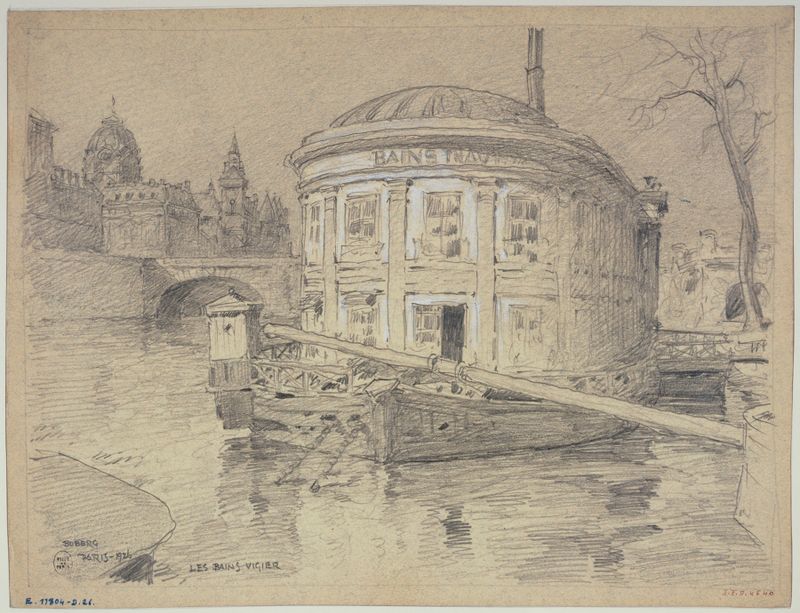
Les bains Vigier au Pont-Neuf
Ferdinand Boberg
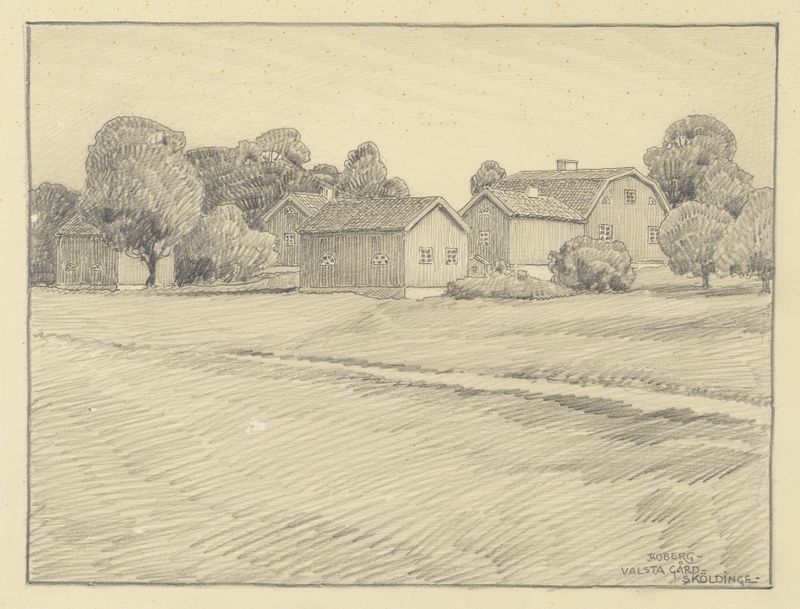
Valsta Gård
Ferdinand Boberg
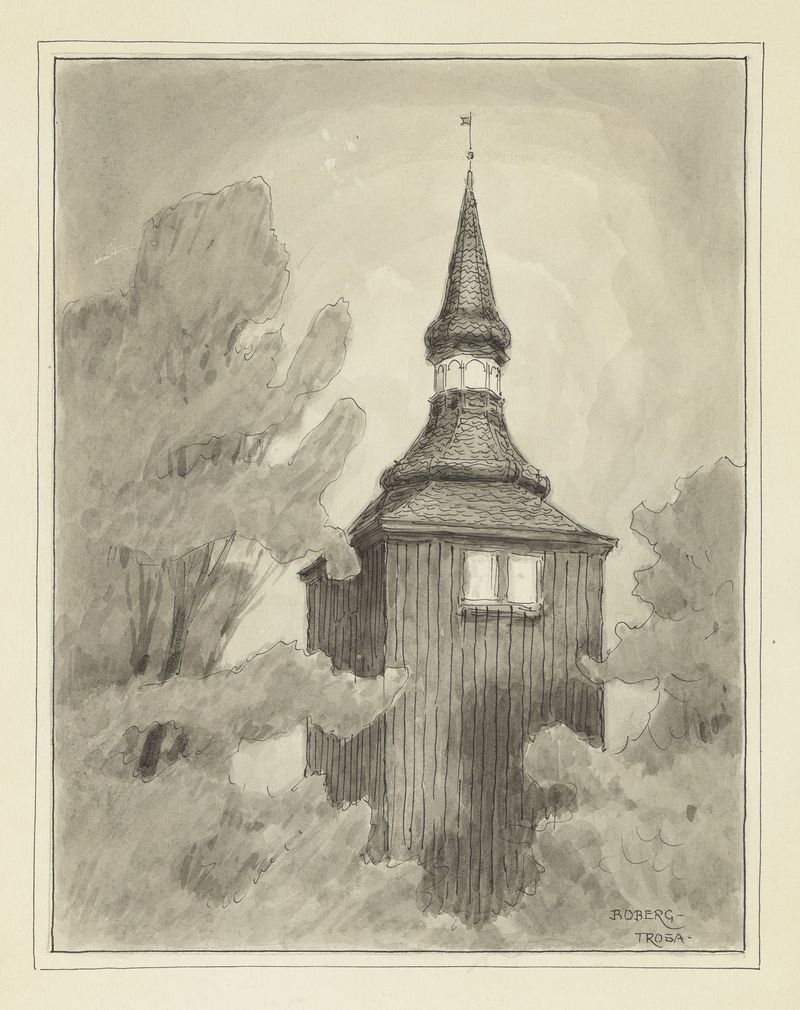
Trosa
Ferdinand Boberg
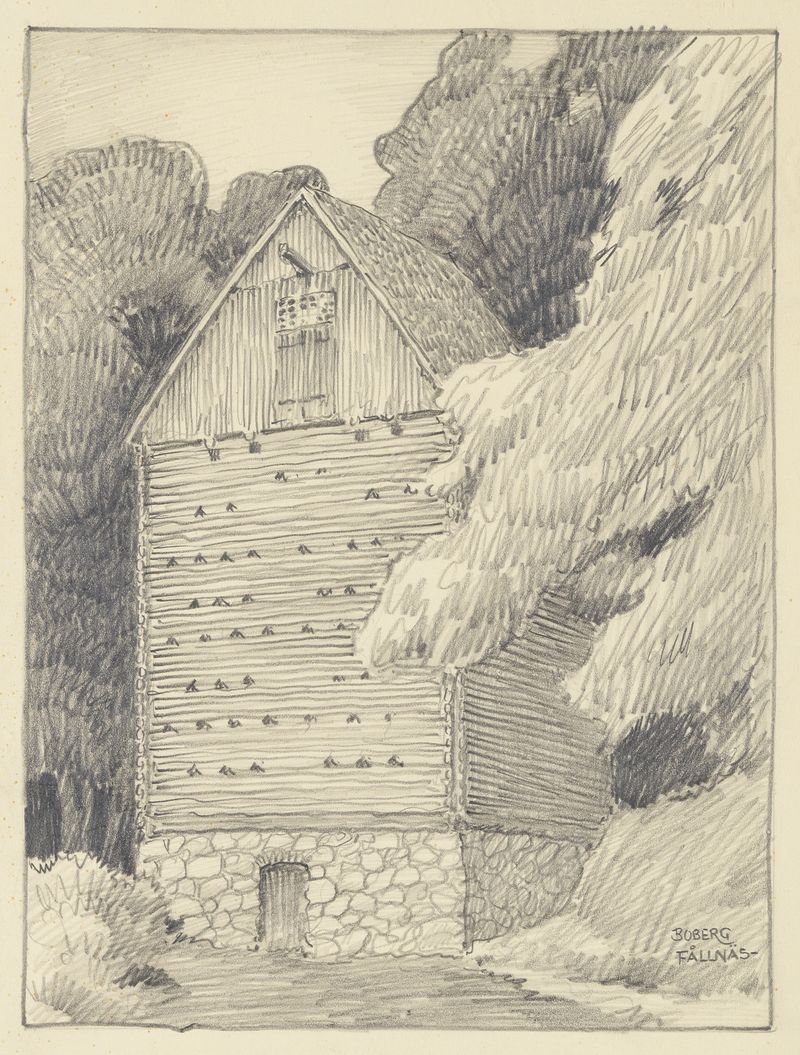
Fållnäs
Ferdinand Boberg
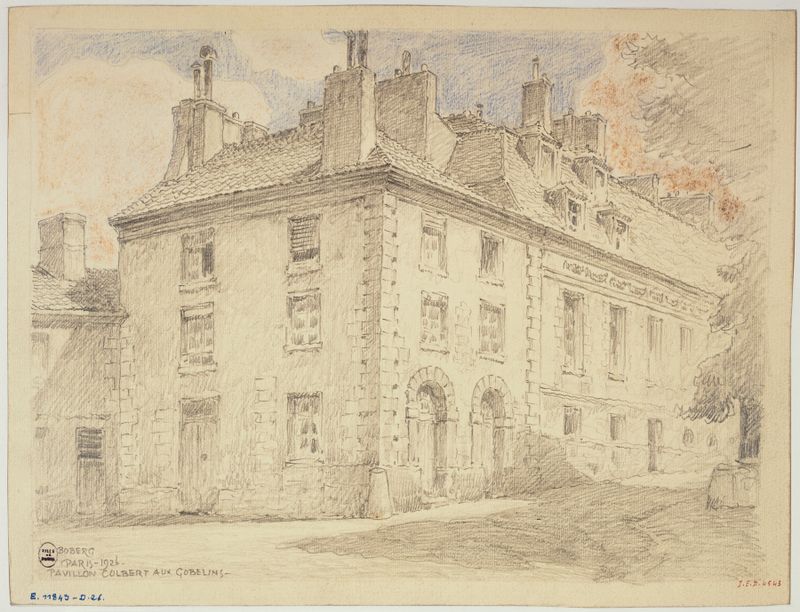
Le pavillon Colbert aux Gobelins
Ferdinand Boberg
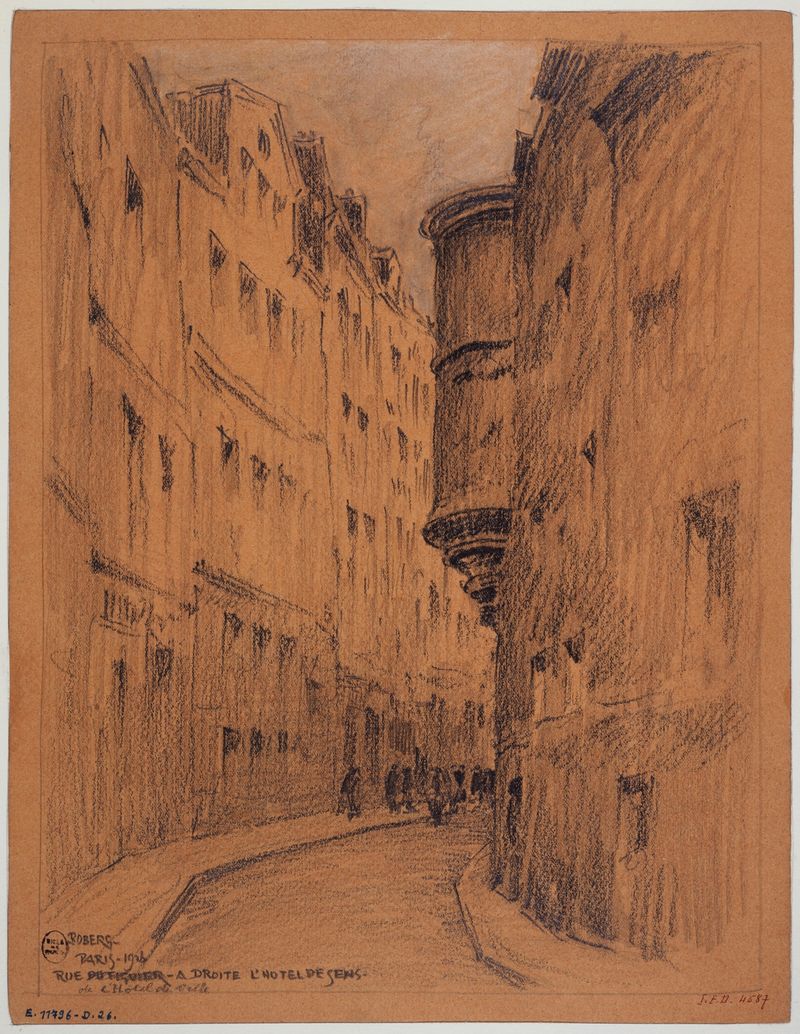
Rue de l’Hôtel de Ville; l’hôtel de Sens
Ferdinand Boberg
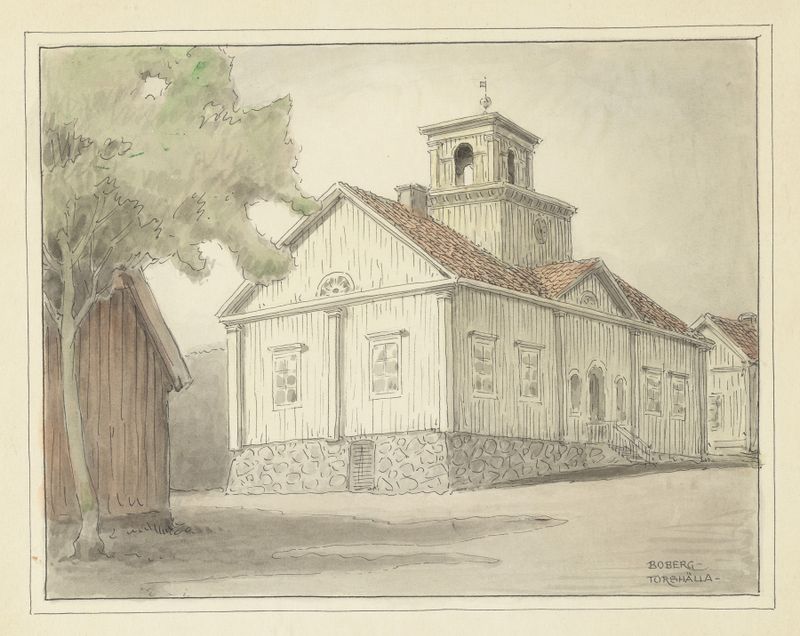
Torshälla
Ferdinand Boberg
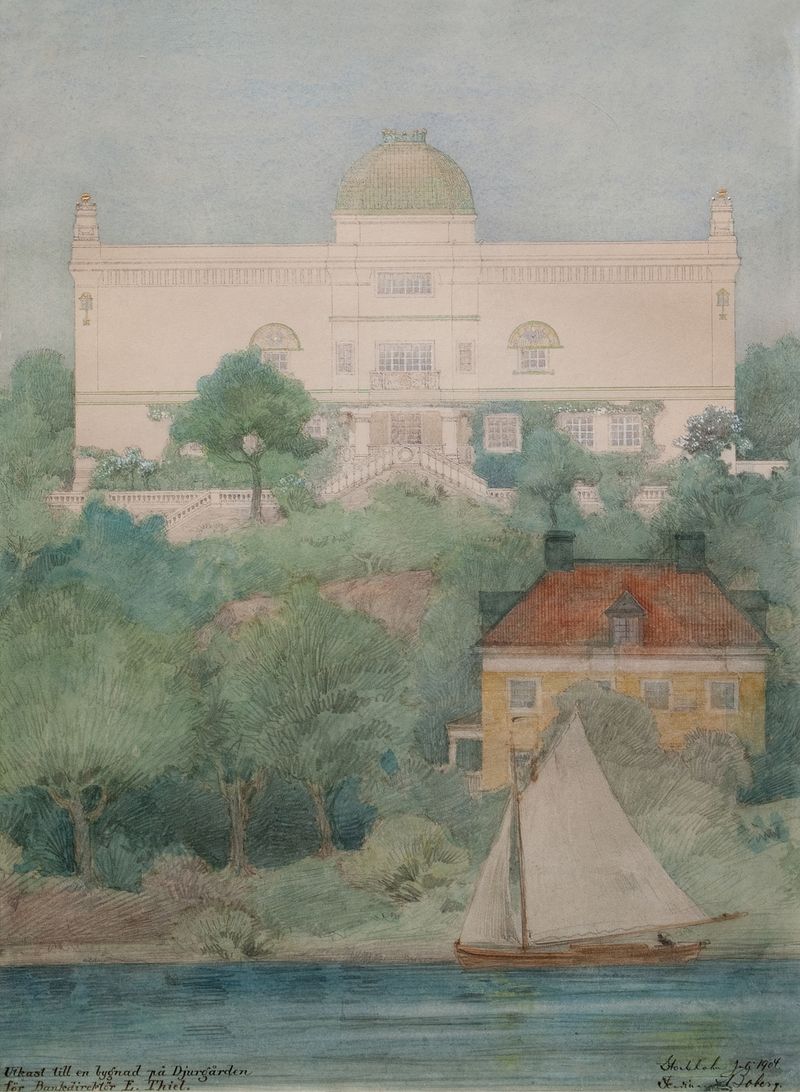
Sketch for a building for Thiel’s Gallery
Ferdinand Boberg
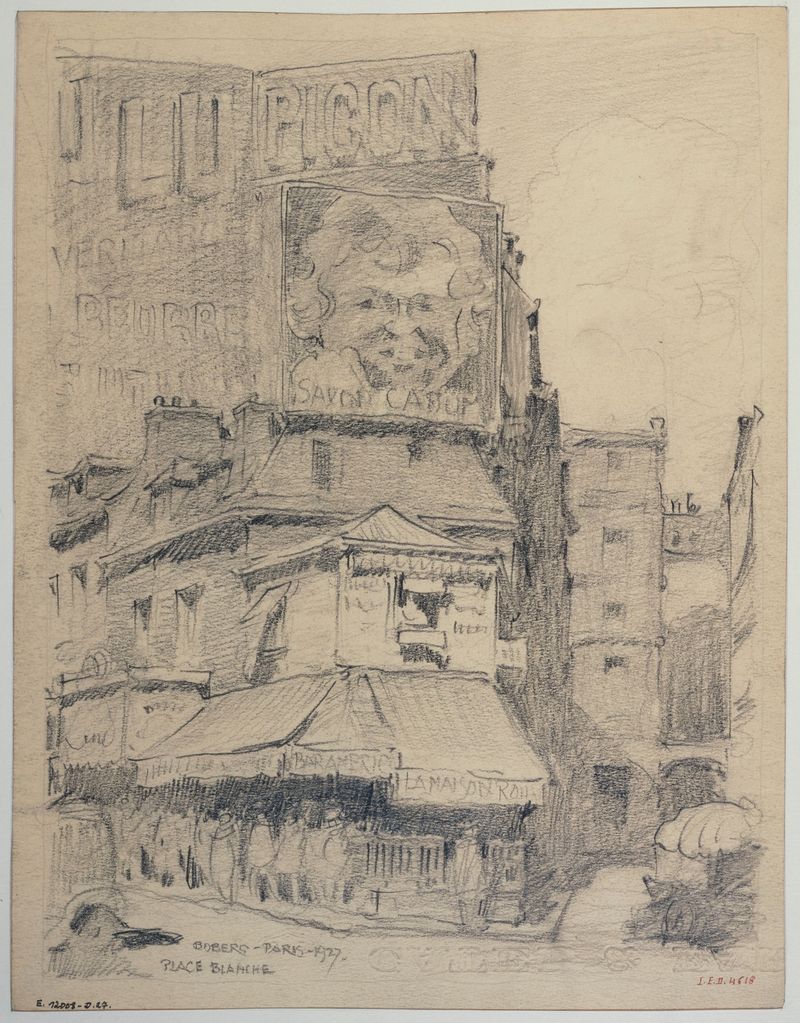
La place Blanche
Ferdinand Boberg





