
La rue du Chevalier de la Barre et la rue de la Bonne — History & Facts
Is this a mirror — or a memory? In La rue du Chevalier de la Barre et la rue de la Bonne, the past and present entwine, inviting us to traverse the boundaries of time and place. Look to the left at the gentle curve of the cobblestone street, where the interplay of light and shadow creates a rhythmic pulse throughout the scene. The buildings rise like sentinels, their facades adorned in warm ochres and cool blues, drawing the eye toward the distant horizon where the sky meets the rooftops. Notice how the artist’s meticulous brushstrokes lend texture to each stone, evoking a sense of history etched into the very fabric of the city. As you absorb the scene, subtle tensions emerge.
The juxtaposition of the bustling street life against the stillness of the architecture suggests a dance between movement and permanence. The figures captured within the painting appear almost ghost-like, hinting at stories untold while their presence feels both lively and ephemeral. This duality invites viewers to ponder their own reflections against the backdrop of urban evolution. In 1926, Ferdinand Boberg was deeply engaged in exploring the changing landscapes of his native Sweden, even as Europe grappled with the aftershocks of World War I.
His work during this period reflected a desire to document the transformation of both cities and identities, capturing the essence of a world in flux. Boberg’s unique approach combined modernity with historical reverence, revealing his commitment to portraying life’s complexities through a vivid lens.
More Artworks by Ferdinand Boberg
Browse all →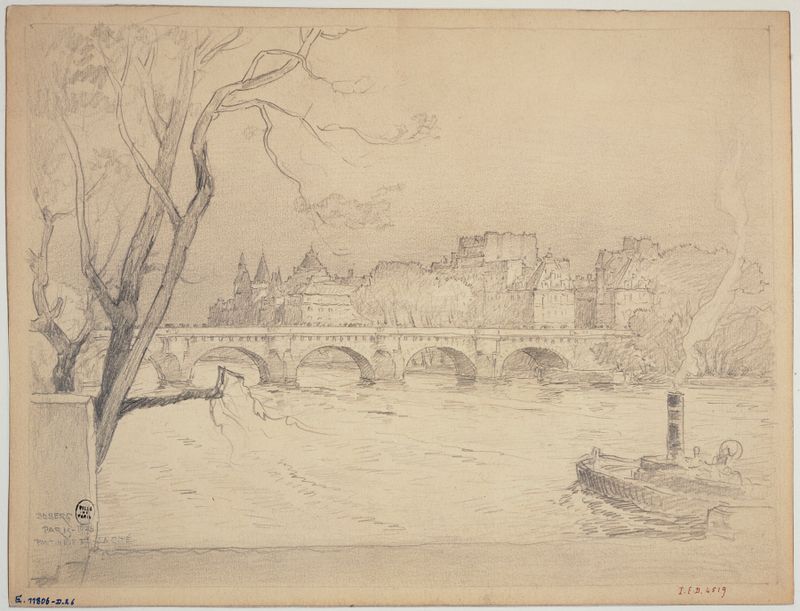
Le Pont-Neuf et la Cité
Ferdinand Boberg
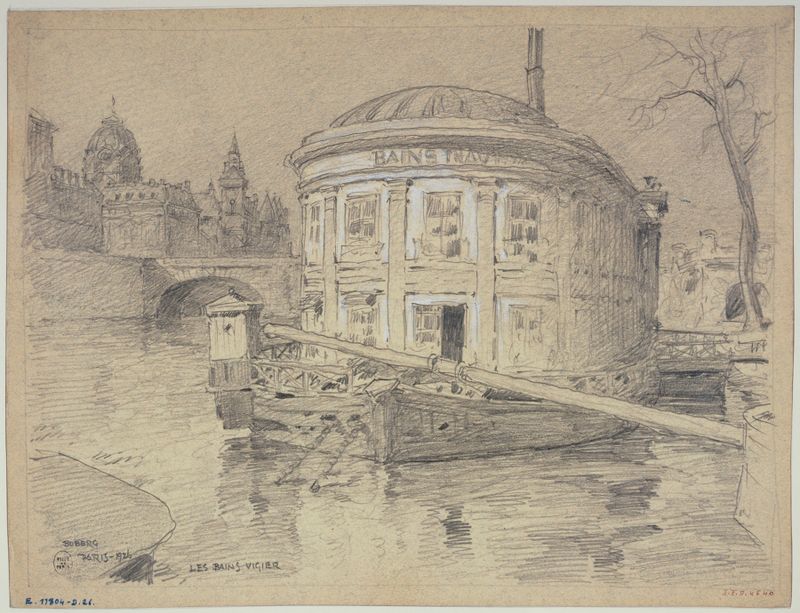
Les bains Vigier au Pont-Neuf
Ferdinand Boberg
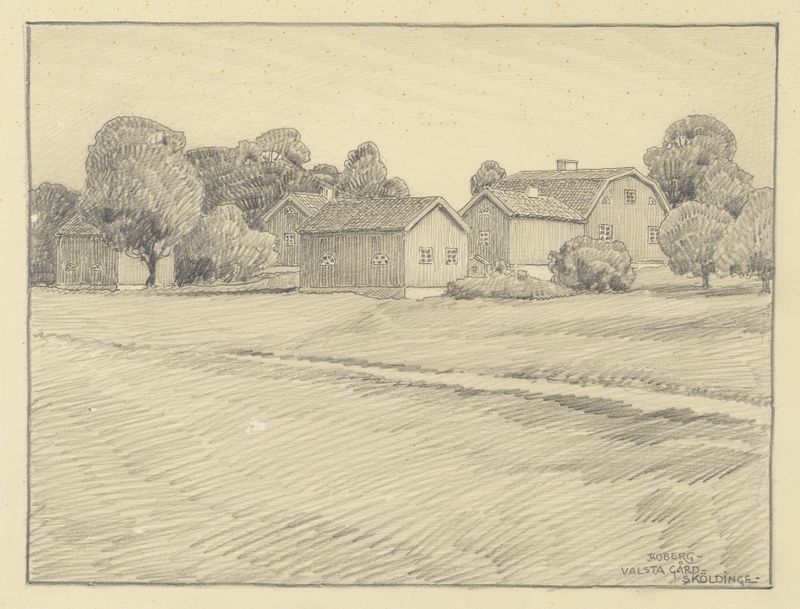
Valsta Gård
Ferdinand Boberg
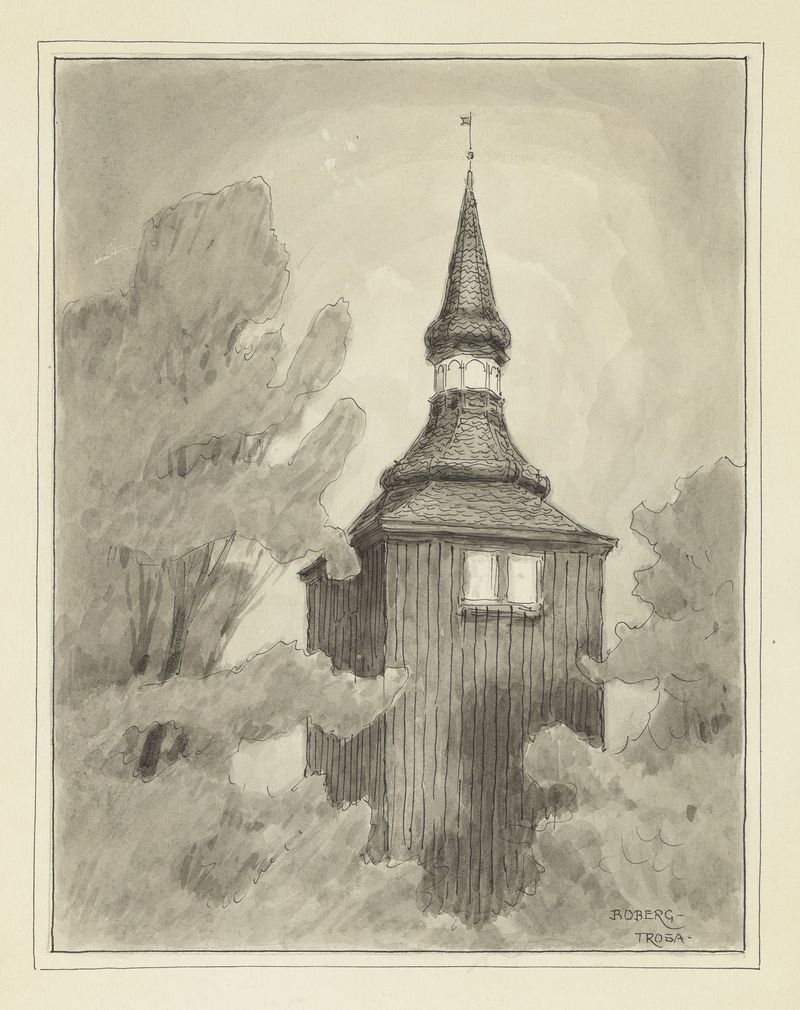
Trosa
Ferdinand Boberg
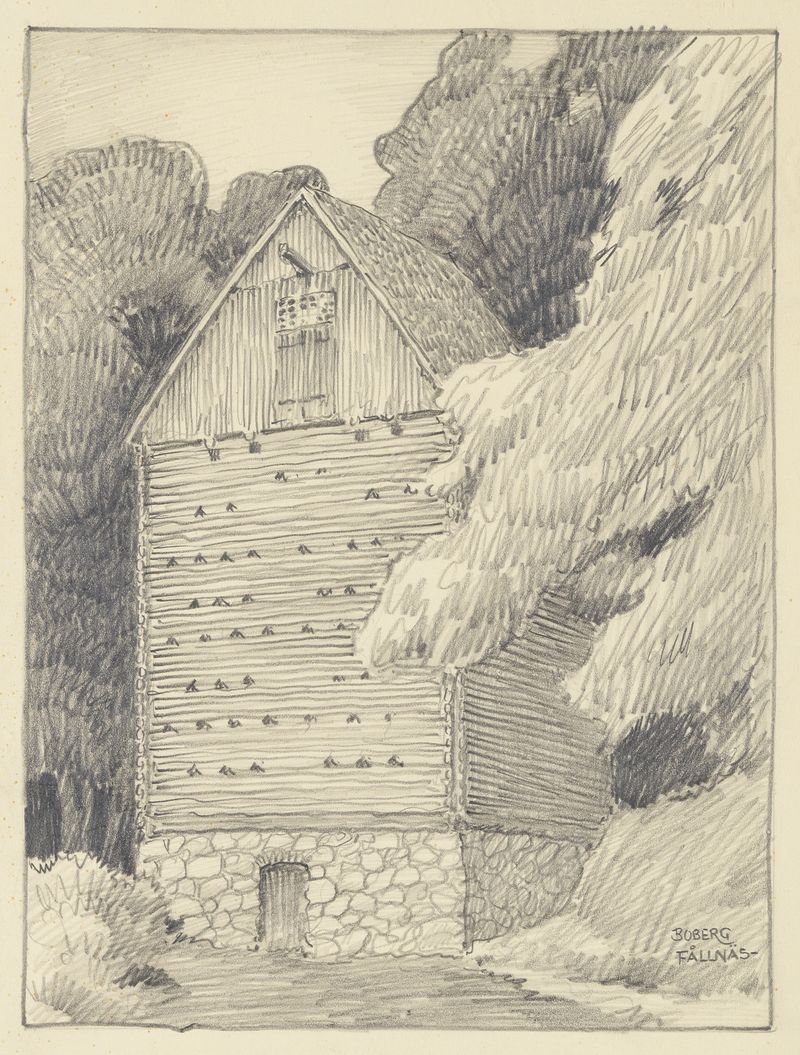
Fållnäs
Ferdinand Boberg
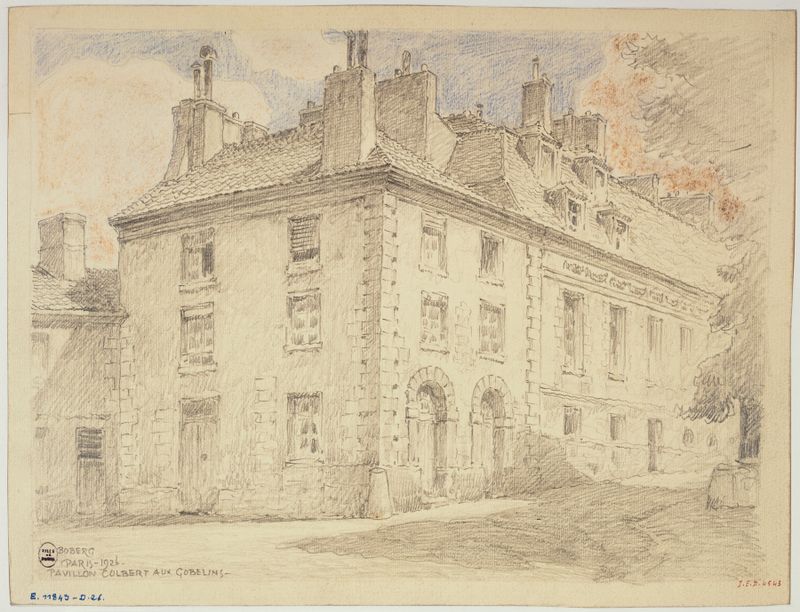
Le pavillon Colbert aux Gobelins
Ferdinand Boberg
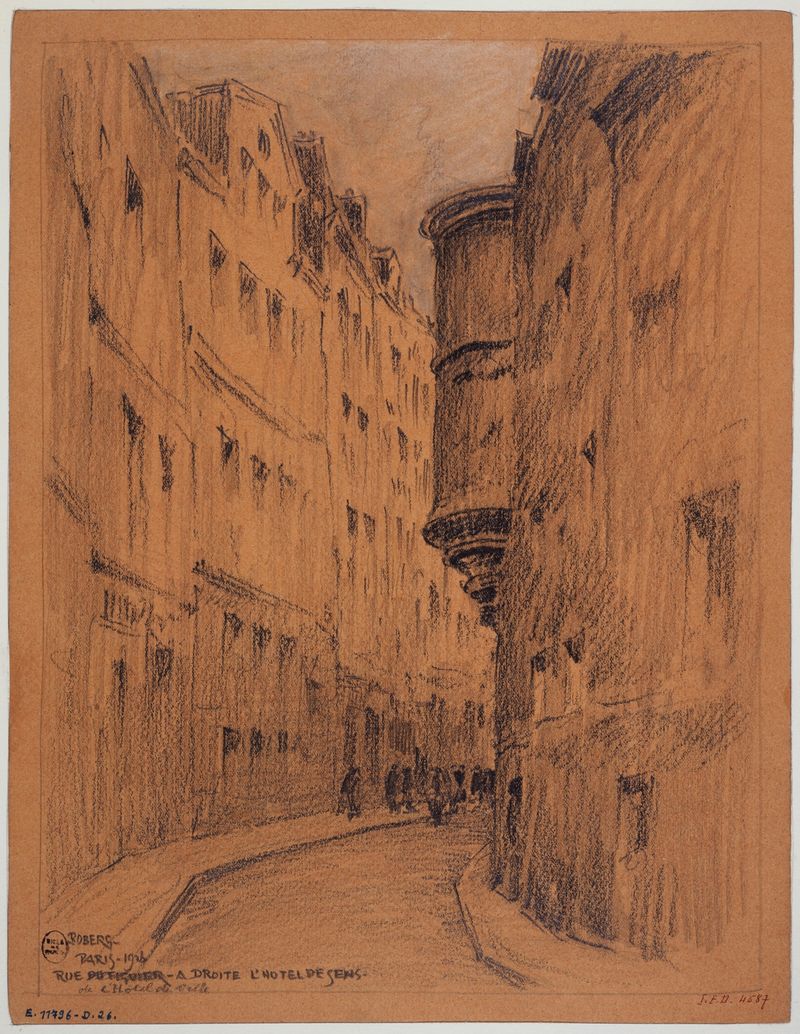
Rue de l’Hôtel de Ville; l’hôtel de Sens
Ferdinand Boberg
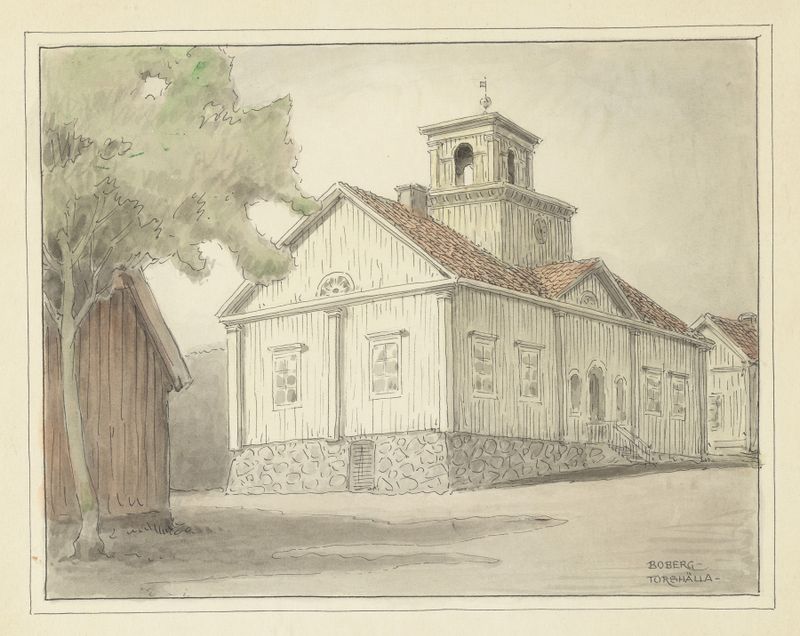
Torshälla
Ferdinand Boberg
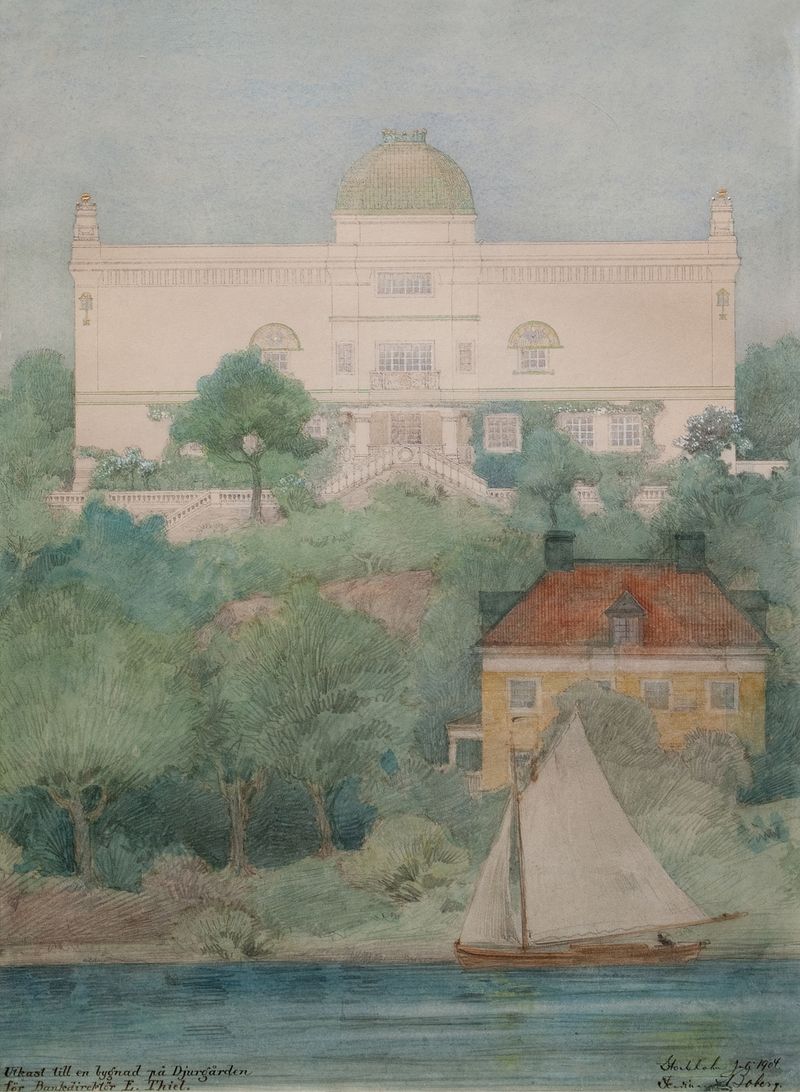
Sketch for a building for Thiel’s Gallery
Ferdinand Boberg
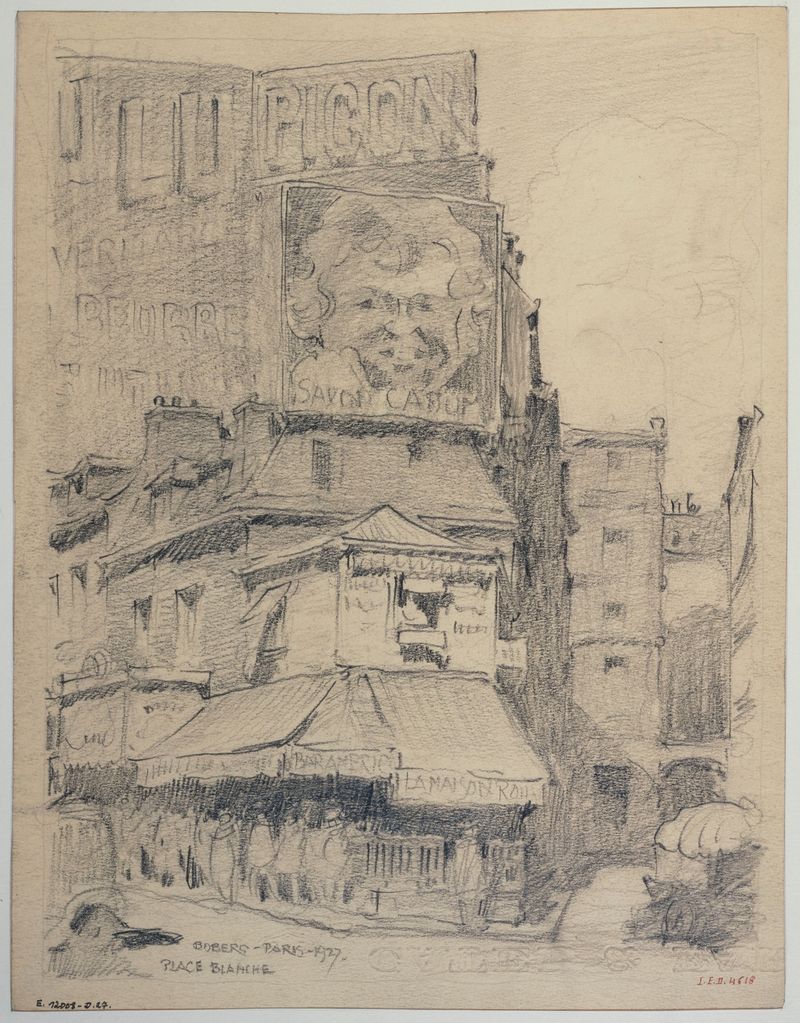
La place Blanche
Ferdinand Boberg





