
La rue du Mont-Cenis — History & Facts
In the quiet corners of our existence, where the noise of life recedes, the essence of silence becomes a canvas upon which emotions unfold. As you immerse yourself in the painting, look to the left at the gentle light cascading down the buildings, casting soft shadows that stretch like whispers across the cobblestone street. The muted palette invokes a sense of calm, while the careful strokes suggest an air of nostalgia. Notice how the architectural details emerge with precision, each line echoing the rhythm of a forgotten day.
The composition invites you to traverse the scene, guiding your gaze along the street that fades into a distant horizon, creating an illusion of infinite space. Within this serene setting lies a deeper narrative—an interplay between solitude and intimacy. The absence of figures conveys a poignant sense of isolation, while the lifeless street hints at stories untold. A single window, slightly ajar, beckons curiosity; is it an invitation to enter or a reminder of life that once flourished? Each element harmonizes to evoke a powerful stillness, making the absence of movement vibrate with emotion. Ferdinand Boberg painted La rue du Mont-Cenis in 1926 during a time of shifting artistic movements in Europe.
His work often reflected a blend of influences, including the burgeoning modernist spirit and the remnants of earlier styles. At this juncture, Boberg was exploring urban landscapes as a means of expression, capturing the essence of life in a changing world, yet remaining deeply connected to the stillness and beauty found in quiet moments.
More Artworks by Ferdinand Boberg
Browse all →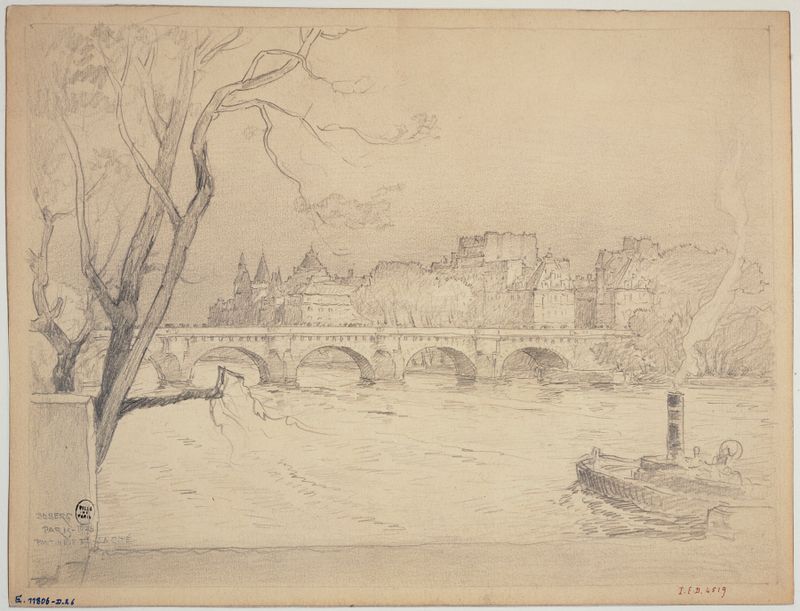
Le Pont-Neuf et la Cité
Ferdinand Boberg
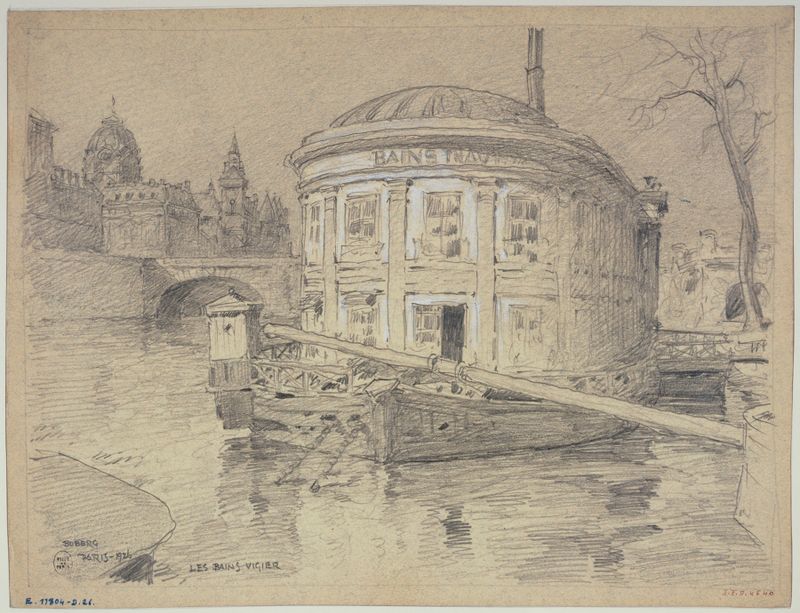
Les bains Vigier au Pont-Neuf
Ferdinand Boberg
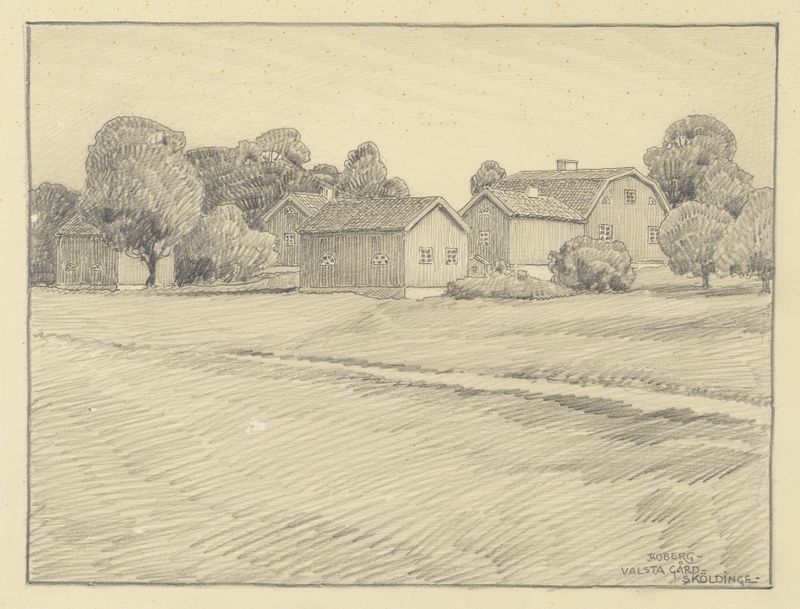
Valsta Gård
Ferdinand Boberg
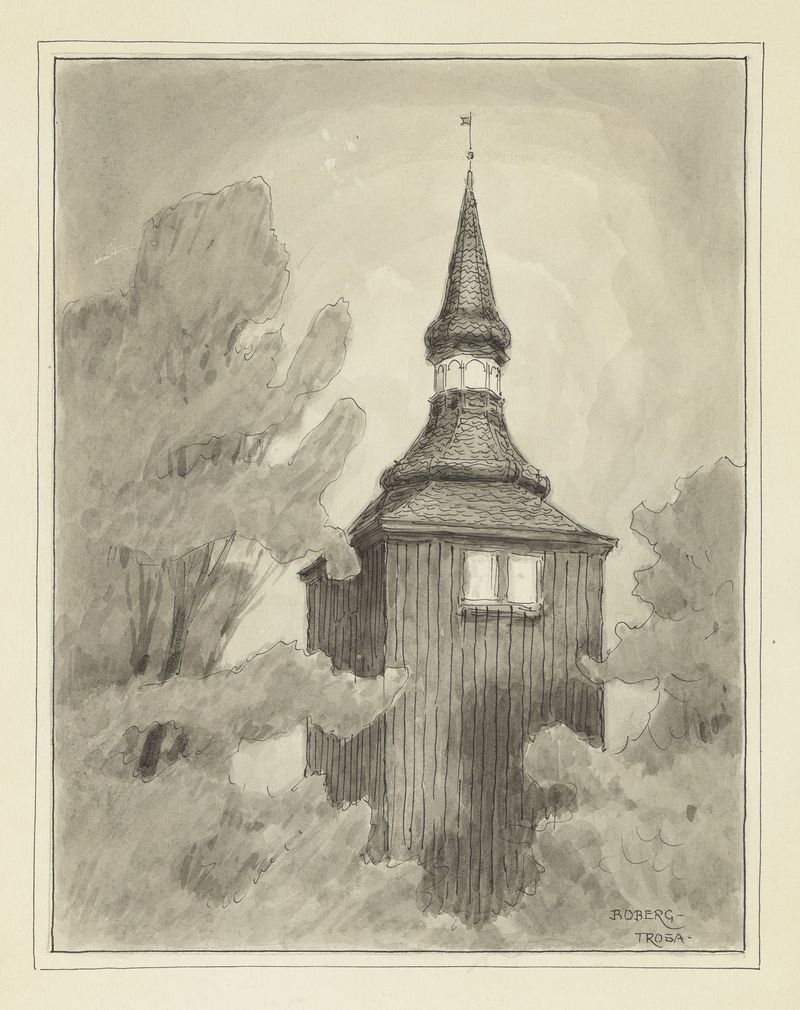
Trosa
Ferdinand Boberg
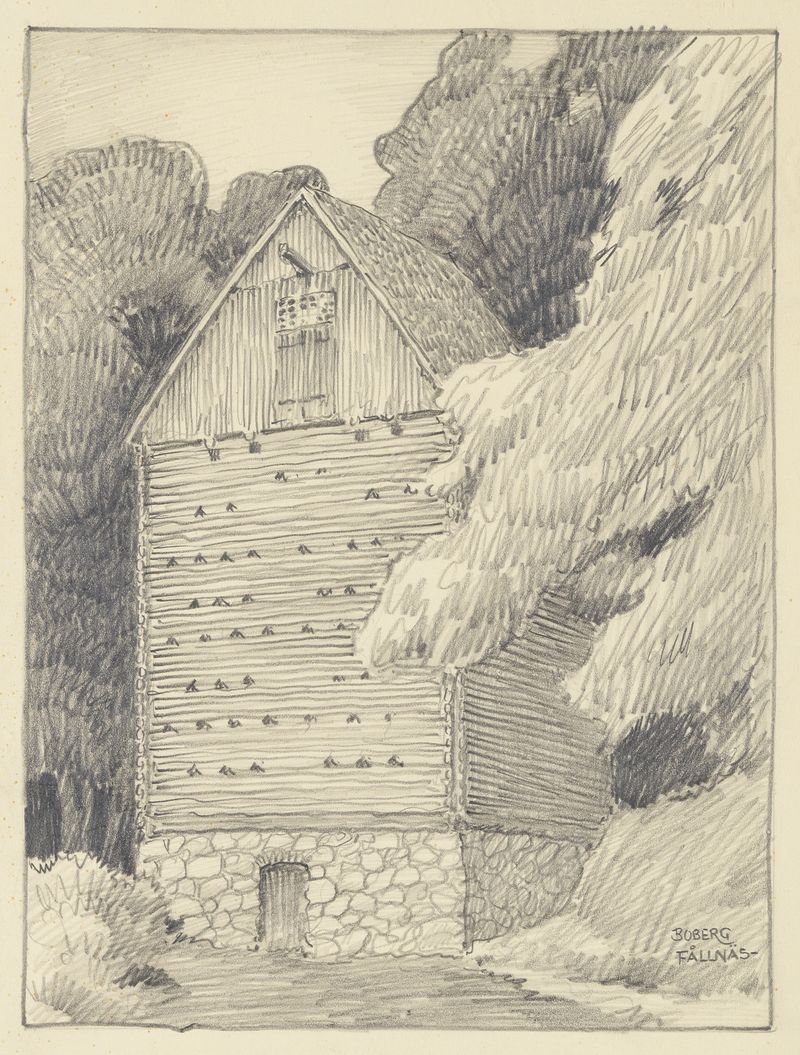
Fållnäs
Ferdinand Boberg
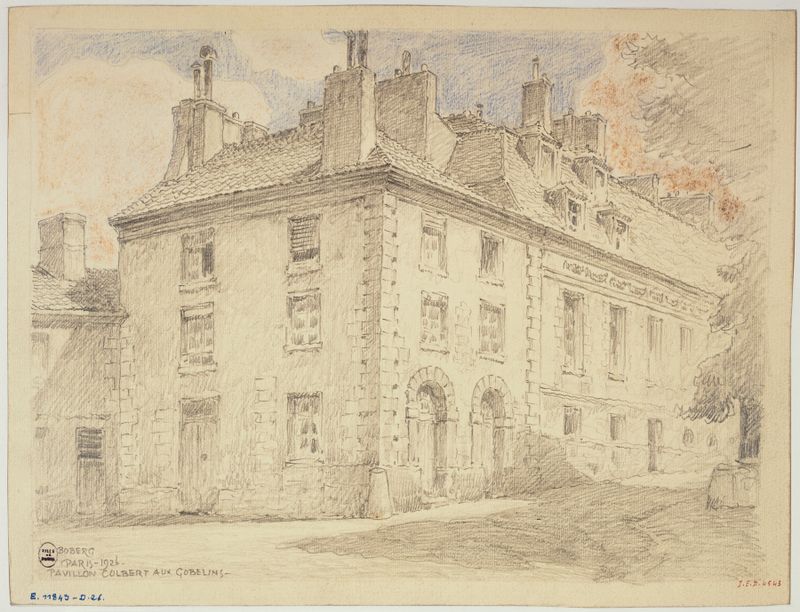
Le pavillon Colbert aux Gobelins
Ferdinand Boberg
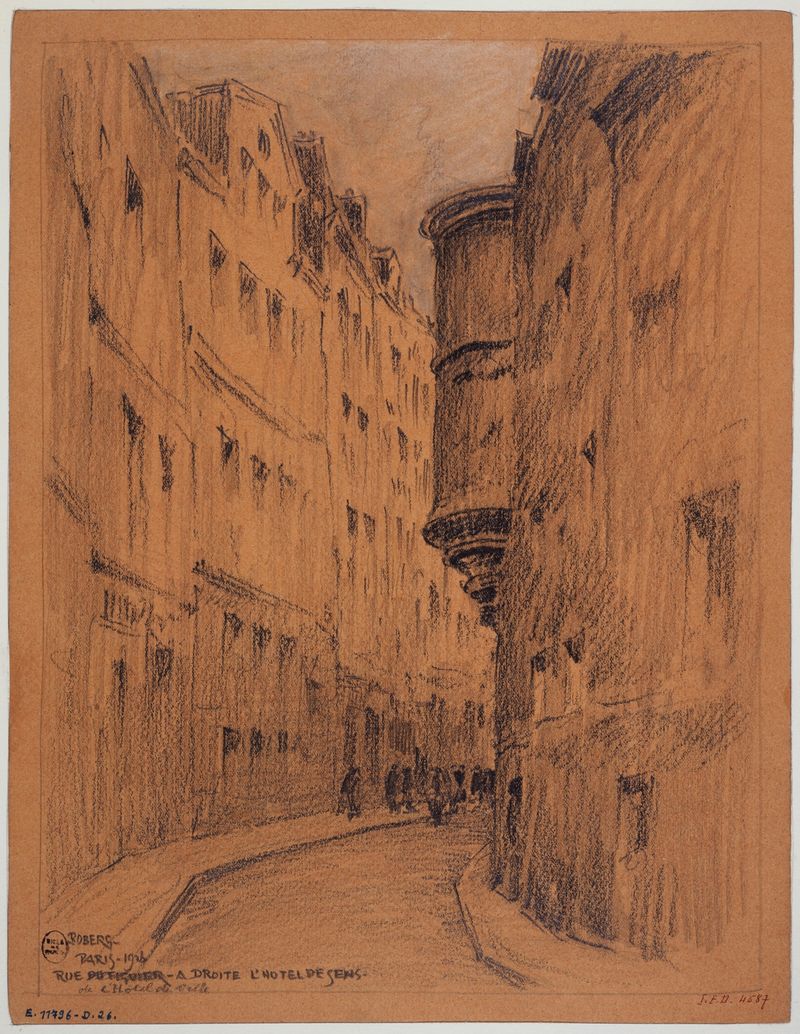
Rue de l’Hôtel de Ville; l’hôtel de Sens
Ferdinand Boberg
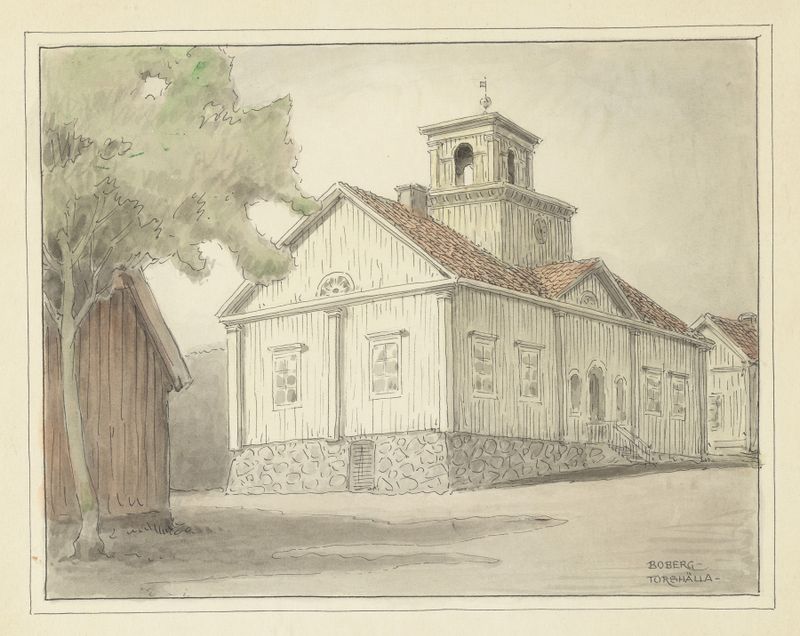
Torshälla
Ferdinand Boberg
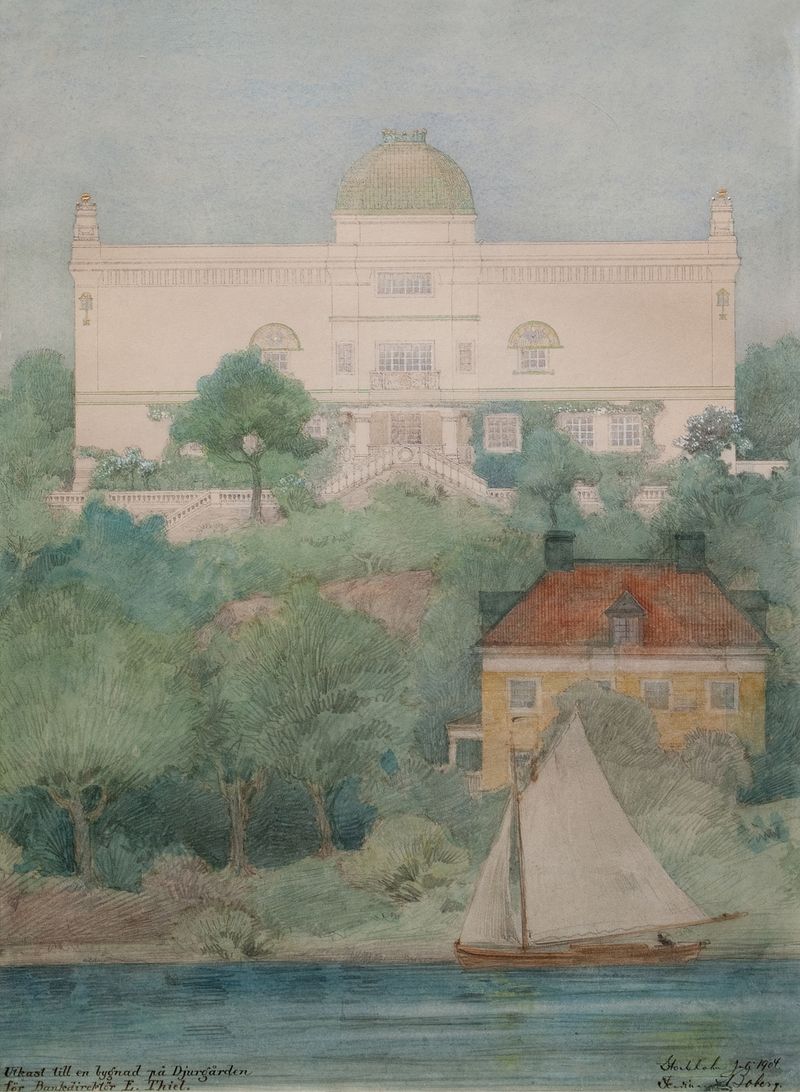
Sketch for a building for Thiel’s Gallery
Ferdinand Boberg
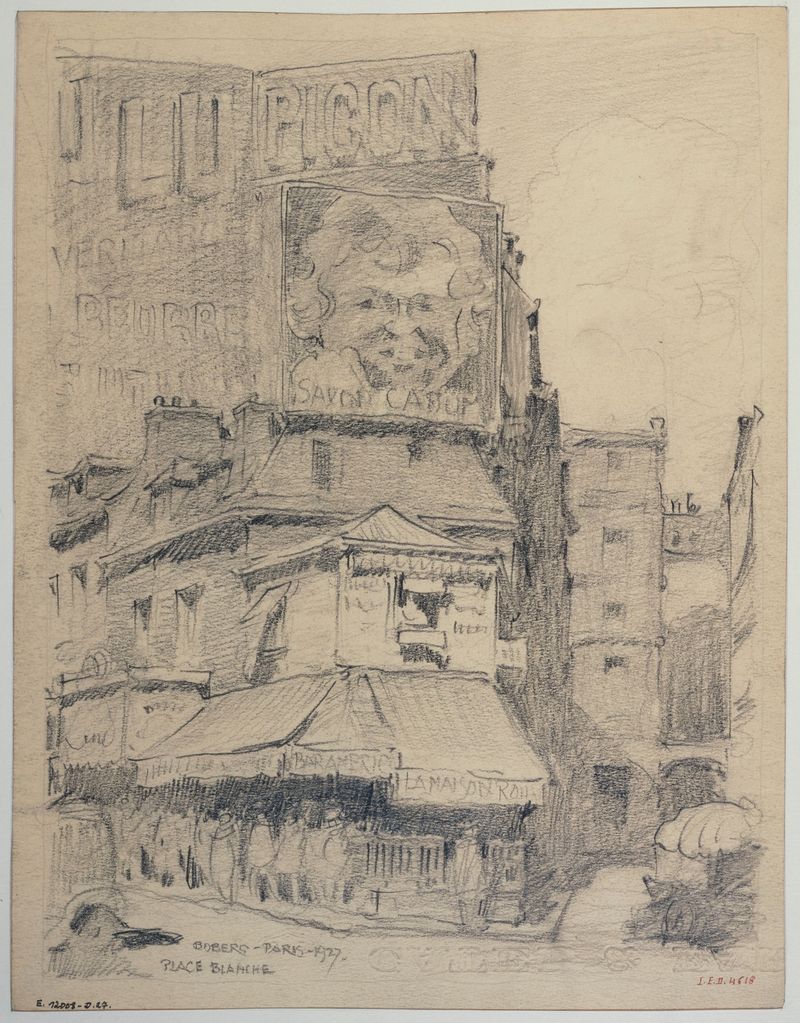
La place Blanche
Ferdinand Boberg





