
La rue Harvey et la rue du Château des Rentiers — History & Facts
Who listens when art speaks of silence? In La rue Harvey et la rue du Château des Rentiers, the whispers of decay resonate through the streets, capturing the essence of forgotten spaces and the passage of time. Look to the left at the crumbling facades of the buildings, their peeling paint revealing layers of history. Notice how the muted palette of grays and browns invites a somber atmosphere, while the stark lines of the architecture juxtapose the organic growth of weeds and vines reclaiming their territory. The composition guides the eye towards the distant horizon, where the sky’s muted tones blend seamlessly with the urban ruin, suggesting a world that continues to move on, indifferent to its surroundings. Deeper still, the artwork evokes a tension between the vibrancy of life and the inevitability of decay.
The interplay of light and shadow emphasizes this contrast, highlighting areas of neglect while also illuminating poignant details—a single flower emerging from the cracks in the pavement or the hollow windows of abandoned homes. These small gestures serve as a reminder of resilience, hinting at the stories of those who once thrived in these spaces, now overshadowed by silence. In 1926, during a period marked by reflection on modernity and the remnants of the past, the artist created this piece amidst the changing tides of urban life. Boberg, active in France and influenced by the Art Deco movement, sought to capture the duality of progress and decline.
This work stands as a testament to his keen eye for the beauty found in deterioration, a narrative crafted from the echoes of a city’s forgotten tales.
More Artworks by Ferdinand Boberg
Browse all →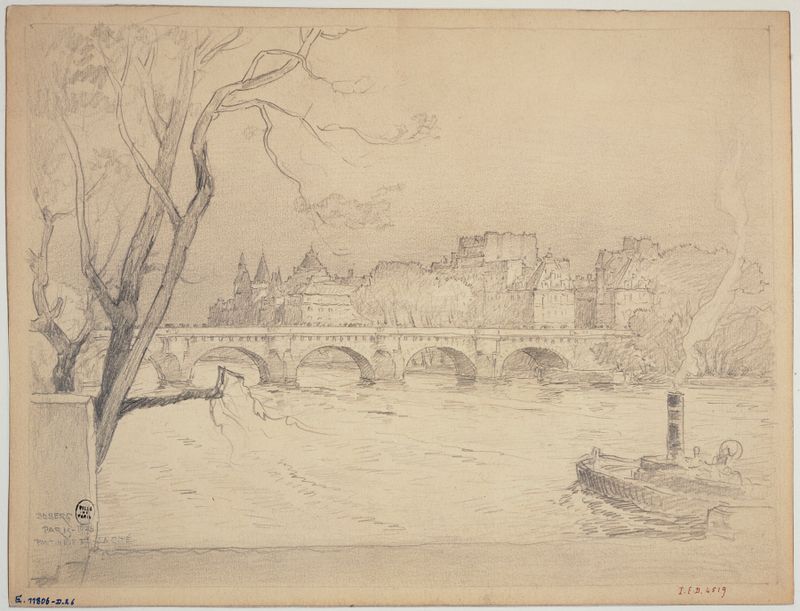
Le Pont-Neuf et la Cité
Ferdinand Boberg
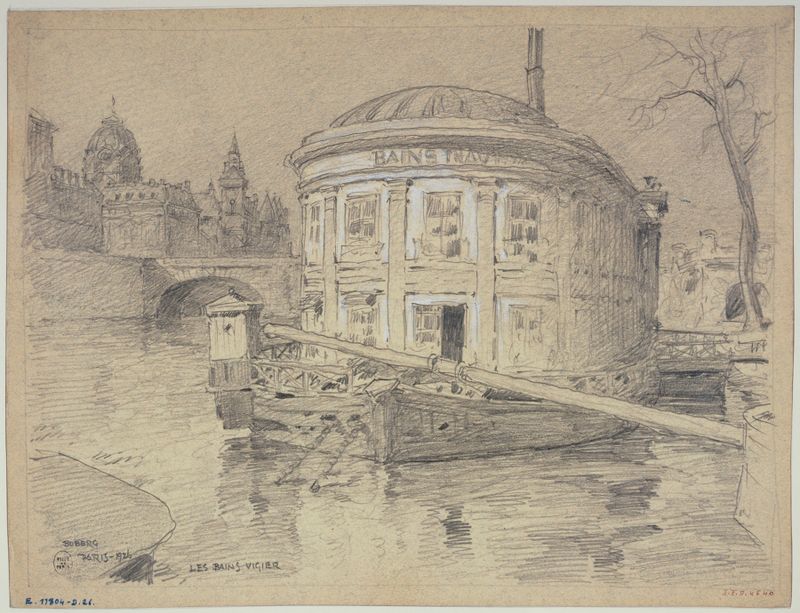
Les bains Vigier au Pont-Neuf
Ferdinand Boberg
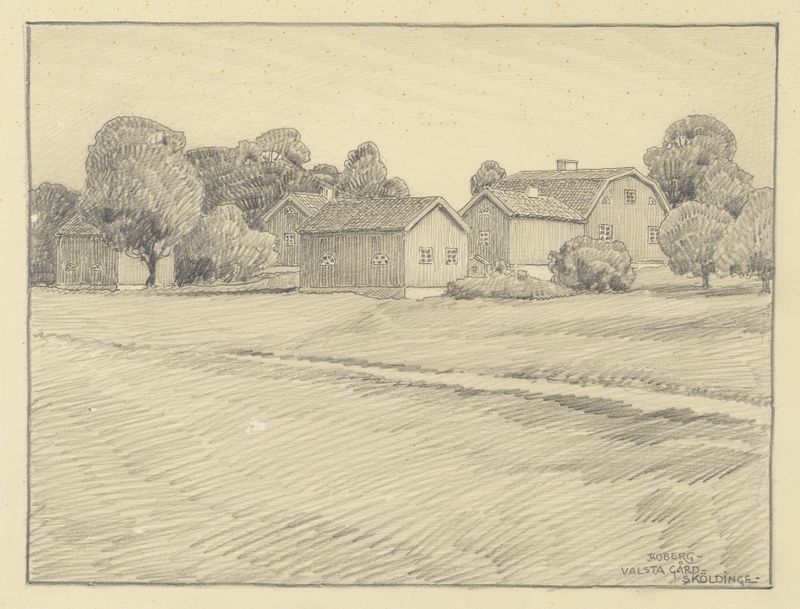
Valsta Gård
Ferdinand Boberg
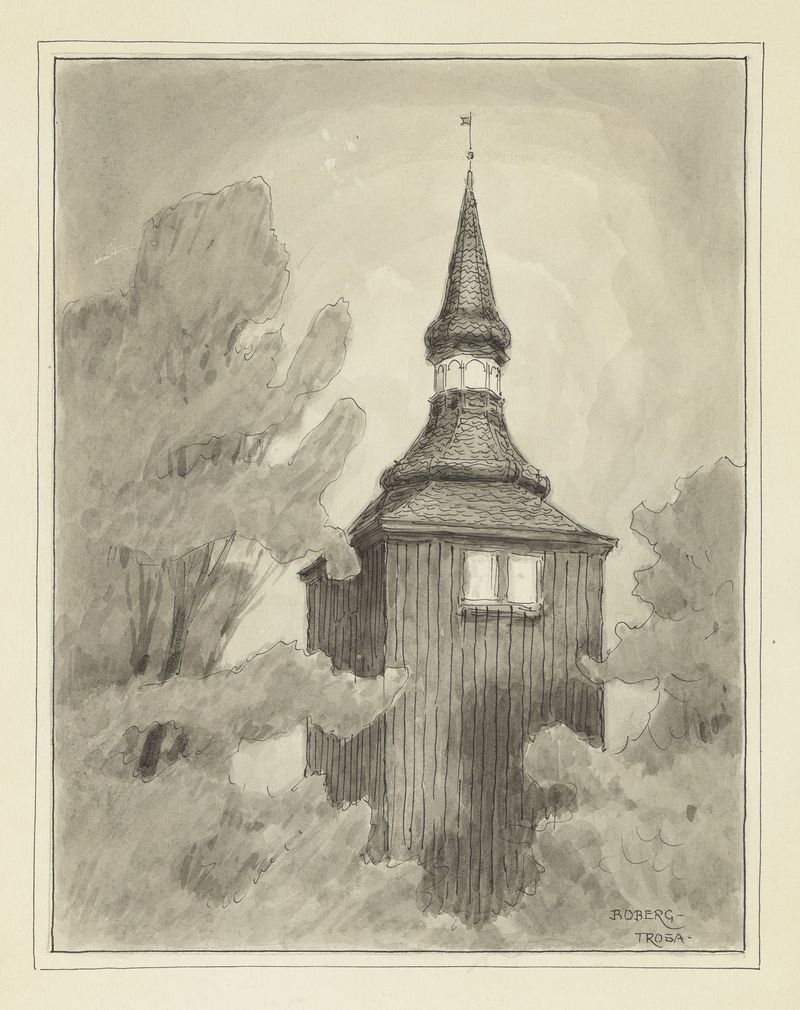
Trosa
Ferdinand Boberg
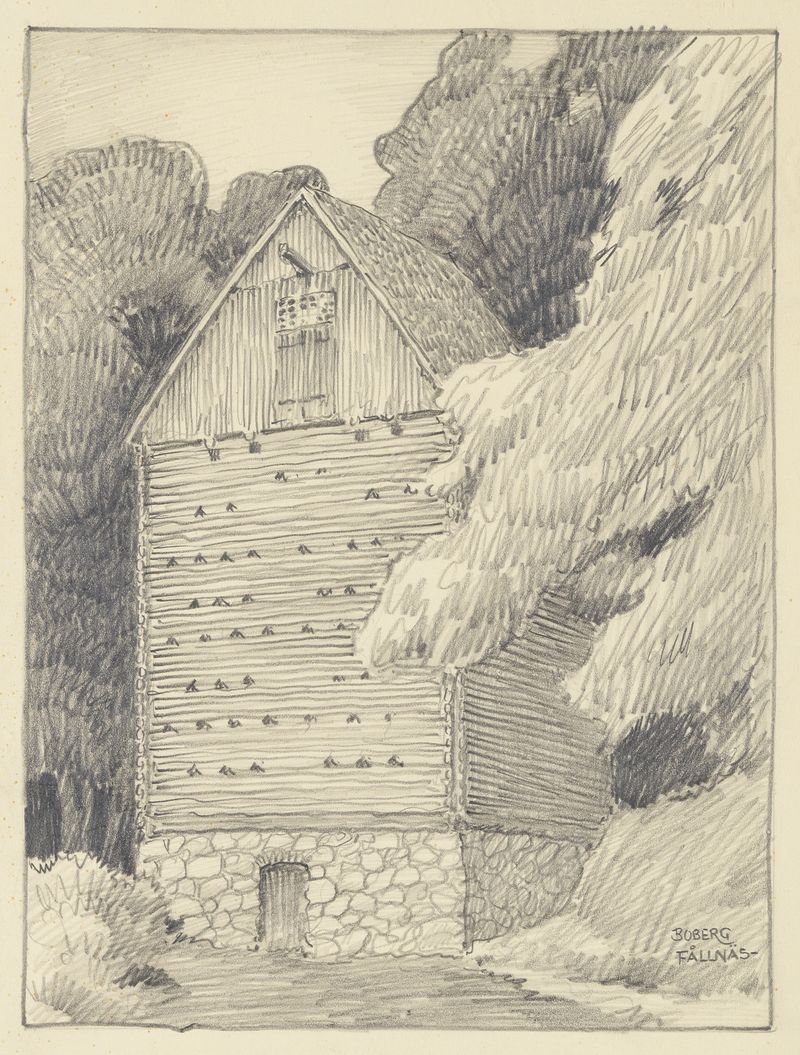
Fållnäs
Ferdinand Boberg
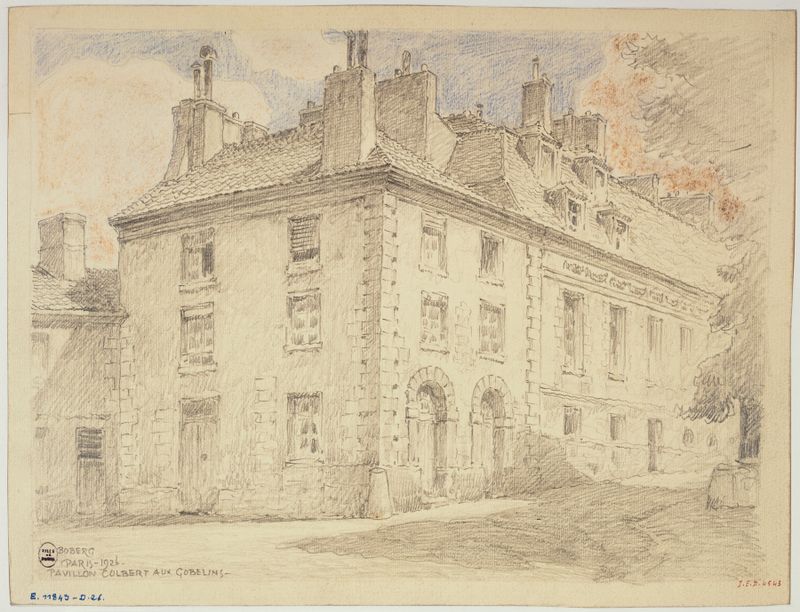
Le pavillon Colbert aux Gobelins
Ferdinand Boberg
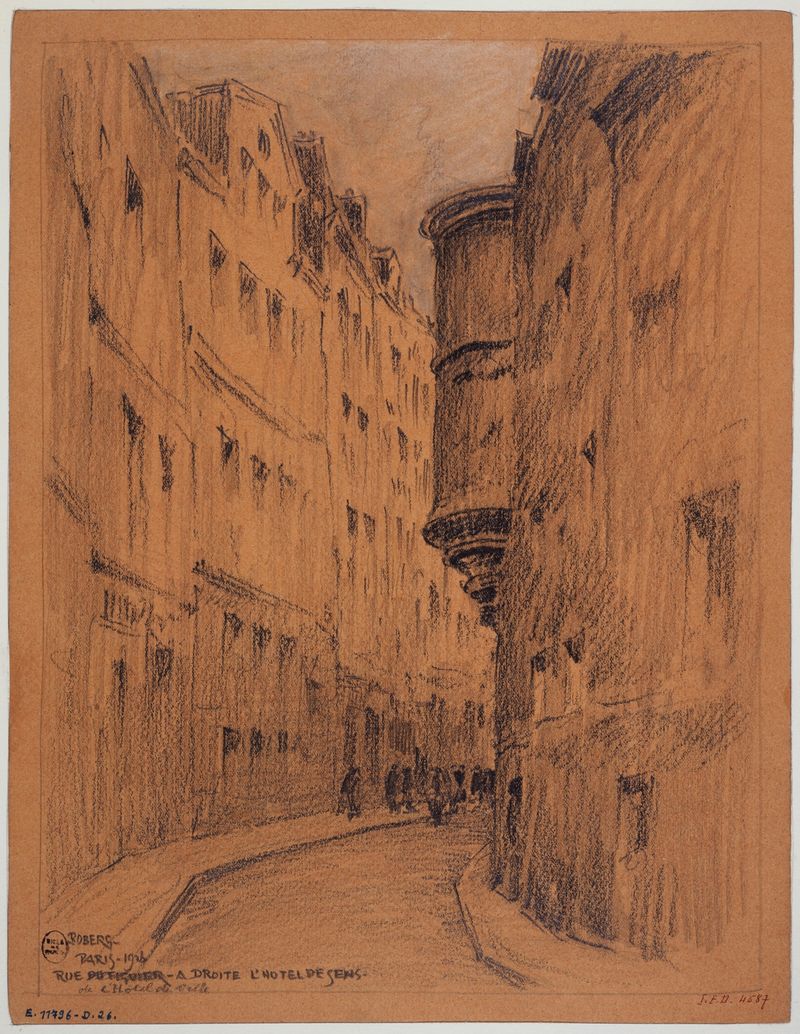
Rue de l’Hôtel de Ville; l’hôtel de Sens
Ferdinand Boberg
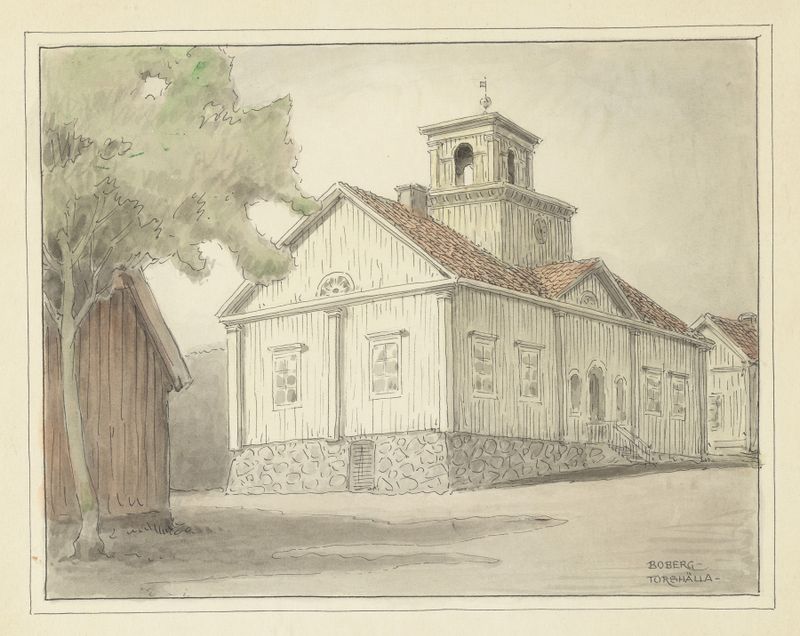
Torshälla
Ferdinand Boberg
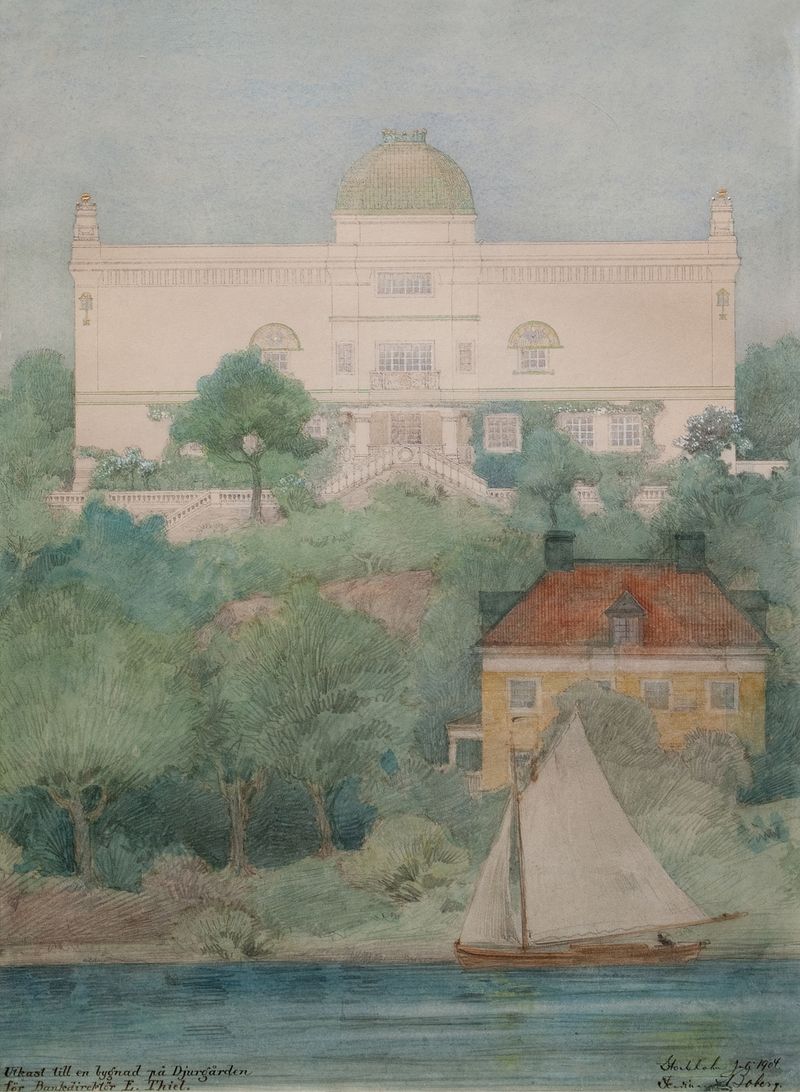
Sketch for a building for Thiel’s Gallery
Ferdinand Boberg
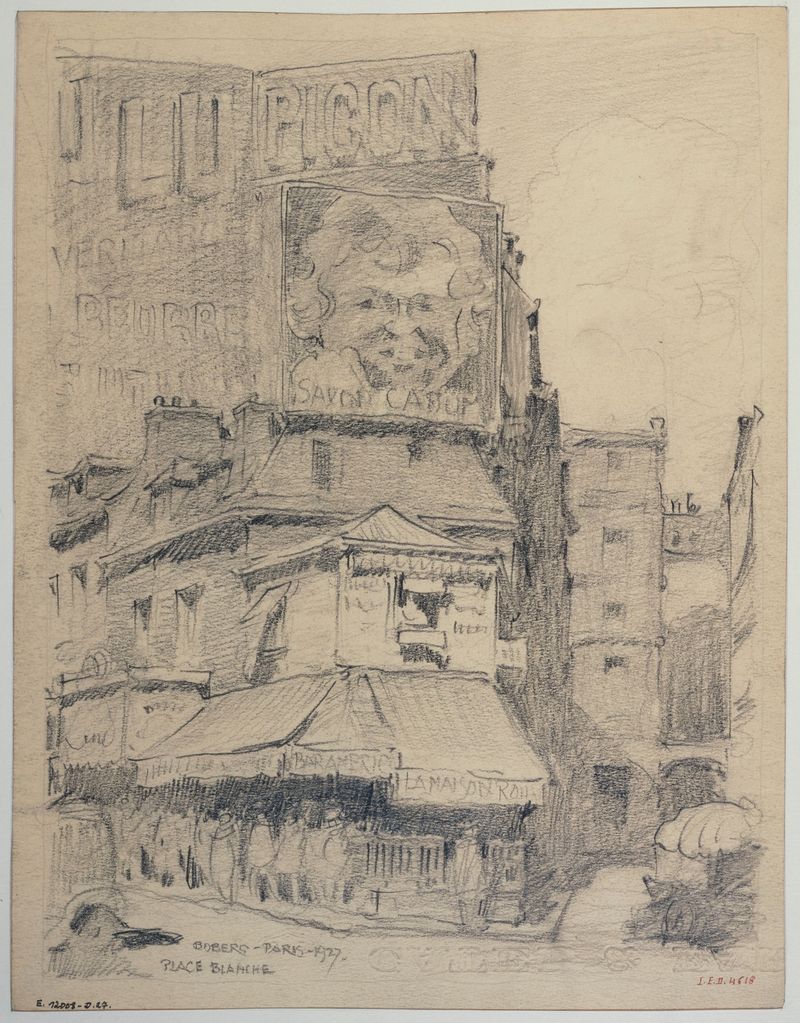
La place Blanche
Ferdinand Boberg





