
La rue Lepic, l’angle de la rue Puget et la place Blanche — History & Facts
Can beauty exist without sorrow? The tension between joy and melancholy resonates deeply in the heart of urban life, revealing the divine in the everyday. Look to the left at the bustling angle where two streets converge, capturing the essence of late 19th-century Paris. The vibrant colors evoke a sense of movement, while the careful play of light creates an inviting warmth, drawing you closer to the scene. Notice how the cobblestones glisten, kissed by the golden glow of the setting sun, as figures clad in period attire weave through the streets, a dance of existence. Beneath the surface, there’s a quiet dialogue between the urban landscape and the people inhabiting it.
The contrast of the lively crowd against the stillness of the buildings suggests a fleeting beauty, hinting at the transience of life. The artist’s delicate brushstrokes convey a sense of divinity that envelops the mundane; each figure a testament to the joys and sorrows that define human experience. Shadows linger, reminding us that even in moments of vibrancy, the weight of the world remains ever-present. Louis Abel-Truchet painted this scene in 1890 during a period of artistic exploration in Paris.
Influenced by the Impressionist movement, he sought to capture the nuances of light and color that defined his city. At the time, Paris was alive with cultural change, and Abel-Truchet, emerging as a respected figure, embraced the beauty and complexity that surrounded him, immortalizing the essence of urban life in his work.
More Artworks by Louis Abel-Truchet
Browse all →
Le boulevard de Clichy
Louis Abel-Truchet
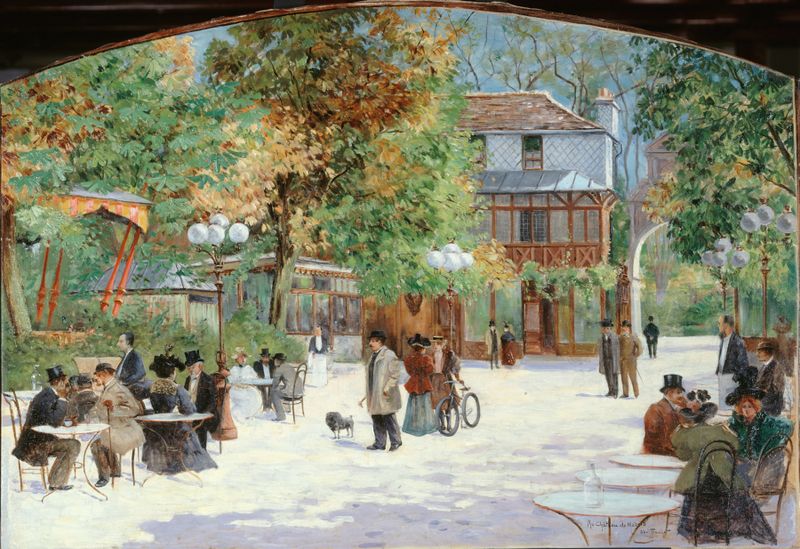
Au Chalet du Château de Madrid, au Bois de Boulogne
Louis Abel-Truchet

Le Jardin
Louis Abel-Truchet
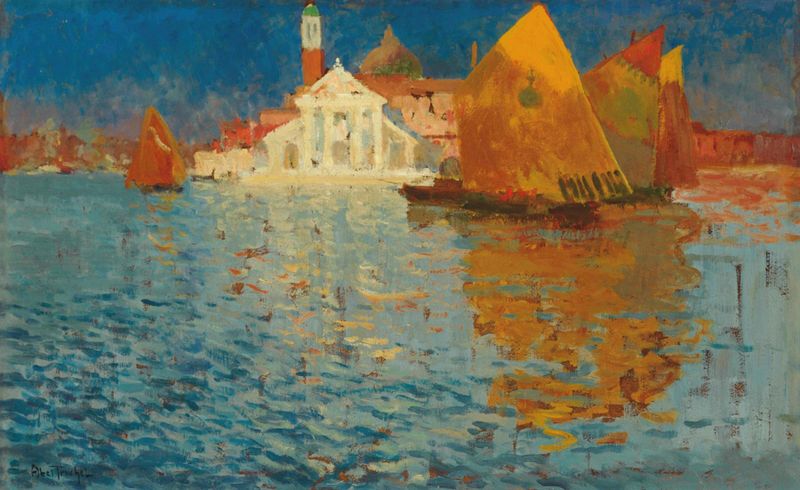
Vessels before San Giorgio Maggiore, Venice
Louis Abel-Truchet

Fairground With The Sacré-Coeur In The Background
Louis Abel-Truchet
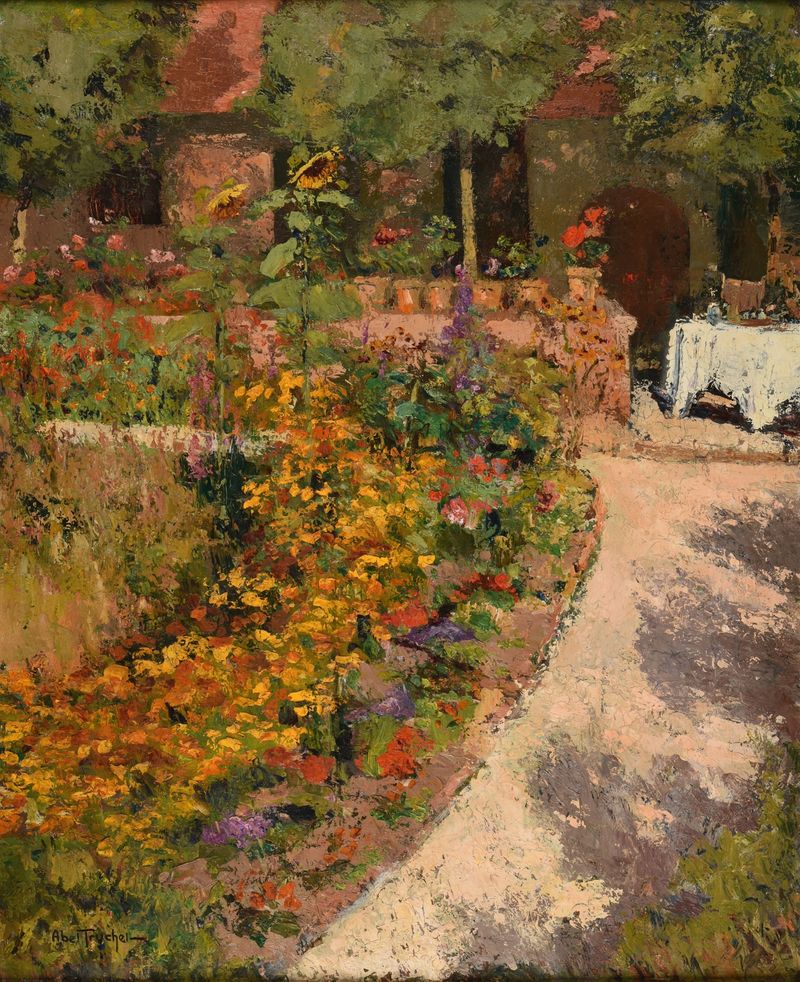
Pergola ; jardin fleuri
Louis Abel-Truchet
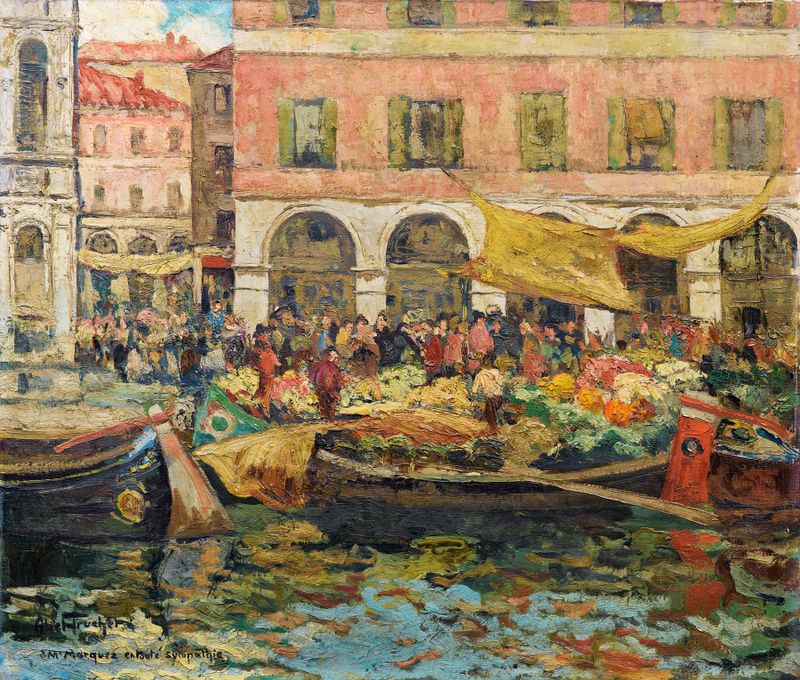
The Vegetable Market In Venice
Louis Abel-Truchet





