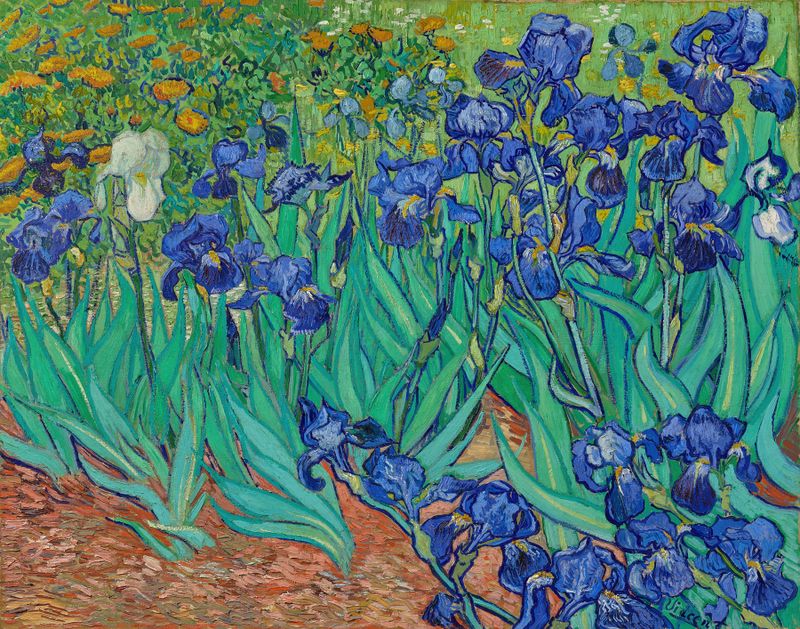
Le Jardin — History & Facts
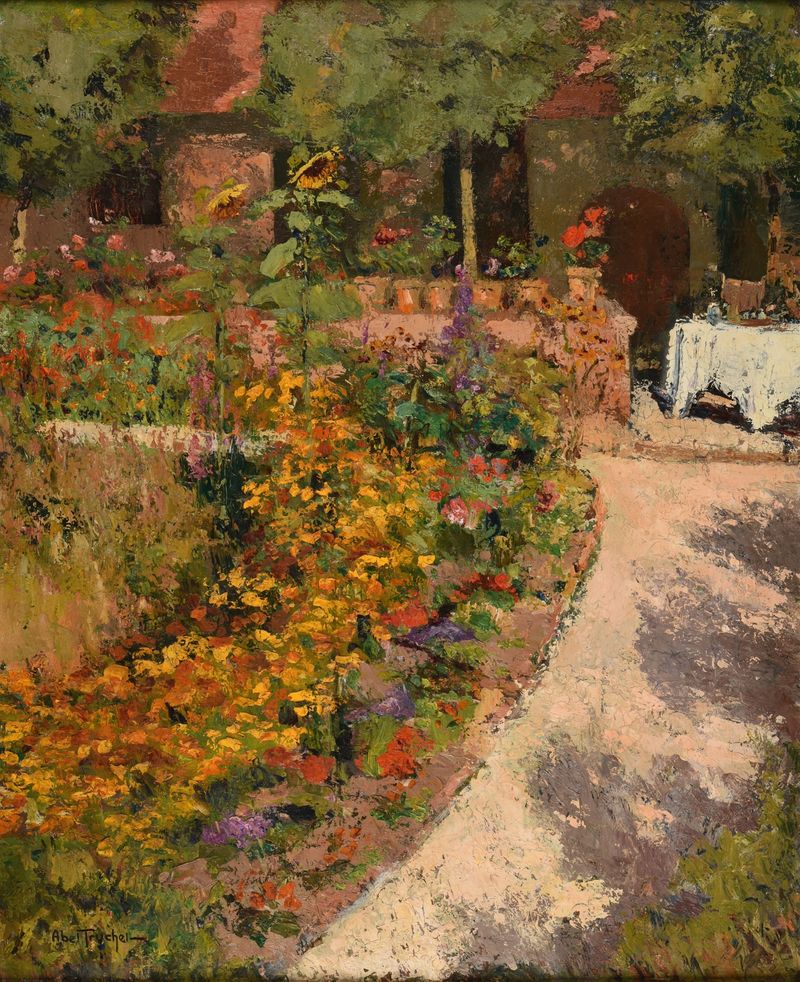
Silence resonates within the stillness of Le Jardin, evoking a profound sense of introspection and tranquility that compels the viewer to linger. It beckons as a sanctuary, where the chaos of life dissipates and the quietude of nature takes center stage. Look to the foreground, where a cascade of lush greenery unfolds before your eyes. The artist’s brushstrokes create a rich tapestry of emerald and jade hues, inviting you to explore the textured foliage.
Notice how the dappled light filters through the leaves, casting playful shadows on the ground. The composed arrangement of plants, elegantly balanced, draws the gaze deeper into the serene space, amplifying the sense of harmony that pervades the scene. Beneath the surface of this idyllic garden lies a complexity of emotions. The interplay between light and shadow symbolizes the duality of solitude and connection, reflecting the artist's contemplation of nature as both a refuge and a mirror for human experience.
The slight disarray of the foliage suggests a narrative of growth and decay, echoing the cycles of life that thrive in silence, while the vibrant colors pulse with unspoken vitality. During the time Le Jardin was created, Abel-Truchet was exploring the nuances of Impressionism, influenced by the changing landscape of late 19th-century France. Though the exact date remains uncertain, it is noted that he was absorbed in the aesthetics of light and color that defined his era, striving to capture not just a moment in nature, but the essence of a tranquil escape that invites reflection in a bustling world.
More Artworks by Louis Abel-Truchet
Browse all →
Le boulevard de Clichy
Louis Abel-Truchet
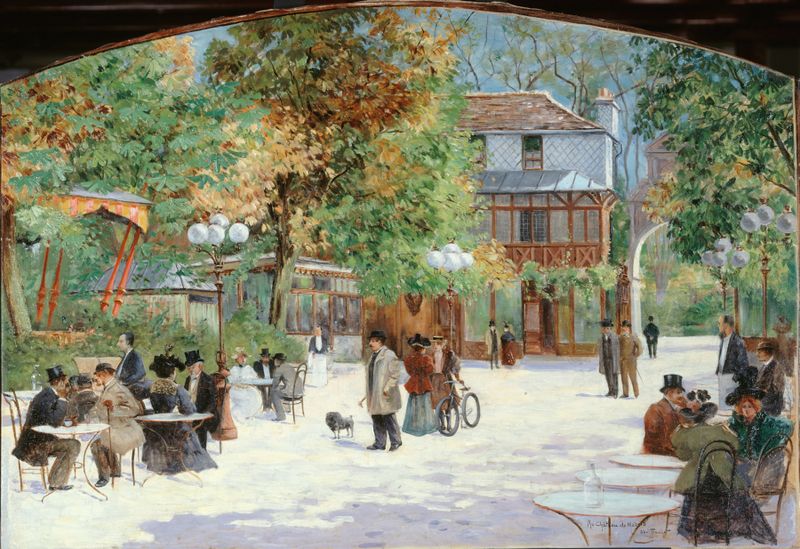
Au Chalet du Château de Madrid, au Bois de Boulogne
Louis Abel-Truchet
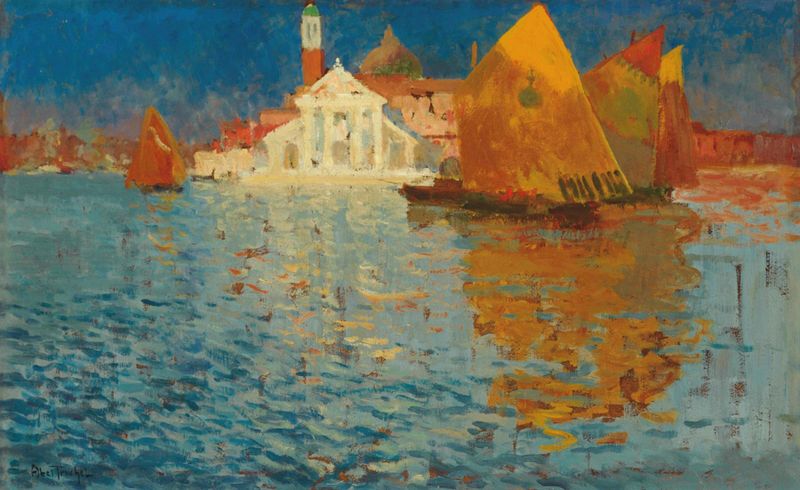
Vessels before San Giorgio Maggiore, Venice
Louis Abel-Truchet

Fairground With The Sacré-Coeur In The Background
Louis Abel-Truchet
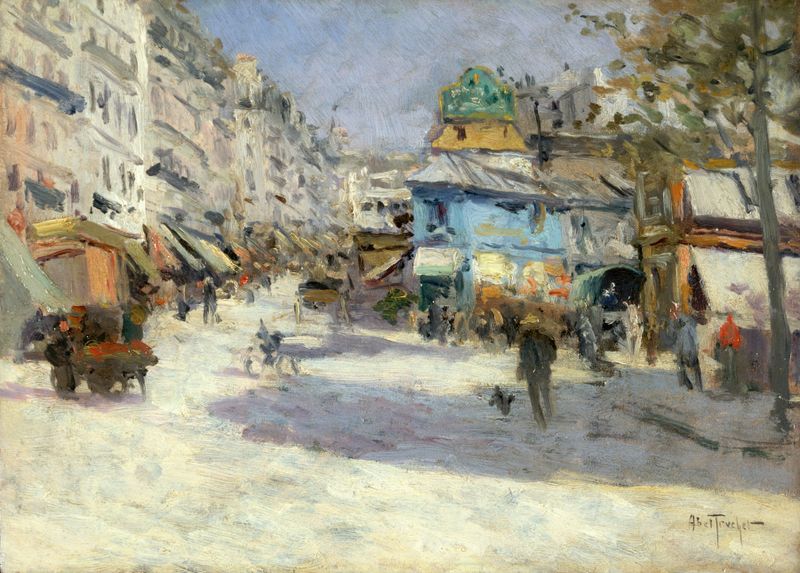
La rue Lepic, l’angle de la rue Puget et la place Blanche
Louis Abel-Truchet
Pergola ; jardin fleuri
Louis Abel-Truchet
The Vegetable Market In Venice
Louis Abel-Truchet