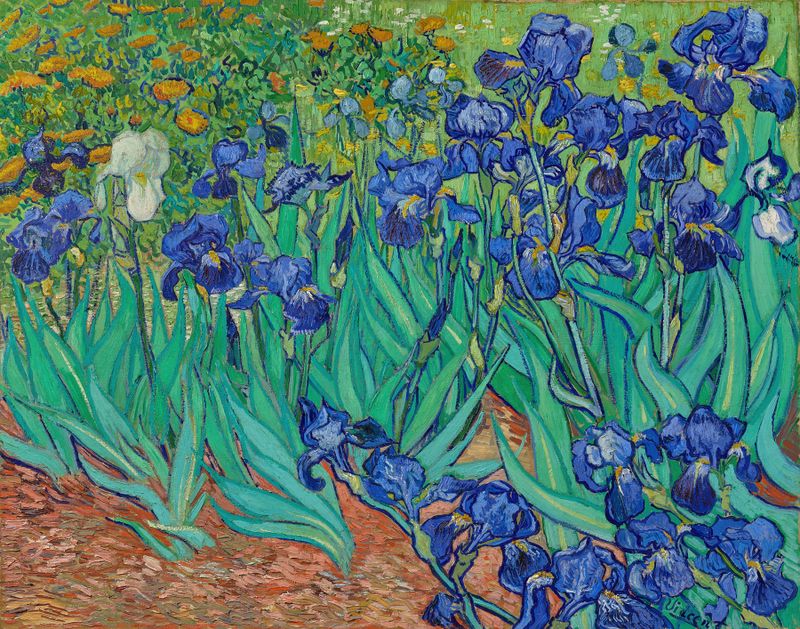
Pergola ; jardin fleuri — History & Facts
How do we reconcile beauty with the tempest of creation? This question dances in the vibrant hues of the painting before us. Look to the center where lush greenery bursts forth, a riot of color that draws the eye into a kaleidoscope of blooms and foliage. Notice how the delicate strokes, seemingly spontaneous, create a rhythm of movement among the flowers, each petal rendered with a light touch that belies the underlying tension. The pergola, an architectural element of structure, stands resolute but entwined in the chaos of nature, illustrating the balance between order and wildness. Yet, there’s more to this scene than mere aesthetic pleasure.
Consider the shadowed corners where light struggles to reach; they evoke a sense of hidden conflict, hinting at the violence of nature's relentless growth. The palette—rich violets, fiery reds, and tranquil greens—creates an emotional resonance, as if the flowers themselves are witnesses to the storm of creation, their beauty born from struggle. This juxtaposition of serenity and upheaval speaks to life’s duality, revealing the harshness that often underlies exquisite beauty. Louis Abel-Truchet painted this work before 1906, during a period when he was establishing himself within the French art scene, experimenting with impressionistic techniques.
His focus on the interplay of light and shadow mirrors the evolving artistic movements of the time, influenced by the desire to capture fleeting moments. The world was shifting, with a burgeoning interest in the juxtaposition of nature and form, setting the stage for his exploration of both chaos and grace in this vibrant garden.
More Artworks by Louis Abel-Truchet
Browse all →
Le boulevard de Clichy
Louis Abel-Truchet
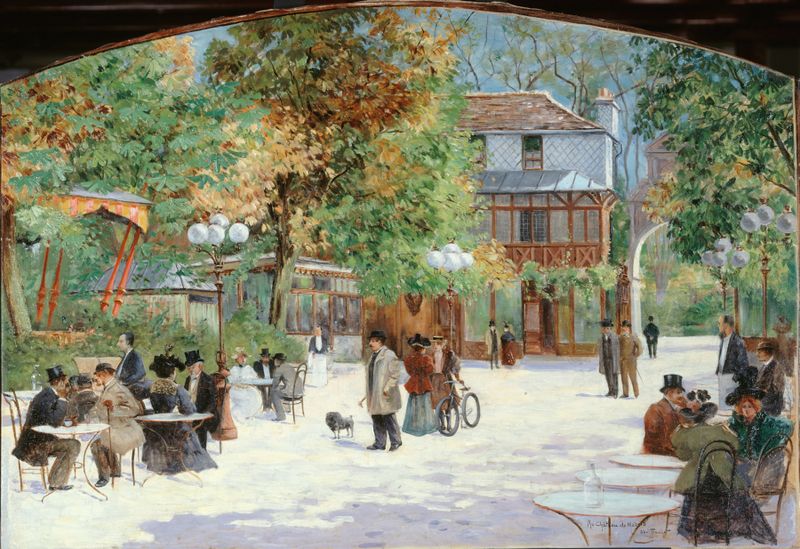
Au Chalet du Château de Madrid, au Bois de Boulogne
Louis Abel-Truchet

Le Jardin
Louis Abel-Truchet
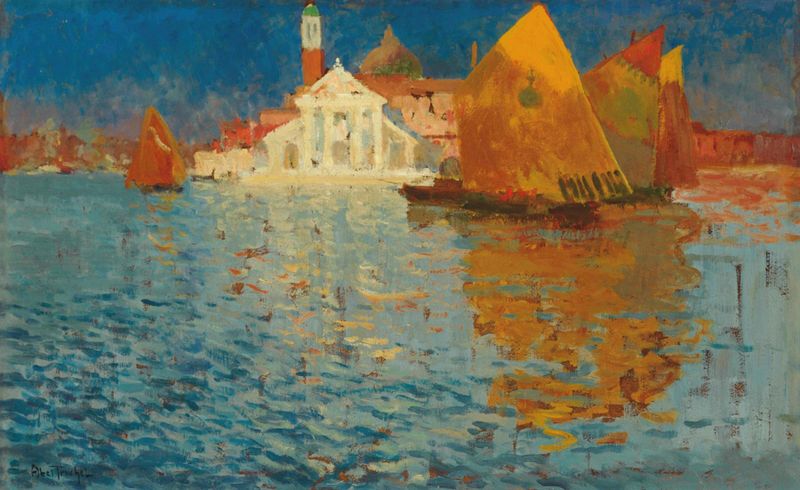
Vessels before San Giorgio Maggiore, Venice
Louis Abel-Truchet

Fairground With The Sacré-Coeur In The Background
Louis Abel-Truchet
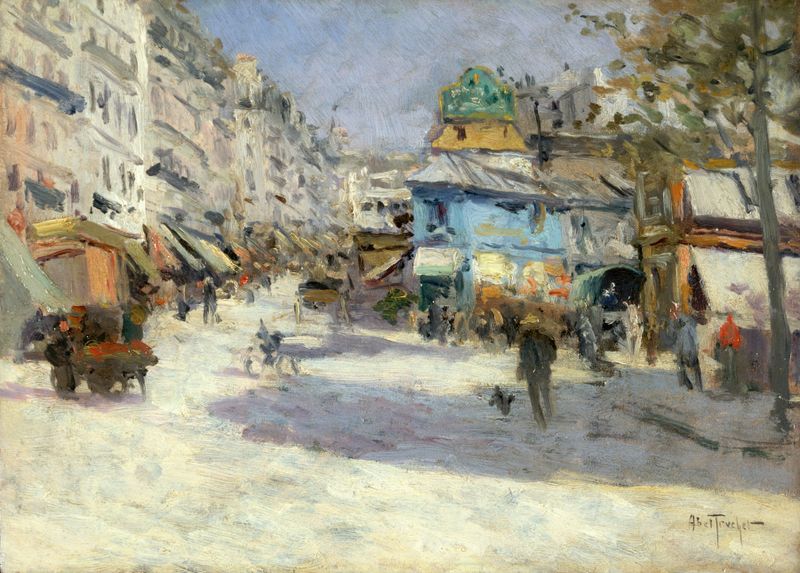
La rue Lepic, l’angle de la rue Puget et la place Blanche
Louis Abel-Truchet
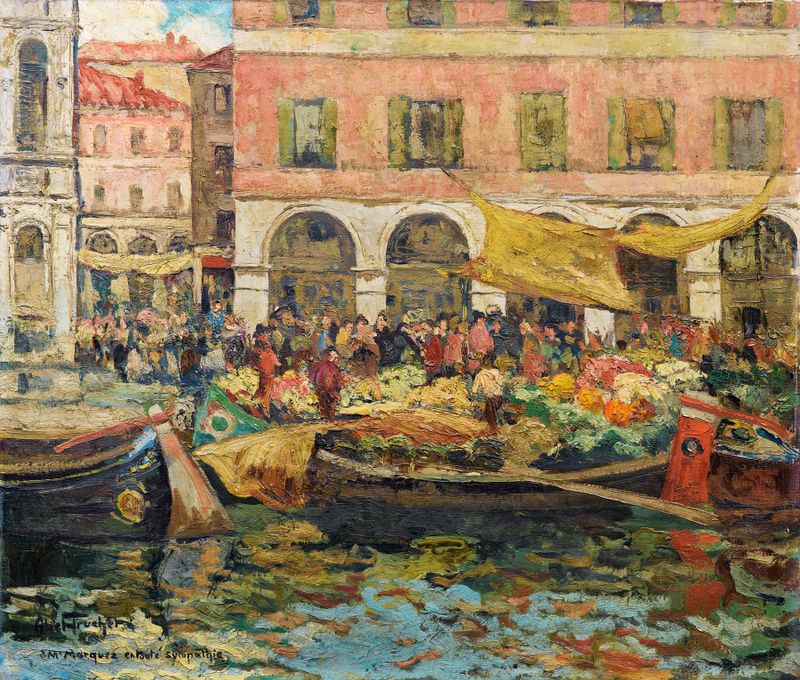
The Vegetable Market In Venice
Louis Abel-Truchet