
La rue Lhomond et la rue Amyot — History & Facts
This sentiment resonates deeply in the gentle awakening of a tranquil street, where stillness holds a promise of life yet to unfold. The painting captures a moment both ordinary and extraordinary, inviting viewers to pause and reflect on the beauty embedded in everyday scenes. Look to the left where the soft contours of the buildings rise, their warm hues mingling harmoniously with the emerging light of dawn. Notice how the artist expertly balances light and shadow, with the sun’s early rays casting a golden glow on the cobblestone path.
The gentle slope of the street draws the eye toward the horizon, suggesting an invitation to explore further and experience the awakening that lies ahead. Within the composition, contrasts breathe depth into the scene. The quiet intimacy of the street is tinged with a sense of nostalgia, echoing the unspoken stories of inhabitants long past. The delicate play of light evokes a feeling of hope and renewal, reflecting not just the physical awakening of a new day but also a metaphorical awakening of memories, aspirations, and uncharted paths. Created in 1926, during a period of artistic exploration and upheaval, the artist found inspiration in the evolving dynamics of urban life.
At this time, Ferdinand Boberg was immersed in the burgeoning movements of modernism, which sought to capture the essence of contemporary experience. His work often celebrated the intersection of nature and the manmade, highlighting the subtle beauty that emerges from the embrace of change.
More Artworks by Ferdinand Boberg
Browse all →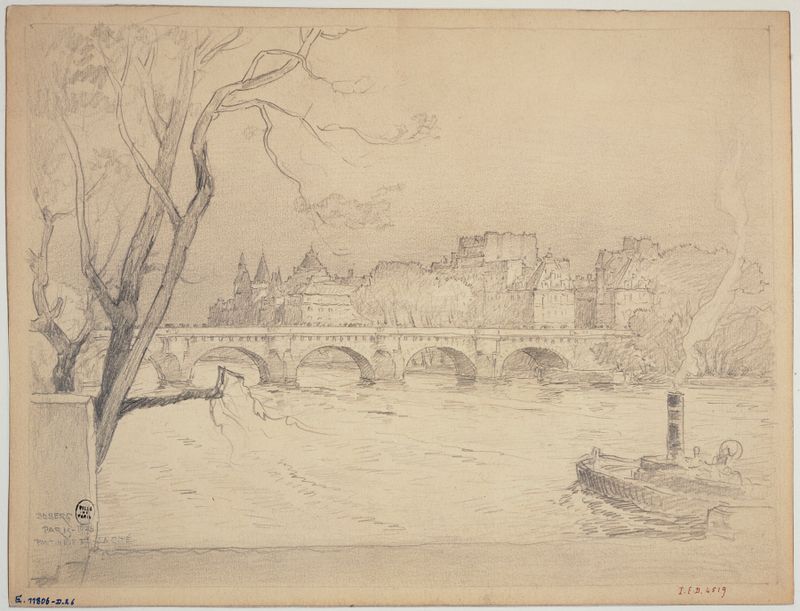
Le Pont-Neuf et la Cité
Ferdinand Boberg
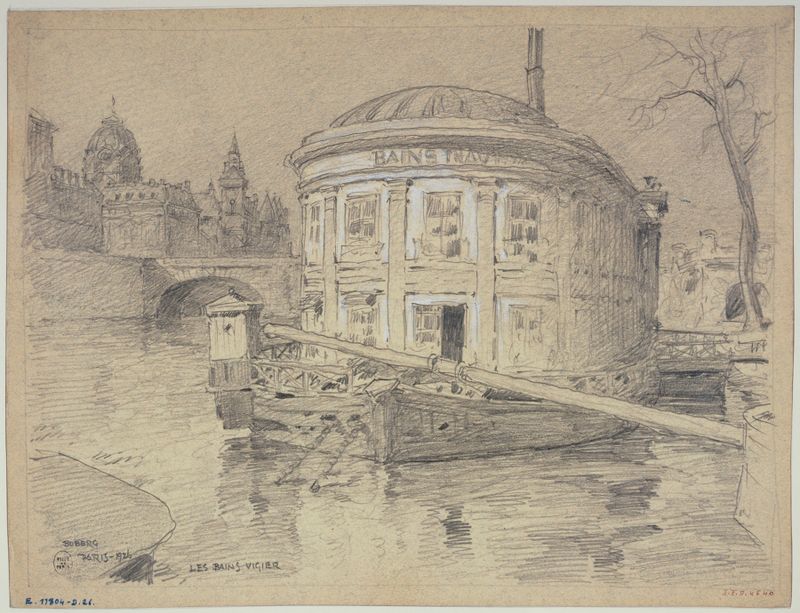
Les bains Vigier au Pont-Neuf
Ferdinand Boberg
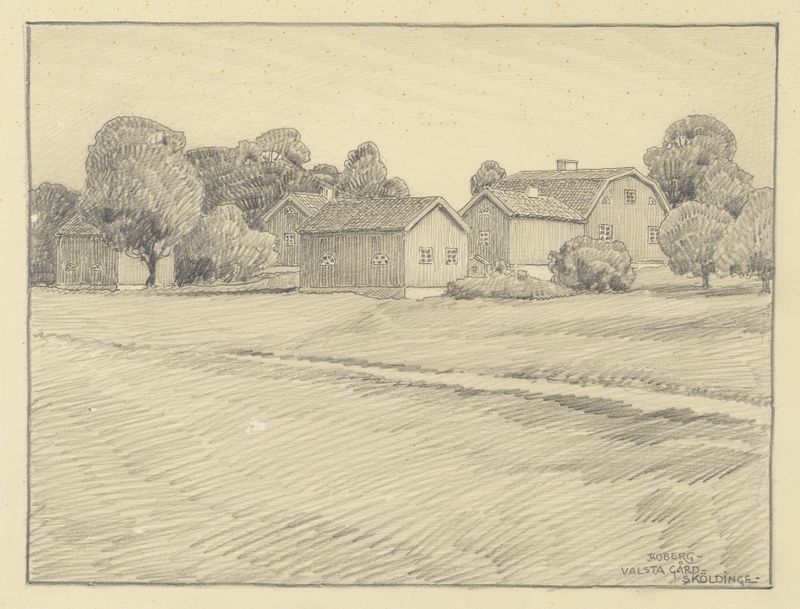
Valsta Gård
Ferdinand Boberg
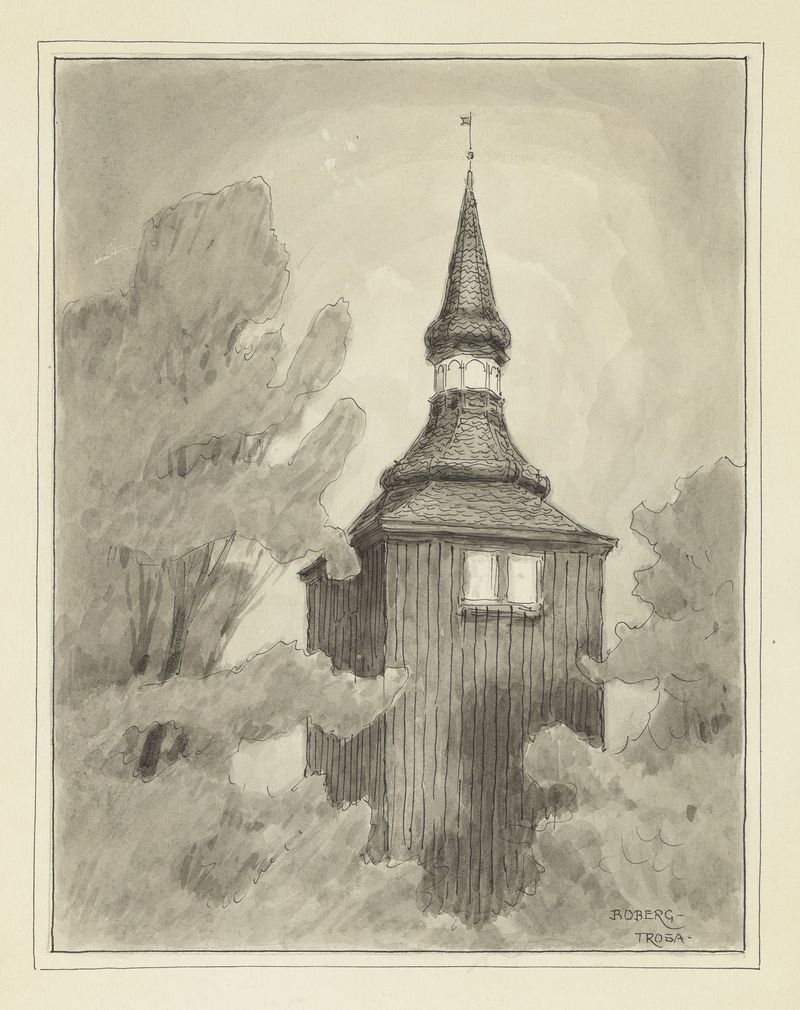
Trosa
Ferdinand Boberg
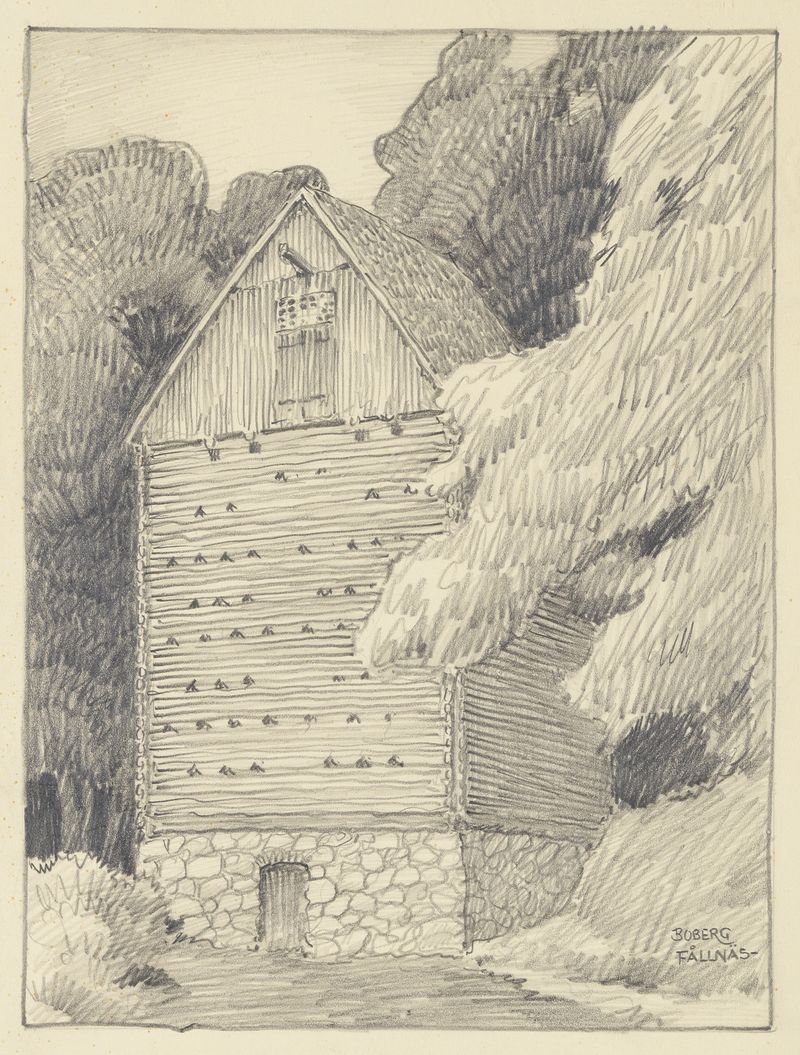
Fållnäs
Ferdinand Boberg
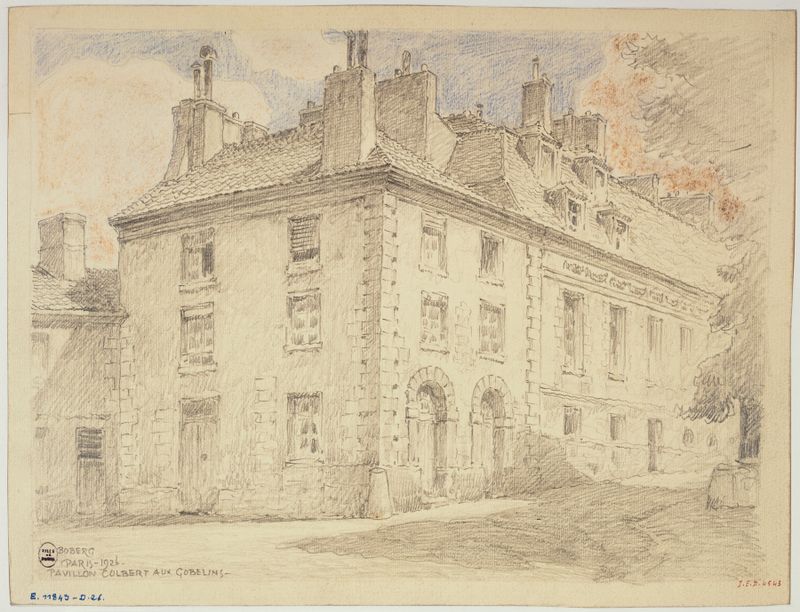
Le pavillon Colbert aux Gobelins
Ferdinand Boberg
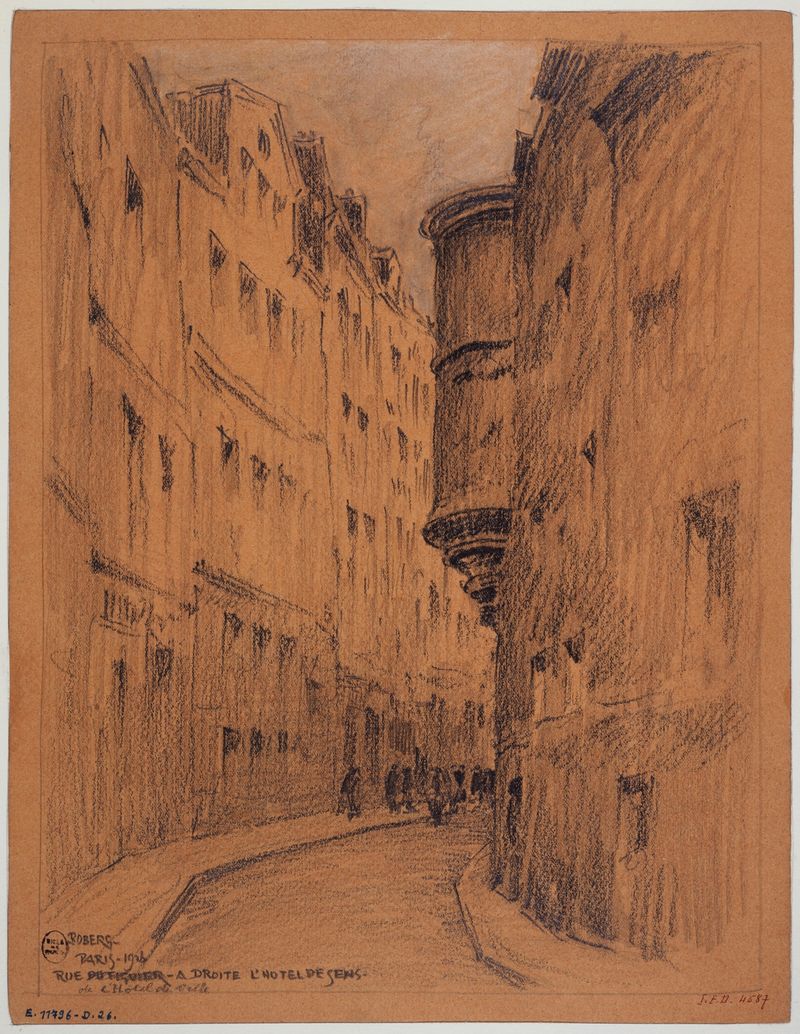
Rue de l’Hôtel de Ville; l’hôtel de Sens
Ferdinand Boberg
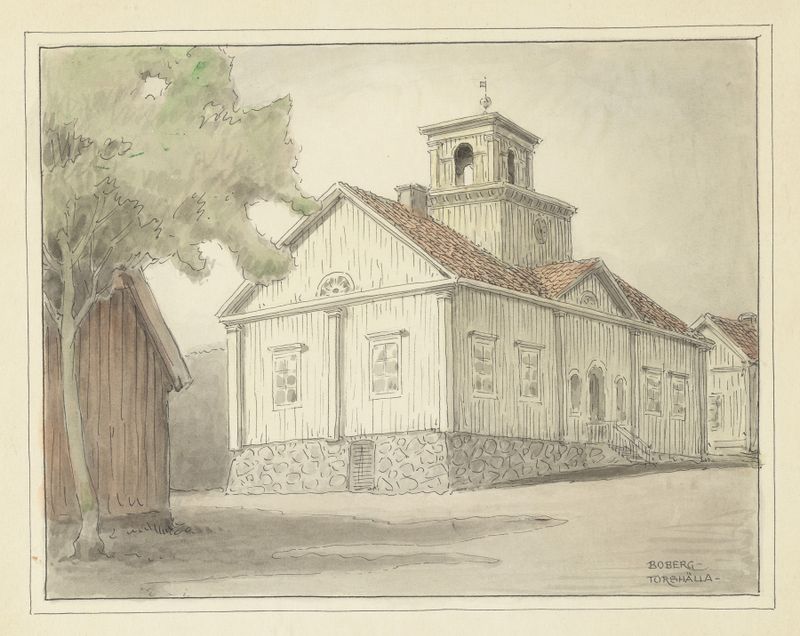
Torshälla
Ferdinand Boberg
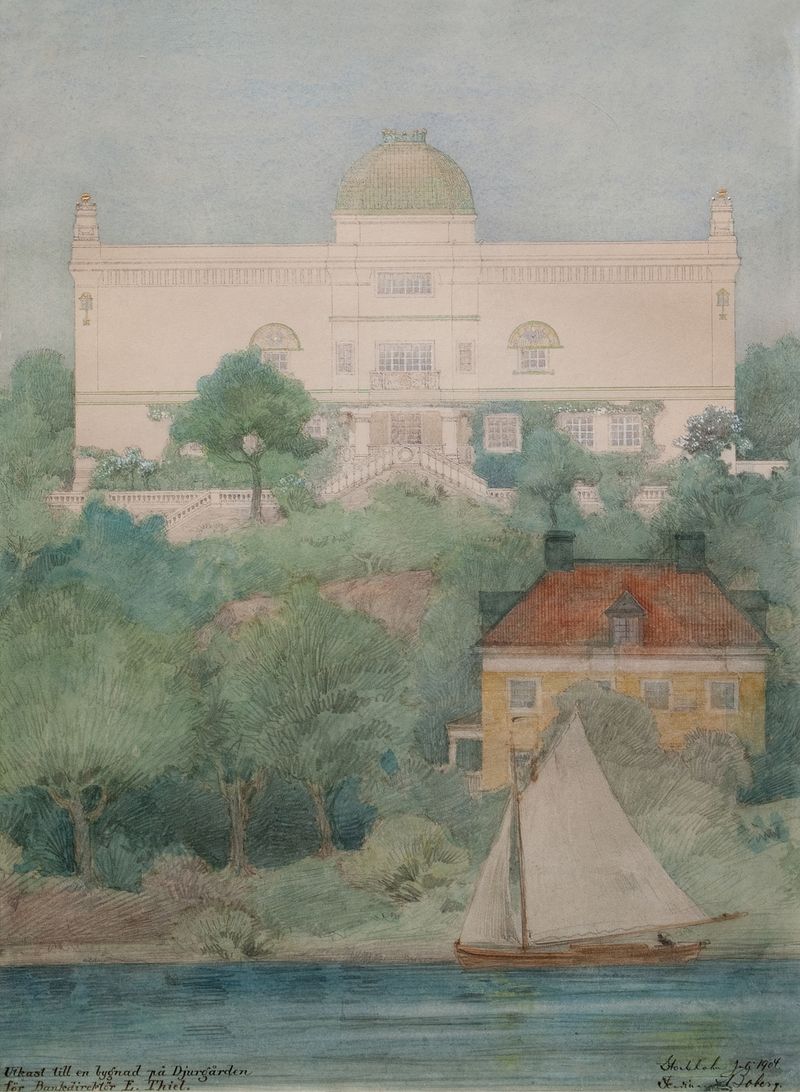
Sketch for a building for Thiel’s Gallery
Ferdinand Boberg
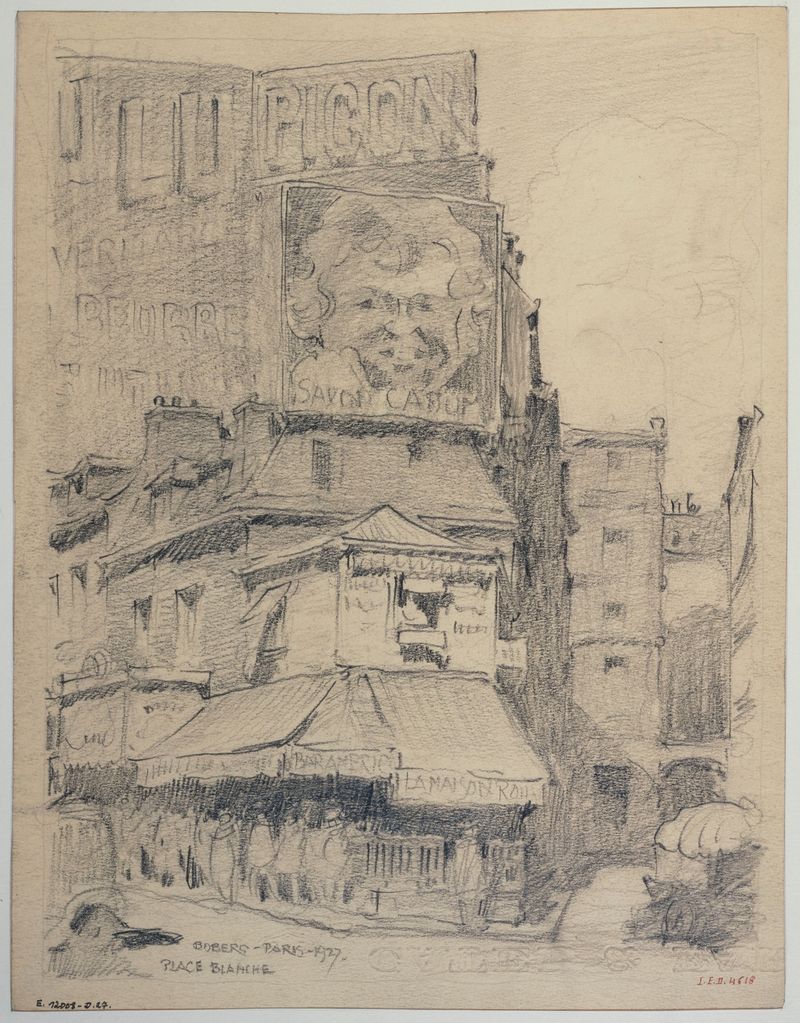
La place Blanche
Ferdinand Boberg





