
La rue Miron après la démolition des maisons de l’ancien Paris — History & Facts
In the echoes of a city, beauty emerges from the debris of memory, revealing the bittersweet truth of transformation. Look to the center of the canvas where the remnants of once-vibrant homes lay scattered, their crumbling facades whispering stories of lives lived and lost. The muted palette of grays and browns envelops the scene, contrasting with soft patches of light that filter through the gaps, illuminating the desolation and hinting at the past's warmth. Notice the sweeping lines of the street, guiding your gaze through the broken landscape, as the gentle curves suggest a path toward renewal amidst the ruins. In this somber depiction, the tension between destruction and beauty unfolds.
The absence of human figures amplifies the feeling of solitude, allowing the viewer to reflect on the silent yet powerful narratives that linger in the air. The juxtaposition of the stark demolition against the delicate play of light evokes a poignant sense of loss, while simultaneously celebrating the resilience of what remains. Each fragment tells a story, weaving the intimate threads of history into the broader tapestry of urban evolution. Ferdinand Boberg painted this work in 1914, during a period of significant change in Paris, as the city underwent modernization.
The demolition of homes was both an architectural and social upheaval, reshaping the landscape and challenging the identity of the neighborhood. Boberg, known for his unique approach that fused the old with the new, captured this moment of transition in a way that compels us to confront the beauty inherent in change.
More Artworks by Ferdinand Boberg
Browse all →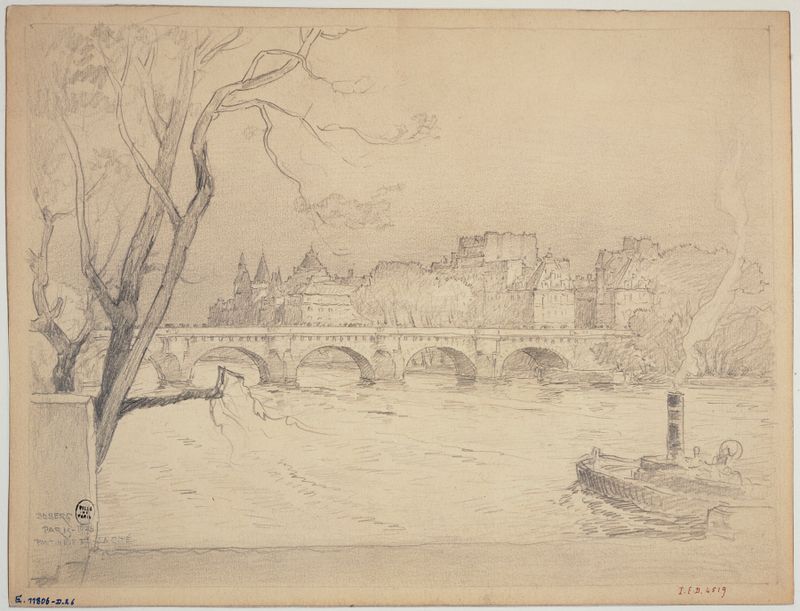
Le Pont-Neuf et la Cité
Ferdinand Boberg
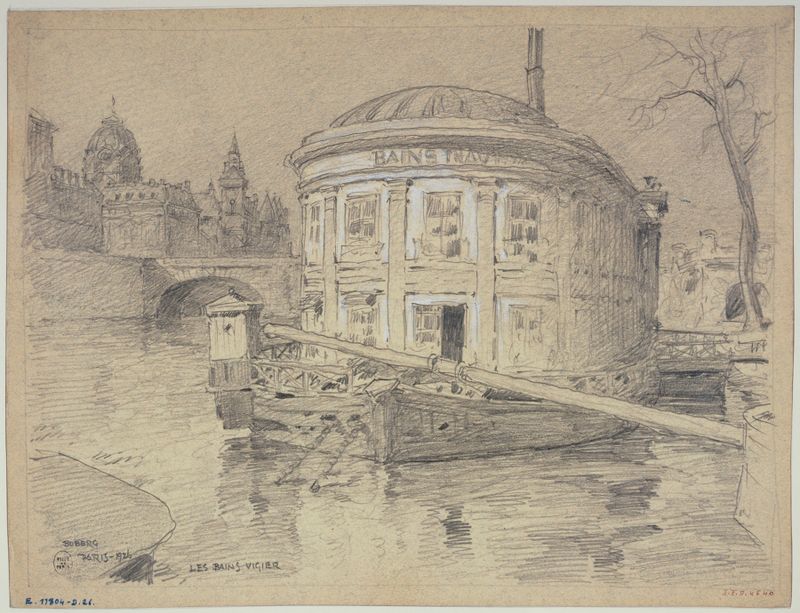
Les bains Vigier au Pont-Neuf
Ferdinand Boberg
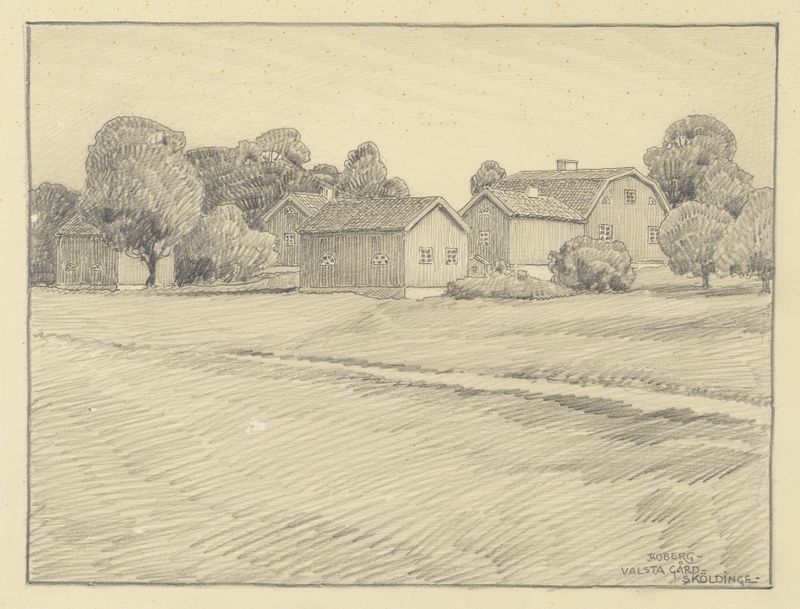
Valsta Gård
Ferdinand Boberg
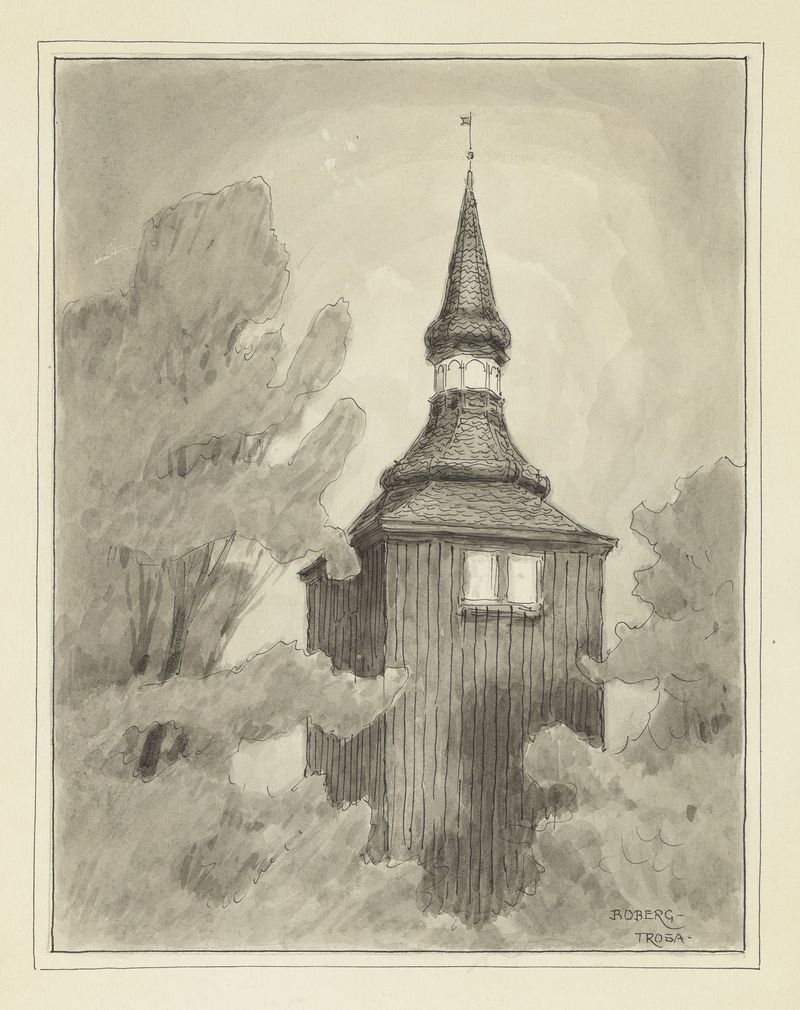
Trosa
Ferdinand Boberg
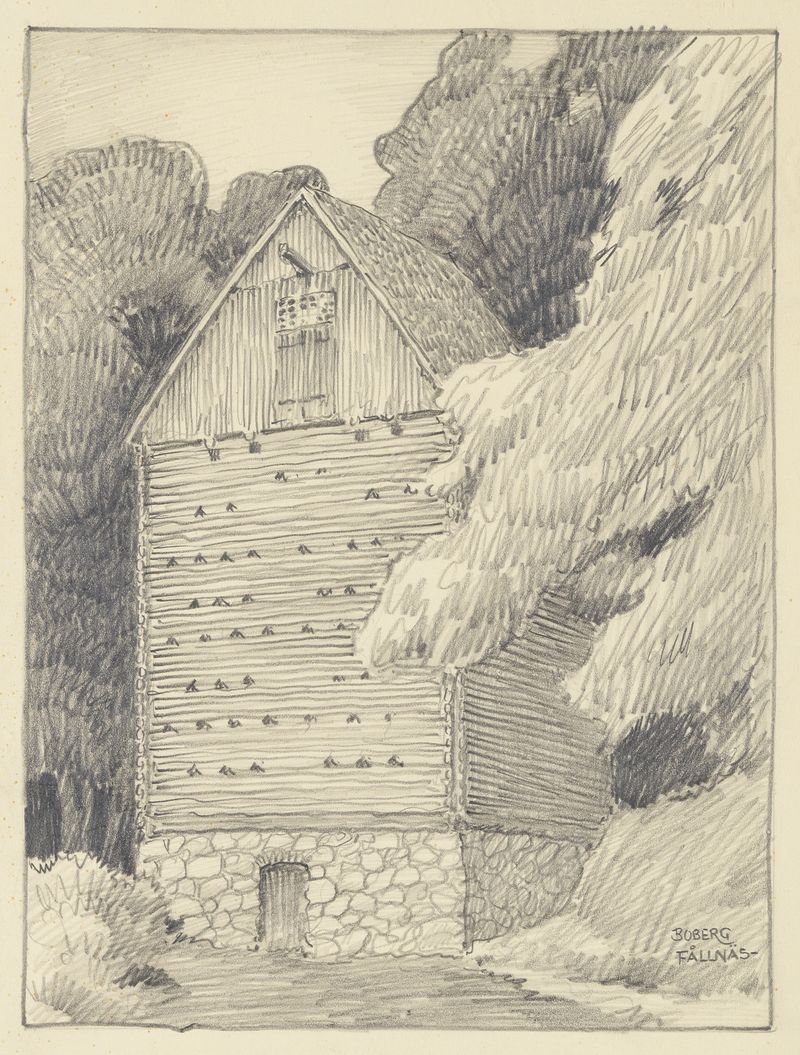
Fållnäs
Ferdinand Boberg
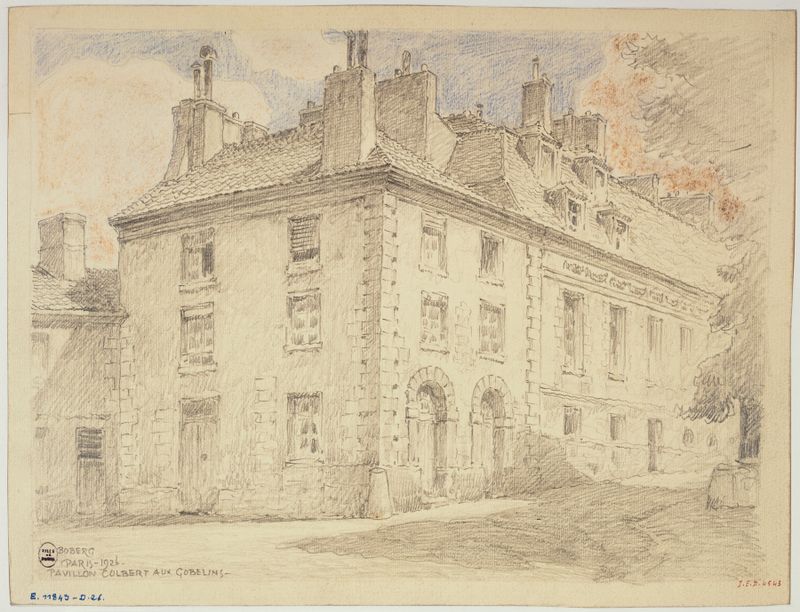
Le pavillon Colbert aux Gobelins
Ferdinand Boberg
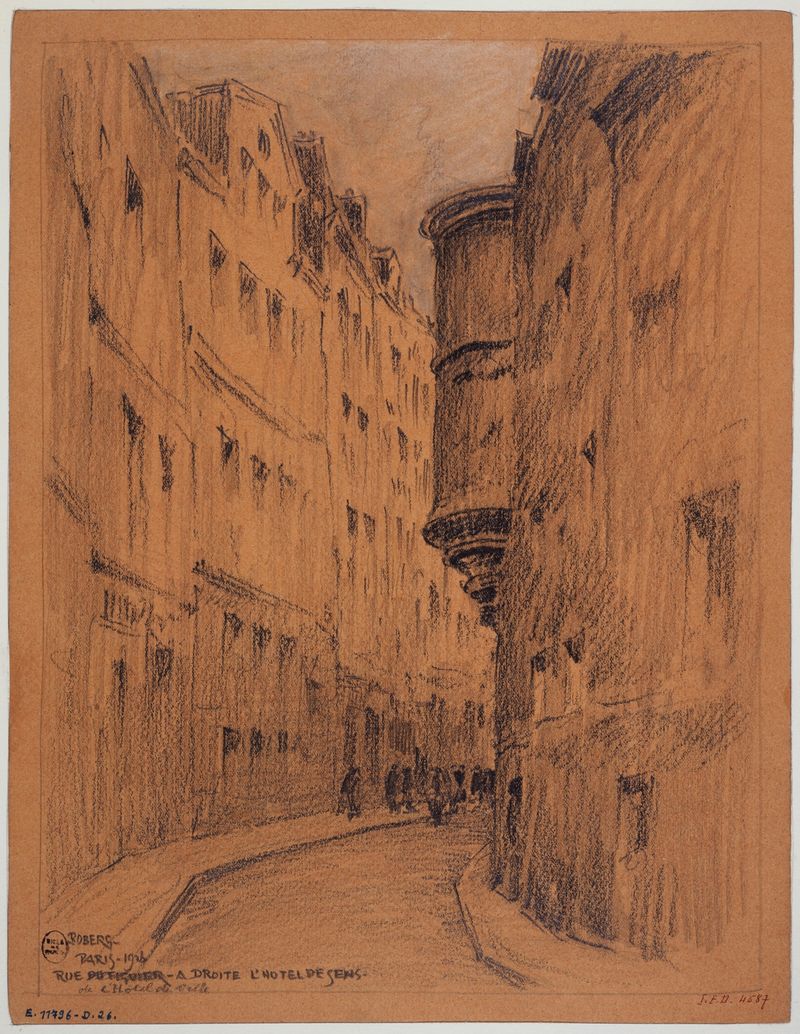
Rue de l’Hôtel de Ville; l’hôtel de Sens
Ferdinand Boberg
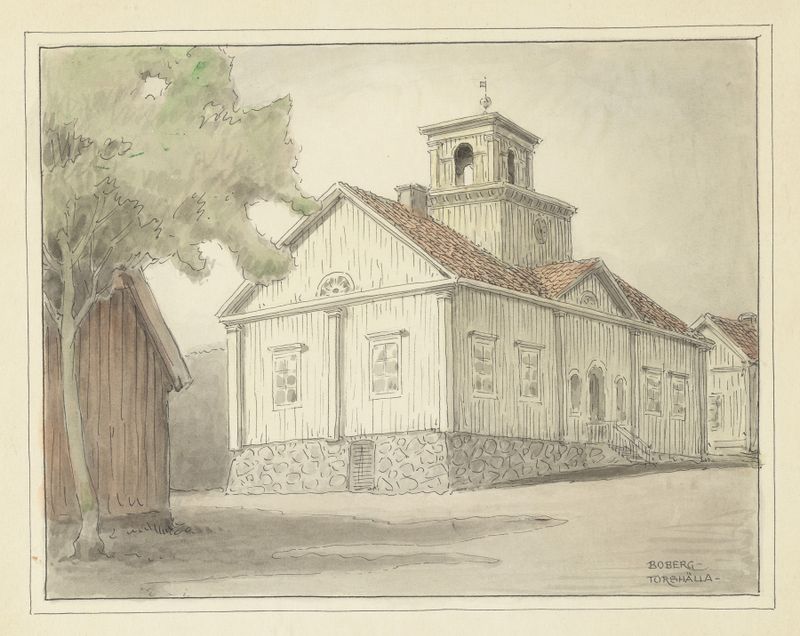
Torshälla
Ferdinand Boberg
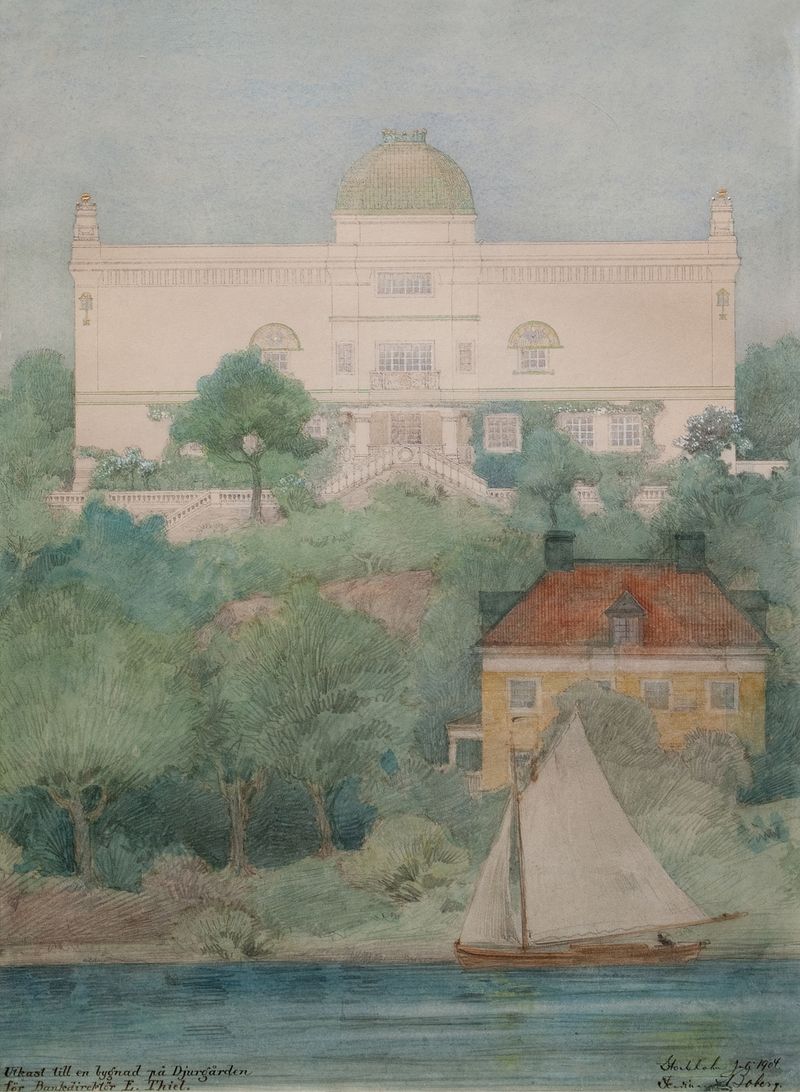
Sketch for a building for Thiel’s Gallery
Ferdinand Boberg
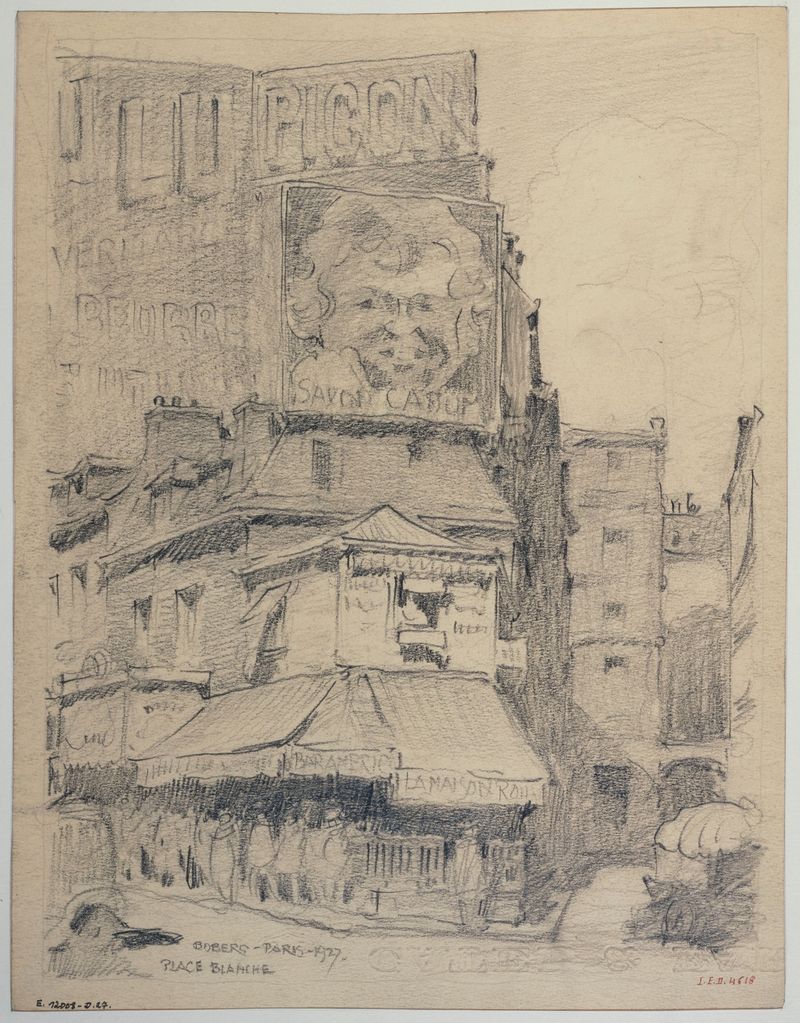
La place Blanche
Ferdinand Boberg
More Architecture Art
Browse all →
The statue of Liberty
Frédéric Auguste Bartholdi

View of Houses in Delft, Known as ‘The Little Street’
Johannes Vermeer

View of Houses in Delft, Known as ‘The Little Street’
Johannes Vermeer

The Cathedral in Rouen. The portal, Grey Weather
Claude Monet

The yellow house
Vincent van Gogh

The Church in Auvers-sur-Oise, View from the Chevet
Vincent van Gogh