
La rue Poissonnière et la rue de Cléry — History & Facts
Where does light end, and longing begin? The gentle interplay of illumination and shadow can evoke memories, transporting us through time and space, leaving us at the crossroads of nostalgia and reality. Look to the left at the delicate interplay of hues in the buildings, their facades rendered in soft pastels, inviting you into a serene urban landscape. Notice how the light falls upon the cobblestone street, creating a shimmering path that leads your gaze further into the scene. The composition draws you in with its careful balance of architecture and the subtle movement of figures, each brushstroke masterful in its simplicity yet profound in its emotional resonance. As you explore deeper, consider the juxtaposition of the bustling street life against the stillness of the architectural elements.
Here, the figures appear almost ghostlike, their ephemeral presence lingering as if captured in a fleeting moment of memory. This contrast speaks to the passage of time—how vibrant life unfolds amid the static beauty of the city, suggesting both the joy of living and the melancholy of what has passed. In 1926, Boberg painted this work during a time marked by a flourishing interest in urbanism and modernity, reflecting the changing landscapes of European cities. Living in Paris, he was influenced by the avant-garde movements of his time, yet chose to capture a more contemplative vision of city life.
This painting stands as a testament to the beauty of memory, inviting viewers to pause and reflect on the moments often lost in the rush of modern existence.
More Artworks by Ferdinand Boberg
Browse all →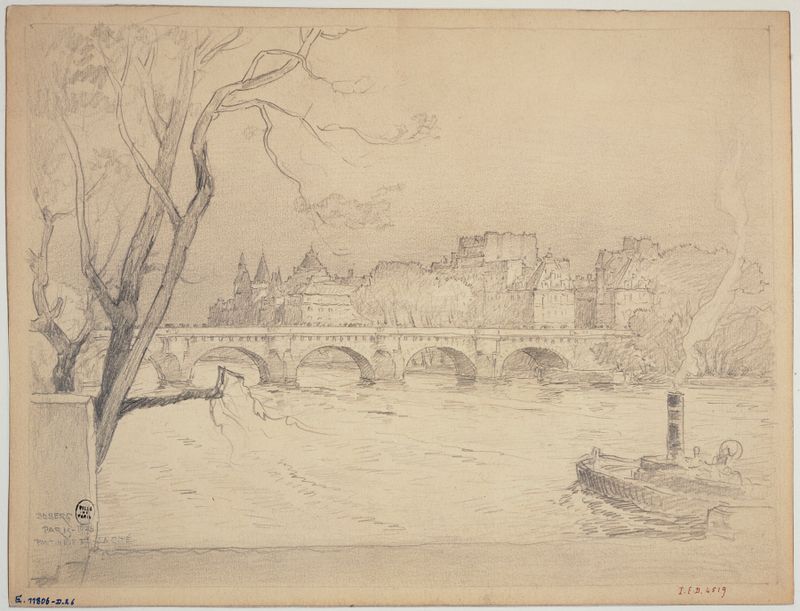
Le Pont-Neuf et la Cité
Ferdinand Boberg
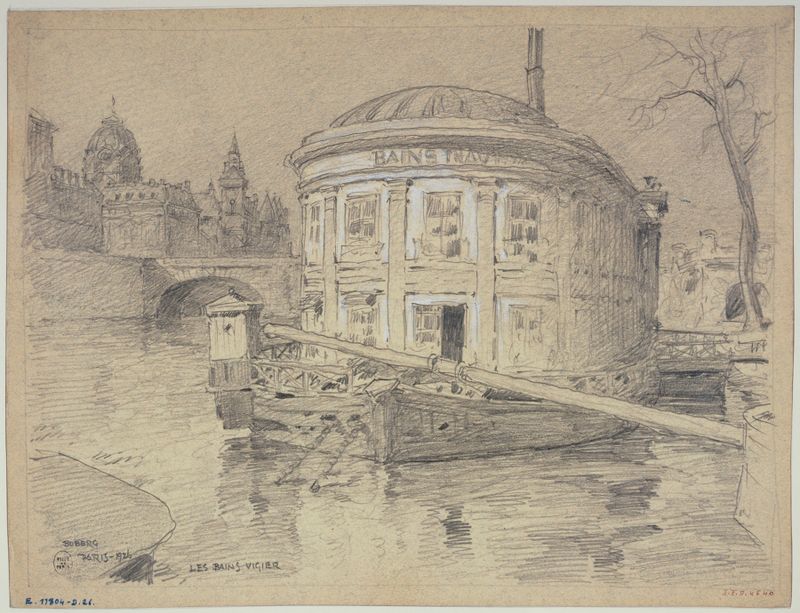
Les bains Vigier au Pont-Neuf
Ferdinand Boberg
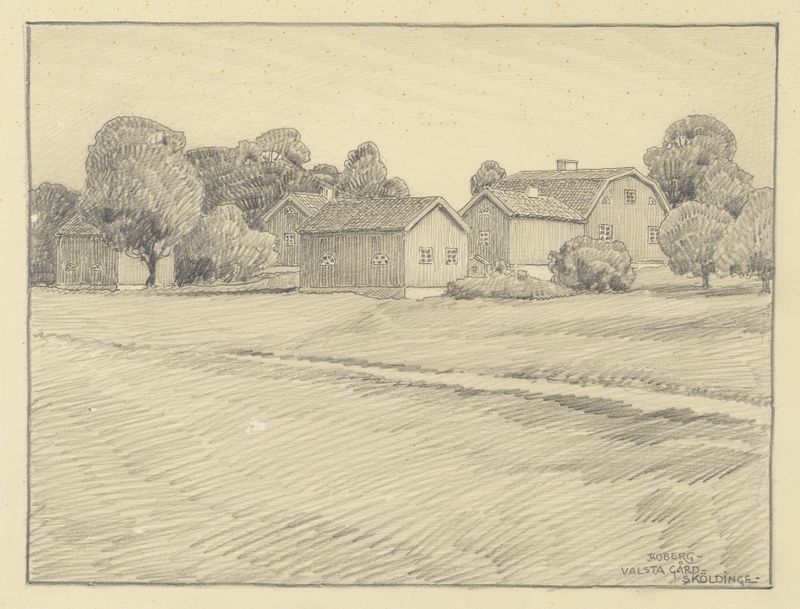
Valsta Gård
Ferdinand Boberg
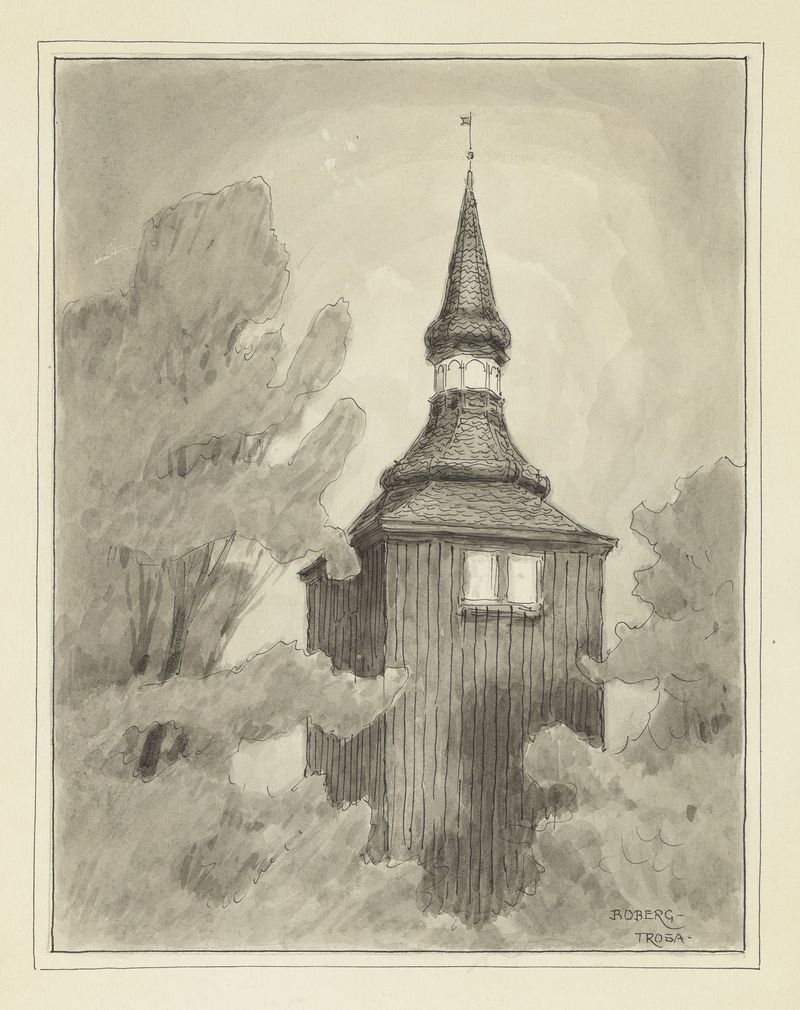
Trosa
Ferdinand Boberg
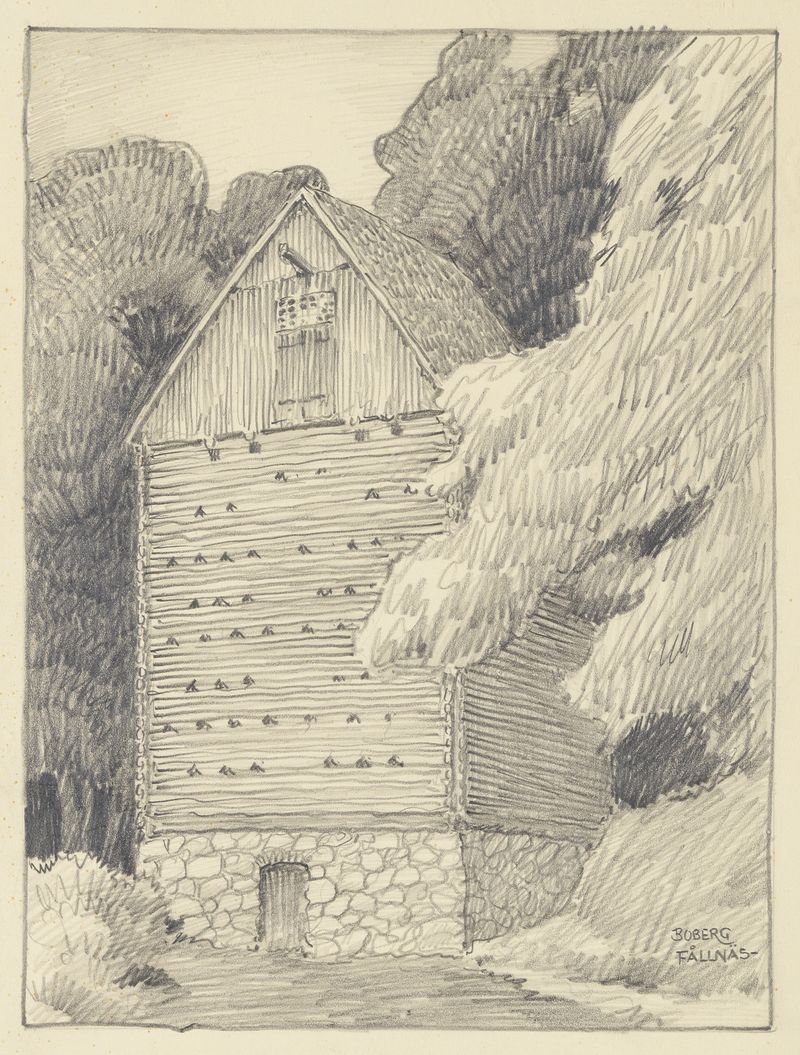
Fållnäs
Ferdinand Boberg
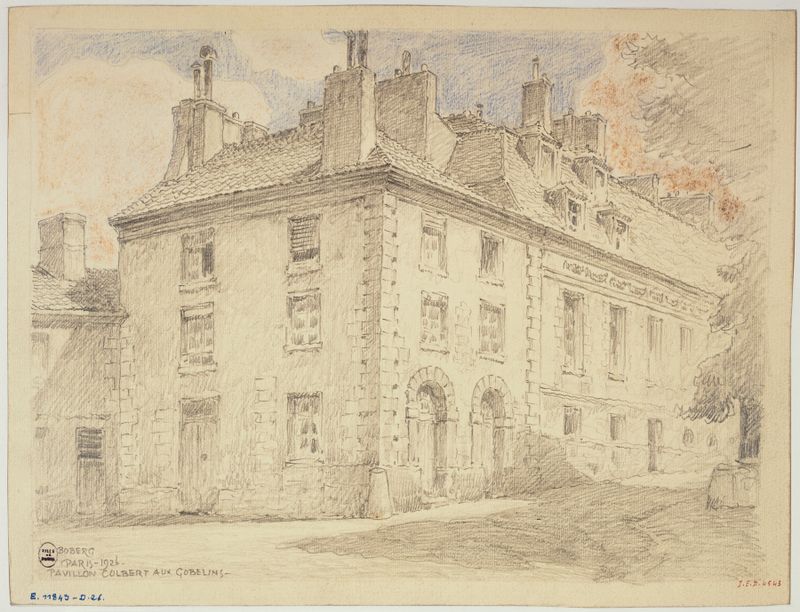
Le pavillon Colbert aux Gobelins
Ferdinand Boberg
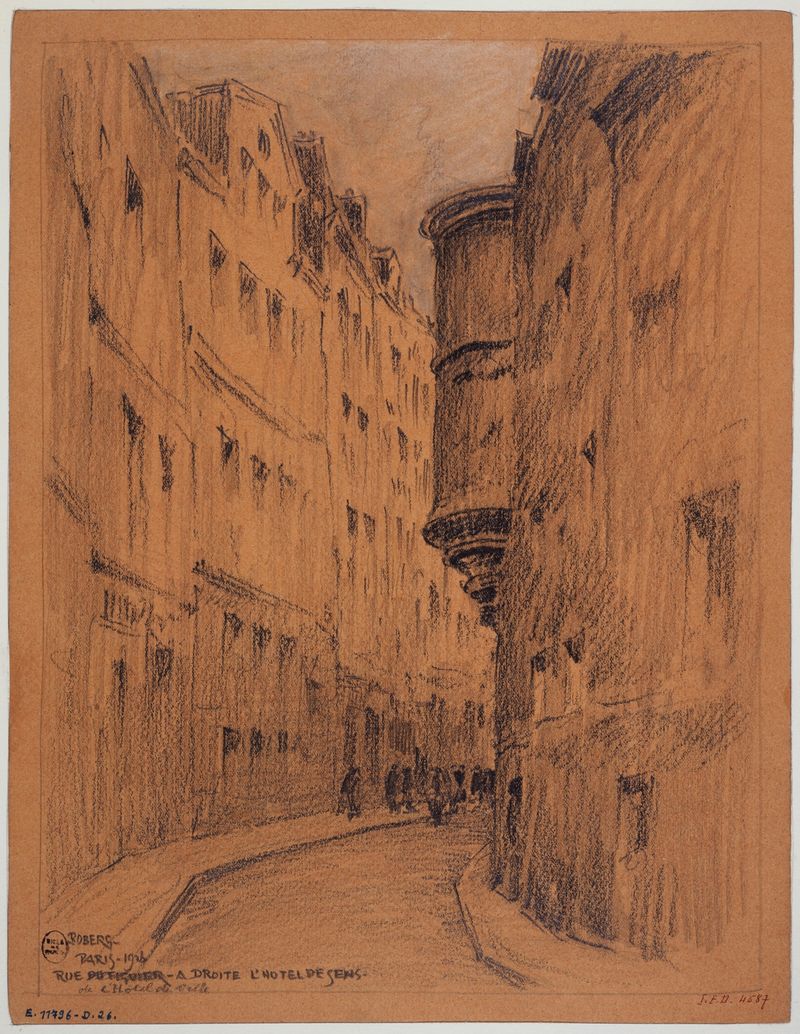
Rue de l’Hôtel de Ville; l’hôtel de Sens
Ferdinand Boberg
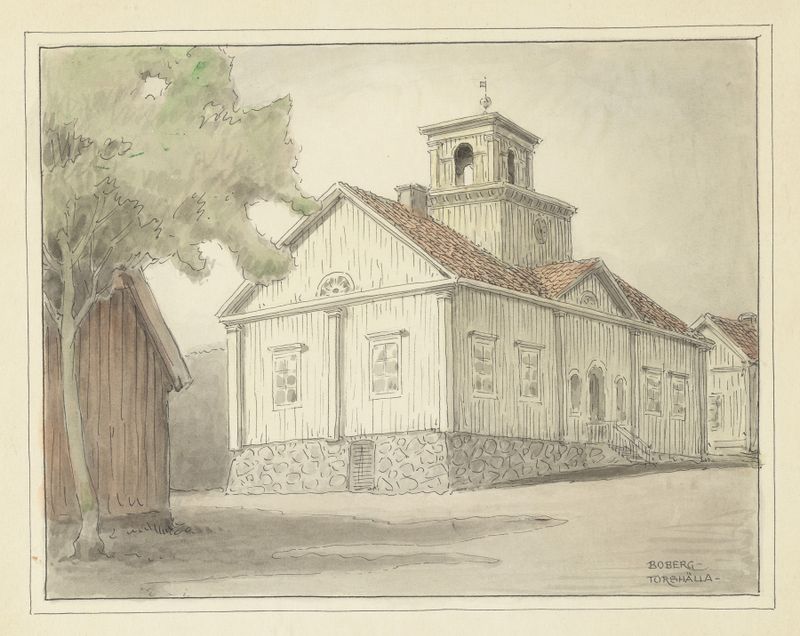
Torshälla
Ferdinand Boberg
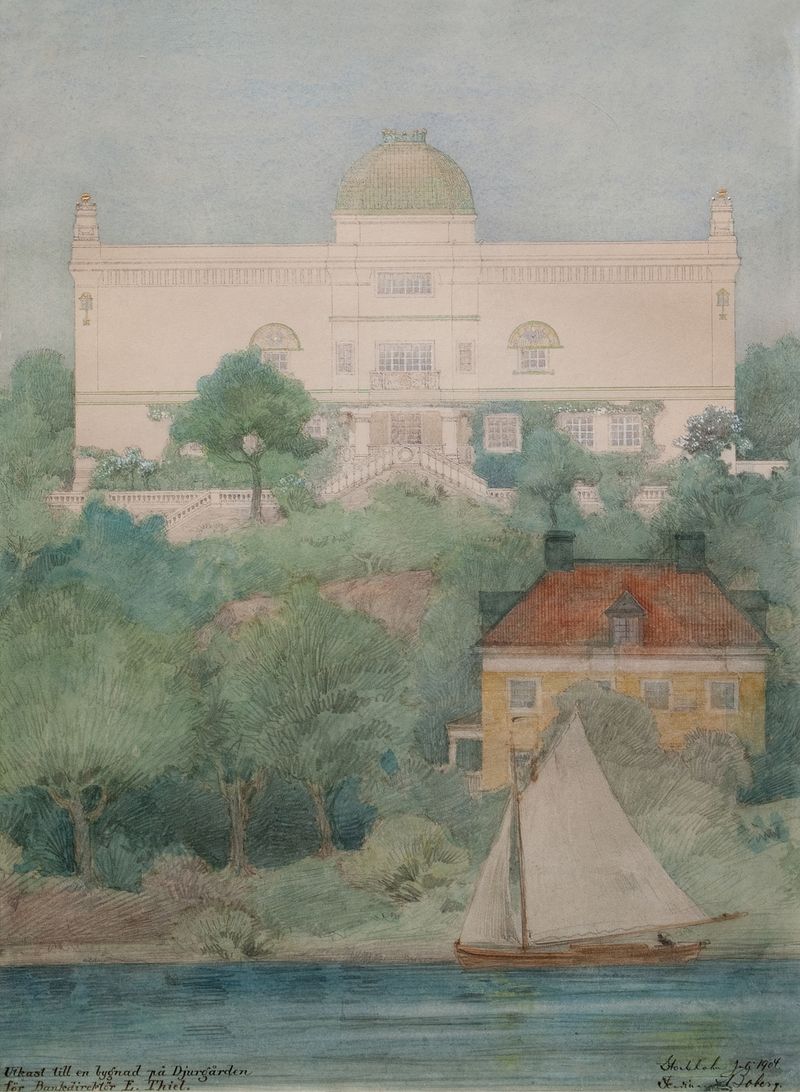
Sketch for a building for Thiel’s Gallery
Ferdinand Boberg
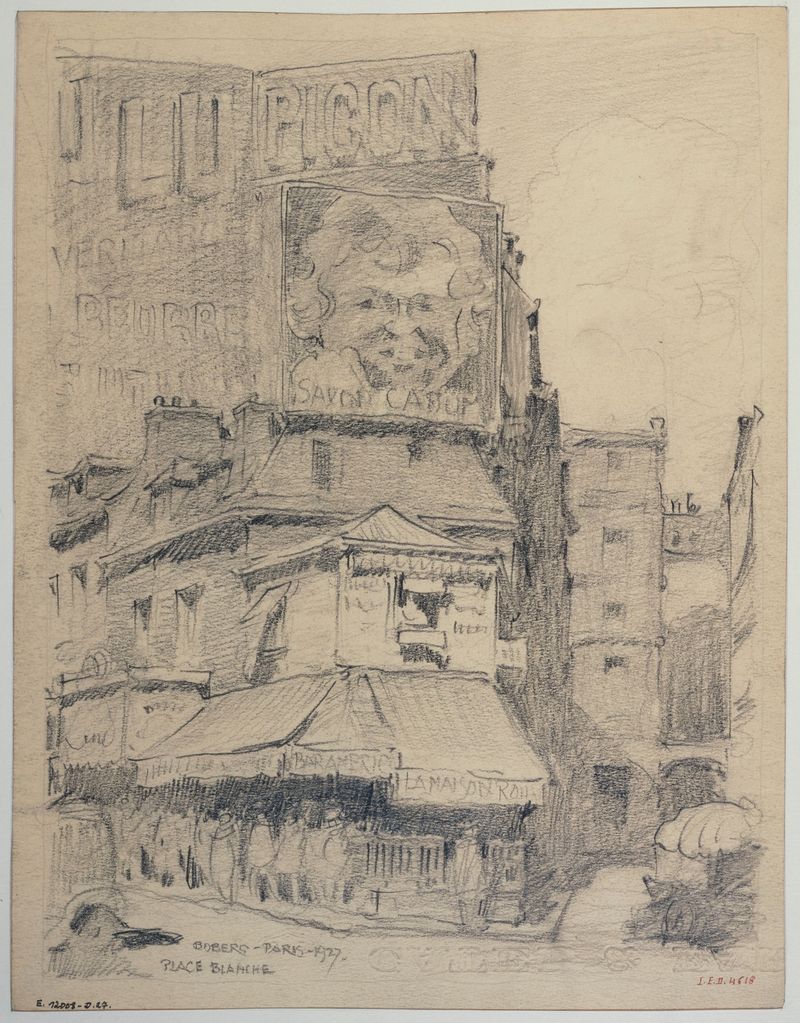
La place Blanche
Ferdinand Boberg
More Architecture Art
Browse all →
The statue of Liberty
Frédéric Auguste Bartholdi

View of Houses in Delft, Known as ‘The Little Street’
Johannes Vermeer

View of Houses in Delft, Known as ‘The Little Street’
Johannes Vermeer

The Cathedral in Rouen. The portal, Grey Weather
Claude Monet

The yellow house
Vincent van Gogh

The Church in Auvers-sur-Oise, View from the Chevet
Vincent van Gogh