
La rue Rosenwald, de la rue des Morillons à la rue de Vouillé, Vaugirard — History & Facts
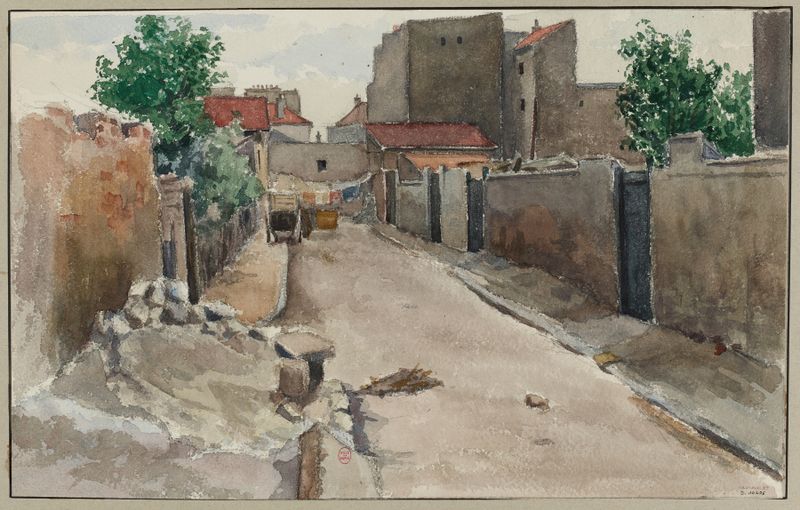
Did the painter know this moment would outlive them? In La rue Rosenwald, de la rue des Morillons à la rue de Vouillé, Vaugirard, a fleeting slice of life endures, a testament to the divine nature of everyday existence. Look to the left, where the golden light of late afternoon bathes the cobblestones in a warm embrace. The viewer’s gaze is drawn along the serpentine path as it winds through the heart of Vaugirard. Notice how the soft blues and yellows harmonize in the sky and the façades, evoking a sense of serenity amidst the bustle.
The brushstrokes are both impressionistic and deliberate, allowing the viewer to feel the pulse of the street, from the delicate outlines of the trees casting gentle shadows to the rhythm of the human figures engaged in their daily rituals. Delve deeper into the scene to uncover layers of meaning hidden within the simplicity of urban life. The juxtaposition of the vibrant life along the street against the stillness of the buildings suggests a tension between the human spirit and the permanence of the urban environment. Each passerby, with their own stories and ties, serves as a reminder that divinity resides in the ordinary.
The fleeting moments captured here encapsulate both the transitory nature of life and its enduring beauty. F. Séguin painted this piece in 1896 during a period of artistic transition in Paris, where Impressionism was giving way to Post-Impressionism. At the time, the city was rapidly modernizing, and artists were beginning to explore new forms and techniques.
This painting, created while Séguin was immersed in the vibrant artistic community of the Montparnasse district, reflects his commitment to capturing the essence of life amidst the changes enveloping the city.
More Artworks by F. Séguin
Browse all →
Rue Brantôme. (anciennement rue des Petits Champs donnant rue Saint Martin et rue Beaubourg)
F. Séguin
La rue de Chambéry, prise de la rue de Nice la Frontière
F. Séguin
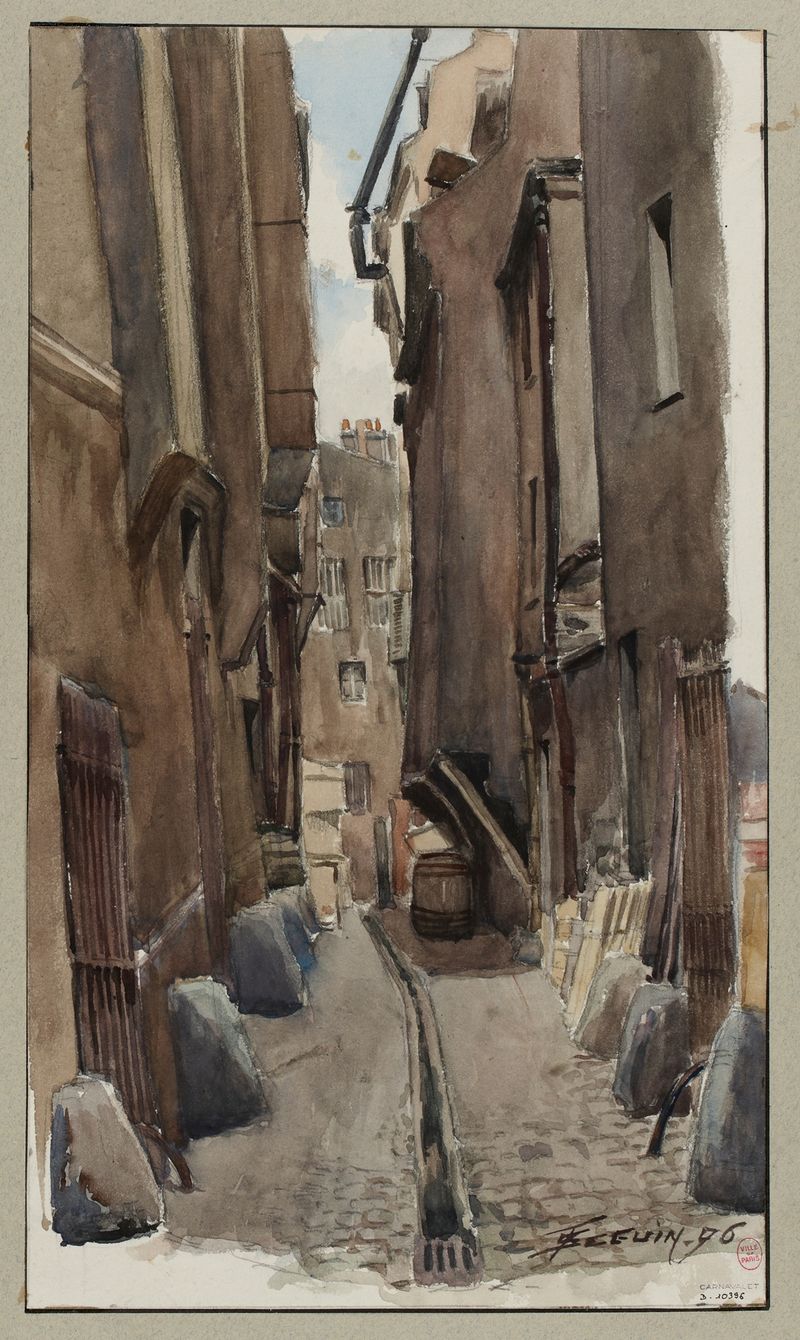
Le Cul de sac du Bœuf, (rue Saint Merri)
F. Séguin

Rue Descartes
F. Séguin
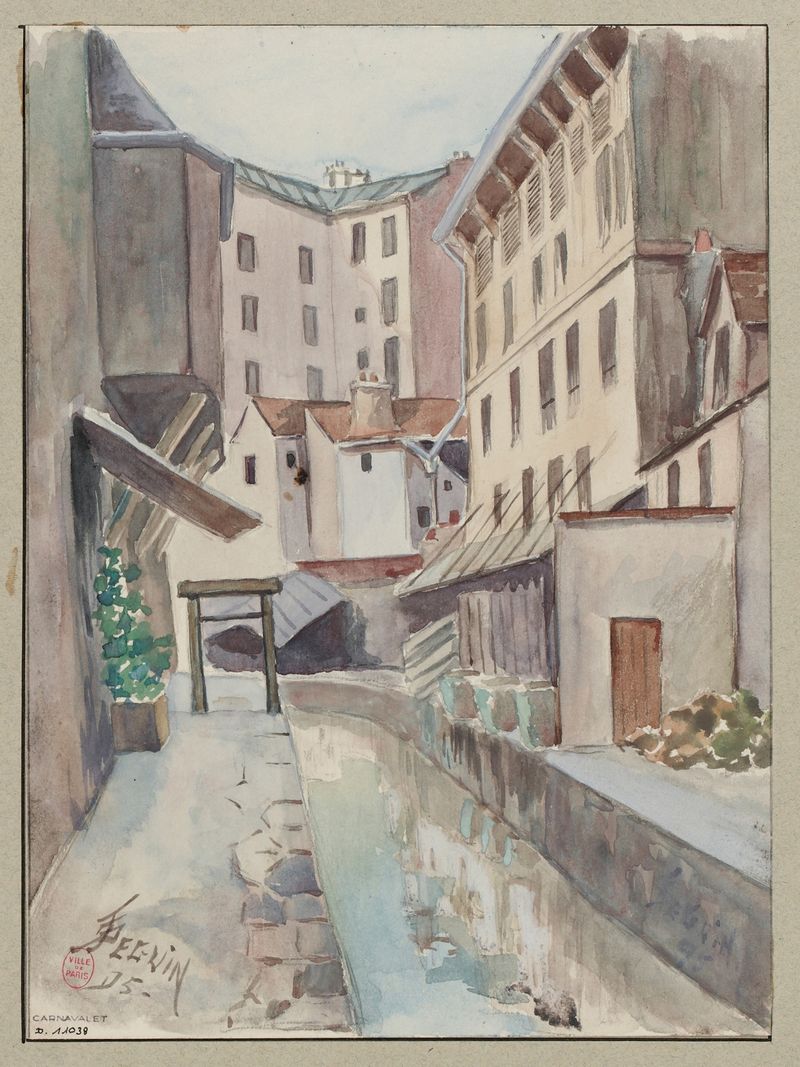
Le bord de la Bièvre à l’avenue des Gobelins
F. Séguin

Villa des Otages mur où furent fusillés les 52 derniers otages de la Commune, rue Haxo
F. Séguin
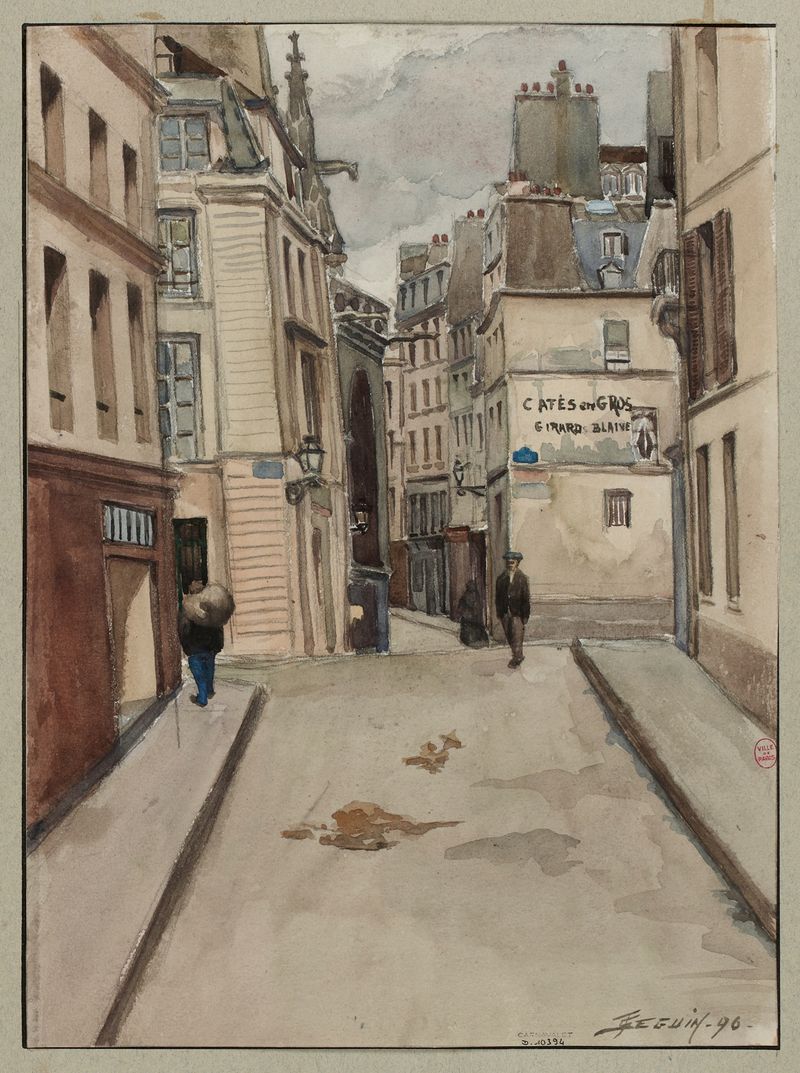
Rue du Cloître Saint Mérry, de la rue du Renard à la rue Saint Martin
F. Séguin
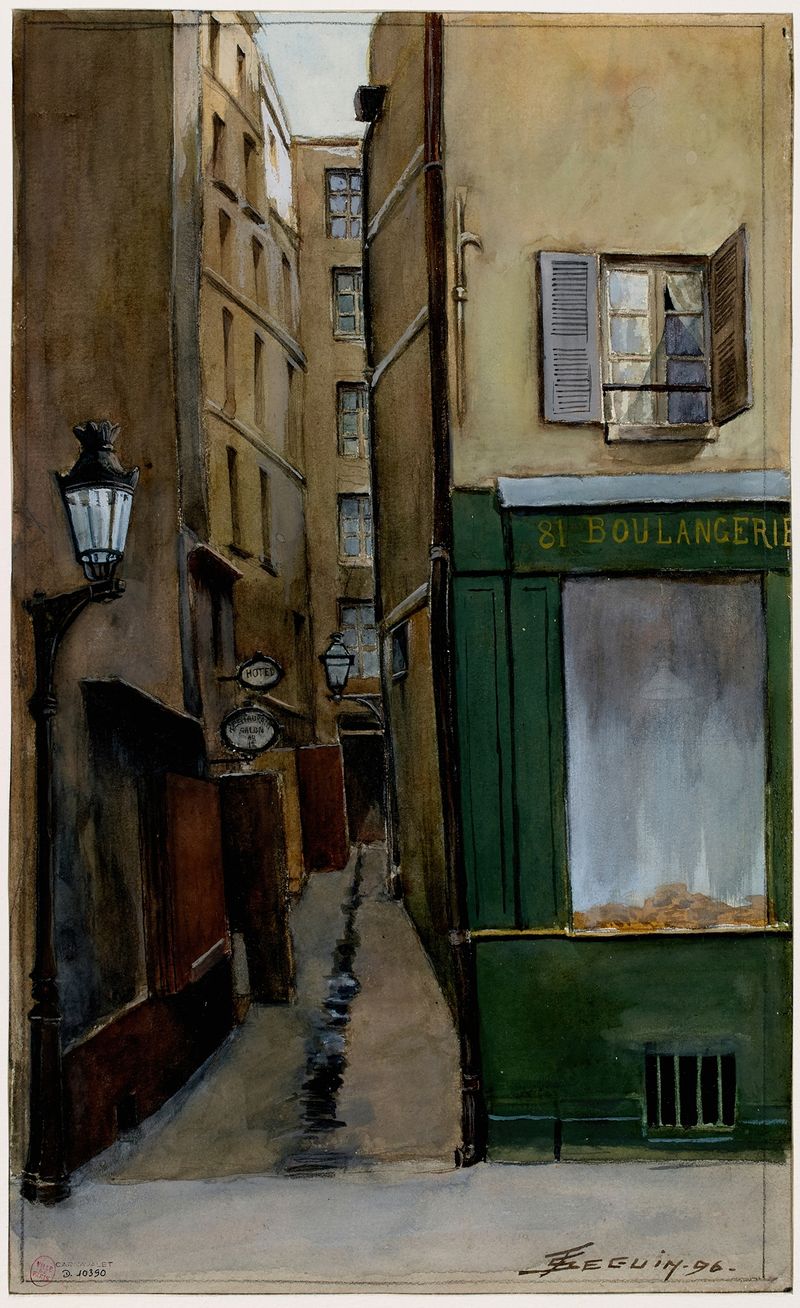
Cul de sac du Fiacre, 81 rue Saint Martin
F. Séguin
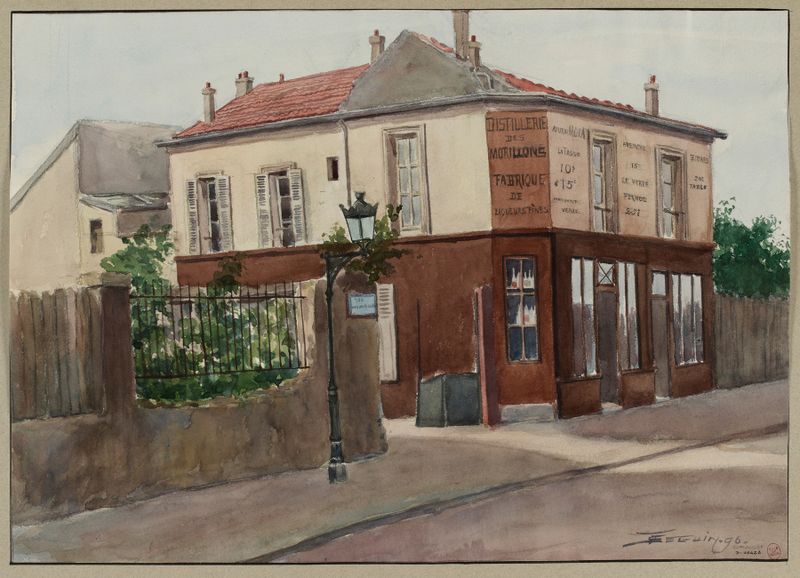
Angle de l’impasse Carlier et au 24 rue des Morillons, Vaugirard
F. Séguin
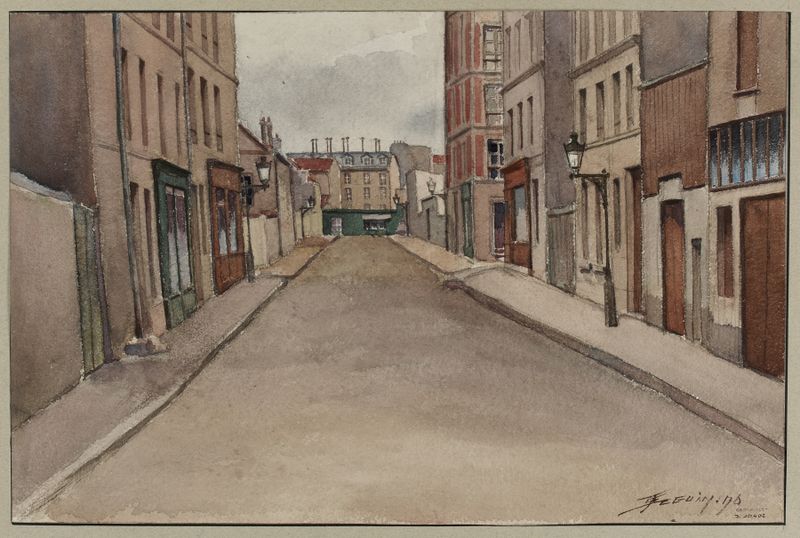
Rue Franquet
F. Séguin





