
La rue Saint-Julien-le-Pauvre — History & Facts
Could a single brushstroke hold eternity? In La rue Saint-Julien-le-Pauvre, light becomes the protagonist, illuminating the delicate interplay of life and architecture in a moment frozen in time. Look to the left at the soft golden light that spills across the cobblestones, reflecting the warmth of a sun-drenched afternoon. Notice how the artist skillfully captures the texture of the ancient buildings, their surfaces rich with history and layered paint. The composition draws your gaze upward, past the vibrant greens of overhanging foliage, to the intricate details of the church steeple piercing the azure sky, creating a harmonious balance between man and nature. At first glance, the scene may seem peaceful, yet if you examine closely, there's a hum of life beneath the surface.
The juxtaposition of the stillness of the architecture against the fleeting moments of pedestrians conveys a tension between permanence and transience. The shadows that stretch lazily across the ground seem to whisper of stories untold, while the dappled light hints at the ever-changing nature of existence within this Parisian enclave. In 1926, Boberg painted this piece during a period of profound reflection in the art world, as modernism and traditional approaches began to coexist in tension. Living in a city that was teeming with artistic innovation, he infused this work with a nostalgic appreciation for the past, juxtaposed against the evolving landscape of modernity that surrounded him.
More Artworks by Ferdinand Boberg
Browse all →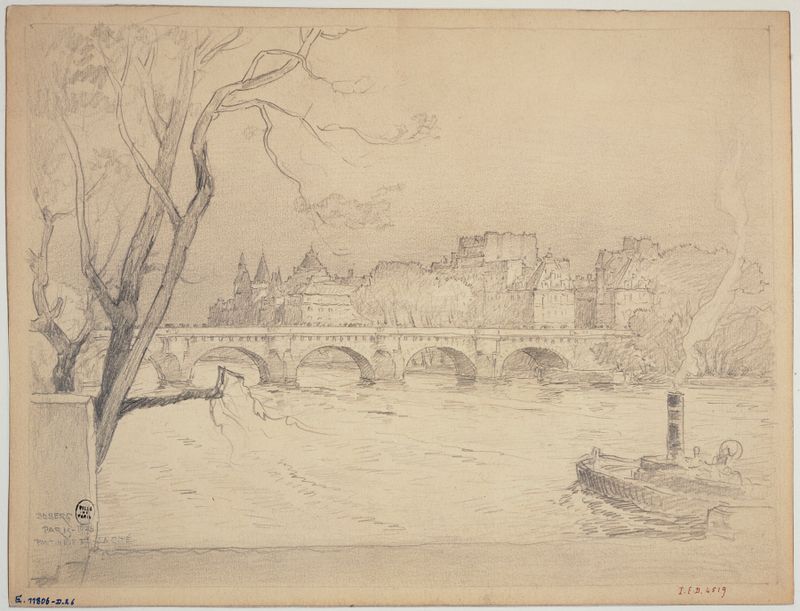
Le Pont-Neuf et la Cité
Ferdinand Boberg
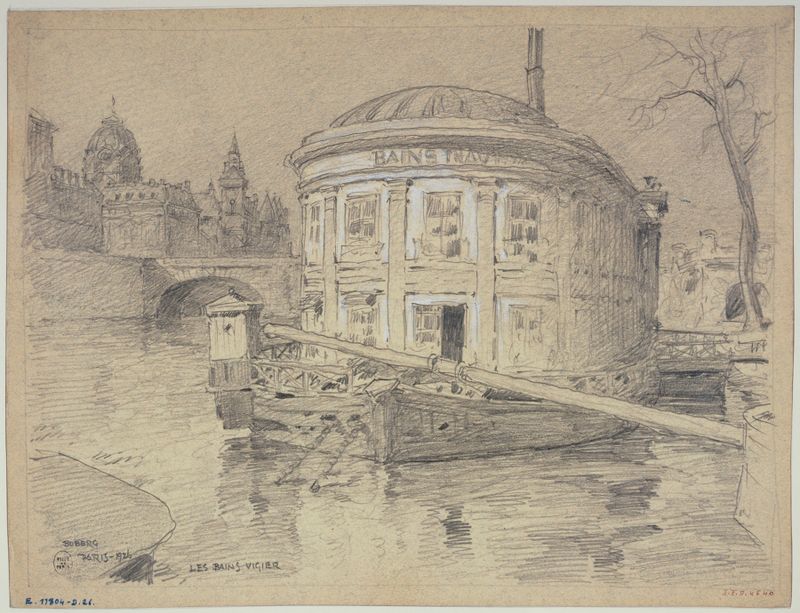
Les bains Vigier au Pont-Neuf
Ferdinand Boberg
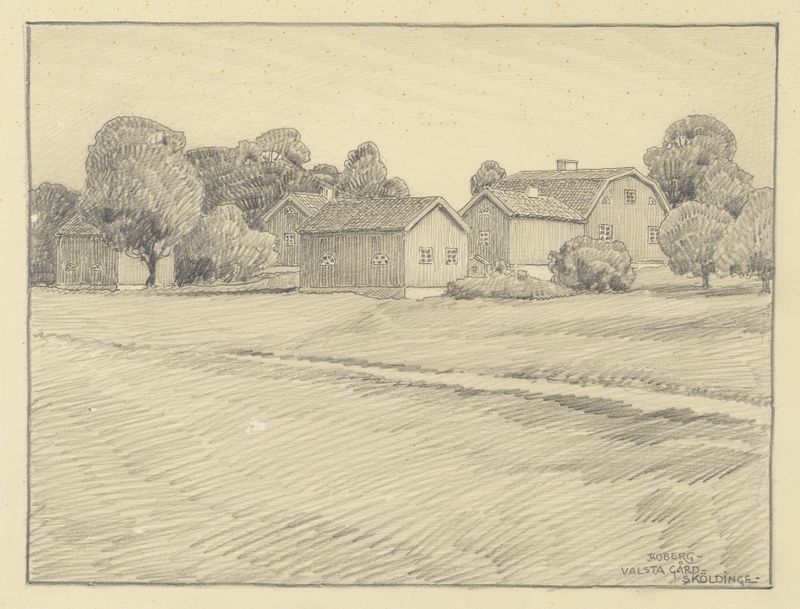
Valsta Gård
Ferdinand Boberg
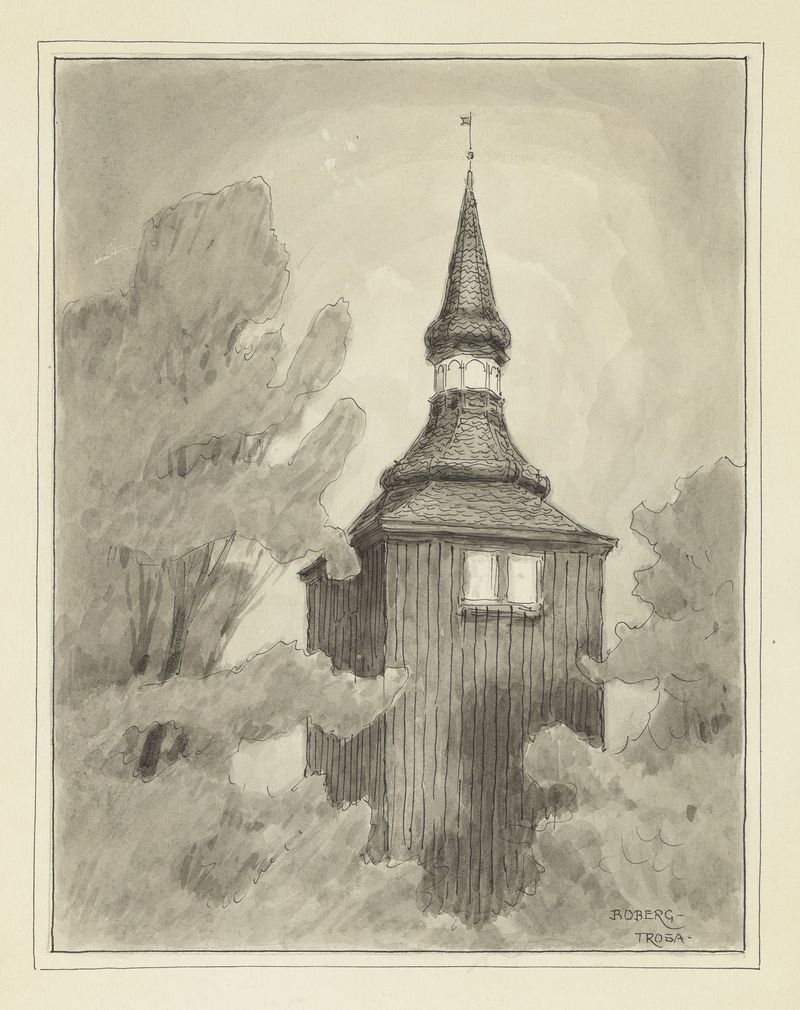
Trosa
Ferdinand Boberg
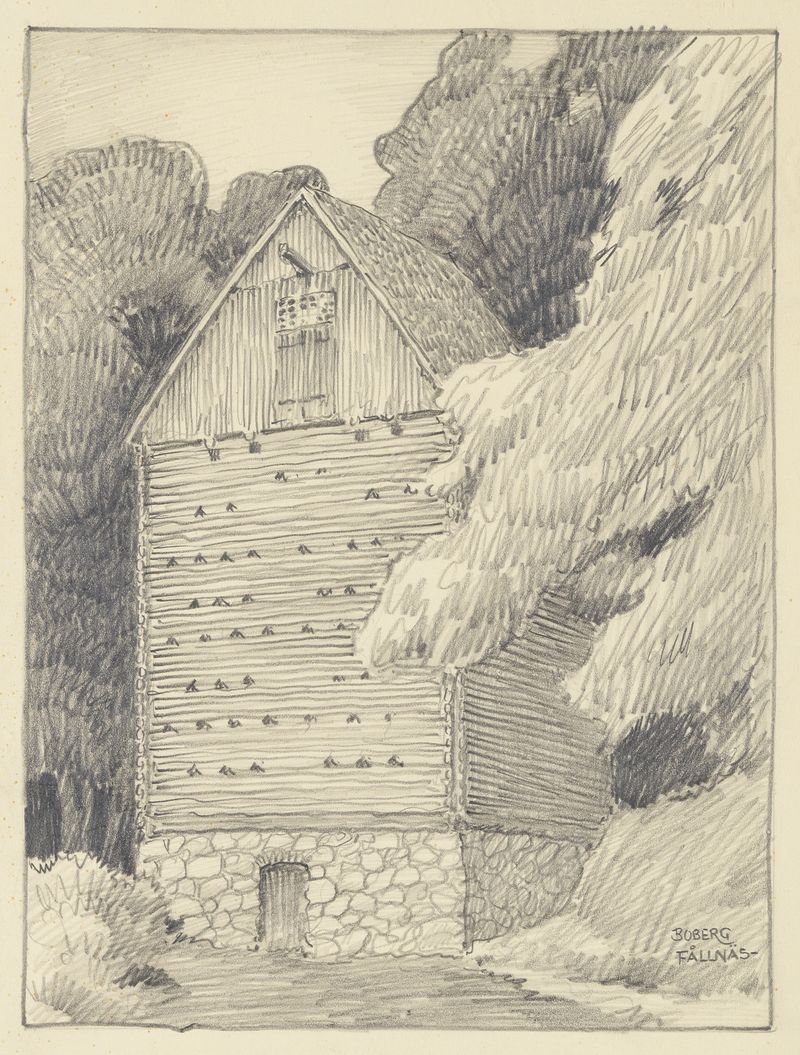
Fållnäs
Ferdinand Boberg
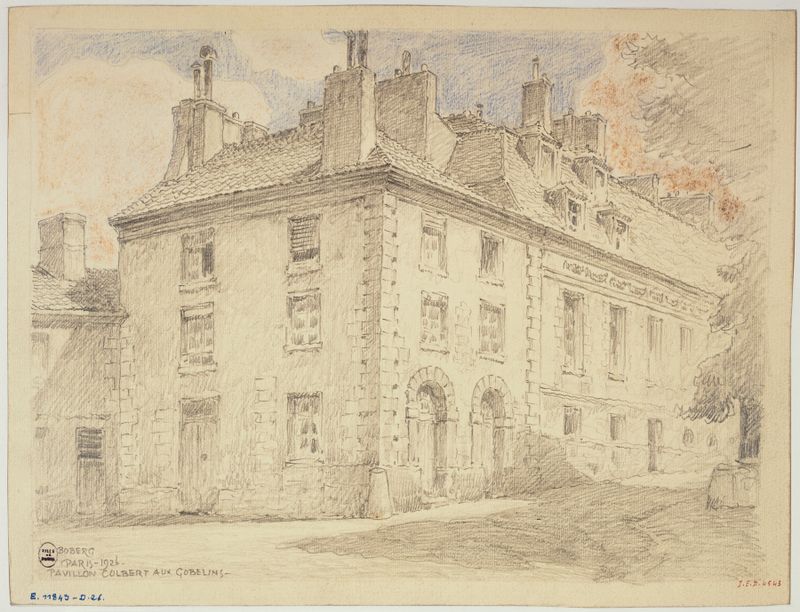
Le pavillon Colbert aux Gobelins
Ferdinand Boberg
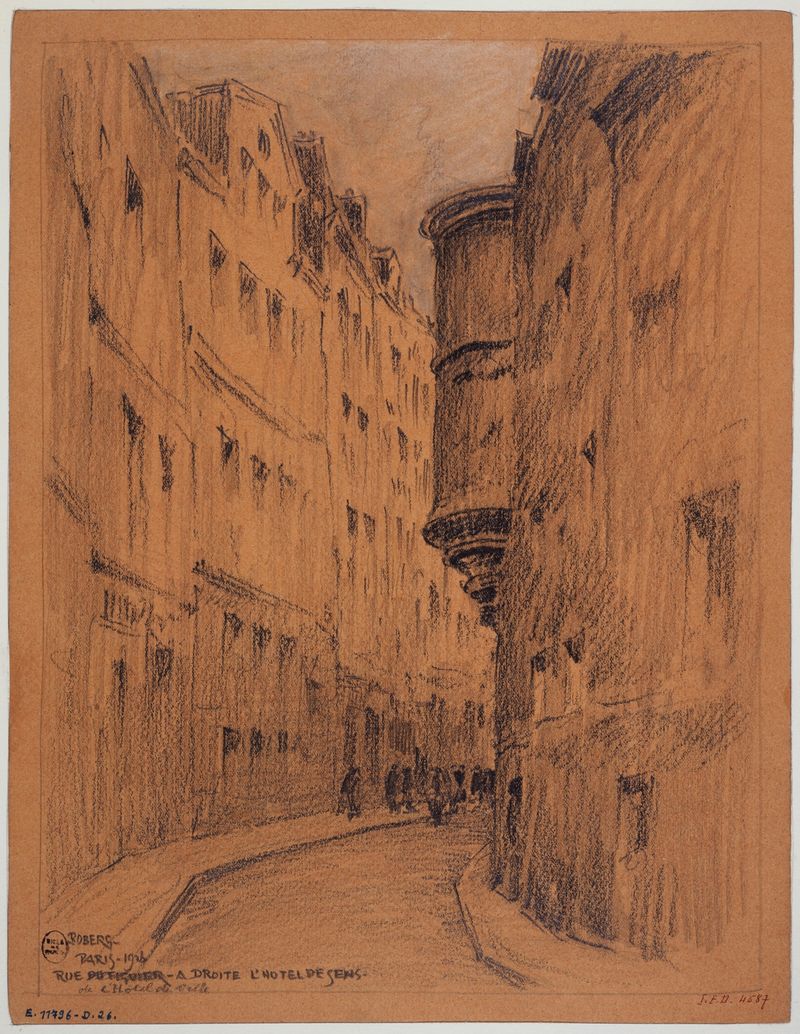
Rue de l’Hôtel de Ville; l’hôtel de Sens
Ferdinand Boberg
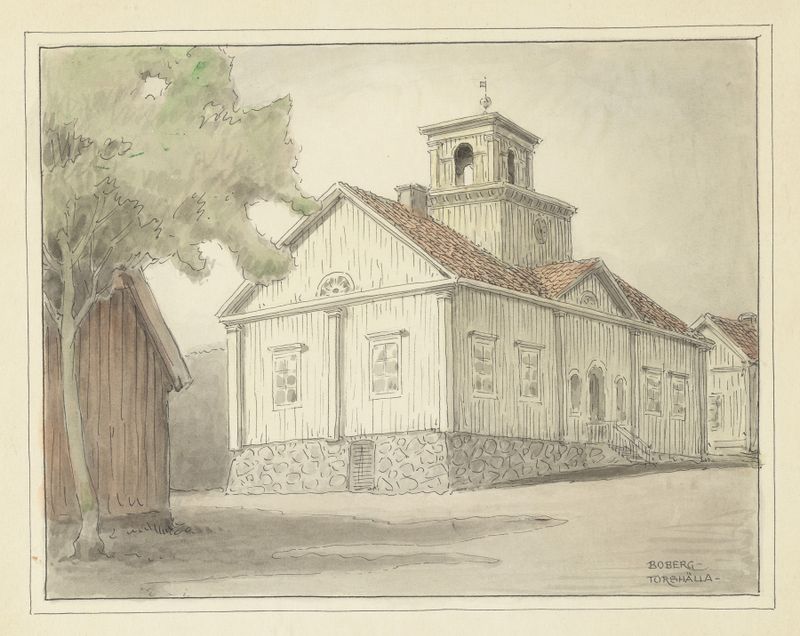
Torshälla
Ferdinand Boberg
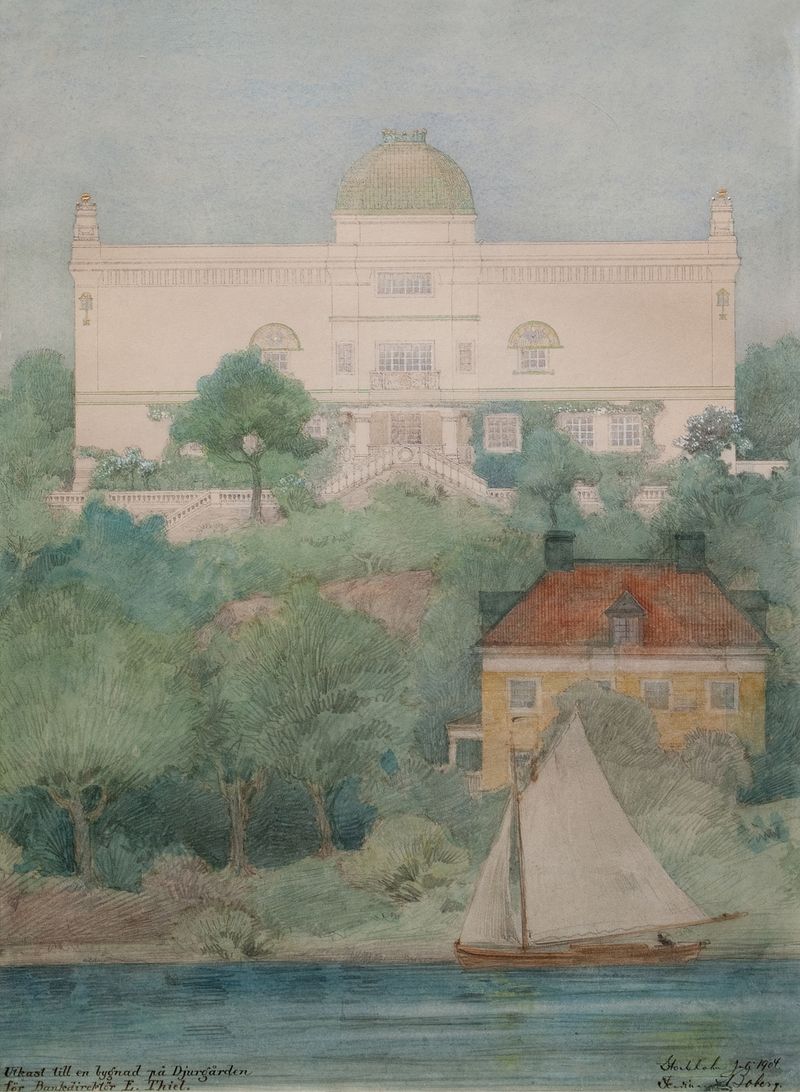
Sketch for a building for Thiel’s Gallery
Ferdinand Boberg
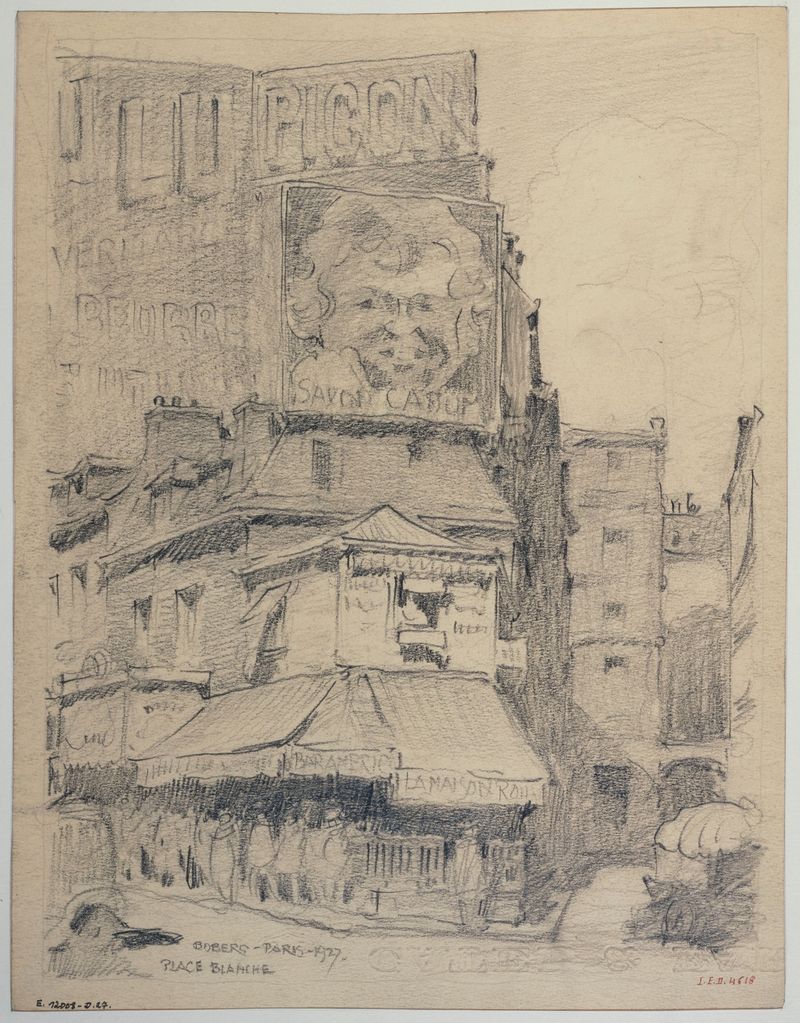
La place Blanche
Ferdinand Boberg





