
La rue Saint-Vincent — History & Facts
What secret hides in the quiet of the canvas? The stillness of La rue Saint-Vincent whispers tales of solitude and longing, inviting the viewer to step into a world suspended in time. Look to the left at the cobblestone path curving shyly into the distance, framed by humble, weathered buildings. The muted palette—soft greys and dusty browns—imbues the scene with a poignant nostalgia. Notice how the light gently filters through the overhanging eaves, casting delicate shadows that dance across the ground, suggesting the passage of day while hinting at the encroaching twilight of nightfall. Within this serene street, emotional tensions simmer beneath the surface.
The absence of figures amplifies the sense of loneliness, transforming a mere street into a character itself—an observer of untold stories. The slight incline of the road suggests a journey, one that remains incomplete, mirroring the unfulfilled desires that often accompany isolation. Each building stands as a silent witness, their façades etched with the weight of countless days gone by, evoking a deep connection to the human experience. In 1925, Boberg painted this with a keen eye for the nuances of urban life, capturing the essence of a Parisian street while reflecting his own introspective nature.
At the time, the art world was evolving, with movements like Impressionism giving way to new forms of expression. Boberg, deeply influenced by the quietude of his surroundings, sought to convey a sense of stillness amidst a changing landscape, positioning La rue Saint-Vincent as both a moment in time and a reflection of the human condition.
More Artworks by Ferdinand Boberg
Browse all →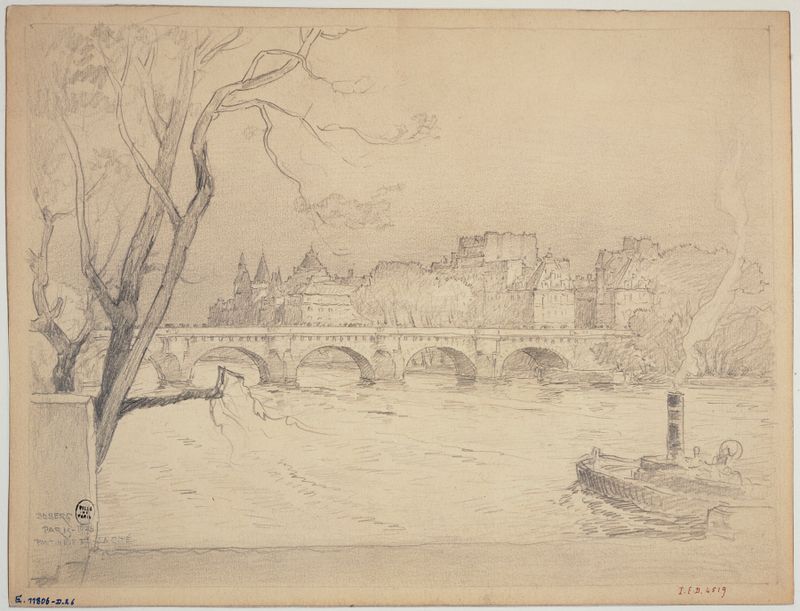
Le Pont-Neuf et la Cité
Ferdinand Boberg
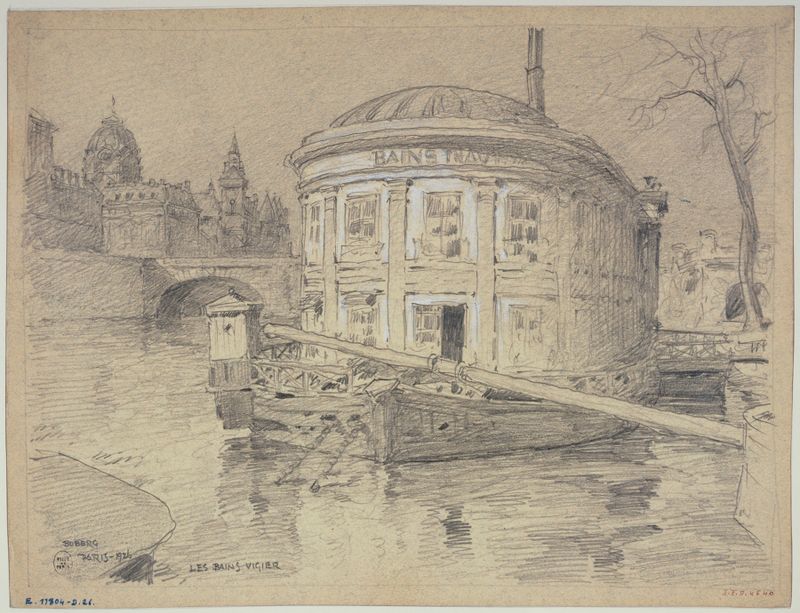
Les bains Vigier au Pont-Neuf
Ferdinand Boberg
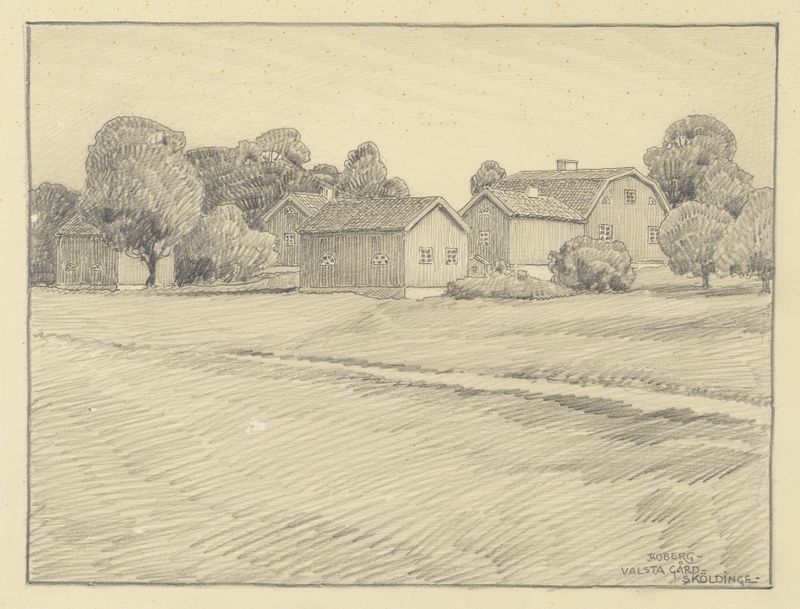
Valsta Gård
Ferdinand Boberg
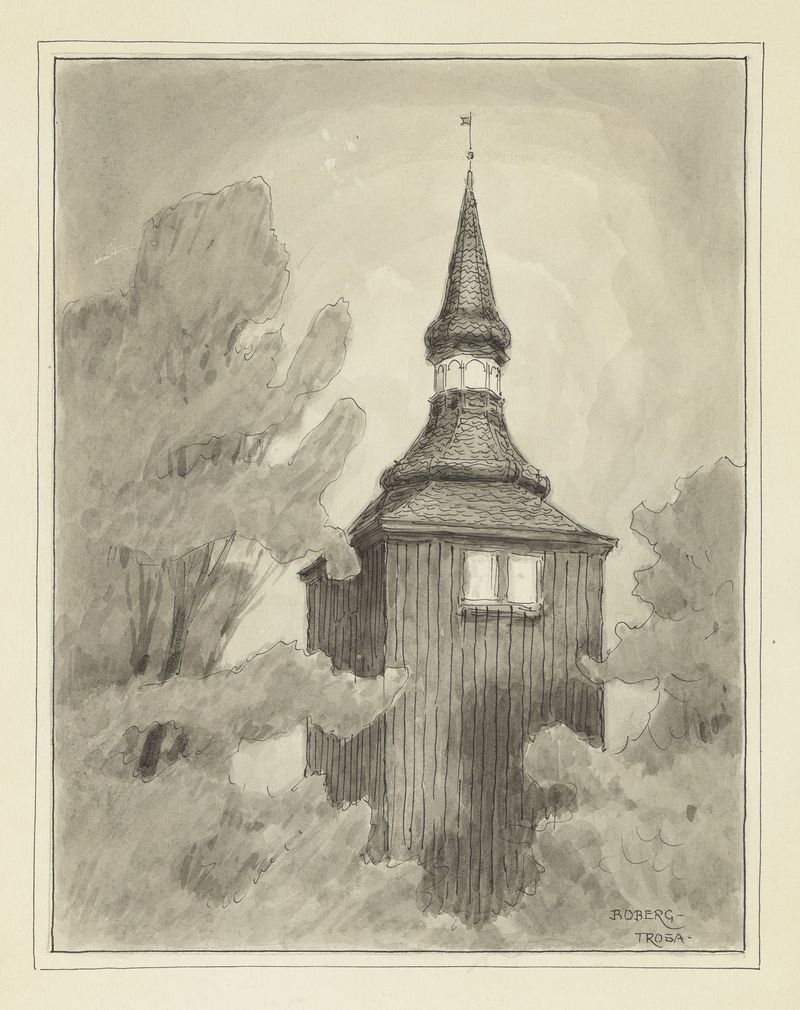
Trosa
Ferdinand Boberg
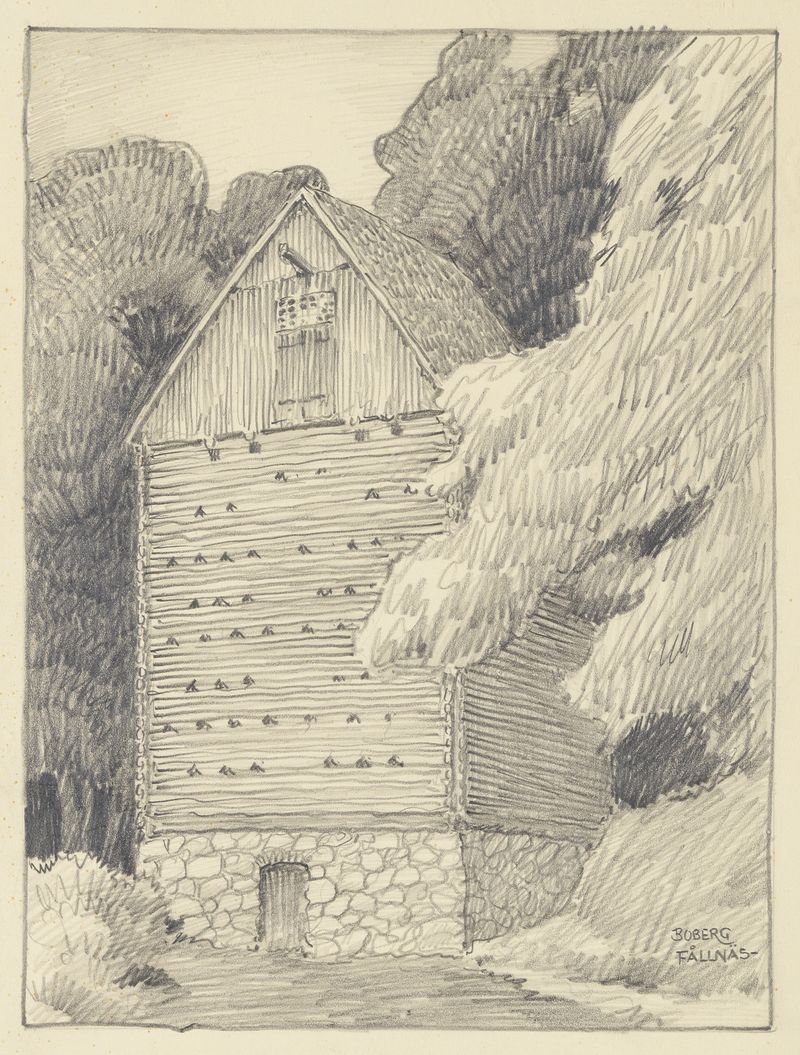
Fållnäs
Ferdinand Boberg
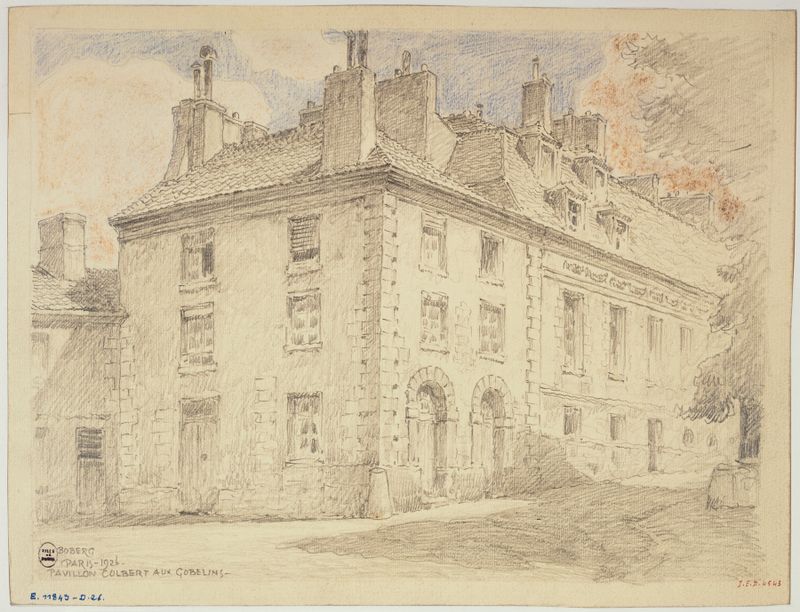
Le pavillon Colbert aux Gobelins
Ferdinand Boberg
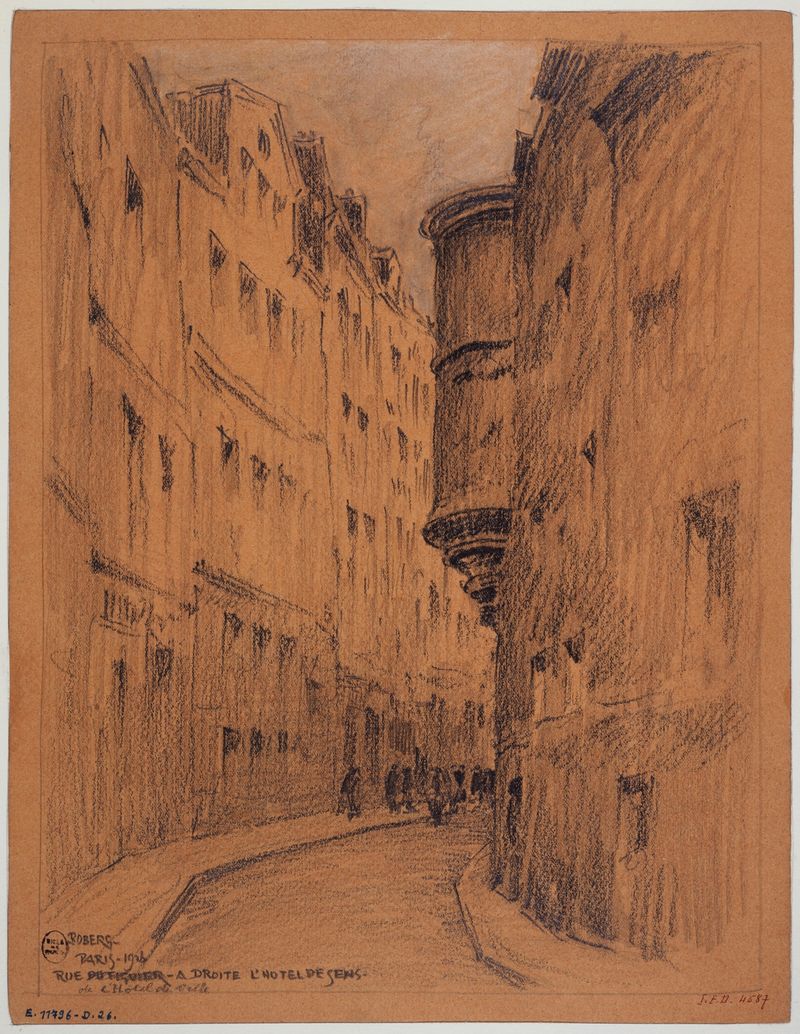
Rue de l’Hôtel de Ville; l’hôtel de Sens
Ferdinand Boberg
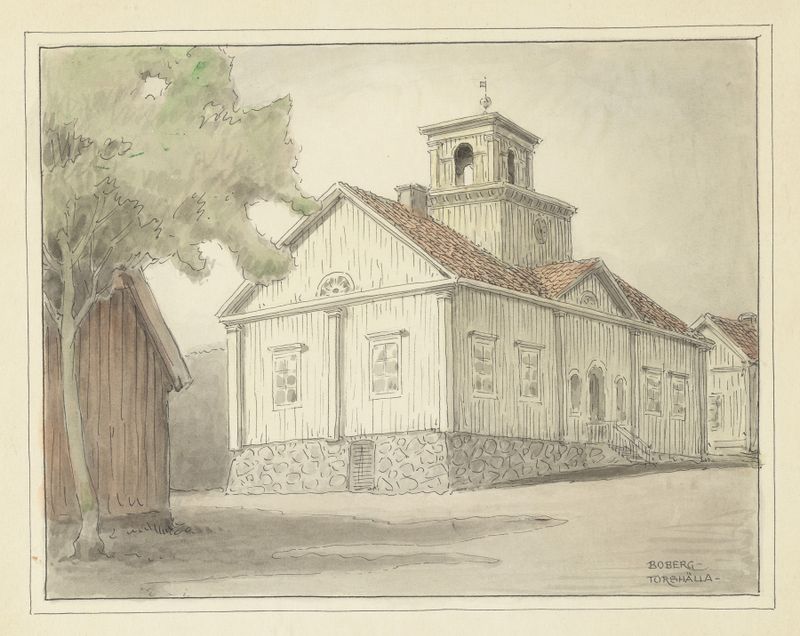
Torshälla
Ferdinand Boberg
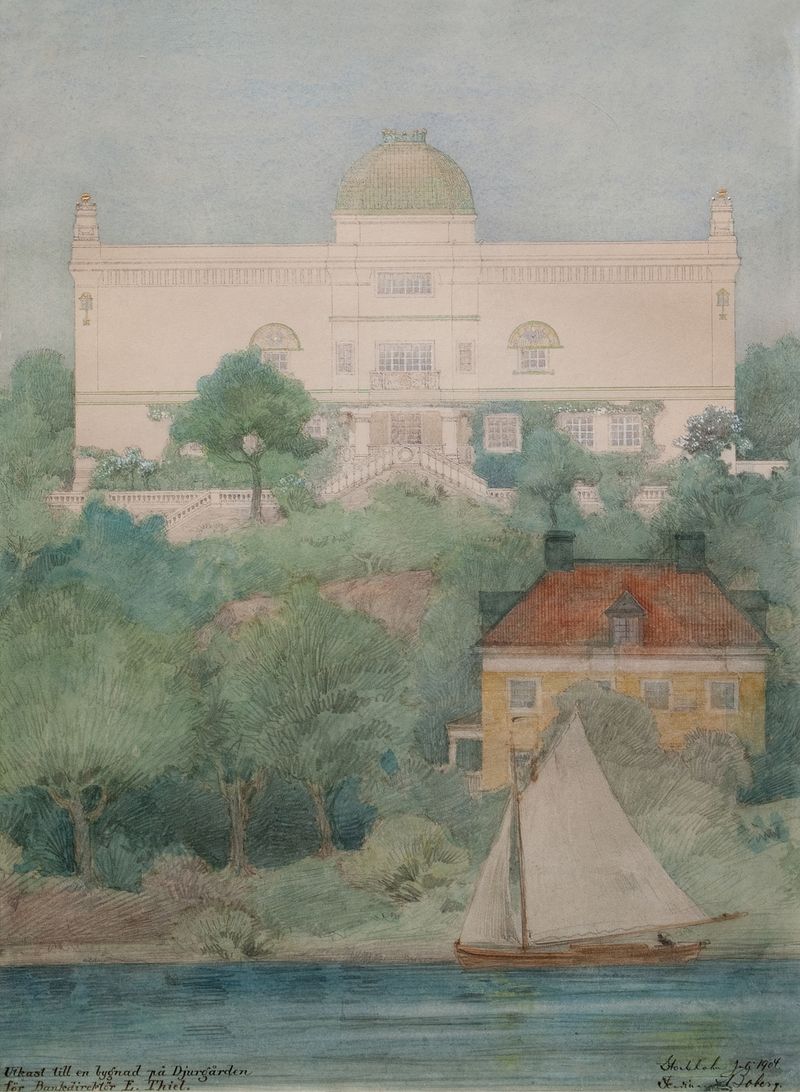
Sketch for a building for Thiel’s Gallery
Ferdinand Boberg
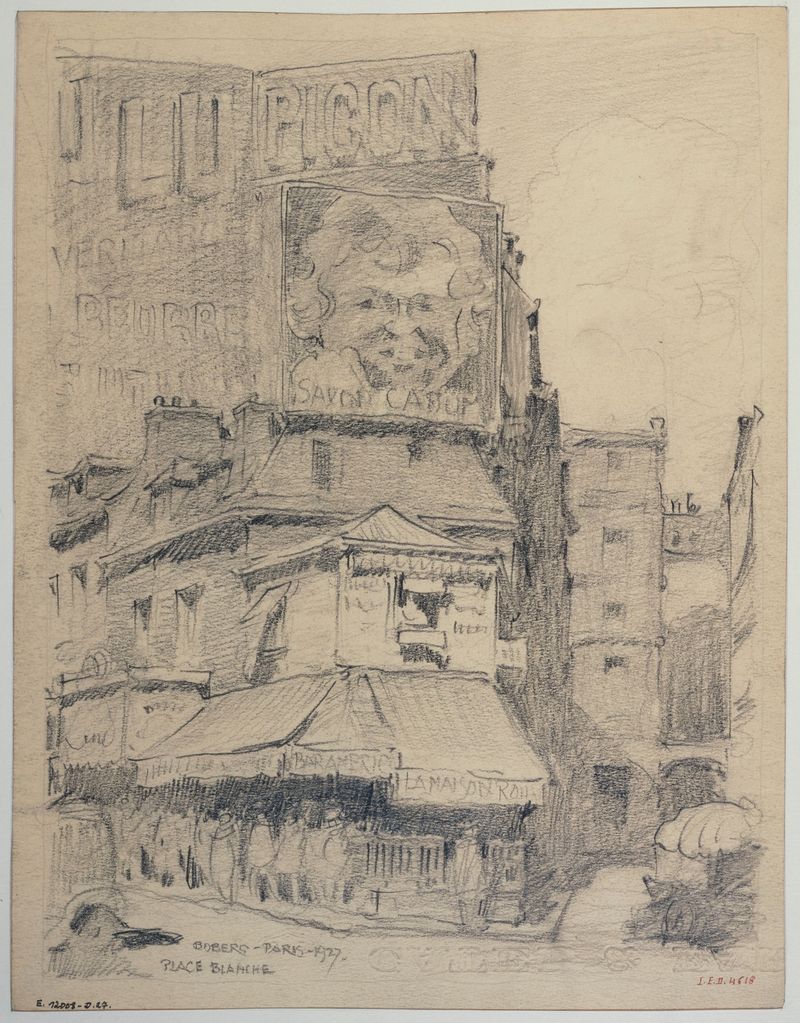
La place Blanche
Ferdinand Boberg





