
La ruta abandonada — History & Facts
Can beauty exist without sorrow? In La ruta abandonada, the question lingers beneath layers of muted colors and desolate landscapes, inviting the viewer to journey into a dreamlike trance. Look to the left where the weary path stretches out, bordered by wilted trees that lean as if in mourning. The brushstrokes, thick and deliberate, create a sense of texture that pulls you closer, while the somber palette evokes a quiet melancholy. Notice how the fading light dapples the ground, casting lengths of shadow that contribute to the feeling of abandonment.
The artist’s composition expertly guides the eye along the trail, hinting at a story of loss yet to be discovered. Deeper insights emerge as you examine the neglected surroundings. The intertwined branches suggest a struggle between life and decay, while the distant horizon blurs into a hazy uncertainty, symbolizing dreams unfulfilled. Every detail—the cracked earth and the almost ghostly quality of the landscape—evokes a profound sense of nostalgia.
This duality of beauty and sorrow presents a contrast that resonates with the essence of the human experience, leaving us to ponder what remnants of hope lie hidden beneath. Created in 1904, this work reflects a transitional moment in Raffaëlli’s career, during which he endeavored to capture the essence of urban and rural life through a lens of realism infused with emotion. Living in Paris amidst the rise of Impressionism and Post-Impressionism, he sought to explore the complexities of the human condition, resulting in a poignant interplay between light and shadow that defines this piece.
More Artworks by Jean François Raffaëlli
Browse all →
Autumn In Paris
Jean François Raffaëlli

Le jardin du Luxembourg
Jean François Raffaëlli
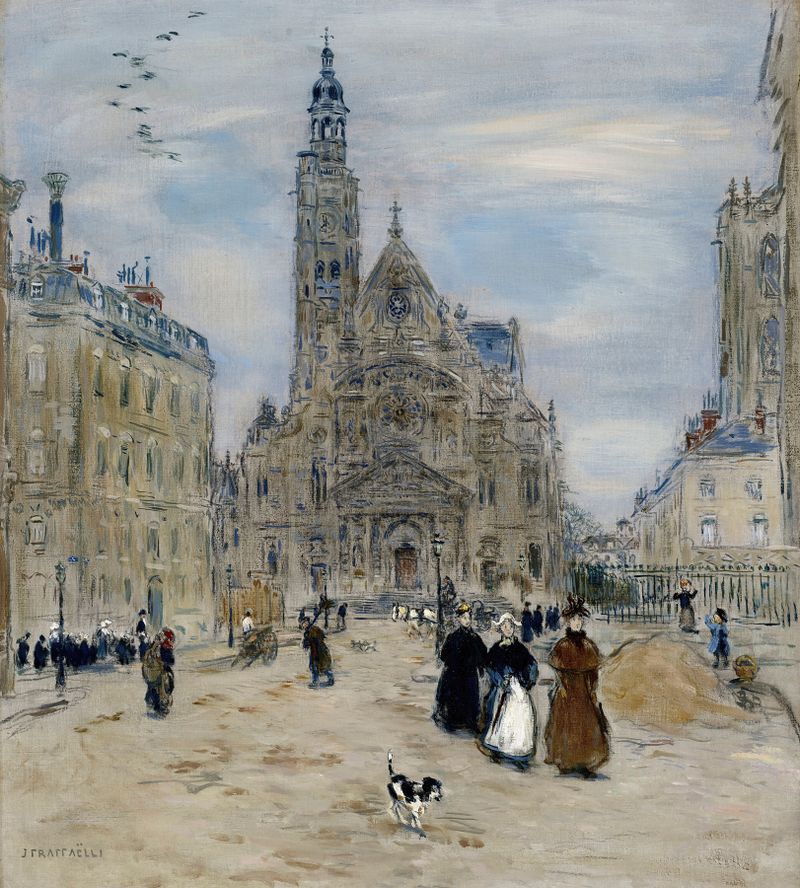
Saint-Étienne-du-Mont, Paris
Jean François Raffaëlli
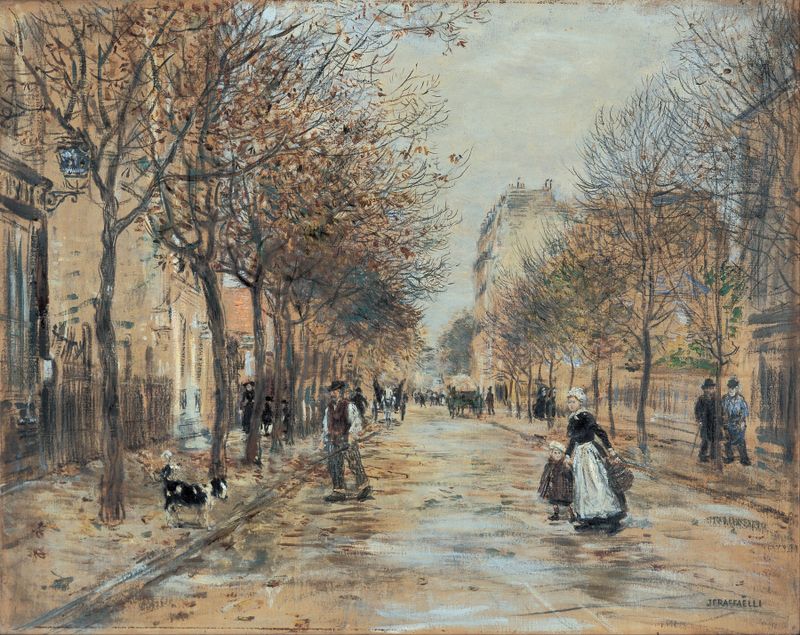
Street in Asnières
Jean François Raffaëlli
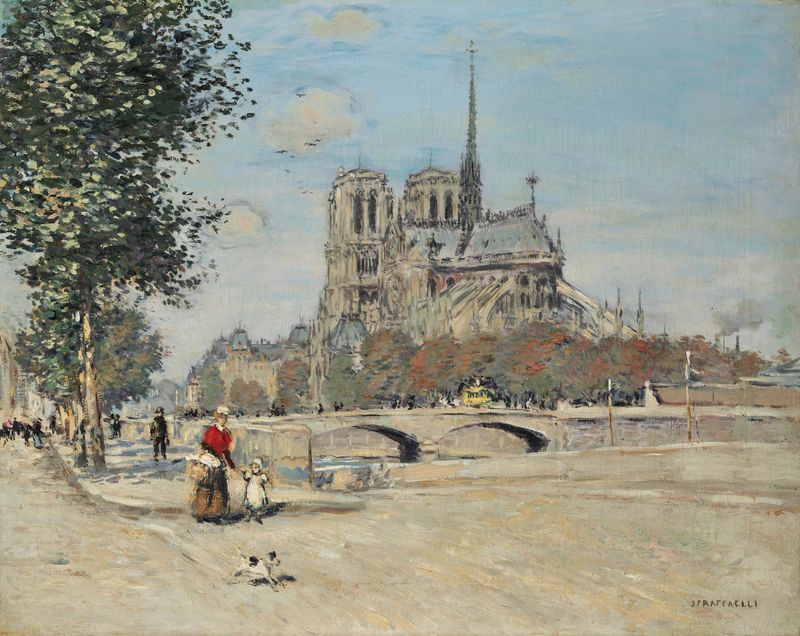
Notre-Dame de Paris et le pont de l’Archevêché
Jean François Raffaëlli

Place de Saint-Germain des Prés, Paris
Jean François Raffaëlli
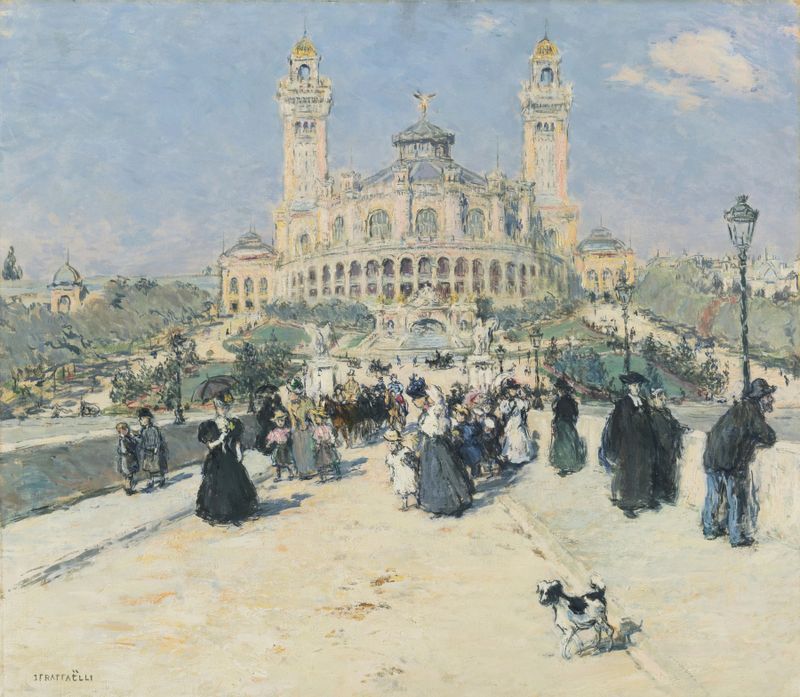
Le Trocadéro
Jean François Raffaëlli

Les Champs-Élysées
Jean François Raffaëlli

Le boulevard des Italiens
Jean François Raffaëlli

The Quai Malaquais, Paris
Jean François Raffaëlli





