
La Seine et le Pont Neuf — History & Facts
What secret hides in the quiet of the canvas? The stillness of La Seine et le Pont Neuf invites us to ponder the hidden narratives beneath its serene surface. In this work, the composition carries a delicate tension, balancing the natural and the constructed, revealing the relationship between humanity and the environment. Focus first on the gentle curve of the Seine, which slices through the canvas like a ribbon, drawing the viewer’s gaze toward the elegantly arching Pont Neuf. Notice how the soft blues and greens of the river reflect a tranquil sky, while the bridge, painted in warmer hues, radiates a sense of stability and permanence.
The careful brushwork enhances the play of light on the water, creating a shimmering effect that brings the scene to life, inviting contemplation. Yet, the contrasts in the piece reveal deeper tensions: the harmony of nature against the steadfastness of man-made structures, and the fluidity of water juxtaposed with the solidity of stone. Look closely, and you might feel the whisper of time; the bridge stands as a witness to stories untold, while the river flows, erasing and transforming with each passing moment. These elements speak of creation and continuity, urging us to reflect on our own place within this eternal cycle. In 1926, as Boberg crafted this work, he was immersed in the vibrant artistic dialogue of post-war Europe, where the echoes of modernism were reshaping perspectives.
Living in Paris, he was influenced by the city’s dynamic atmosphere and the interplay of light and architecture that defined it. During this period, the art world was grappling with new forms of expression, making his serene depiction of the Seine a poignant commentary on the beauty found in the everyday.
More Artworks by Ferdinand Boberg
Browse all →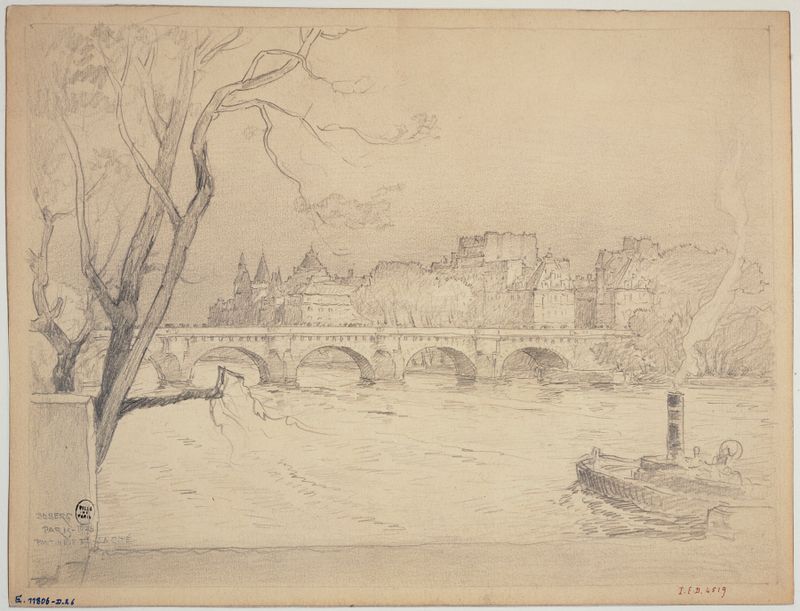
Le Pont-Neuf et la Cité
Ferdinand Boberg
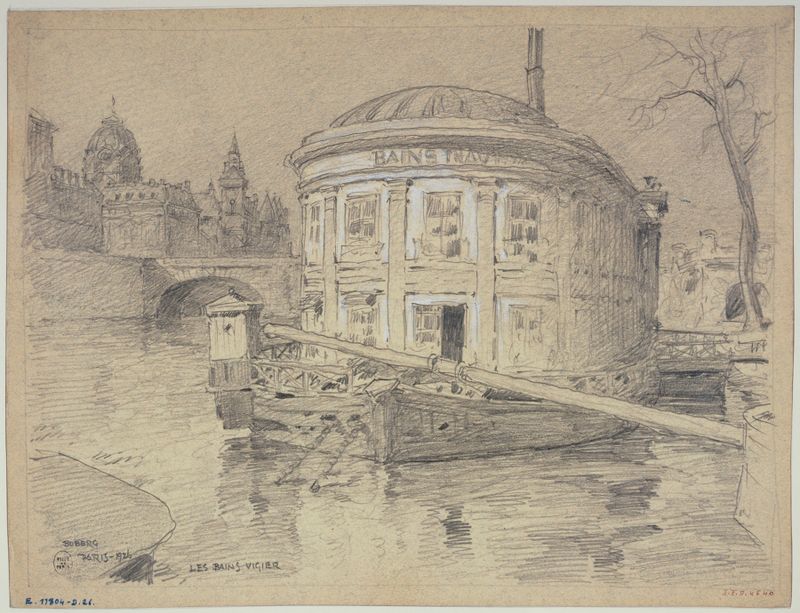
Les bains Vigier au Pont-Neuf
Ferdinand Boberg
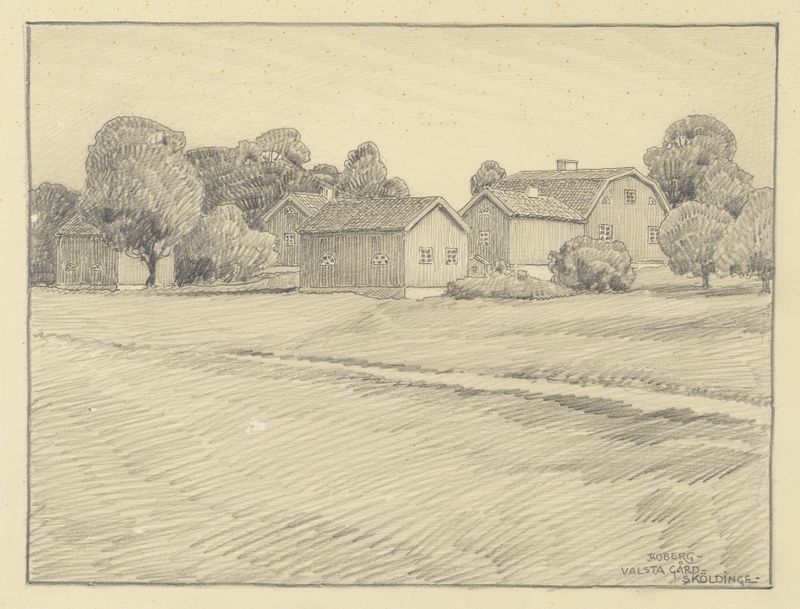
Valsta Gård
Ferdinand Boberg
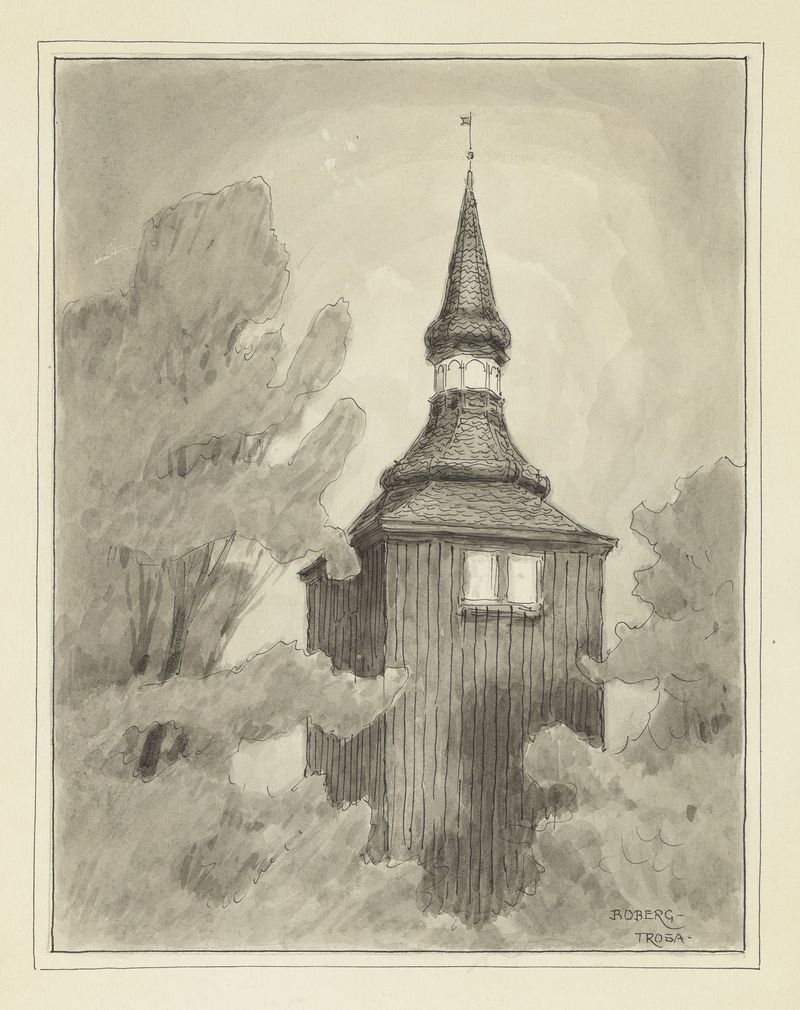
Trosa
Ferdinand Boberg
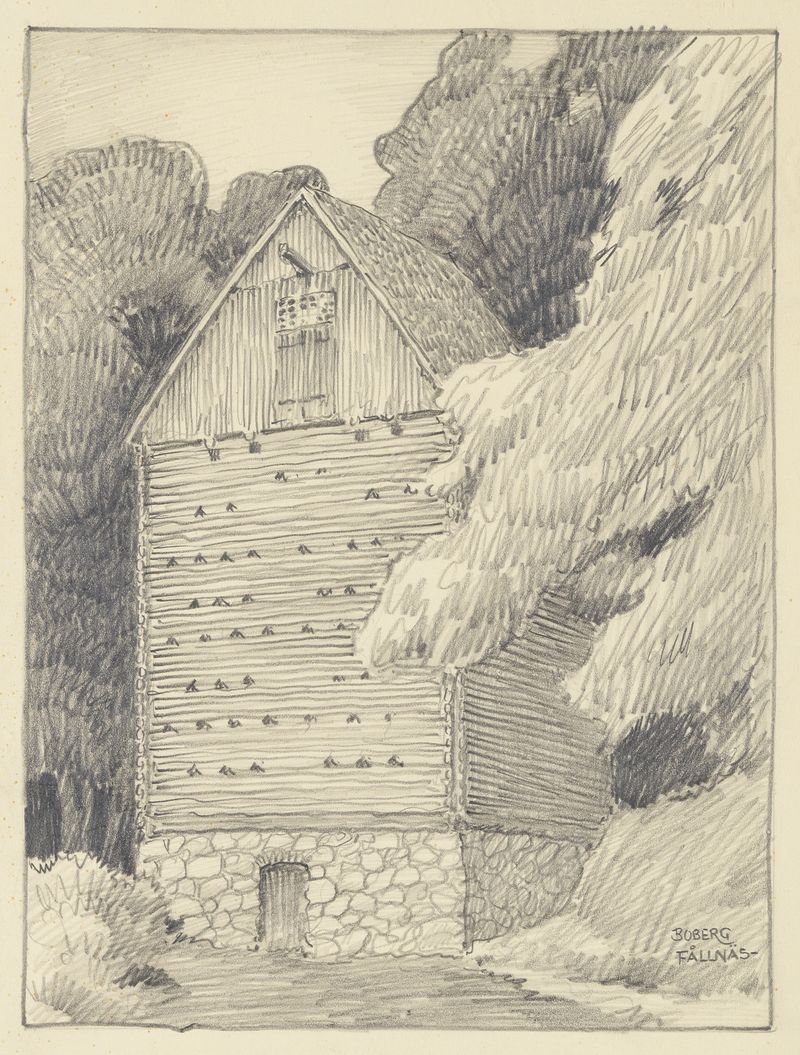
Fållnäs
Ferdinand Boberg
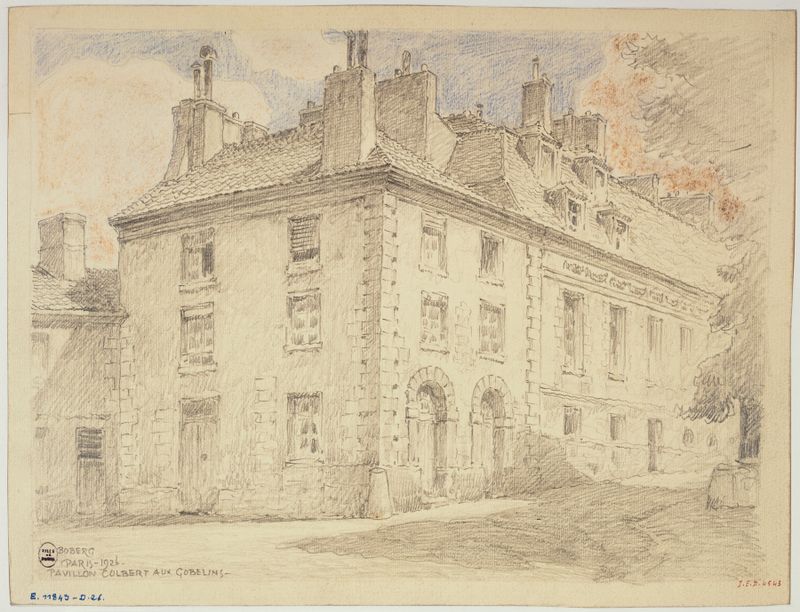
Le pavillon Colbert aux Gobelins
Ferdinand Boberg
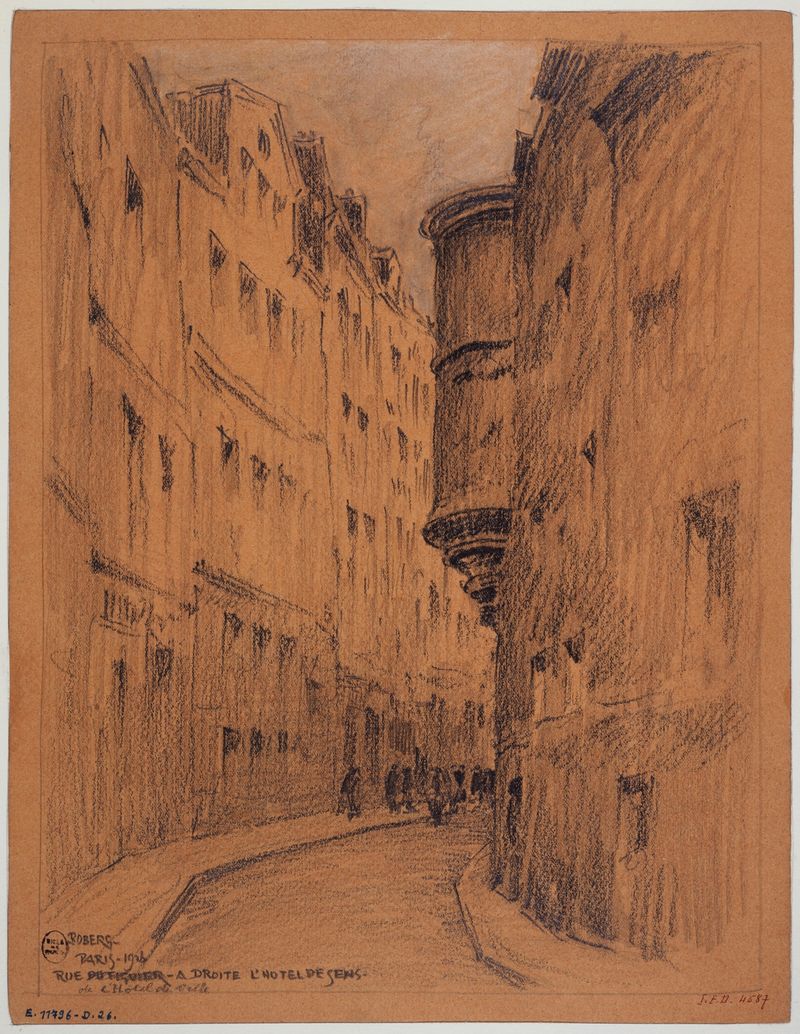
Rue de l’Hôtel de Ville; l’hôtel de Sens
Ferdinand Boberg
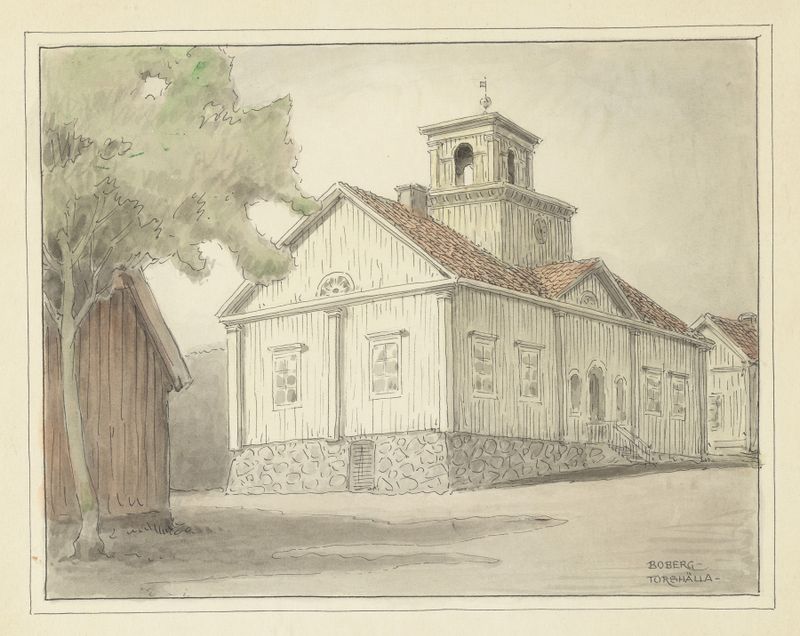
Torshälla
Ferdinand Boberg
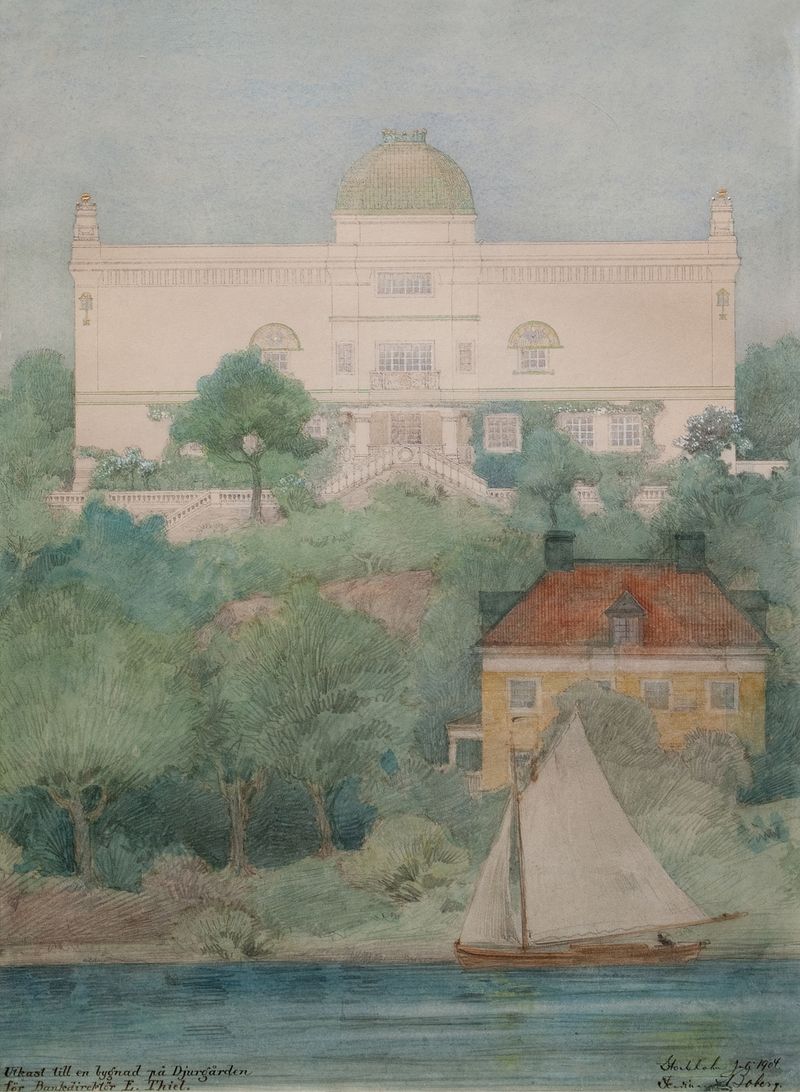
Sketch for a building for Thiel’s Gallery
Ferdinand Boberg
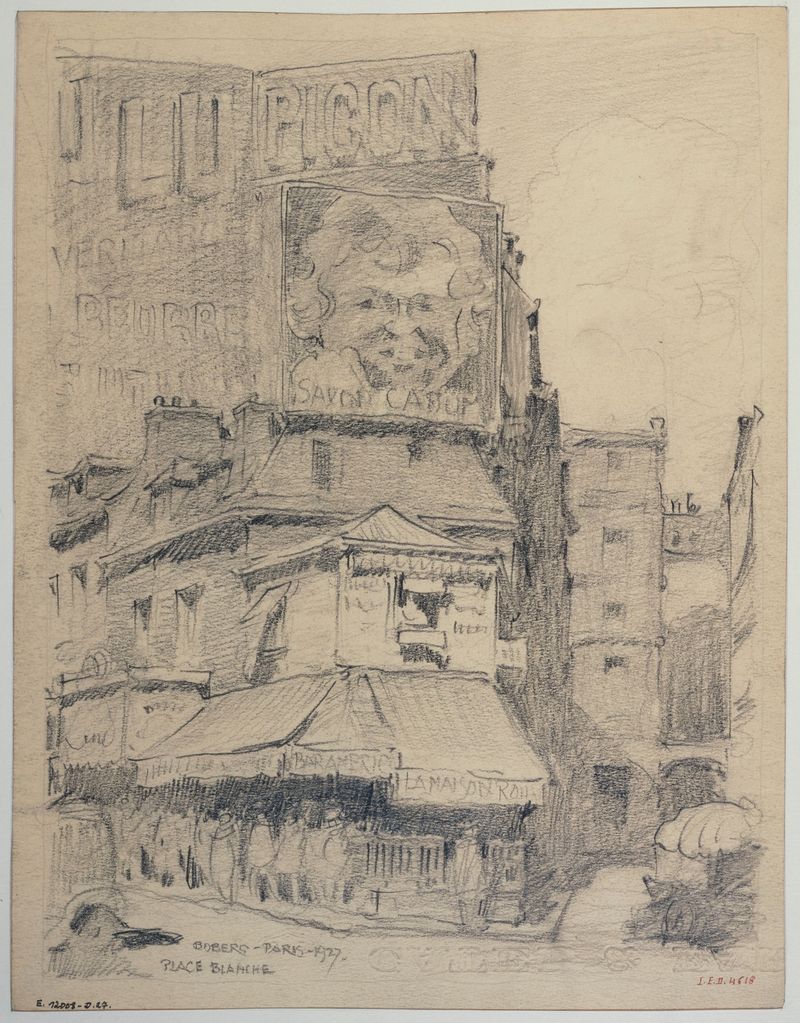
La place Blanche
Ferdinand Boberg





