
La Siesta — History & Facts
Four figures lie scattered across a sunlit field, each draped in pale garments that glow against the vivid green grass. The nearest figure, positioned at the lower right, rests on her side with one arm curled beneath her head and her face turned gently toward the viewer, her dark hair contrasting with the soft pink and white of her dress. To her left, another woman lies on her stomach, her head turned away, with reddish hair catching the light and her white dress blending into the sun-drenched grass.
Further back, two more figures recline in the grass, their bodies partially obscured by the sweeping brushstrokes of green and yellow, suggesting dappled sunlight and the uneven surface of the ground. The field itself is painted with energetic, broad strokes, the greens ranging from deep shadow to bright, almost lemon yellow, giving a sense of shimmering heat and movement in the air. Areas of the canvas are left loosely defined, with the forms of the women and the grass merging at the edges, emphasizing the softness of the siesta and the enveloping warmth of the afternoon.
Light falls unevenly across the scene, illuminating the white dresses and picking out highlights in the grass, while shadows pool beneath the resting bodies. The composition is arranged diagonally, with the figures leading the eye from the lower right corner to the upper left, creating a gentle rhythm that echoes the relaxed poses of the sleepers. Joaquín Sorolla paints with visible, fluid brushstrokes that capture the fleeting effects of sunlight and the softness of fabric and grass.
Touches of pink, blue, and ochre add depth to the white dresses, while the background dissolves into patches of yellow and green, suggesting the heat and haze of midday. The artist signs and dates the work at the lower right, anchoring the composition with his distinctive hand. La siesta is created by Joaquín Sorolla in 1911.
Sources: Wikidata Q135617879
More Artworks by Joaquín Sorolla

Sad Inheritance
Joaquín Sorolla
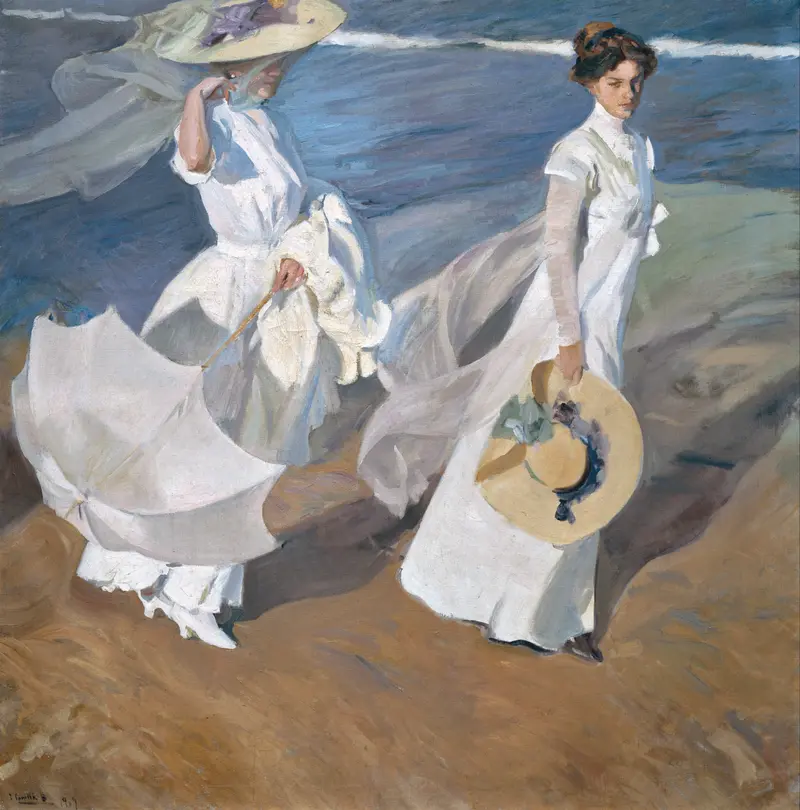
Walk on the Beach
Joaquín Sorolla

Mother
Joaquín Sorolla
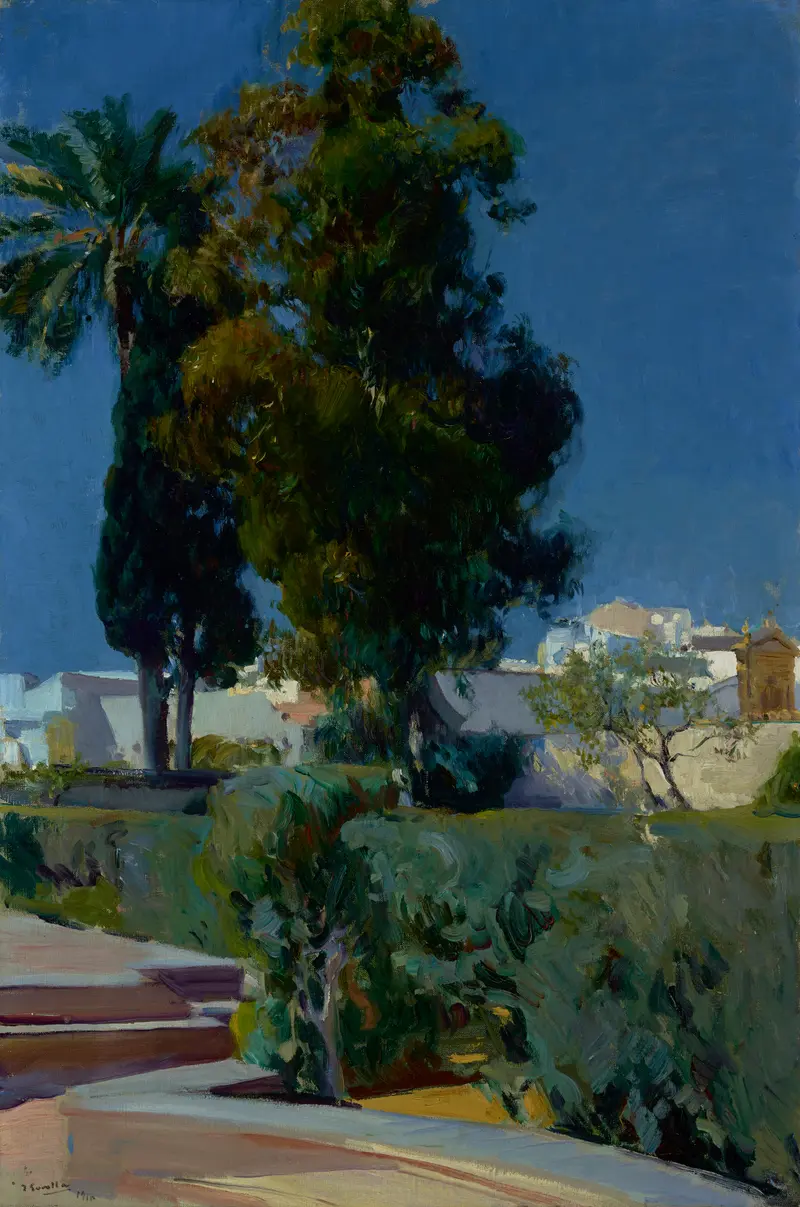
Corner of the Garden, Alcazar, Sevilla
Joaquín Sorolla

Fishing Boats On The Beach, Valencia
Joaquín Sorolla
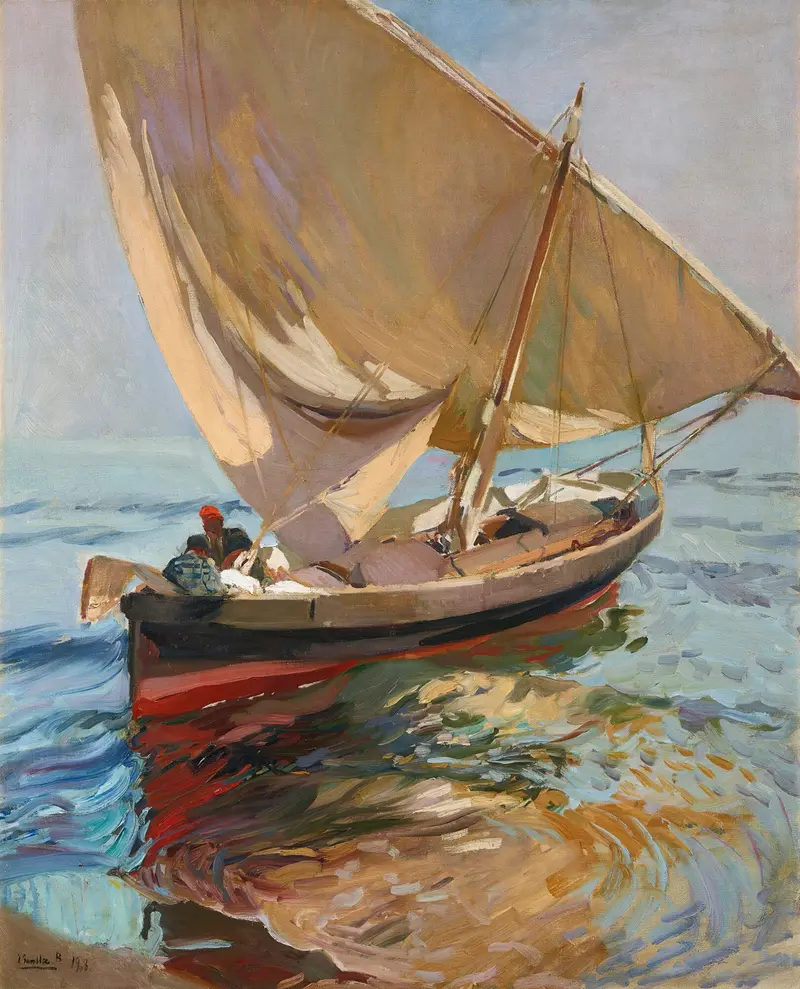
Camino De La Pesca. Valencia (Setting Out To Sea. Valencia)
Joaquín Sorolla
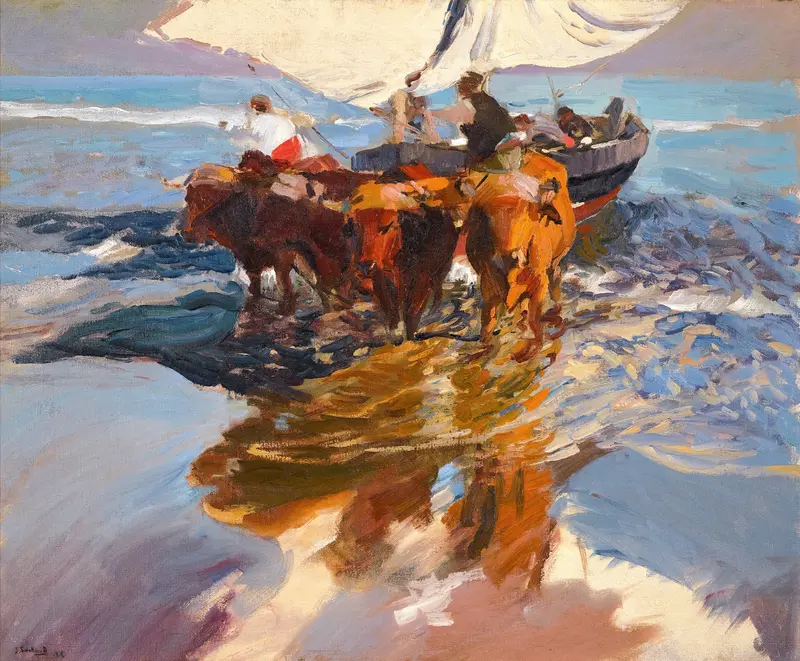
Vuelta De La Pesca. Playa De Valencia (The Return From Fishing, Valencia Beach)
Joaquín Sorolla
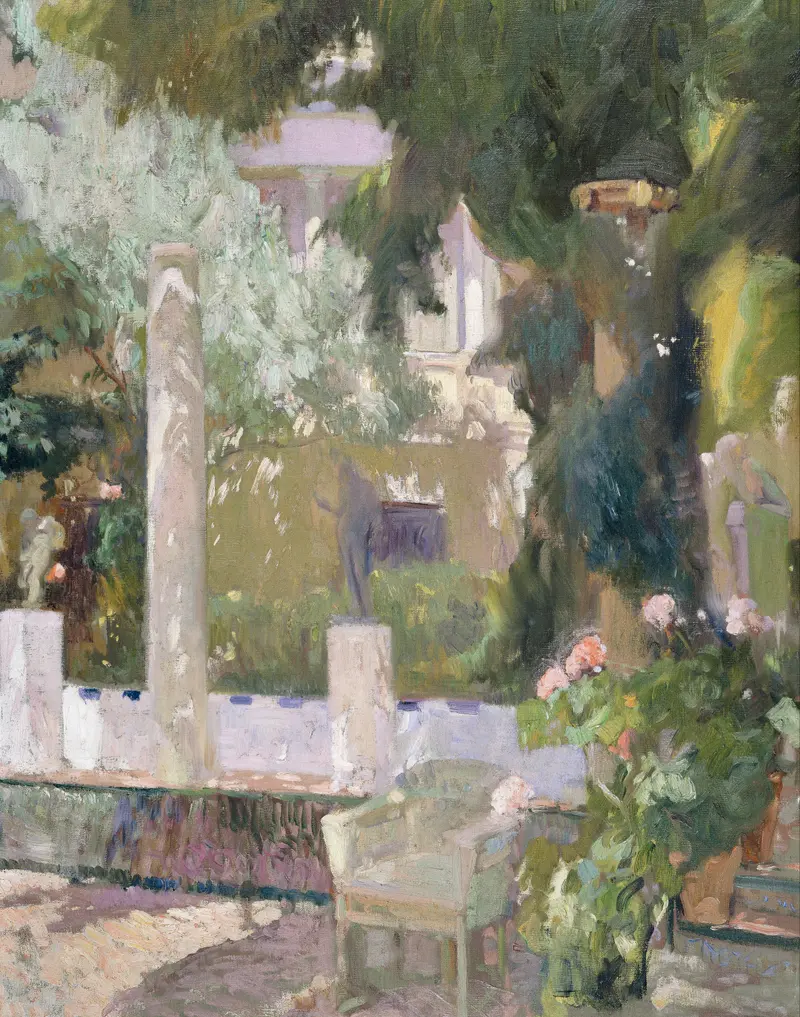
The Gardens at the Sorolla Family House
Joaquín Sorolla
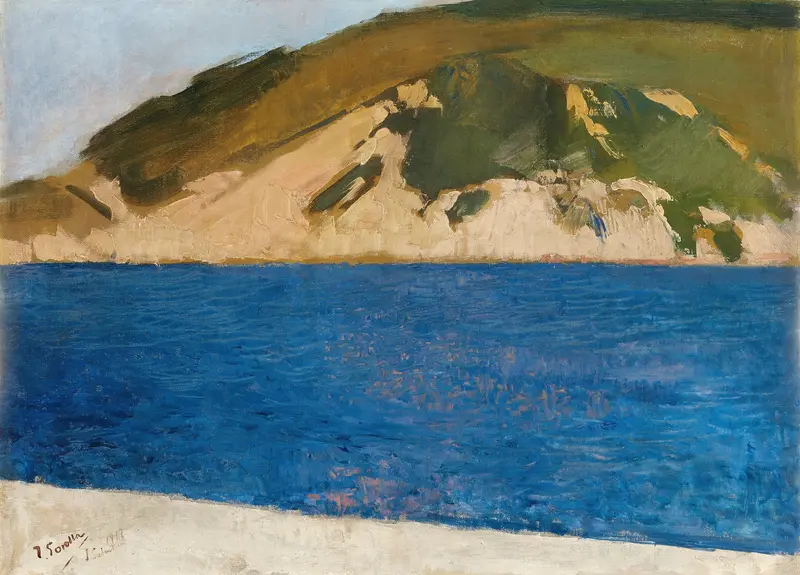
Monte Ulía, San Sebastián
Joaquín Sorolla

Barcas En La Playa
Joaquín Sorolla
More Genre Scene Art

Banquet of the Officers of the St George Civic Guard
Frans Hals

Rembrandt and Saskia in the Scene of the Prodigal Son
Rembrandt van Rijn

Bal du moulin de la Galette
Pierre-Auguste Renoir

Quadrille at the Moulin Rouge
Henri de Toulouse-Lautrec

A Burial at Ornans
Gustave Courbet

When Will You Marry?
Paul Gauguin