
Laakhaven en Laakmolen in Den Haag — History & Facts
Who listens when art speaks of silence? In Laakhaven en Laakmolen in Den Haag, the stillness of the scene beckons contemplation on the passage of time and the fragility of existence. Focus on the serene waterway that cuts through the canvas, reflecting the gentle hues of twilight. Notice how the artist employs a soft palette—muted blues and grays intermingled with the warm embrace of fading sunlight. The composition draws you in, inviting exploration along the banks, where the quaint buildings stand as sentinels of a bygone era.
Each brushstroke captures not just the physical space but also the ephemeral beauty of life and its inevitable silence. Delve deeper, and you will find contrasts woven into the fabric of the painting. The quiet water serves as a metaphor for mortality, mirroring both the serenity of a peaceful existence and the lurking shadows of impermanence. The delicate play of light and reflection hints at fleeting moments, urging viewers to ponder what lies beneath the surface—what stories have washed away with the tide of time? The juxtaposition of bustling life against such stillness reveals an emotional tension, a reminder of life’s transitory nature. During the years between 1888 and 1934, the artist captured this scene while living in the Netherlands, a time marked by significant artistic evolution and societal changes.
As Impressionism gained traction, Grondhout found his niche in the interplay of light and atmosphere, reflecting both personal experiences and the broader shifts occurring in the world of art. This work stands as a testament to his ability to merge tranquility with profound existential questions.
More Artworks by Willem Adrianus Grondhout
Browse all →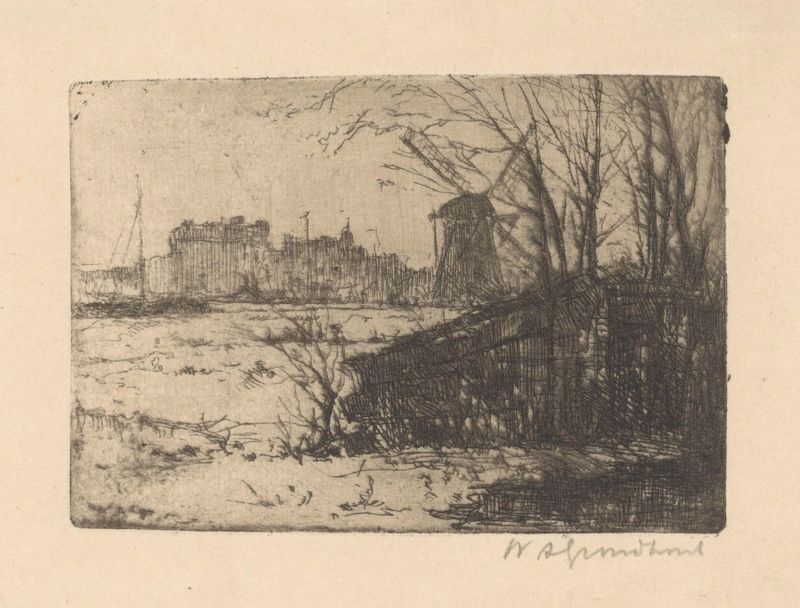
Landschap met molen in de Binckhorst in Den Haag
Willem Adrianus Grondhout
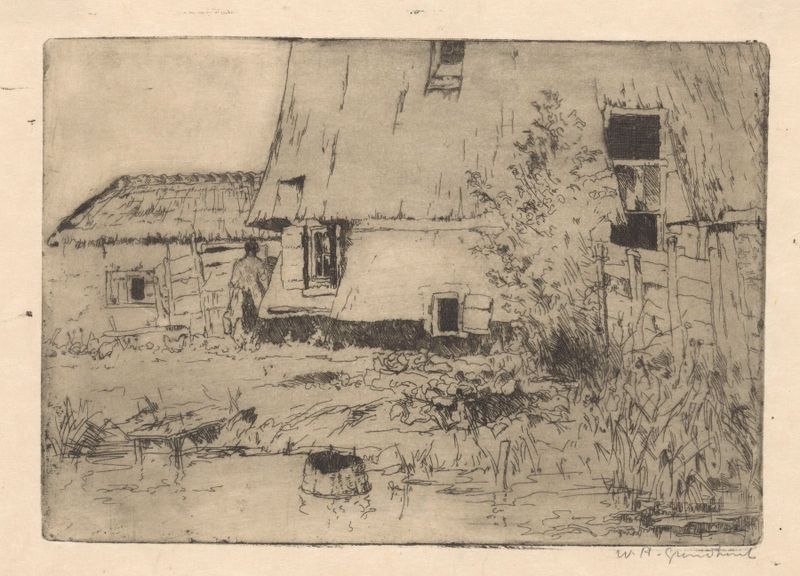
Voet van een molen in Voorburg
Willem Adrianus Grondhout
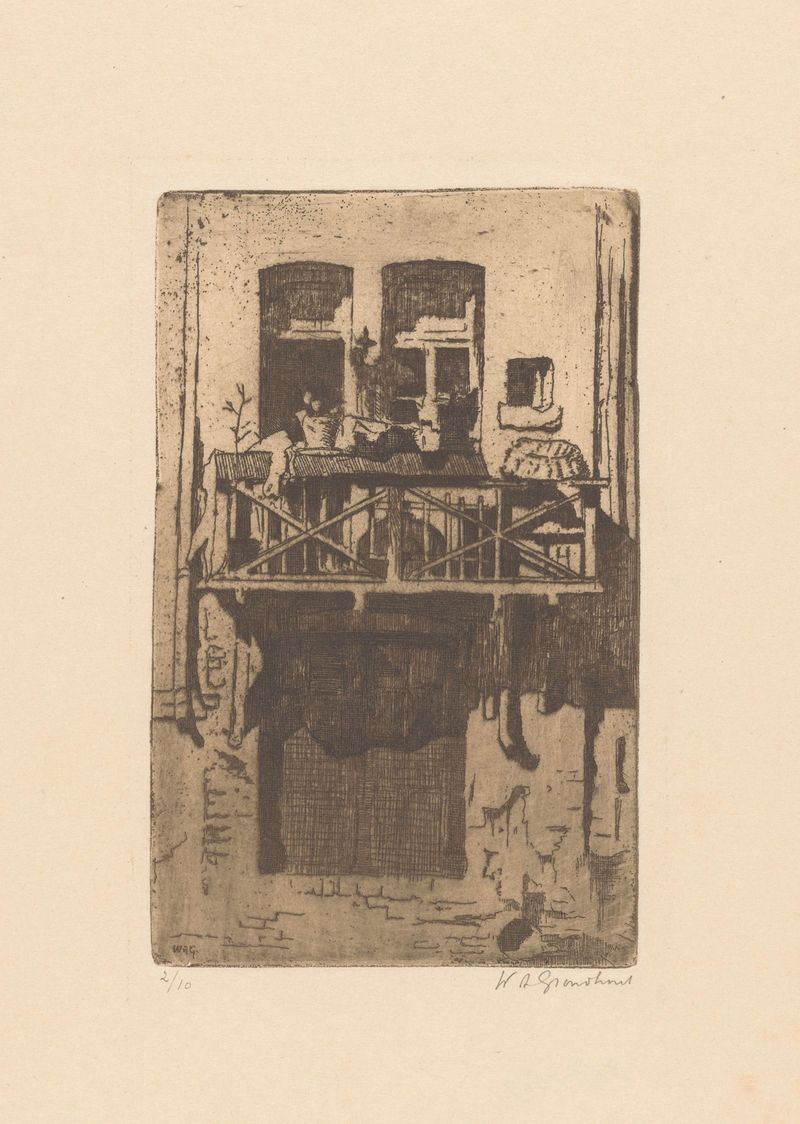
Balkon van een huis aan de Oudezijds Kolk in Amsterdam
Willem Adrianus Grondhout
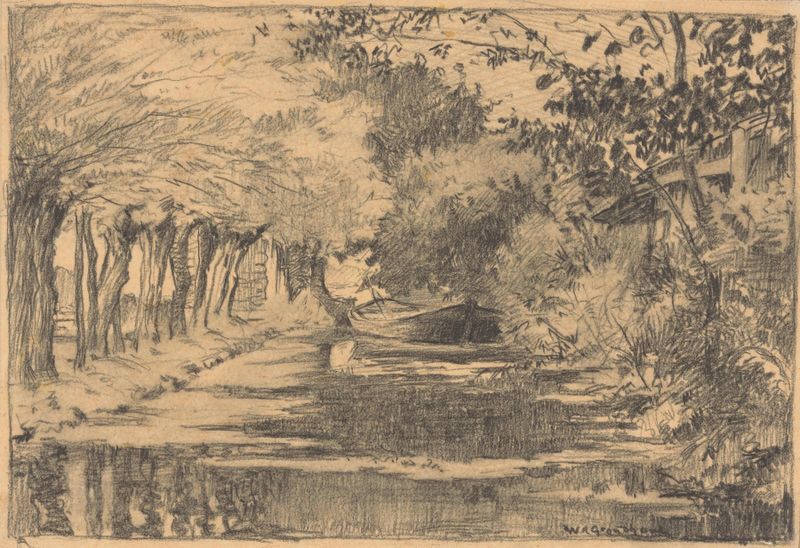
Broeksloot bij Voorburg
Willem Adrianus Grondhout
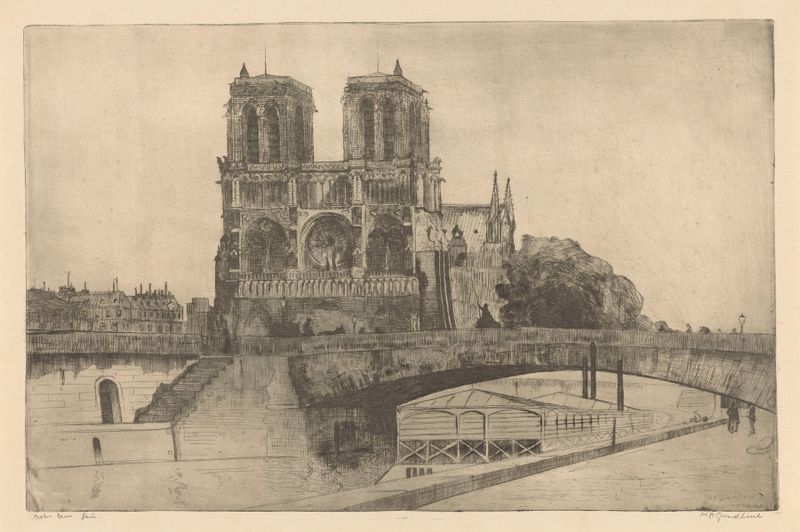
Notre-Dame, Paris
Willem Adrianus Grondhout
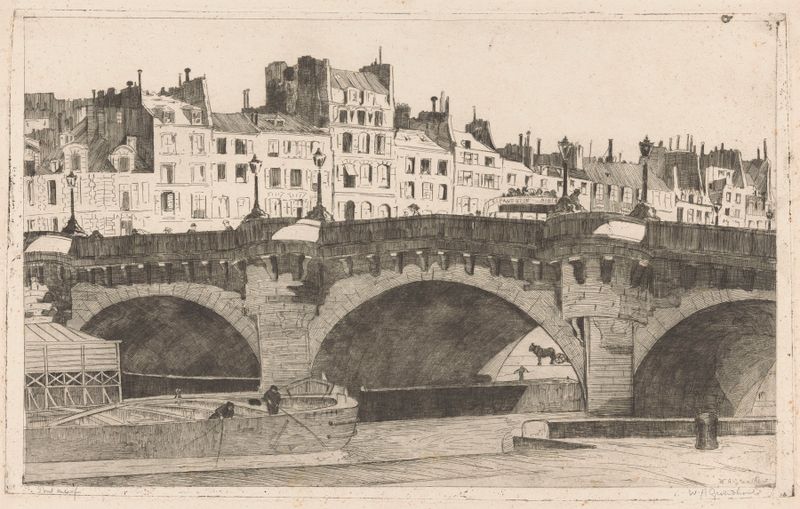
Pont Neuf
Willem Adrianus Grondhout
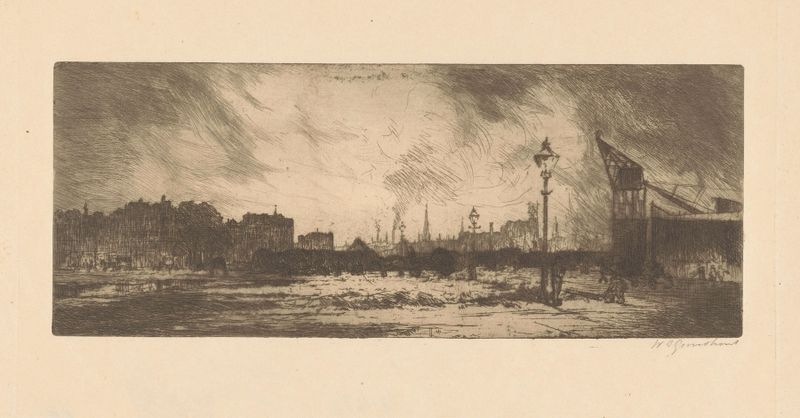
Havenkade met lantaarnpalen in Rotterdam
Willem Adrianus Grondhout
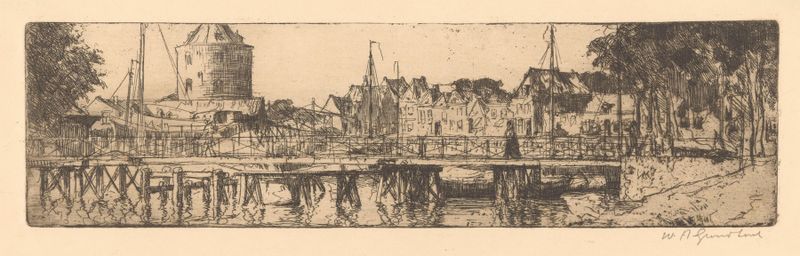
Enkhuizen
Willem Adrianus Grondhout
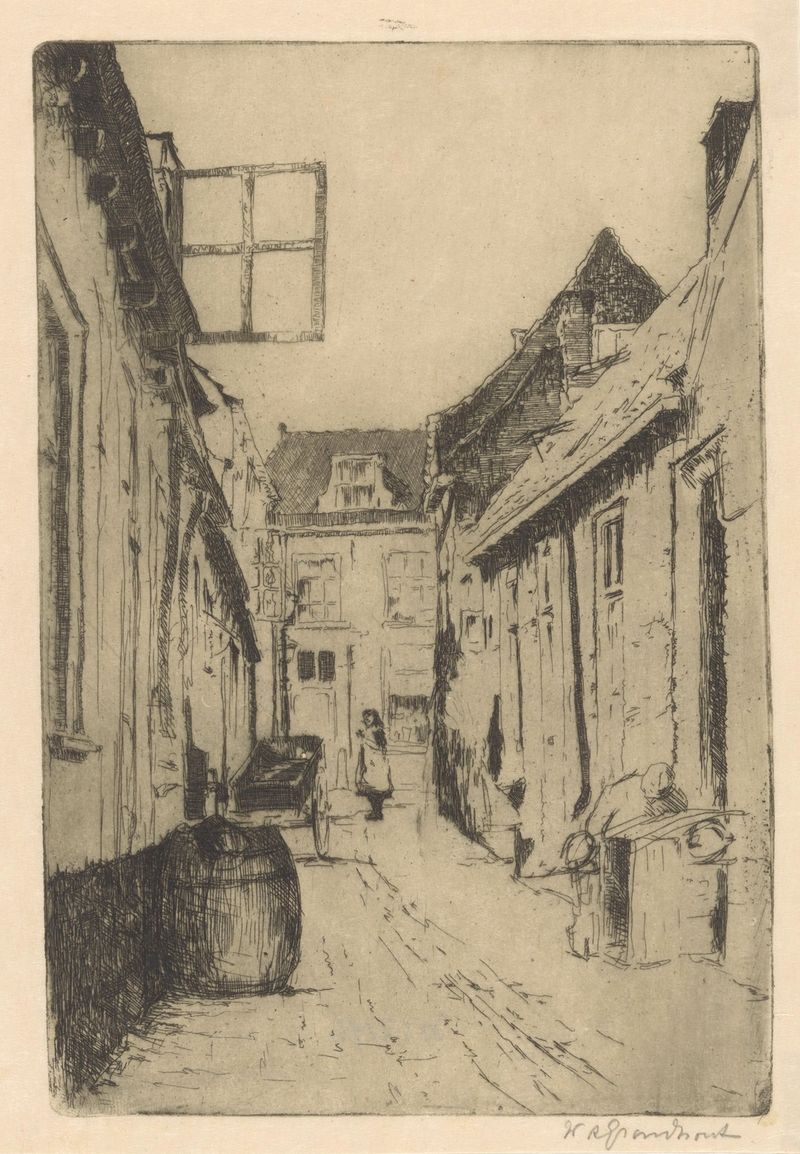
Straatje in Voorburg.
Willem Adrianus Grondhout
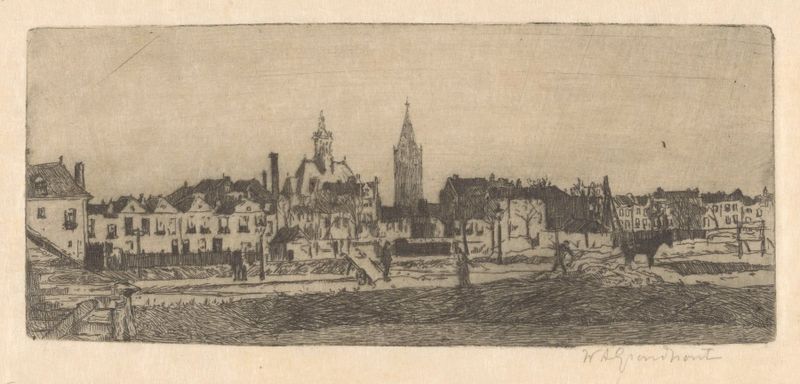
Delft
Willem Adrianus Grondhout





