
Laatste Avondmaal — History & Facts
Can beauty exist without sorrow? Wenceslaus Hollar's Laatste Avondmaal poses this question through the lens of a moment steeped in both grace and melancholy. The artwork captures the essence of a pivotal event, yet it whispers of the impending tragedy that shadows the figures gathered at the table. Look to the center, where the figures surround a low, laden table adorned with bread and wine. The masterful interplay of light and shadow dances across their faces, each gesture and expression telling a story of shared communion and hidden anguish.
Hollar's technique reveals a delicate balance between detailed realism and ethereal grace, inviting the viewer to linger on the tender vulnerability of the moment. The warm, earthy palette, punctuated by the glint of silverware, reinforces a sense of intimacy and familiarity, while also hinting at the looming specter of betrayal. In this gathering, contrasting emotions intertwine. Notice the serene faces that evoke a sense of unity against the impending separation, embodying both the joy of fellowship and the isolation of impending loss.
Each figure, meticulously rendered, seems to exist in a fragile balance, suggesting both a celebration and a mourning. The poignant tension in the composition reflects the duality of the human experience, where beauty often resides hand-in-hand with sorrow, making the scene resonate on a deeply emotional level. Created in 1670 during a time of religious strife and evolving artistic expression, Laatste Avondmaal reflects Hollar's exploration of movement and emotion, invigorated by the Baroque spirit. As an artist rooted in the tradition of detailed engravings, he sought to convey profound narratives through simplicity and precision.
This work emerged amid a burgeoning interest in depicting everyday life and spiritual experiences, marking a significant moment in the trajectory of 17th-century art.
More Artworks by Wenceslaus Hollar
Browse all →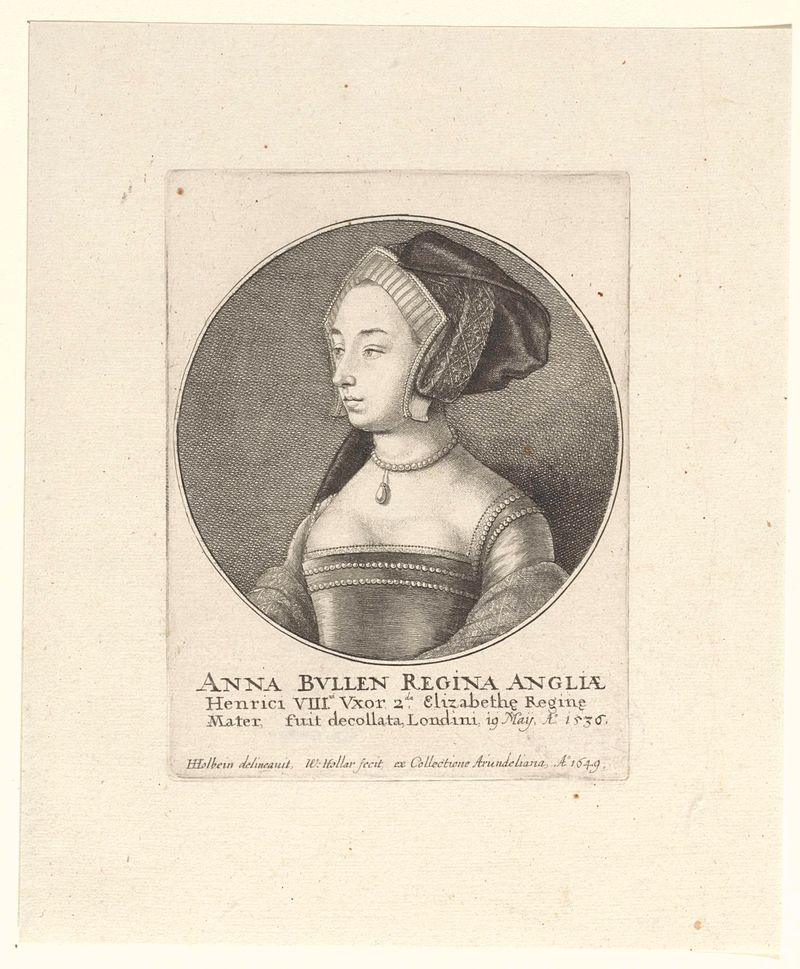
Portret van Anna Boleyn, koningin van Engeland
Wenceslaus Hollar
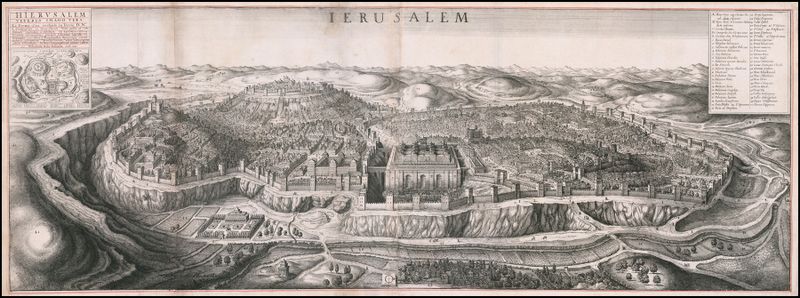
Bird’s eye view of Jerusalem
Wenceslaus Hollar
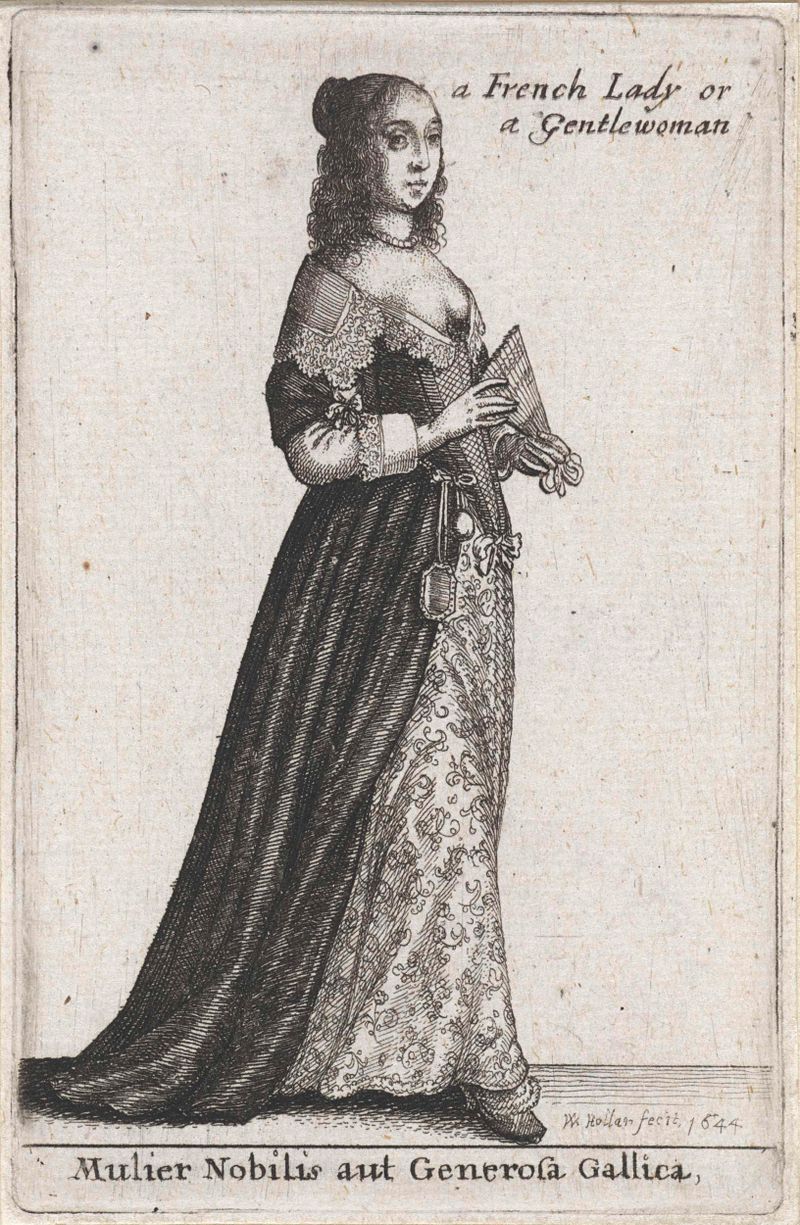
Mulier Nobilis aut Generosa Gallica / a French Lady or Gentlewoman
Wenceslaus Hollar
Titelprent voor: Ornatus Muliebris Anglicanus
Wenceslaus Hollar
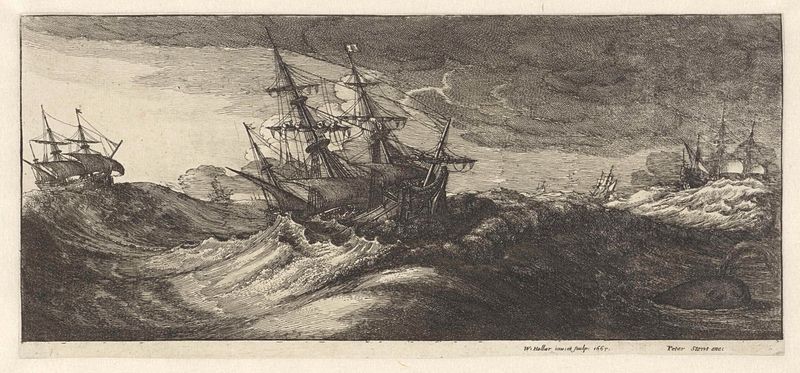
Oorlogsschepen en een walvis in een zeestorm
Wenceslaus Hollar
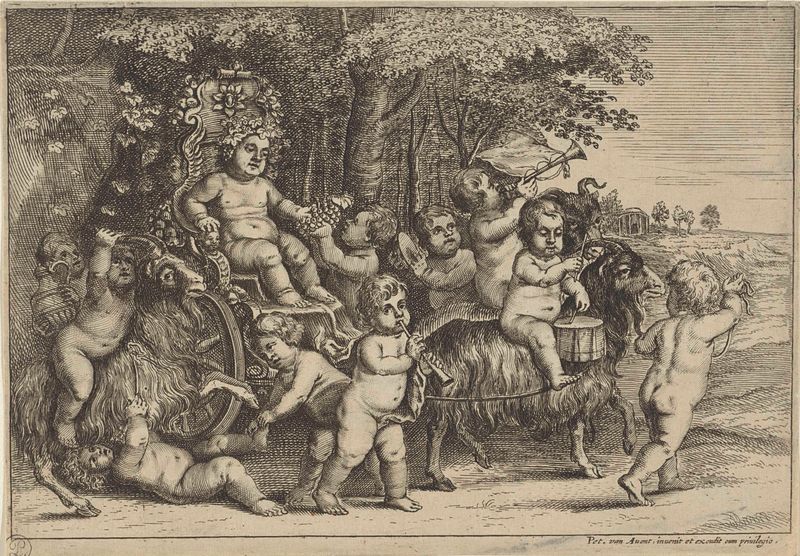
Optocht van bacchant en jongetjes op geiten
Wenceslaus Hollar
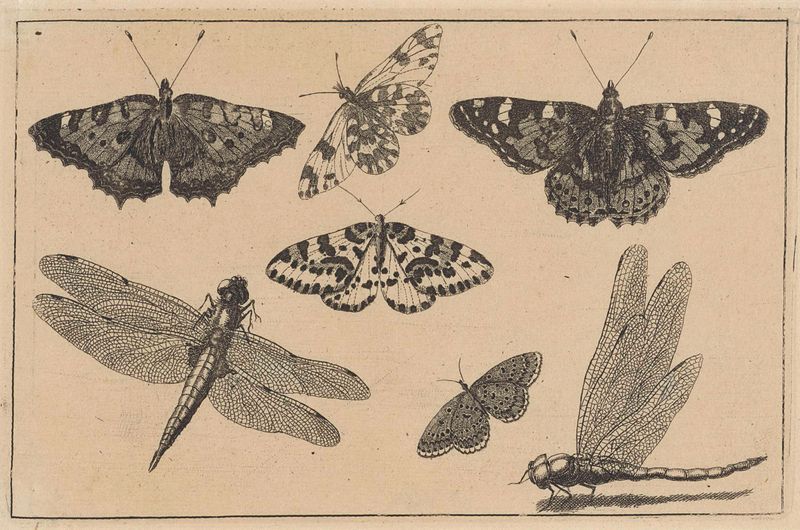
Twee libellen en vijf vlinders
Wenceslaus Hollar
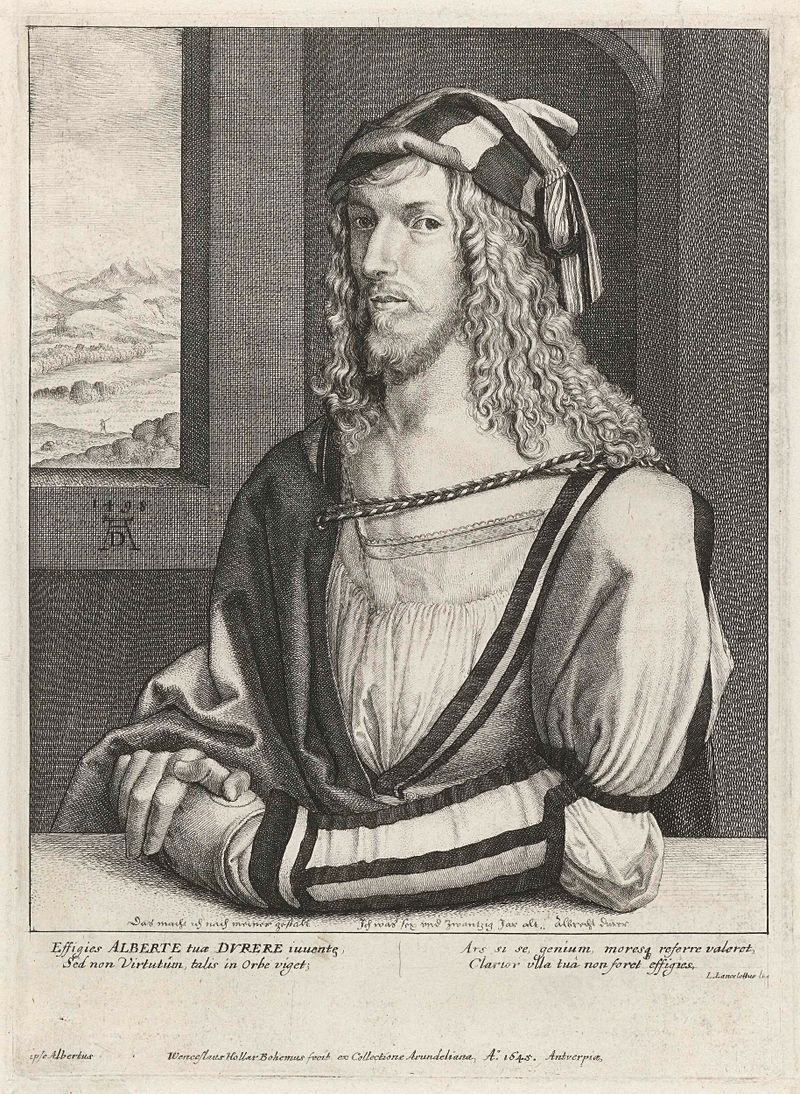
Portret van Albrecht Dürer
Wenceslaus Hollar
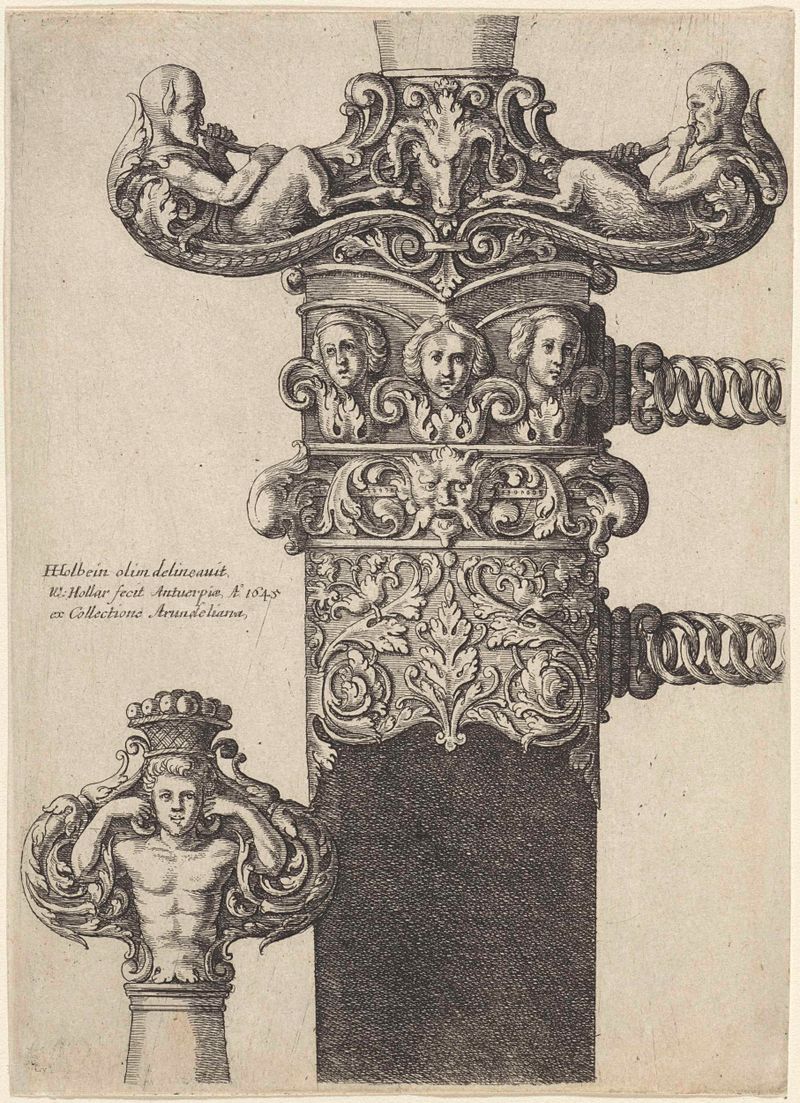
Ornamenteel ontwerp voor een dolk
Wenceslaus Hollar
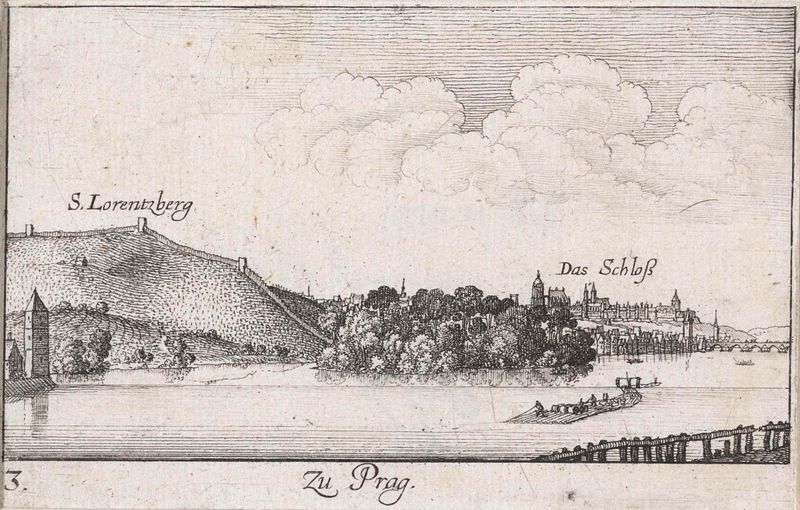
Gezicht op Praag vanaf de Moldau
Wenceslaus Hollar
More Religious Art
Browse all →
The Return of the Prodigal Son
Rembrandt van Rijn

The Garden of Earthly Delights
El Bosco

Count Orgaz’ funeral
El Greco

The Hundred Guilder Print: the central piece with Christ preaching, the plate arched
Rembrandt van Rijn

The Descent from the Cross
Rogier van der Weyden

The return of the prodigal son
Rembrandt van Rijn