
Laboureur au fond d’une combe — History & Facts
Can paint confess what words never could? In Laboureur au fond d’une combe, time suspends itself, whispering stories through every brushstroke as the viewer is drawn into a world defined by labor and nature. Look to the foreground, where the laborer, a solitary figure, bends over the rich earth, his body a testament to toil. Notice how the warm earth tones of the field contrast with the cool greens of the surrounding hills, inviting your gaze to navigate the undulating landscape. Sunlight filters through the leaves above, creating a dappled effect that dances across the laborer’s back, emphasizing not only his physical effort but also the connection between man and nature.
The painter’s technique, with its soft yet deliberate strokes, evokes a sense of harmony, as if the scene breathes with life itself. Delve deeper into the symbolism of the artwork. The laborer’s position at the bottom of the valley suggests humility and the weight of the earth, yet there is a serenity in his work, as if he is at one with the land. The distance in the composition hints at the vastness of the natural world, contrasting with the intimate focus on the worker, reflecting the timeless struggle of humanity against nature.
This juxtaposition invites contemplation of our relationship with the land and the passage of time — a cycle of labor and renewal that persists. Henri Martin painted this piece in 1920 while living in the South of France, a time when he was deeply influenced by the post-Impressionist movement. Reflecting on the effects of World War I, he sought to express themes of resilience and continuity through his pastoral scenes. This work embodies a moment of quiet reflection, both personal and universal, capturing the essence of life amidst the changing tides of history.
More Artworks by Henri Martin
Browse all →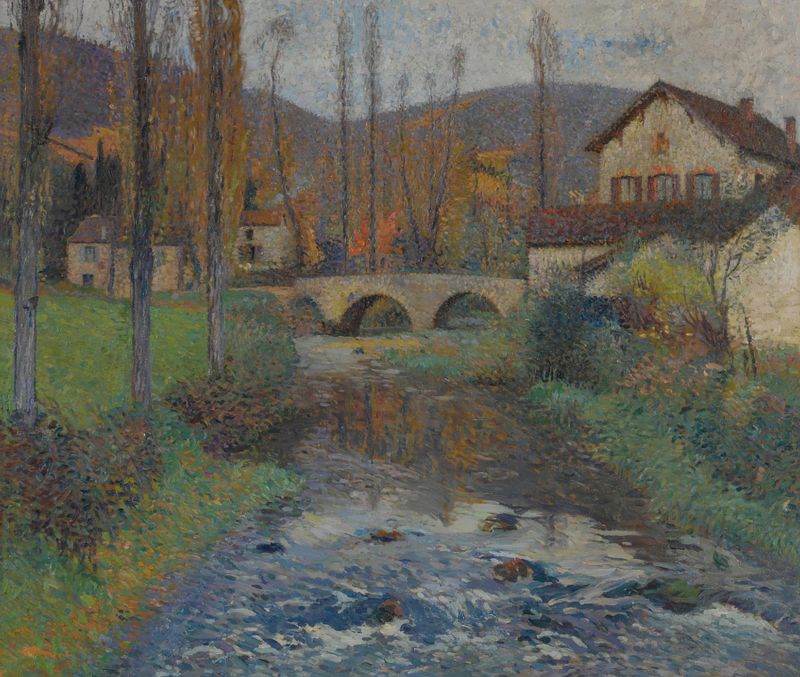
Le Pont du Labastide-du-Vert
Henri Martin

Le Pont de Labastide du Vert
Henri Martin

La Vallée Du Lot, Près De Saint-Cirq Lapopie
Henri Martin

Derniers Rayons, Une Ferme Dans Le Lot
Henri Martin

Vue de Labastide-du-Vert
Henri Martin
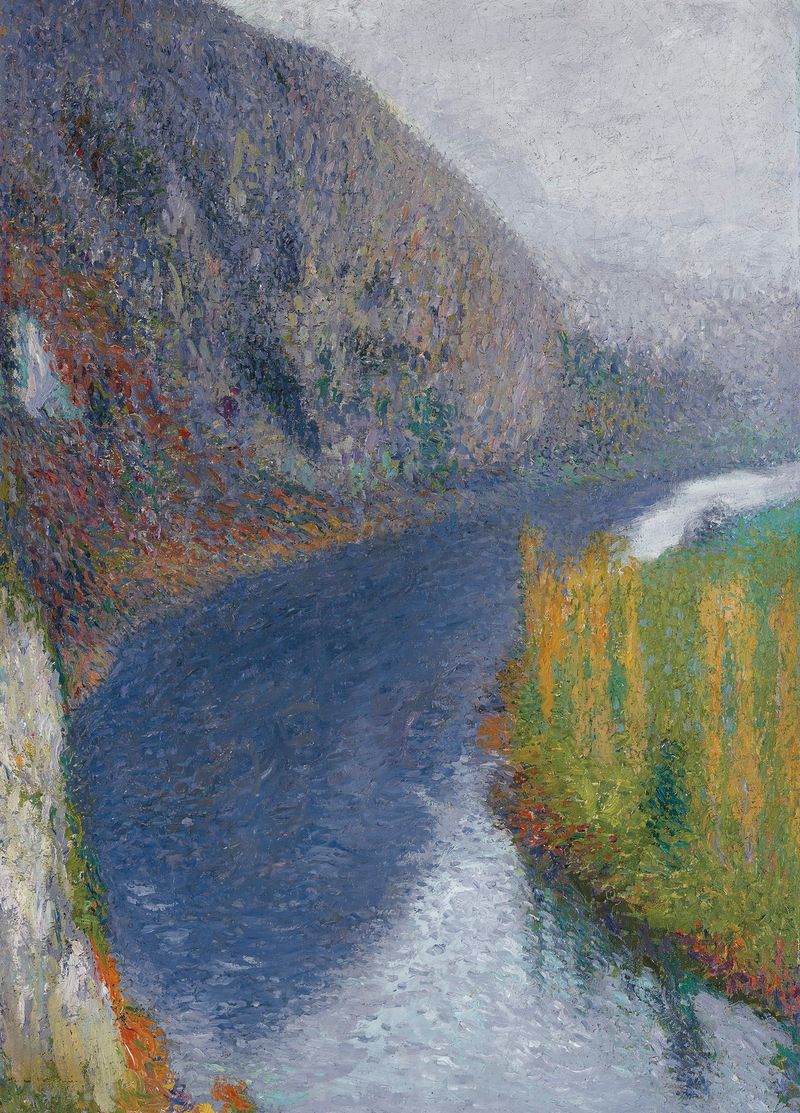
Le Lot au pied des falaises de St-Cirq-Lapopie
Henri Martin

Le lot aux pieds des falaises de Saint-Cirq-Lapopie
Henri Martin

L’église de Labastide-du-Vert avec le pont et la rivère, un soir d’automne
Henri Martin

Berger et ses moutons dans les causses
Henri Martin
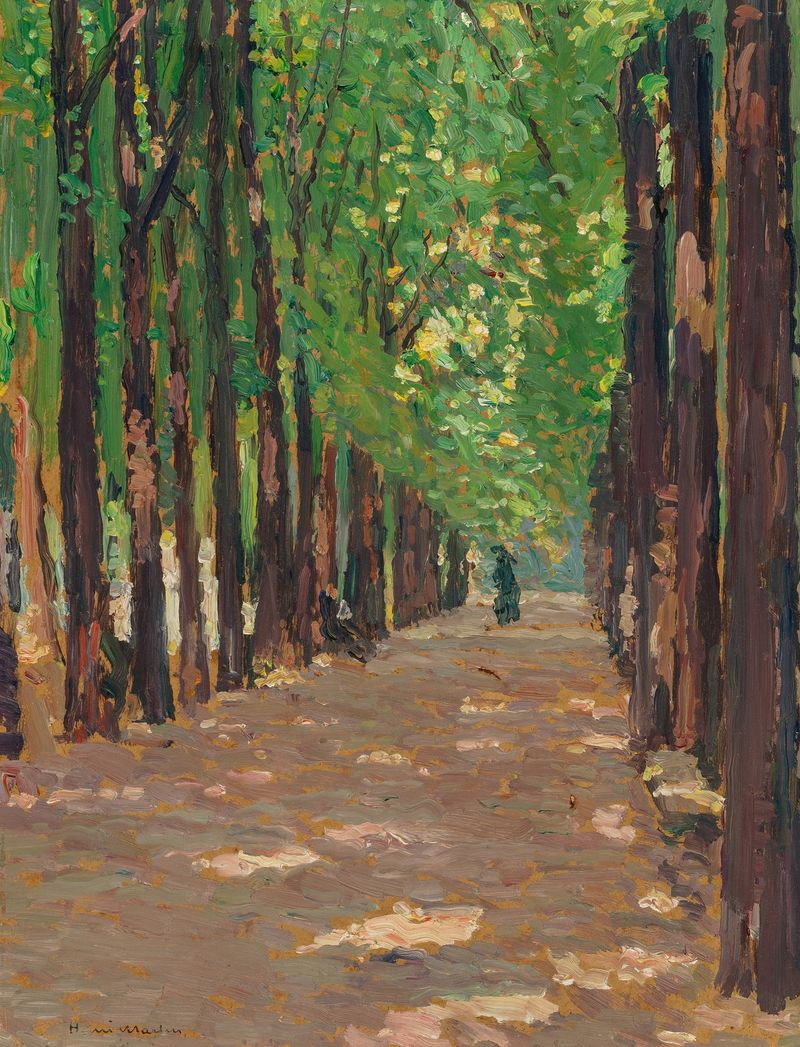
Une allée dans le Parc du Château de Versailles
Henri Martin





