
Lady Francis Scott and Lady Elliot — History & Facts
Can beauty exist without sorrow? In the delicate world of portraiture, the answer lingers in the air, as if waiting to be found within the brushstrokes. Look closely at the figures in the center of the composition, where Lady Francis Scott and Lady Elliot stand poised in vibrant dresses, their postures exuding both grace and a hint of restraint. Notice how the soft pastels accentuate the elegance of their attire, while shadows play gently across their faces, hinting at complexities beneath their serene exteriors. The composition guides the viewer’s eye, leading from the intricate details of the fabric to the expressive interplay of light and shadow that envelops them, creating a stunning sense of depth. Yet, amidst the elegance lies an undercurrent of tension—a subtle whisper of transformation.
The contrasting colors of their dresses suggest duality, the fleeting nature of beauty intertwined with the weight of societal expectations. The absence of surroundings forces the viewer to confront the subjects directly, evoking empathy and reflection on their inner lives. One can’t help but sense that behind their composed smiles, there are stories of struggle, longing, and unspoken dreams. Paul Sandby likely created this piece in the late 18th century, a time when the art world was shifting towards the embrace of Romanticism.
Living in London, Sandby was immersed in the social circles of the British elite, and his portraits often captured not just likenesses but the essence of identity amidst the evolving landscape of British art. His work serves as a bridge, inviting contemplation of how beauty is often fraught with the weight of personal and societal transformation.
More Artworks by Paul Sandby
Browse all →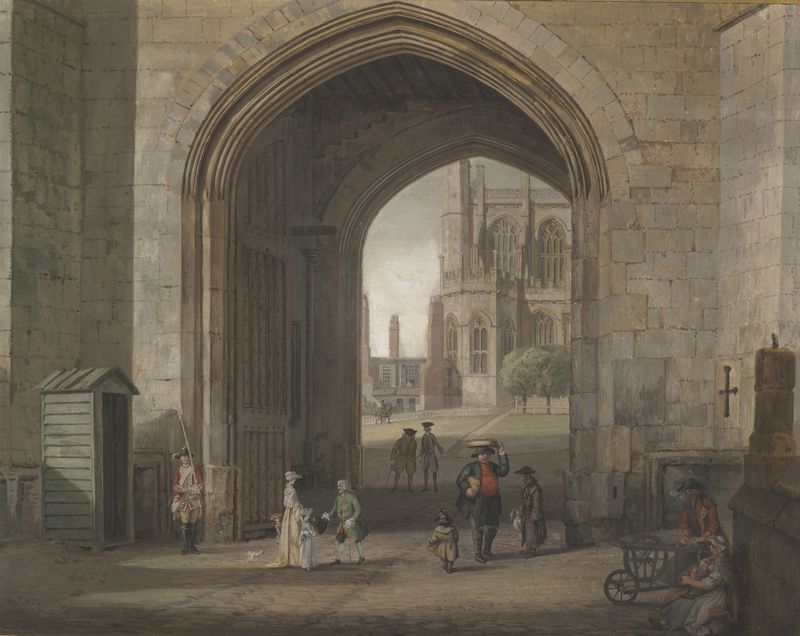
The Tower Gate at Windsor Castle
Paul Sandby

A Distant View of Maidstone, from Lower Bell Inn, Boxley Hill
Paul Sandby
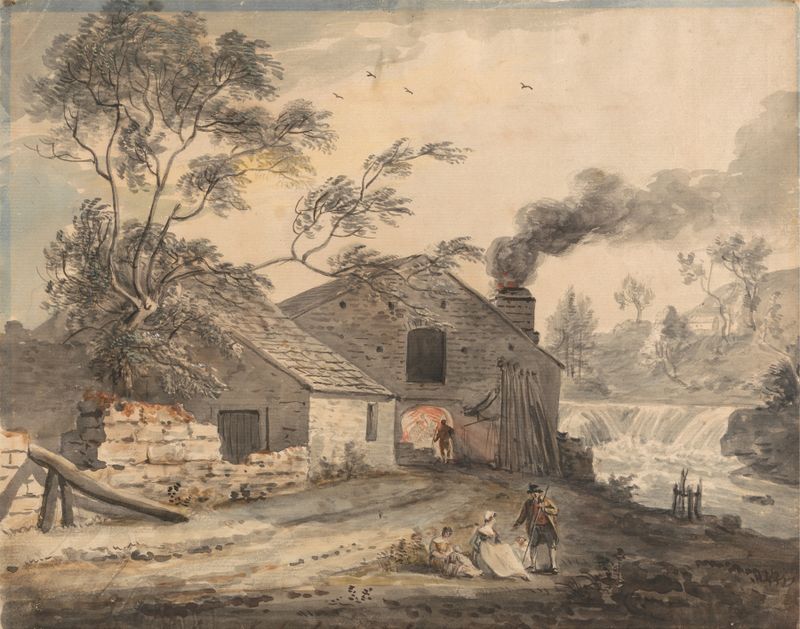
Iron Forge on the River Kent, Westmorland
Paul Sandby
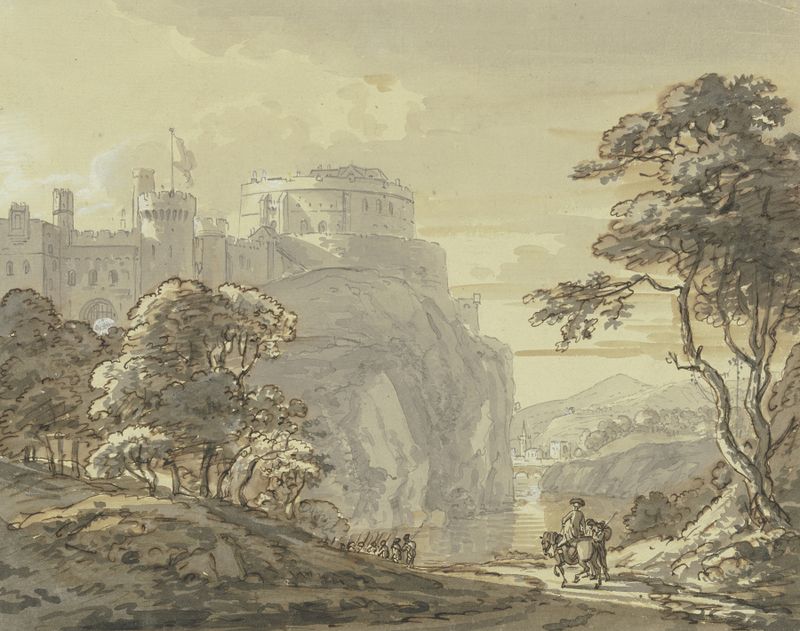
View of Windsor Castle
Paul Sandby

Hackwood Park, Hampshire
Paul Sandby

Roslin Castle, Midlothian
Paul Sandby
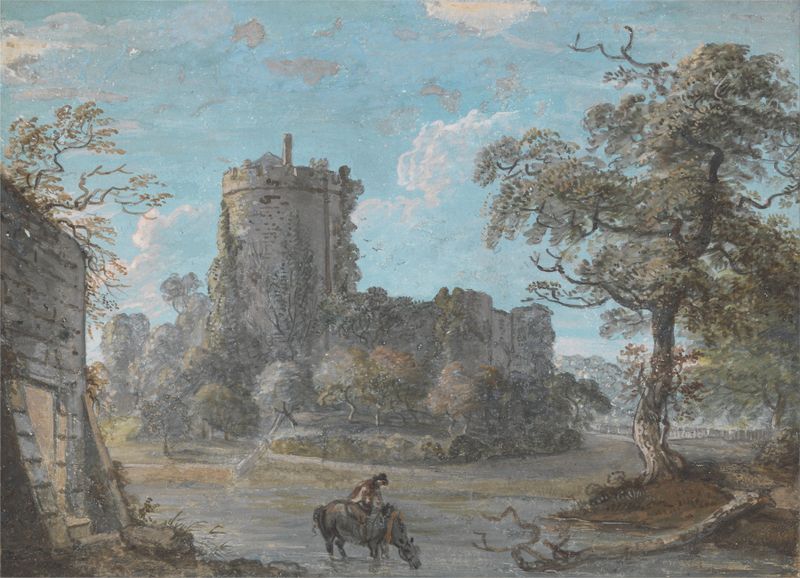
The Entrance to Chepstow Castle
Paul Sandby
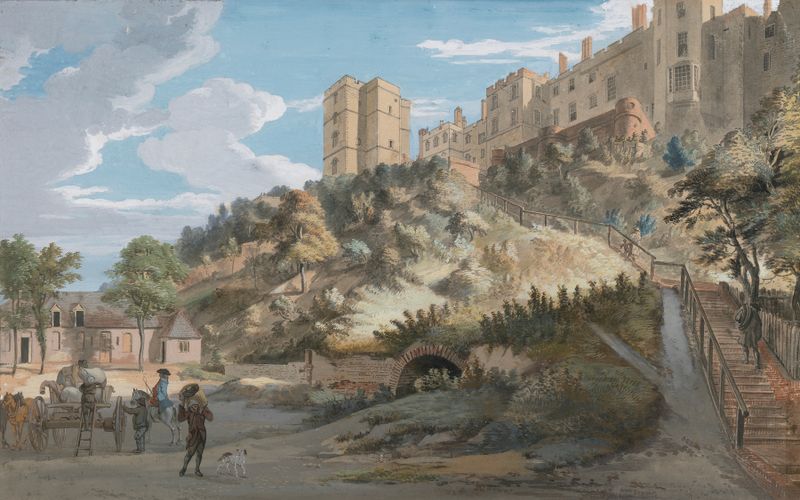
The Hundred Steps and Winchester Tower, Windsor Castle, Berkshire
Paul Sandby

Brook End, Essex
Paul Sandby
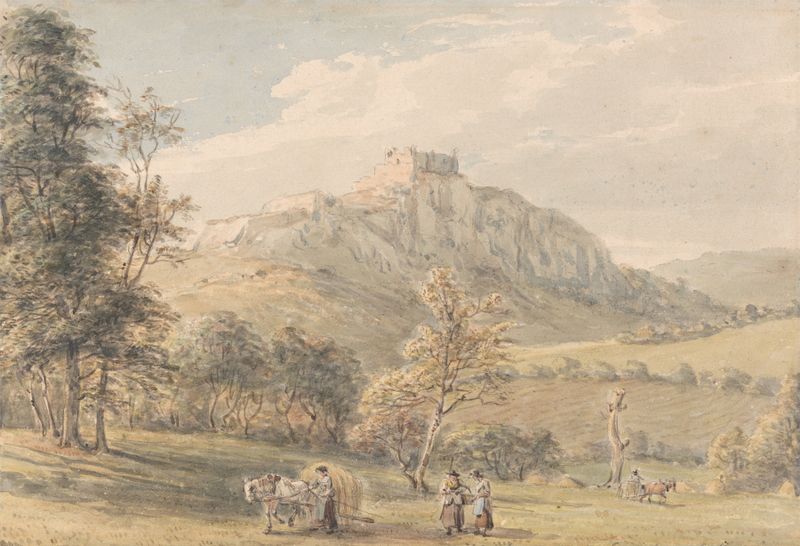
Carreg Cennen Castle
Paul Sandby
More Portrait Art
Browse all →
Las meninas
Diego Velázquez

Self-portrait with a Bandaged Ear and Pipe
Unidentified artist

Girl with a Pearl Earring
Johannes Vermeer

The Sampling Officials of the Amsterdam Drapers’ Guild, Known as ‘The Syndics’
Rembrandt van Rijn

The Hundred Guilder Print: the man seen on the back in the lower left corner
Rembrandt van Rijn

Portrait of Dr Gachet
Vincent van Gogh