
Lago Maggiore — History & Facts
In a world awash with chaos, beauty emerges as a tender, fleeting moment, captured forever on canvas. Look to the tranquil expanse of water that dominates the painting, reflecting the gentle hues of the sky above. The azure and soft greens blend seamlessly, as if dancing on the surface, guiding our gaze toward the distant mountains. Notice how the brushstrokes create an ethereal quality; the texture suggests a soft breeze while the light creates a harmonious interplay between the foreground and the serene background.
Each element is deliberate, inviting the viewer to lose themselves in this natural paradise. Beneath the surface charm lies a deeper narrative of solitude and introspection. The juxtaposition of the still water against the rugged peaks reminds us of the duality of nature—its beauty intertwined with its power. The fleeting light captures a moment that feels both timeless and transient, a reminder of the delicate balance between serenity and chaos.
The subtle play of colors evokes a sense of longing, urging us to reflect on our own connection to nature and the world around us. In 1867, while residing in Italy, Haseltine painted this work amidst a burgeoning art scene that embraced Impressionism and the romanticized visions of landscapes. This period marked a significant evolution in his style, as he began to focus on the emotional resonance of nature rather than mere representation. His experiences in Italy enriched his artistic vision, allowing him to explore the contrasts between light and shadow, ultimately leading to the creation of this breathtaking piece.
More Artworks by William Stanley Haseltine
Browse all →
Mill Dam in Traunstein
William Stanley Haseltine
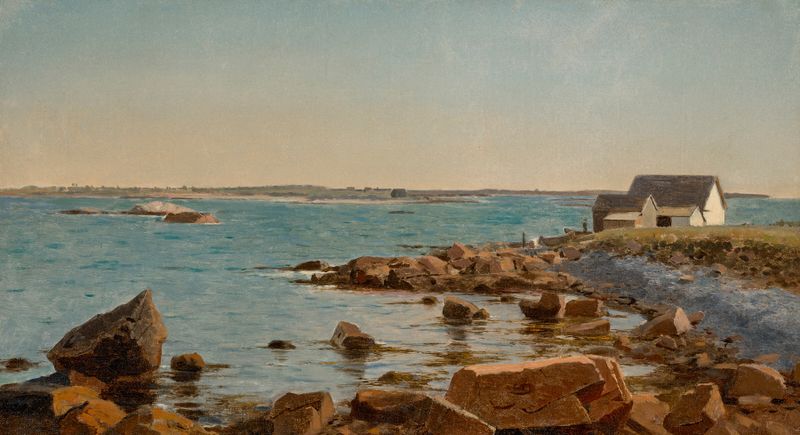
Nahant Coast
William Stanley Haseltine
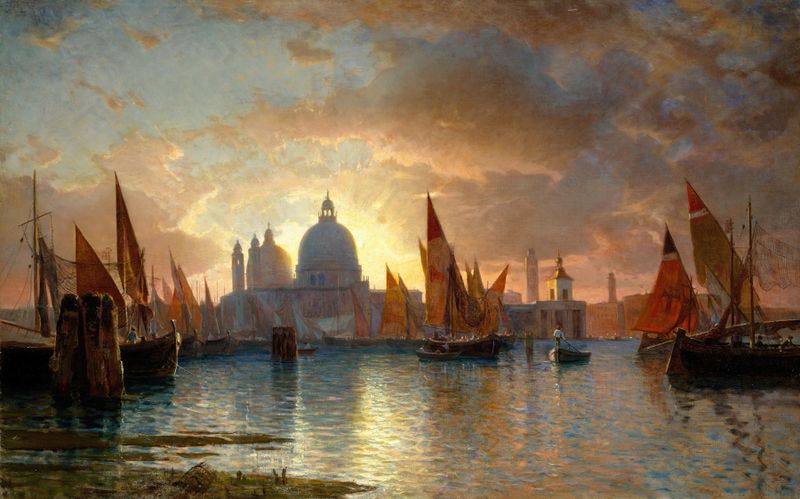
Santa Maria della Salute, Sunset
William Stanley Haseltine
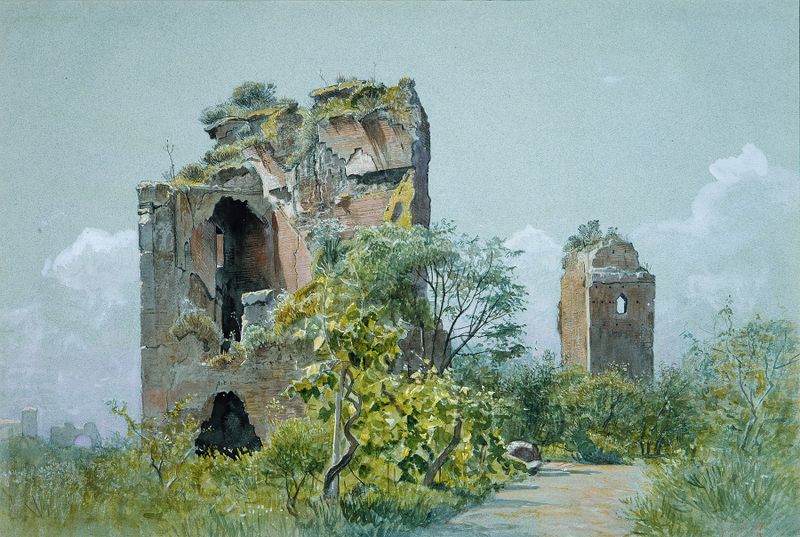
Baths of Trajan (Sette Sale, Villa Brancaccio, Rome)
William Stanley Haseltine
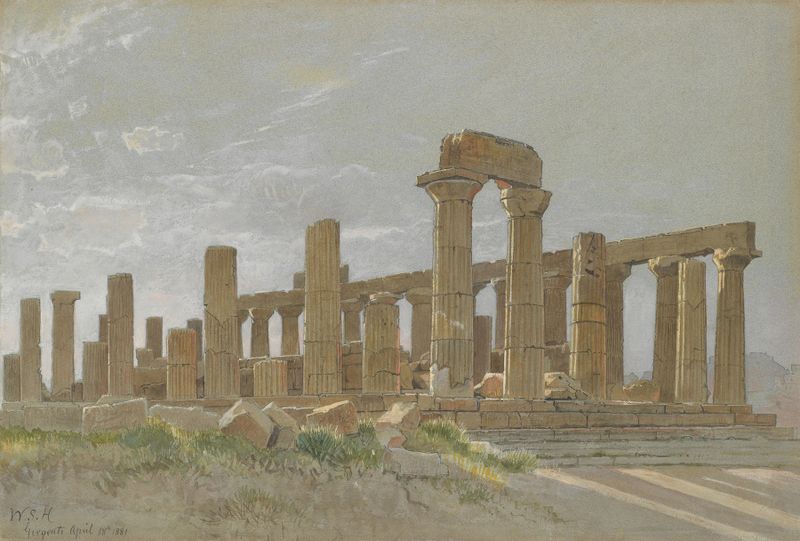
Girgenti (The Temple of Juno Lacinia at Agrigentum)
William Stanley Haseltine

Italian Hills
William Stanley Haseltine
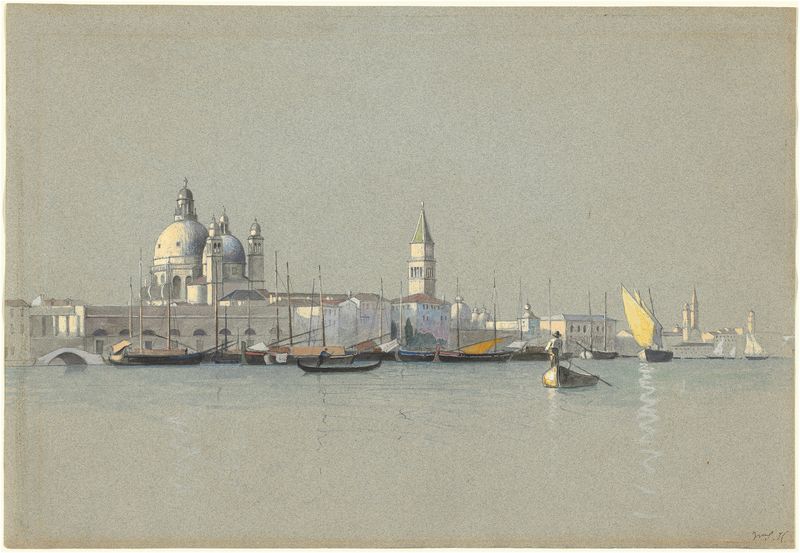
View across the Giudecca Canal toward the Salute and the Campanile of San Marco
William Stanley Haseltine
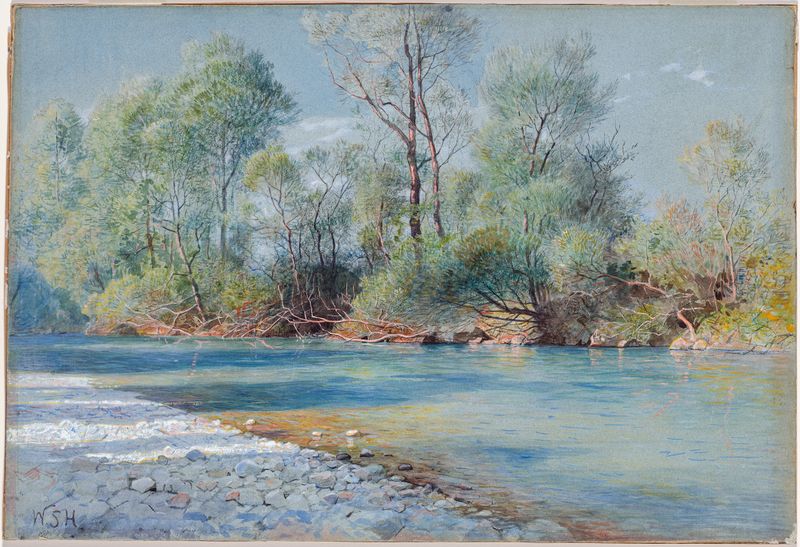
Traunstein River on the Road to Empfig, Bavaria
William Stanley Haseltine

Coast of Capri
William Stanley Haseltine
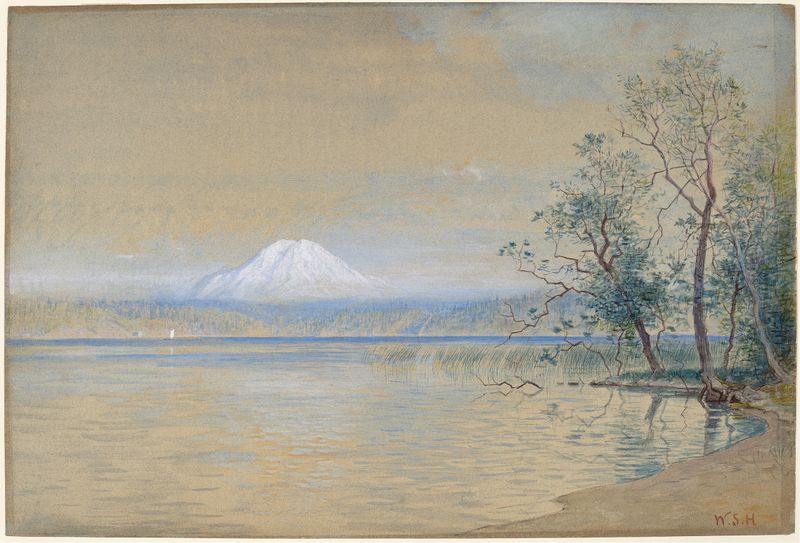
Mount Tacoma
William Stanley Haseltine





