Lake Avernus: Aeneas and the Cumaean Sybil — History & Facts
As the turmoil of life unfolds, innocence finds a way to shimmer through the shadows. In Lake Avernus: Aeneas and the Cumaean Sybil, a narrative of myth and redemption is visually articulated with profound sensitivity. Look to the center of the painting where the figures of Aeneas and the Sybil emerge, bathed in a soft glow. The ethereal light envelops them, drawing attention to their expressions and gestures.
Notice how the swirling clouds above mirror the depths of the lake below, creating a dialogue between earth and sky. The palette, rich with deep blues and warm ochres, adds to the emotional resonance, suggesting both foreboding and hope. Within the composition lies a tension between human fragility and the vastness of the divine. The roughness of Aeneas's rugged features contrasts with the serene visage of the Sybil, symbolizing the struggle between earthly challenges and spiritual guidance.
The delicate brushwork evokes a sense of movement, suggesting the fleeting nature of this moment, as well as the innocence of their quest for understanding amidst chaos. Turner painted this piece during a time when he was experimenting with light and color, striving for an emotional depth rarely seen in his earlier works. Created between 1814 and 1815, this artwork reflects his dedication to capturing the sublime, against the backdrop of a rapidly industrializing world. In this era, the artist sought to redefine landscapes, using them as canvases for deeper human experiences, merging myth with the essence of existence.
More Artworks by Joseph Mallord William Turner
Browse all →
Dort or Dordrecht- The Dort Packet-Boat from Rotterdam Becalmed
Joseph Mallord William Turner
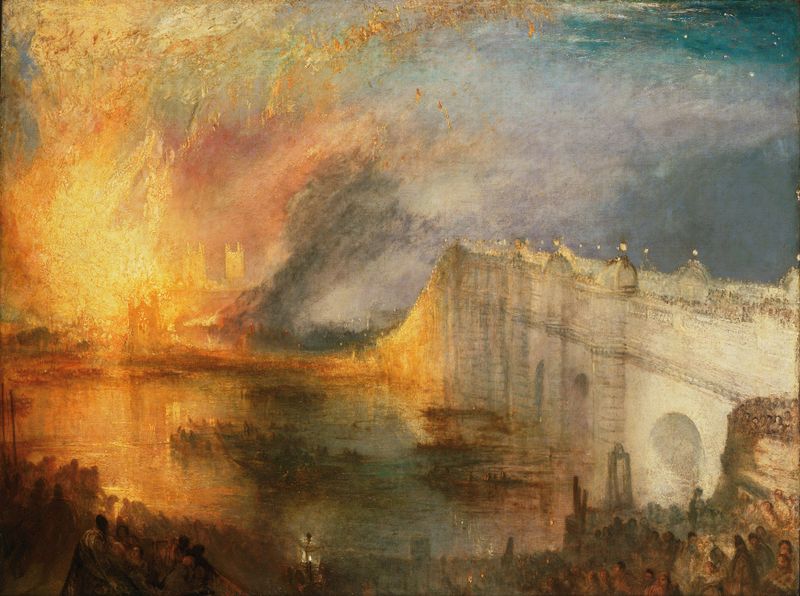
The Burning of the Houses of Lords and Commons, October 16, 1834
Joseph Mallord William Turner
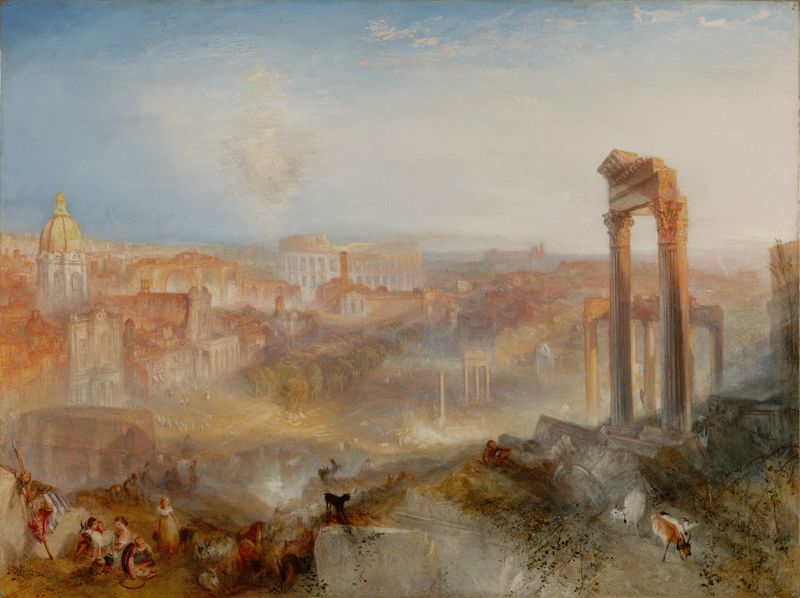
Modern Rome – Campo Vaccino
Joseph Mallord William Turner
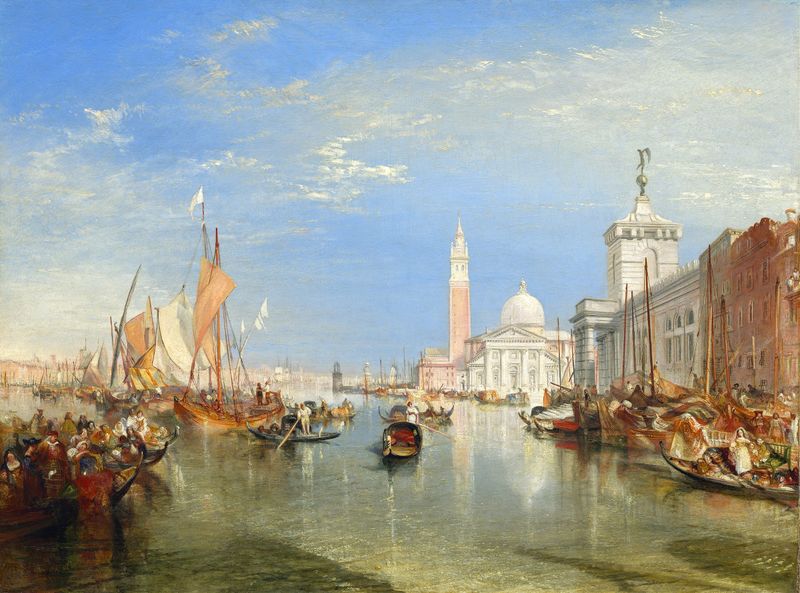
Venice – The Dogana and San Giorgio Maggiore
Joseph Mallord William Turner

The Burning of the Houses of Lords and Commons, 16 October 1834
Joseph Mallord William Turner
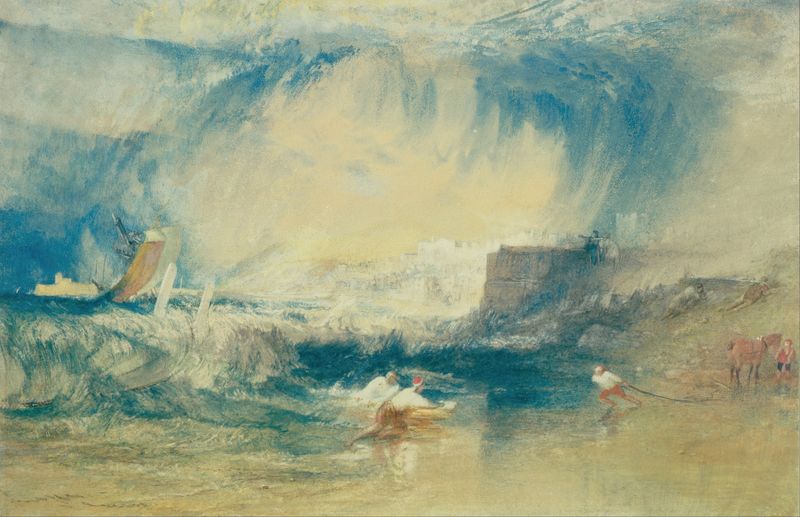
Lyme Regis, Dorsetshire, England
Joseph Mallord William Turner
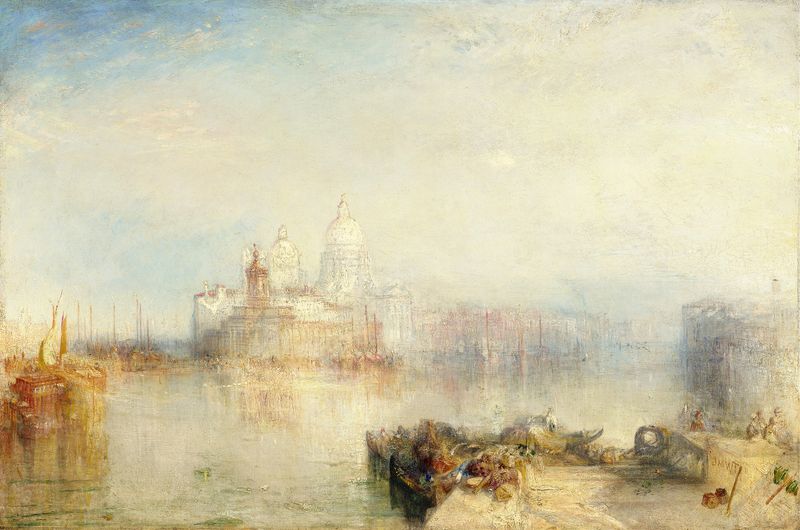
The Dogana and Santa Maria della Salute, Venice
Joseph Mallord William Turner
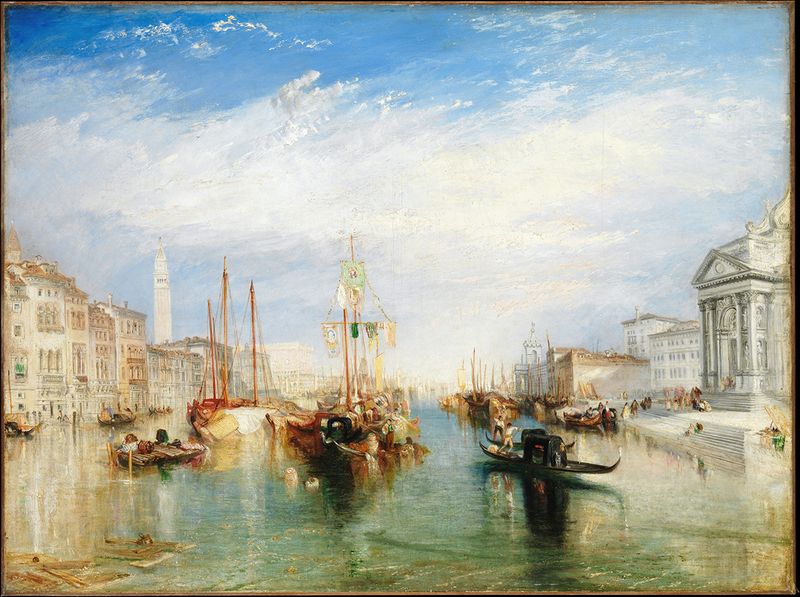
Venice, from the Porch of Madonna della Salute
Joseph Mallord William Turner
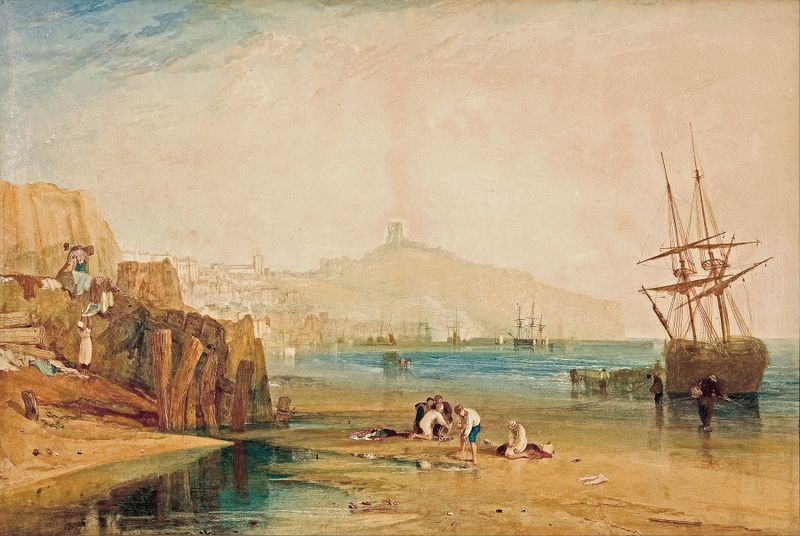
Scarborough town and castle; morning; boys catching crabs
Joseph Mallord William Turner
High Street, Edinburgh
Joseph Mallord William Turner