Landscape — History & Analysis
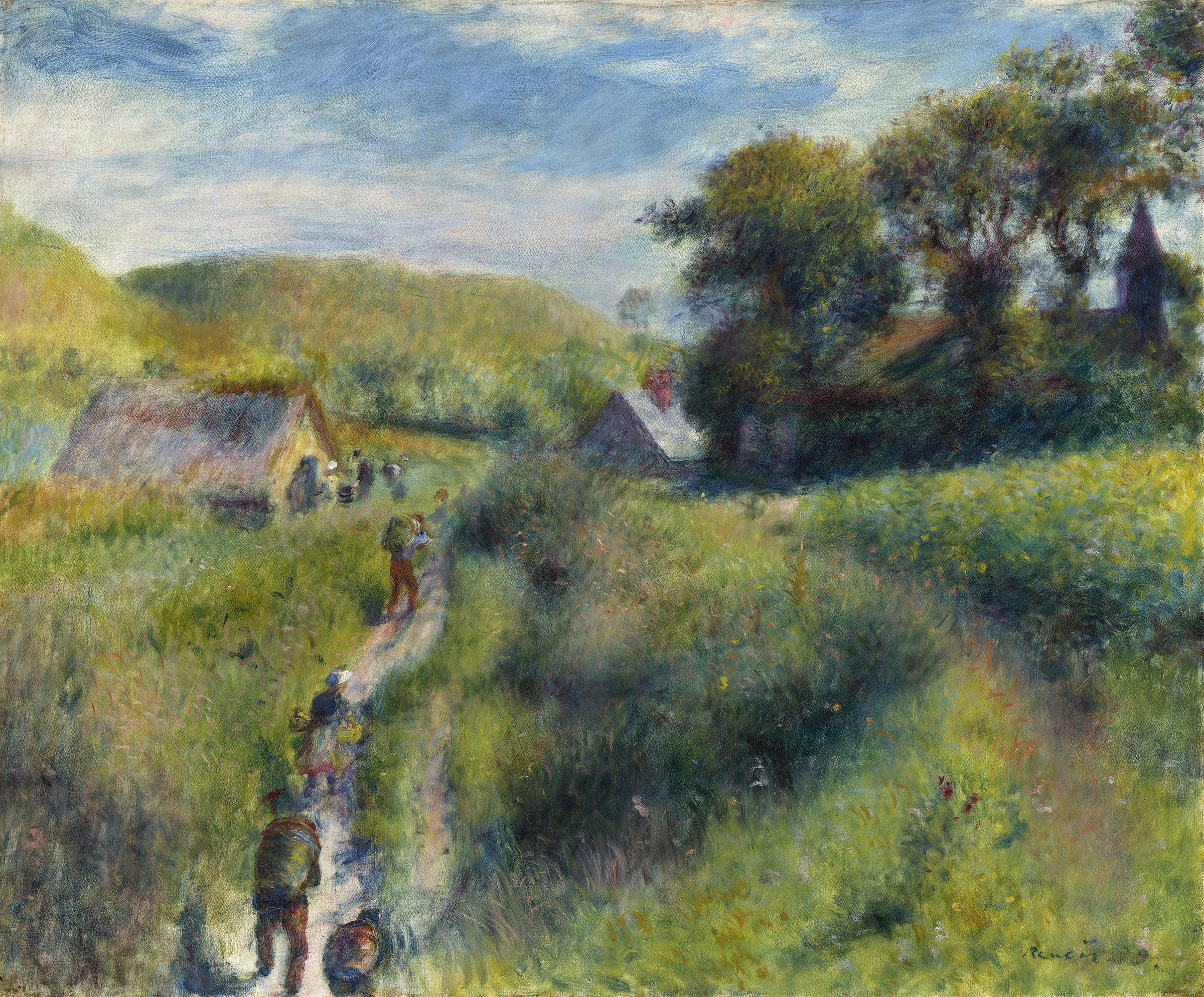
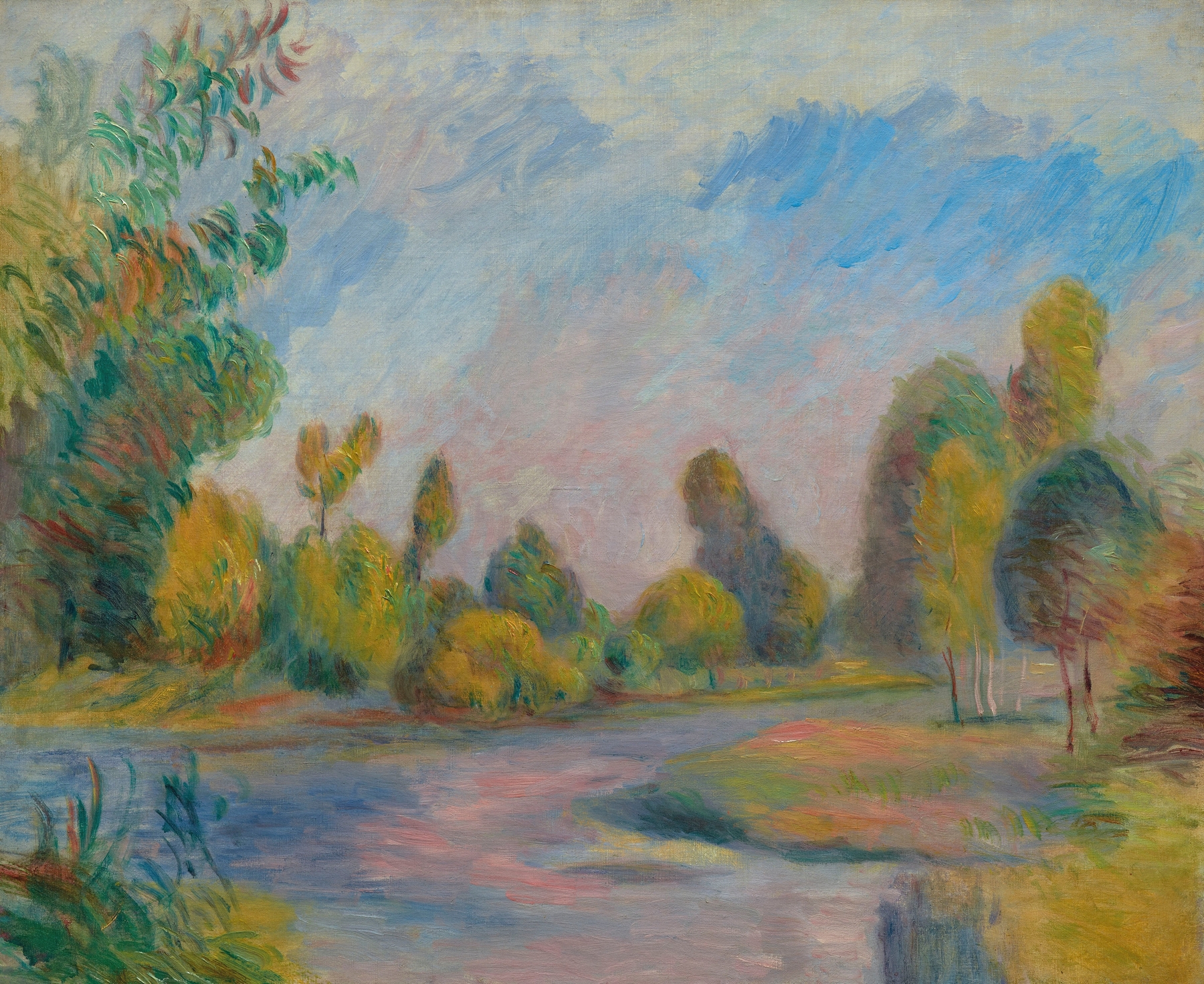
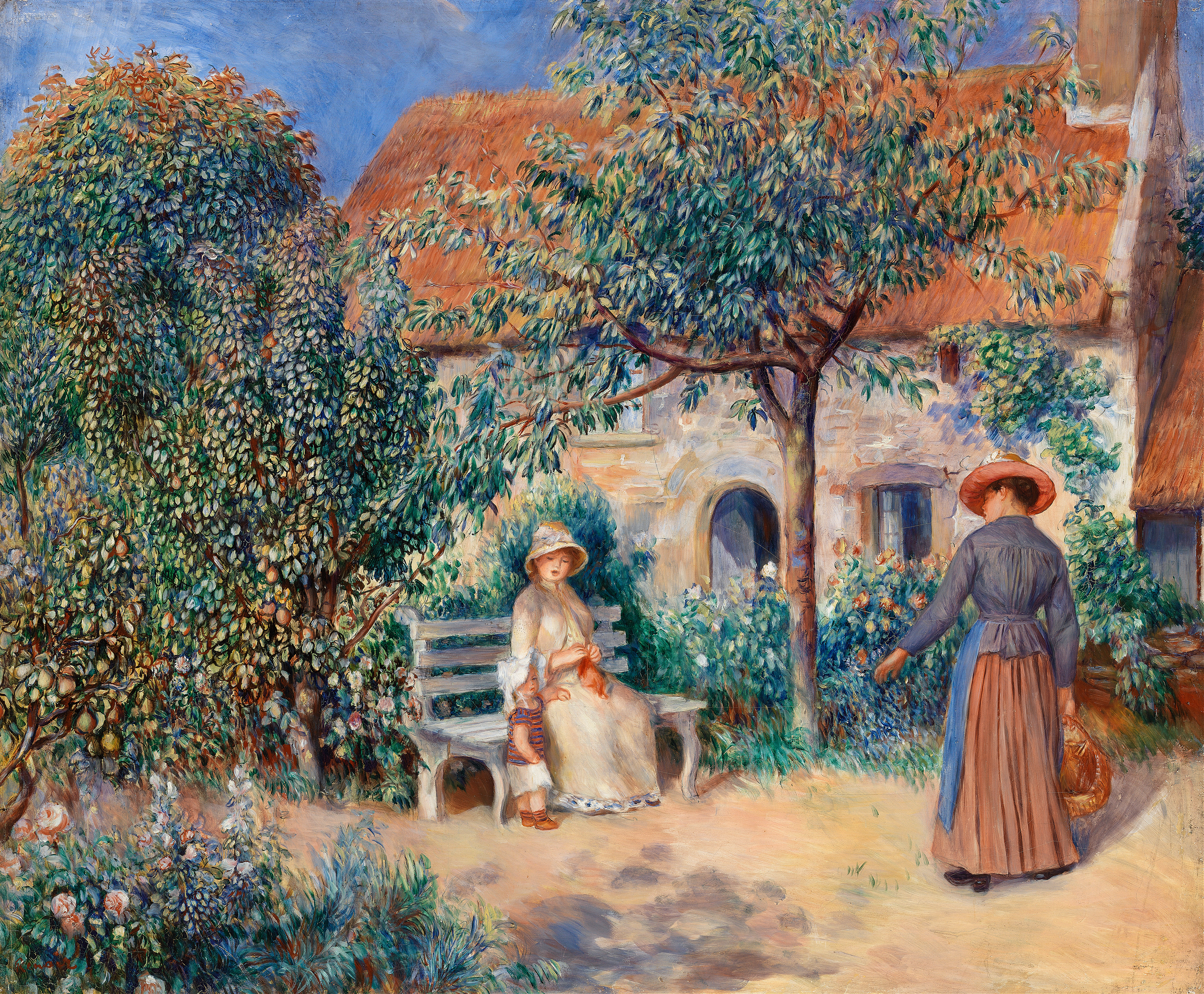
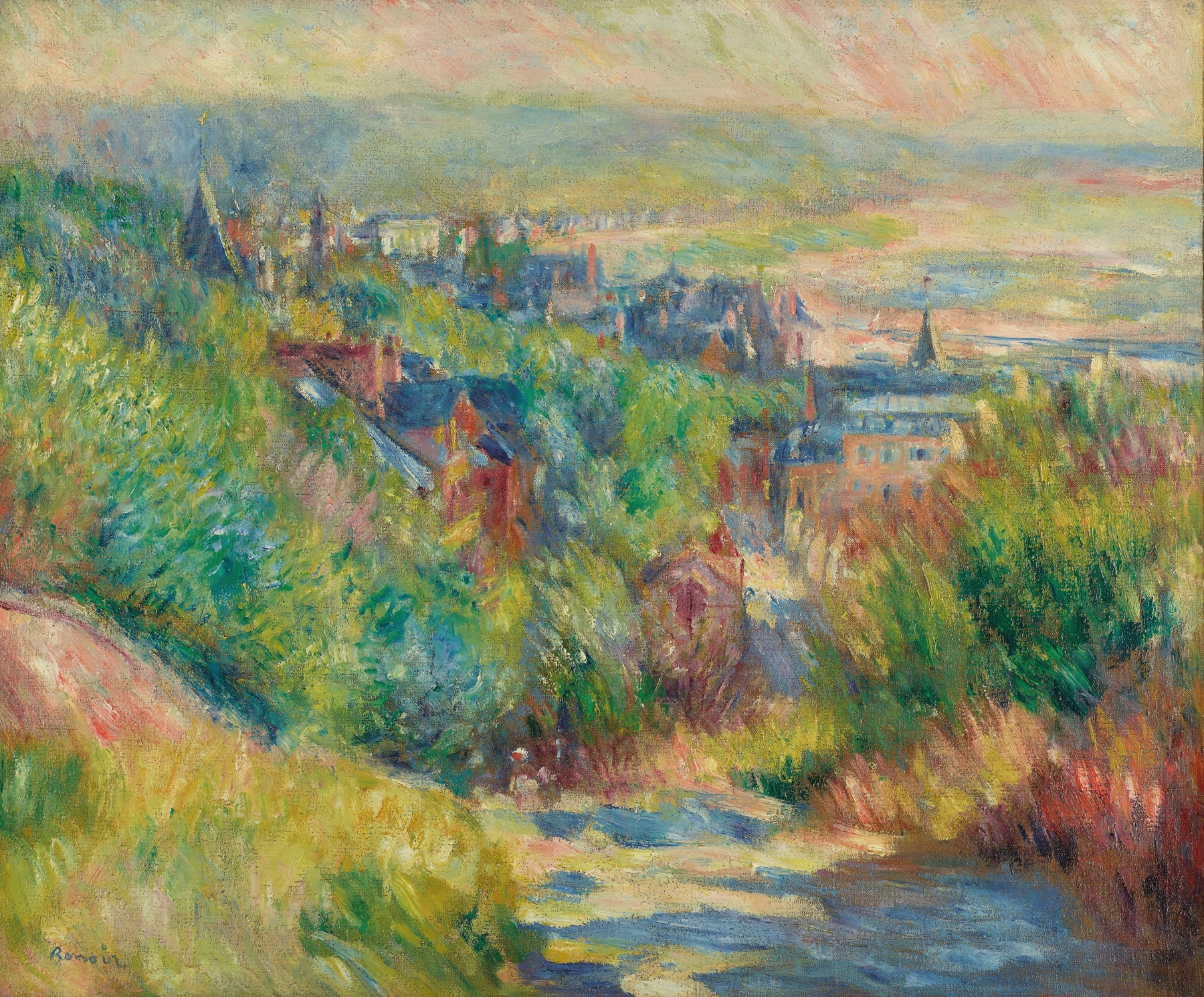
What secret hides in the quiet of the canvas? A stillness envelops the landscape, allowing the viewer to breathe in the serene essence captured within. Look to the left at the gentle rolling hills, where soft greens and muted yellows blend seamlessly into one another. The brushstrokes are fluid, each stroke a whisper of the wind, creating an intimate connection between the viewer and nature.
Notice how the light dances across the scene, illuminating patches of earth, as if inviting you to step closer and lose yourself in the tranquility of this moment. Dive deeper into the layers of emotion, where the contrast between light and shadow evokes a sense of balance. The vibrant bursts of color juxtapose the muted tones, suggesting a harmony found in nature that often eludes human existence. Each detail, from the wisps of clouds to the subtle movements within the foliage, tells a story of peace and reflection, urging us to pause and appreciate the simple beauty surrounding us.
In 1890, while residing in the south of France, Renoir created Landscape during a period of personal transformation. He was immersed in a flourishing art scene that sought to capture fleeting moments of beauty, and this work reflects his evolving style. The artist's search for serenity amid the chaos of life resonates through the lush brushstrokes of this timeless piece.