
Landscape — History & Facts
Who listens when art speaks of silence? In the stillness of Landscape, a profound sense of loss echoes through the canvas, inviting the viewer to linger in its quiet embrace. Look to the left at the towering trees, their gnarled branches stretching like skeletal hands against the expansive sky. The interplay of light and shadow creates a soft, diffused glow that enhances the natural beauty of the scene, while rich greens and earthy browns mirror the complexity of life itself. The path meandering through this tranquil setting beckons the viewer, a gentle guide into an intimate dialogue with nature. In this landscape, grief seeps into the very soil.
While the trees stand tall, their serene presence is juxtaposed against a hidden undercurrent of melancholy. The absence of figures suggests solitude, perhaps even mourning, allowing the landscape to take on personified qualities. Each brushstroke seems to capture whispers of memories etched in the earth, evoking a powerful emotional resonance that draws the viewer into a contemplative space. Created around 1835, this work marked a significant period for the artist, who was deeply immersed in the Barbizon School movement.
During this time, Rousseau sought to break away from the constraints of academic painting, focusing instead on the raw beauty of the French countryside. His exploration of natural subjects and emotional depth in landscapes resonated with the broader shifts in art, reflecting a growing interest in realism and personal expression amidst the romantic ideals of his contemporaries.
More Artworks by Théodore Rousseau
Browse all →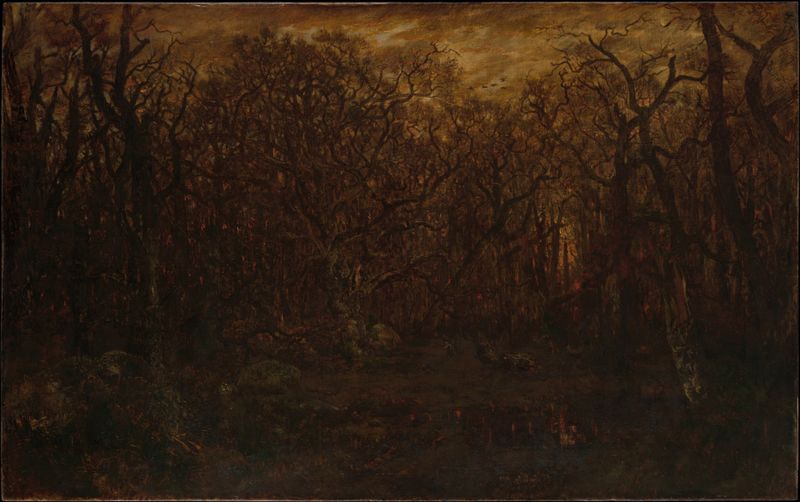
The Forest in Winter at Sunset
Théodore Rousseau
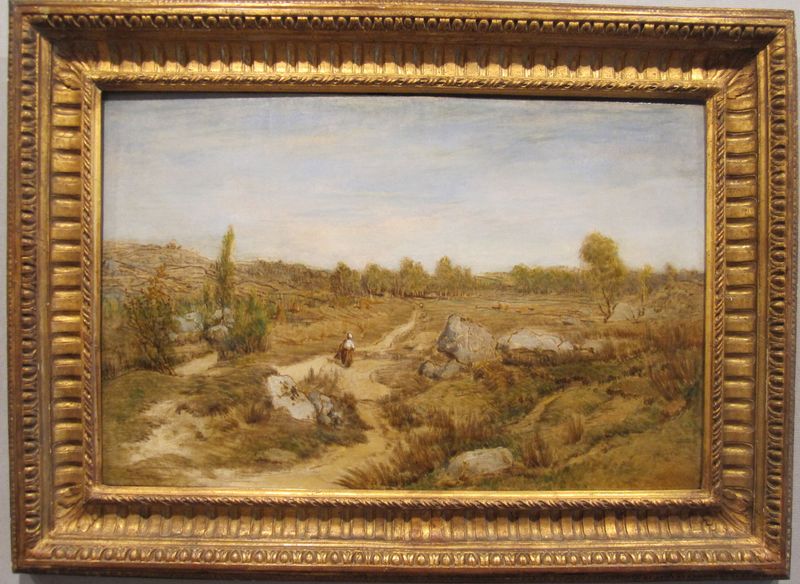
Valley of the Rouars in the Gorges d’Apremont
Théodore Rousseau
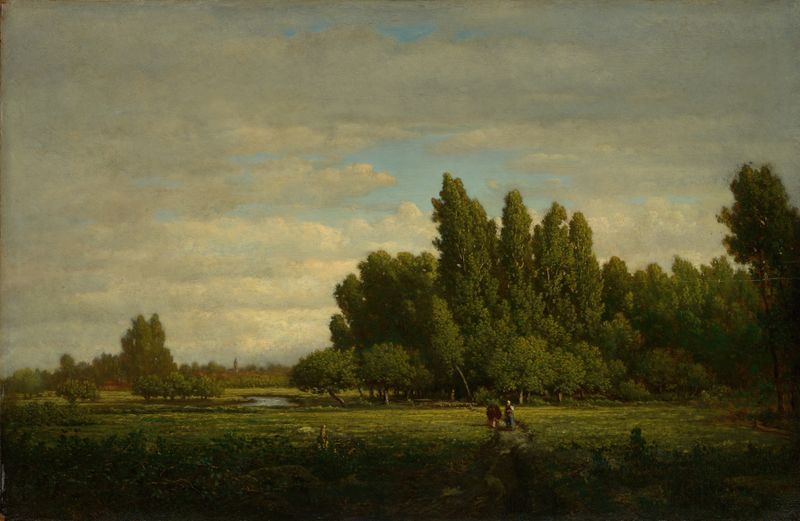
A Meadow Bordered by Trees
Théodore Rousseau
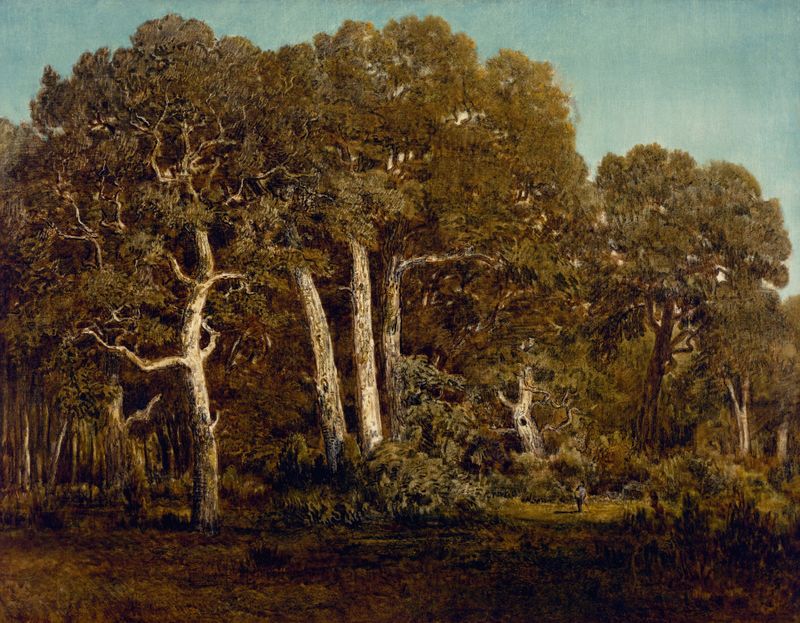
The Great Oaks of Old Bas-Bréau
Théodore Rousseau
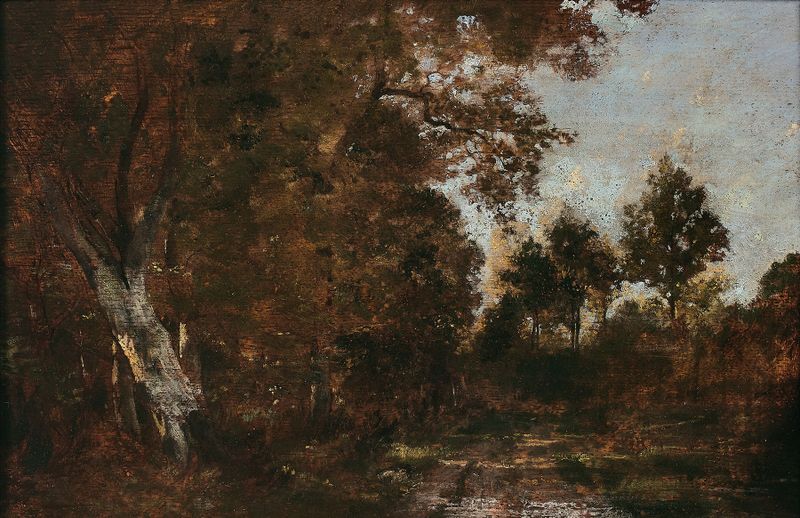
Paysage de sous-bois
Théodore Rousseau
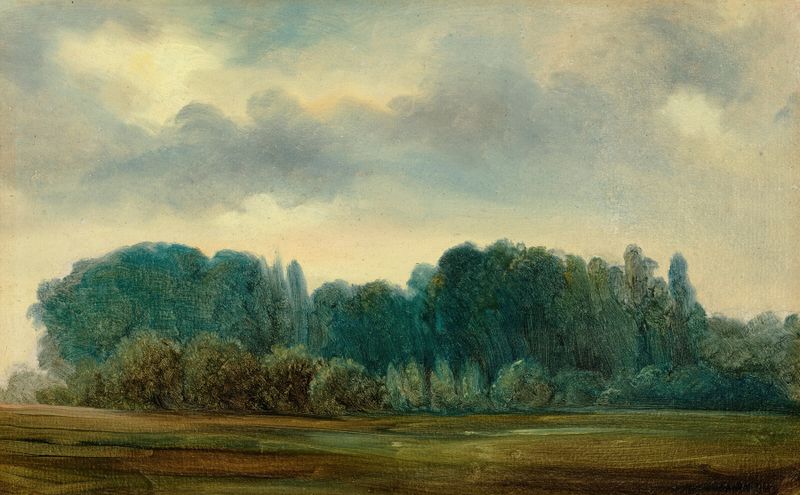
Paysage
Théodore Rousseau
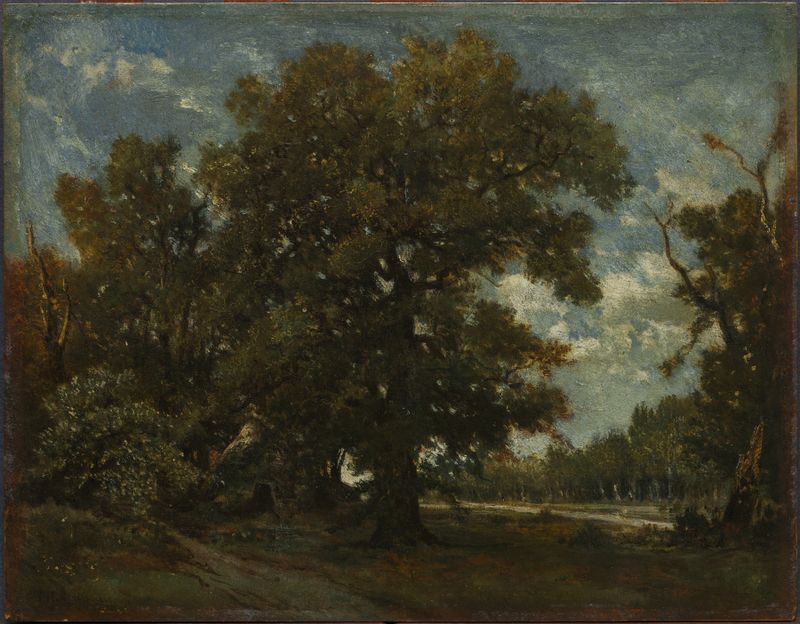
The Oak Tree
Théodore Rousseau
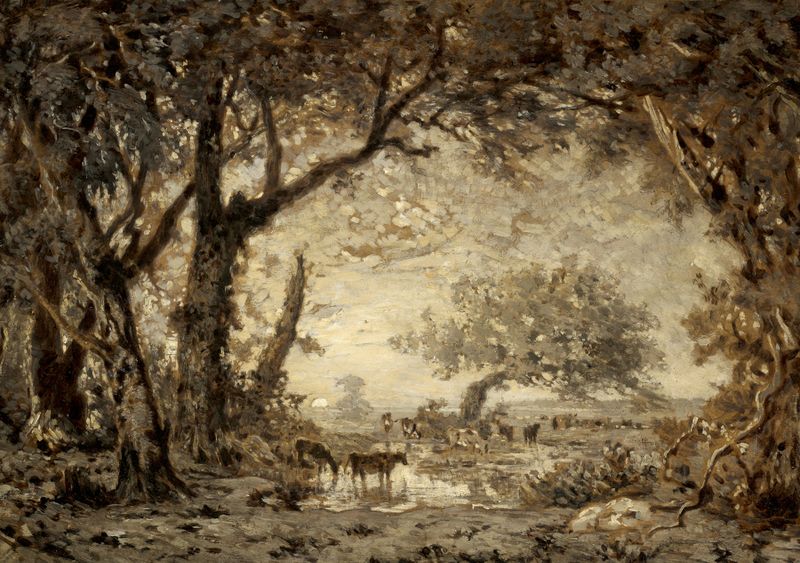
Sunset from the Forest of Fontainebleau
Théodore Rousseau
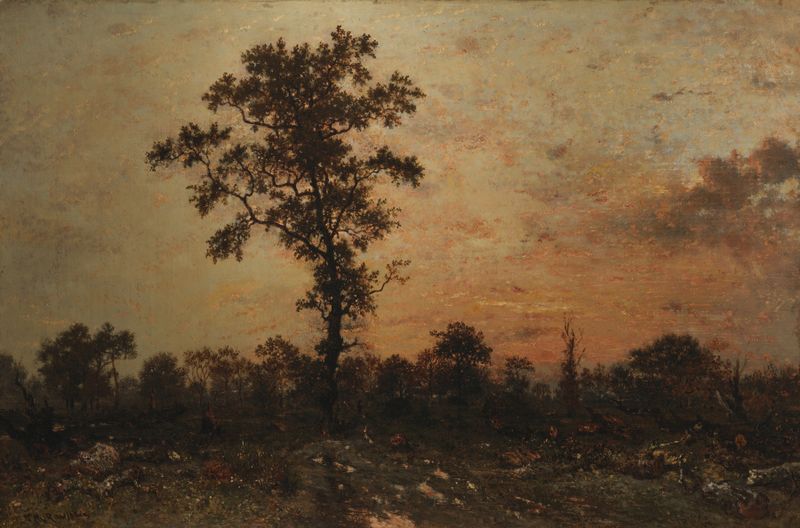
Edge of the Forest, Sun Setting
Théodore Rousseau
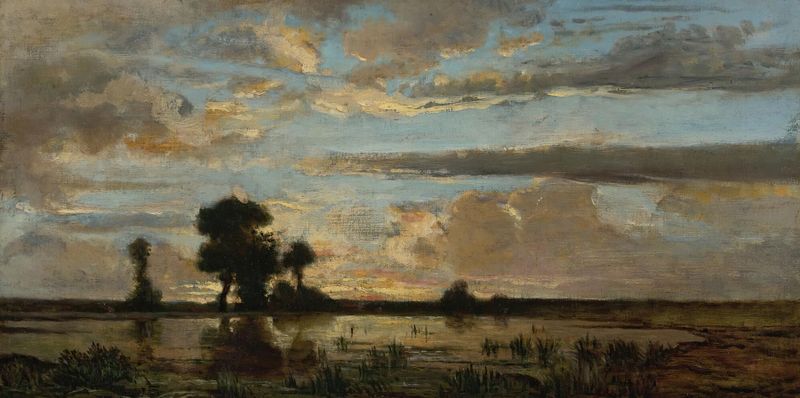
Soleil Couchant
Théodore Rousseau





