
Landscape — History & Facts
In Landscape, the artist ventures into the depths of nature's innocence, capturing not just beauty, but a profound sense of loss. Look to the left at the towering trees, their trunks sturdy yet softened by dappled sunlight filtering through the leaves. The palette is rich with earthy greens and golden hues, the brushstrokes breathing life into every blade of grass. A serene sky, painted in gentle blues, envelops the scene, while a winding path invites the viewer to wander deeper into the canvas.
Each element harmonizes with the next, creating a tranquil yet emotionally charged vista that lingers in the mind. The painting’s contrasts reveal an emotional tension between the idyllic scenery and the invisible weight of solitude. Notice how the vibrant foliage seems to both shelter and isolate, evoking a sense of innocence paired with vulnerability. The seemingly untouched landscape serves as a metaphor for the human experience, reflecting both the beauty and fragility of life, suggesting that what appears serene may harbor deeper feelings of longing and nostalgia. During the mid-19th century in France, Rousseau painted this work amidst an evolving dialogue in the art world, as Romanticism began to give way to Realism.
He found himself immersed in the Barbizon School, which emphasized nature's unrefined beauty, often painting en plein air. At this time, he faced personal challenges while striving to carve out his place in a rapidly changing artistic landscape, forever seeking the pure essence of the natural world.
More Artworks by Théodore Rousseau
Browse all →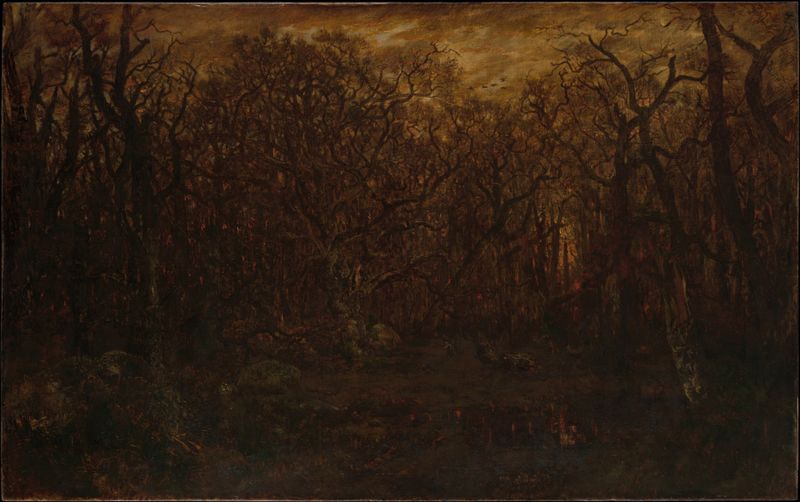
The Forest in Winter at Sunset
Théodore Rousseau
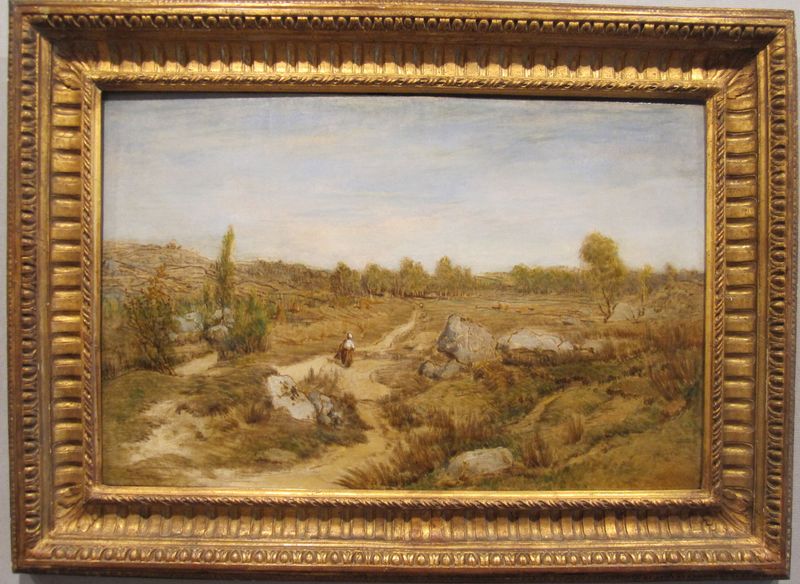
Valley of the Rouars in the Gorges d’Apremont
Théodore Rousseau
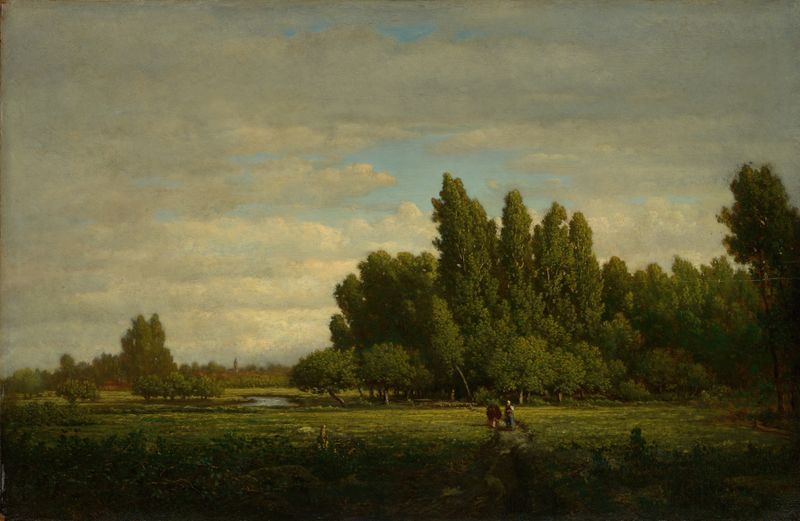
A Meadow Bordered by Trees
Théodore Rousseau
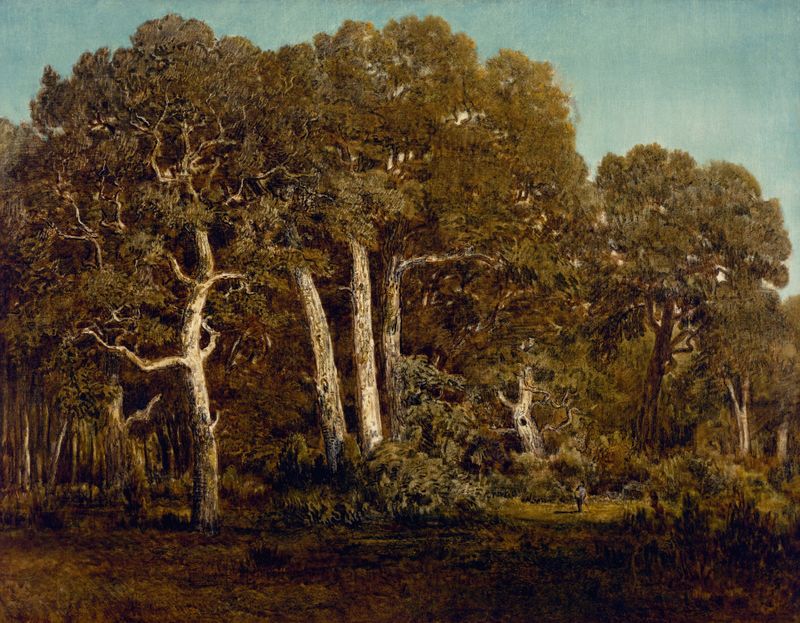
The Great Oaks of Old Bas-Bréau
Théodore Rousseau
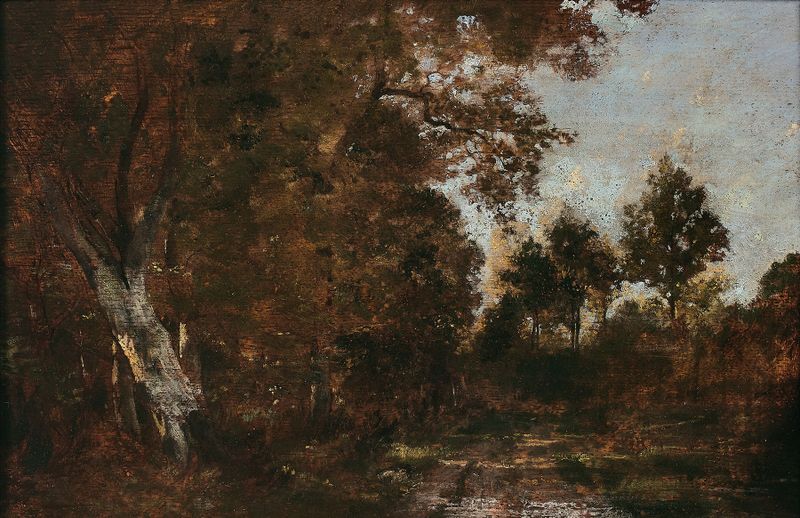
Paysage de sous-bois
Théodore Rousseau
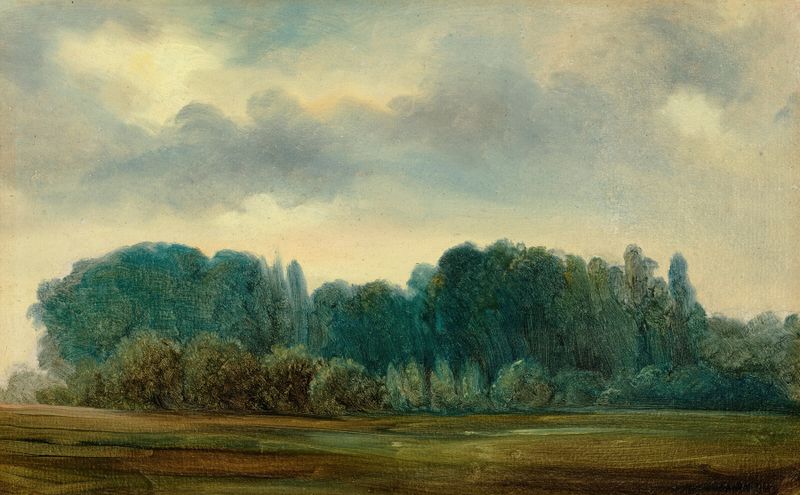
Paysage
Théodore Rousseau
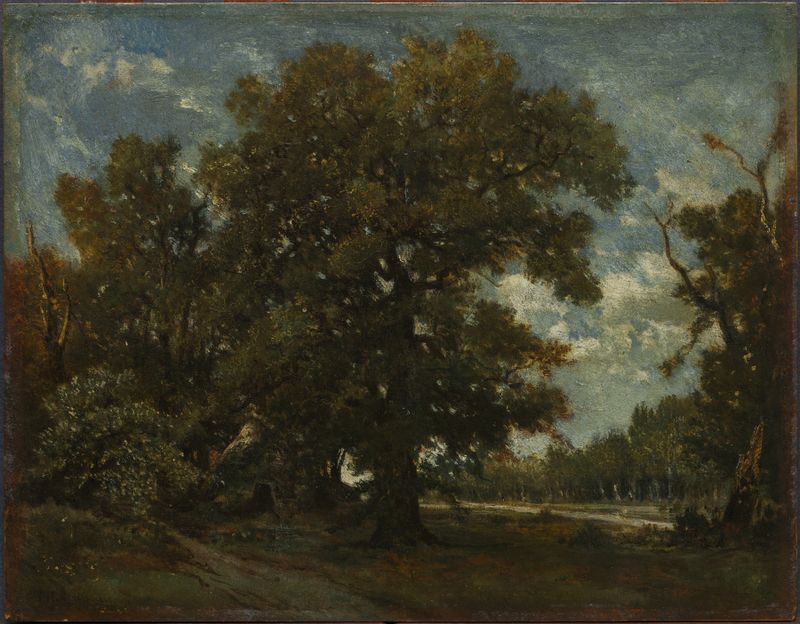
The Oak Tree
Théodore Rousseau
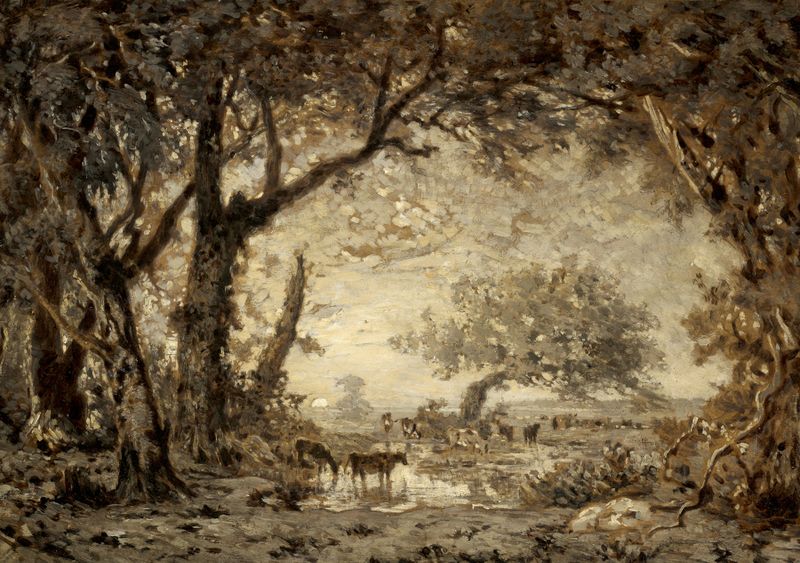
Sunset from the Forest of Fontainebleau
Théodore Rousseau
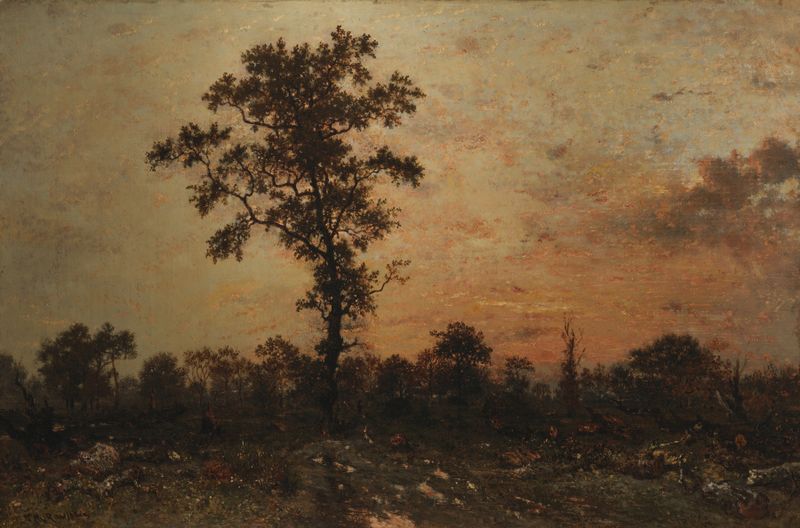
Edge of the Forest, Sun Setting
Théodore Rousseau
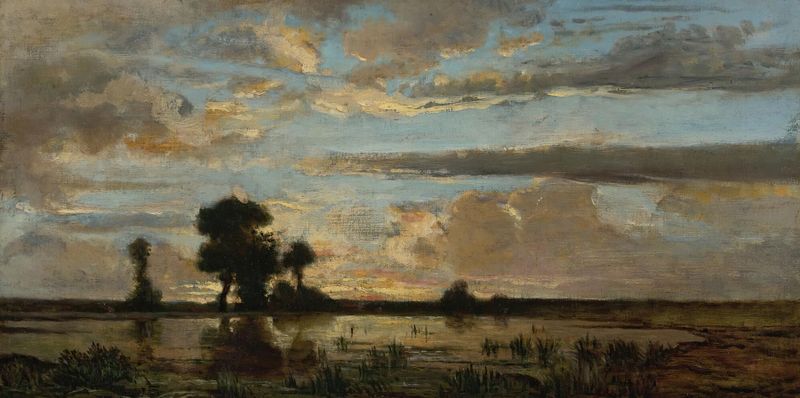
Soleil Couchant
Théodore Rousseau





