
Landscape — History & Facts
In every stroke of paint lies the potential for beauty, revealing nature’s untamed splendor in all its rawness. Look to the center of the canvas, where a gentle swell of green hills meets the horizon. The layers of verdant hues draw the eye inward, suggesting both depth and tranquility. Notice the soft interplay of light and shadow, where sunlight filters through breaks in the clouds, bathing the landscape in an ethereal glow.
These elements blend organically, illustrating Rousseau's mastery in capturing the atmosphere and mood of the natural world. Beneath the serene surface, the painting tells a story of duality. The harmony of the rolling hills contrasts sharply with the chaotic brushwork that implies the untamed spirit of the wilderness. Small touches of vibrant color peek through the luxuriant greens, hinting at fleeting moments of beauty that might go unnoticed.
This complexity invites viewers to ponder the balance between chaos and order, reflecting the artist’s understanding of nature as both nurturing and untamed. Created around 1860, this piece emerged during a transformative period in Rousseau's life, as he sought recognition amidst the evolving landscape of French art. Living in the outskirts of Paris, he found solace in the rural surroundings, distancing himself from the conventional styles dominating the city. At a time when Romanticism was waning, he embraced a more intimate, personal approach to nature, thus contributing significantly to the early foundations of the Barbizon School.
More Artworks by Théodore Rousseau
Browse all →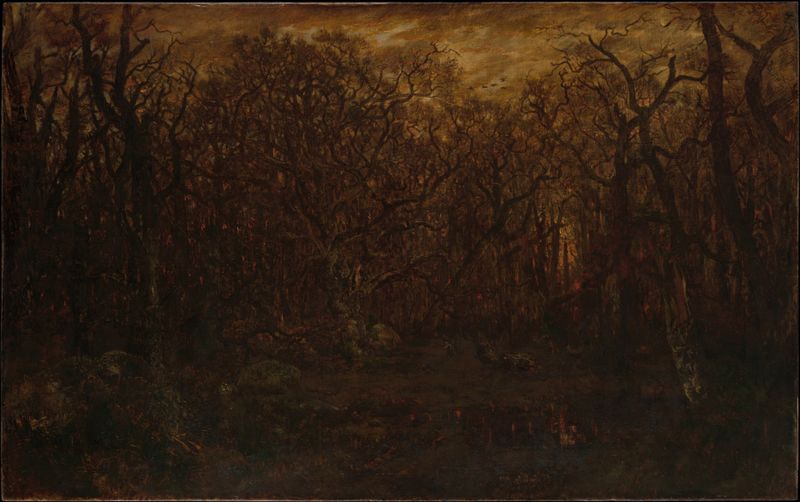
The Forest in Winter at Sunset
Théodore Rousseau
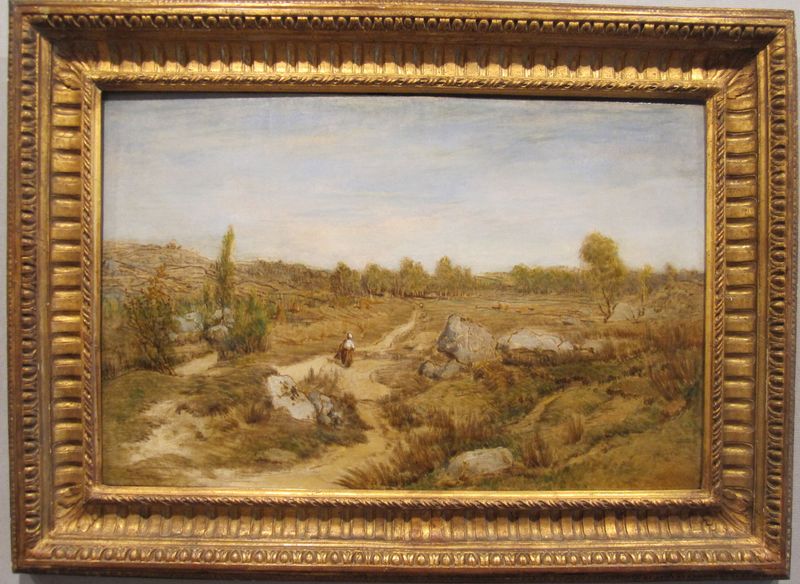
Valley of the Rouars in the Gorges d’Apremont
Théodore Rousseau
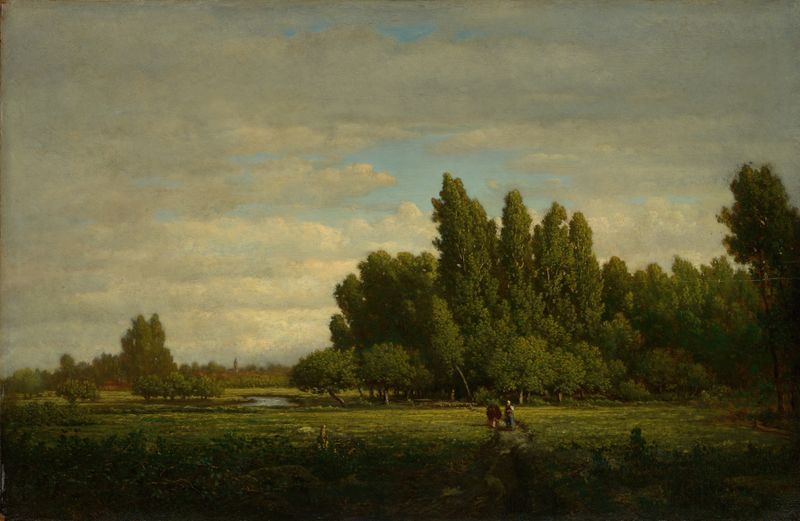
A Meadow Bordered by Trees
Théodore Rousseau
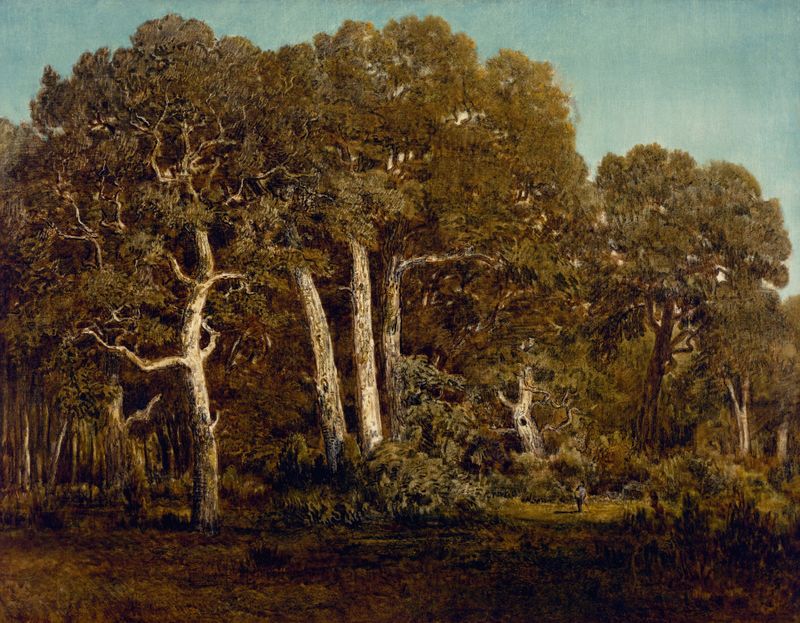
The Great Oaks of Old Bas-Bréau
Théodore Rousseau
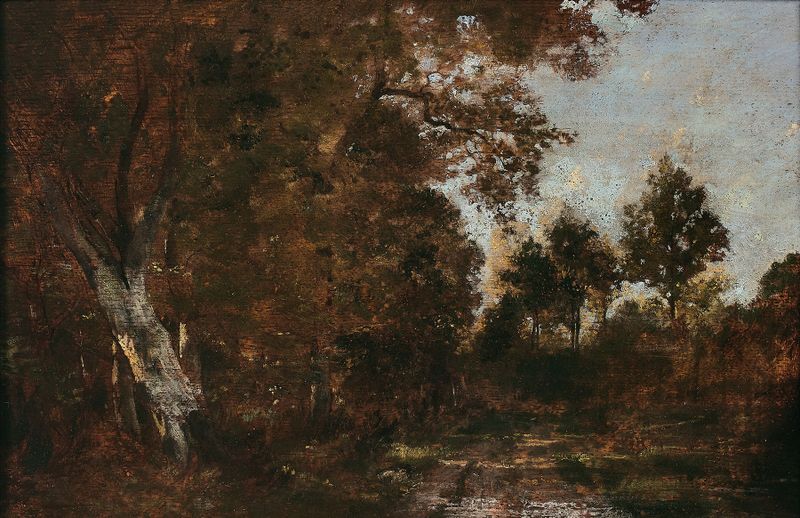
Paysage de sous-bois
Théodore Rousseau
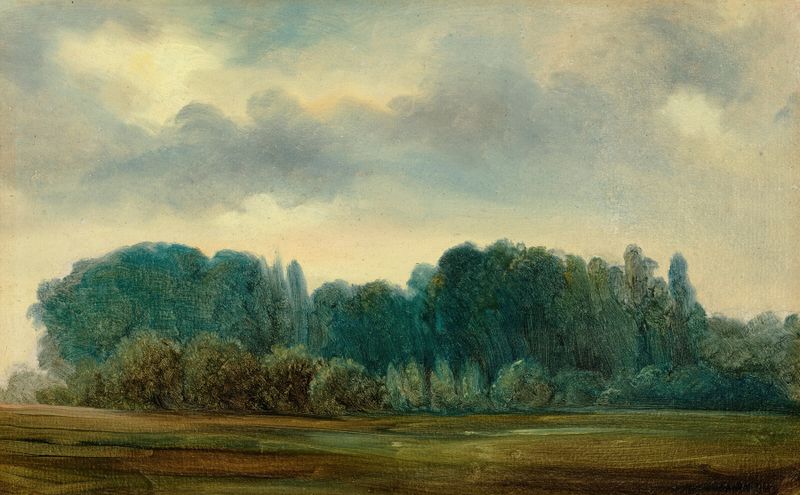
Paysage
Théodore Rousseau
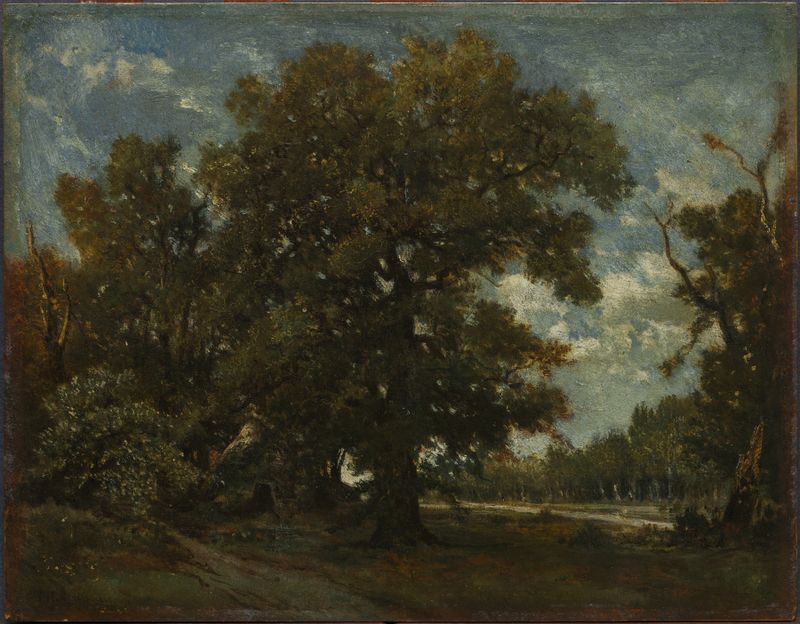
The Oak Tree
Théodore Rousseau
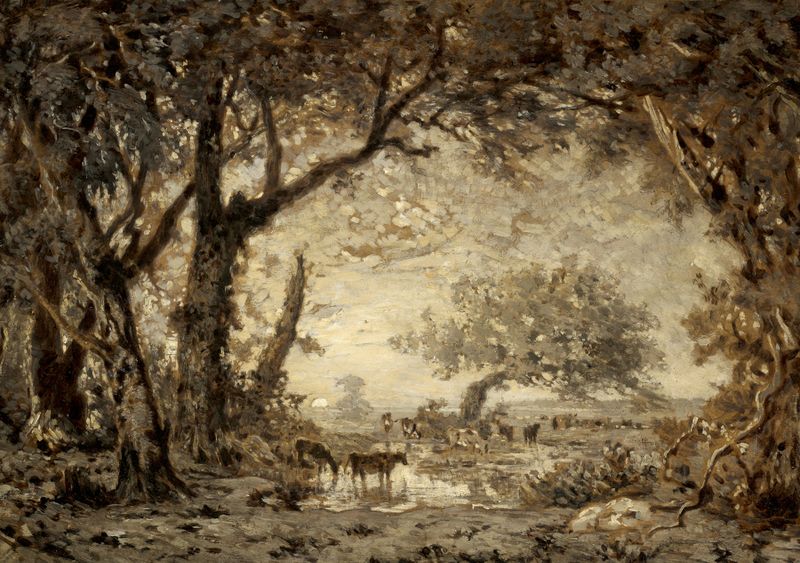
Sunset from the Forest of Fontainebleau
Théodore Rousseau
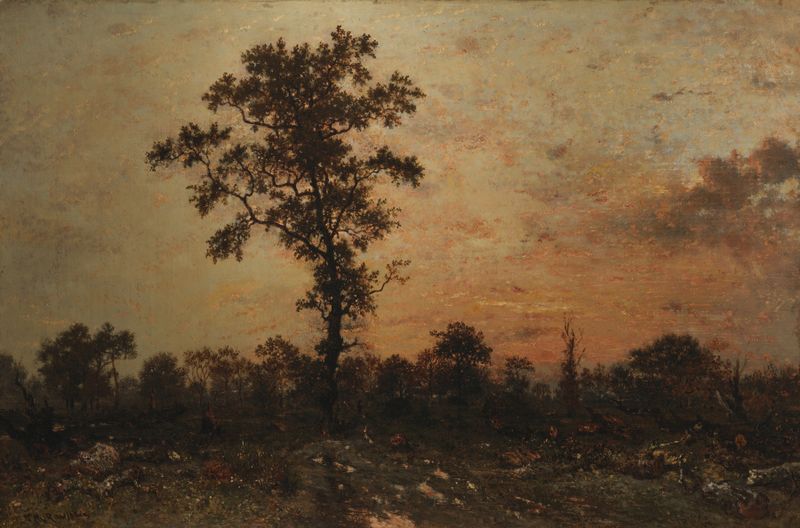
Edge of the Forest, Sun Setting
Théodore Rousseau
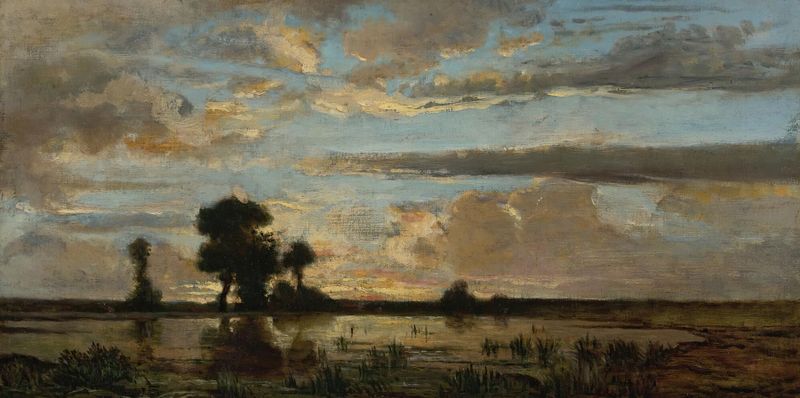
Soleil Couchant
Théodore Rousseau





