
Landscape — History & Facts
Did the painter know this moment would outlive them? In Landscape, an evocative tableau emerges, inviting us to ponder the fear of insignificance against the grandeur of nature. Look to the center of the canvas, where a towering tree stands resolute, its gnarled branches stretching into a sky brushed with soft hues of twilight. The light, bathed in warm golds and muted blues, dances across the landscape, creating a tension between illumination and the encroaching shadows. Notice how the brushstrokes sweep across the foreground, guiding the eye through a lush expanse that feels both inviting and ominous — a paradox of beauty and dread. As you explore the painting, consider the contrast between the vibrant earth and the impending dusk; there’s a palpable fear that this serene moment may soon be lost to time.
The tree, both protector and observer, signifies resilience amid the inevitable passage of time, while the darkening sky hints at the anxieties that accompany existence. Each blade of grass and each shadow cast speaks to the fragility of life and the weight of memory. Created during a period when romanticism was influencing many artists, this piece reflects a personal longing for connection to nature and the sublime. While the exact date remains unknown, it is likely that Fahlcrantz painted it amidst the tranquil landscapes of Sweden, a time when artists sought solace in the natural world, grappling with their own place within it.
The work stands as a testament to both the artist's struggle and his enduring legacy.
More Artworks by Carl Johan Fahlcrantz
Browse all →
Nyköping Castle
Carl Johan Fahlcrantz
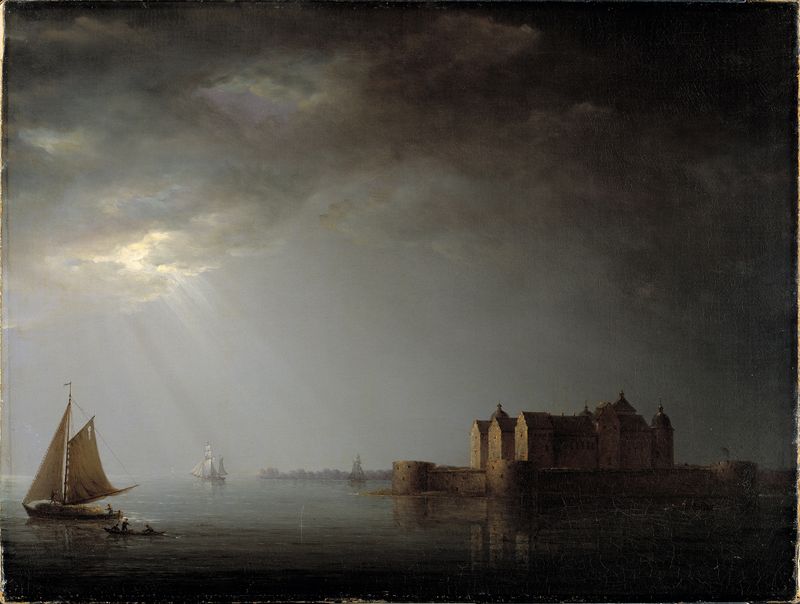
Kalmar Castle by Moonlight
Carl Johan Fahlcrantz
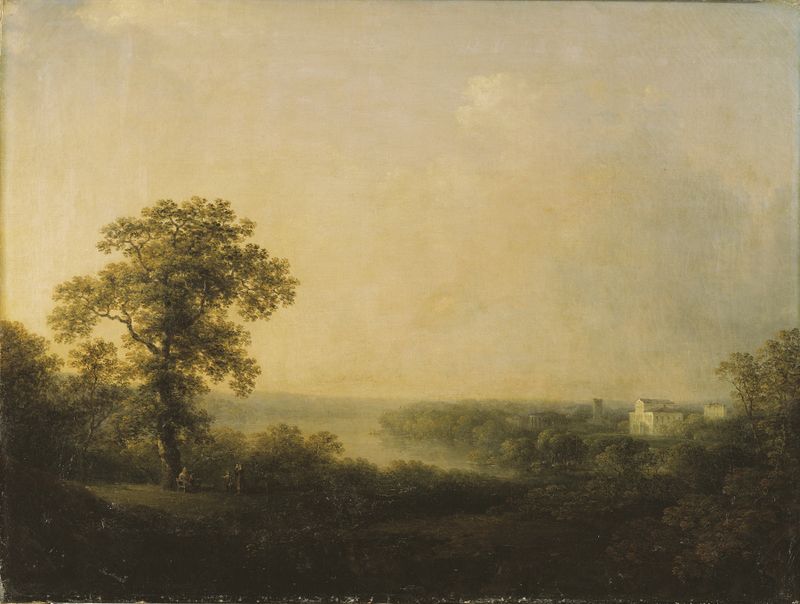
View of Haga
Carl Johan Fahlcrantz

A Waterfall, Älvkarleby
Carl Johan Fahlcrantz

View of Uppsala. Landscape by Moonlight
Carl Johan Fahlcrantz

Waterfall
Carl Johan Fahlcrantz
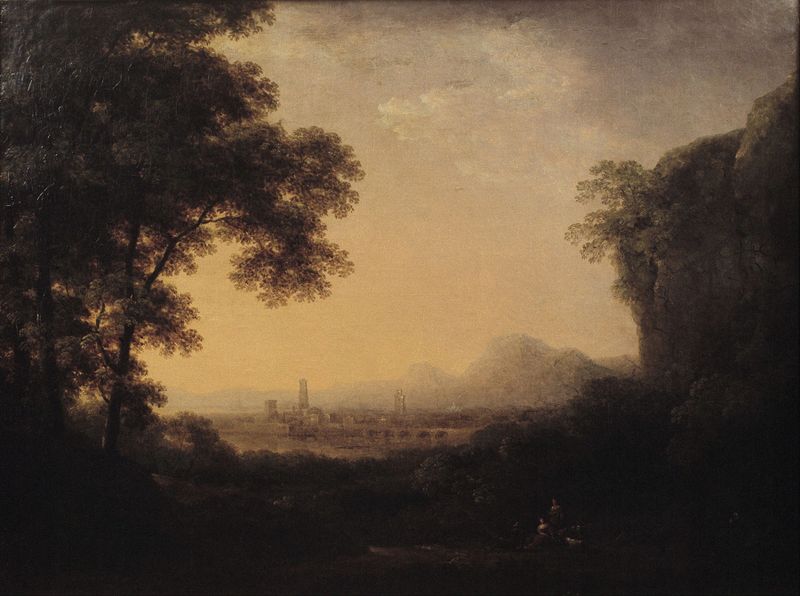
Romantic landscape
Carl Johan Fahlcrantz
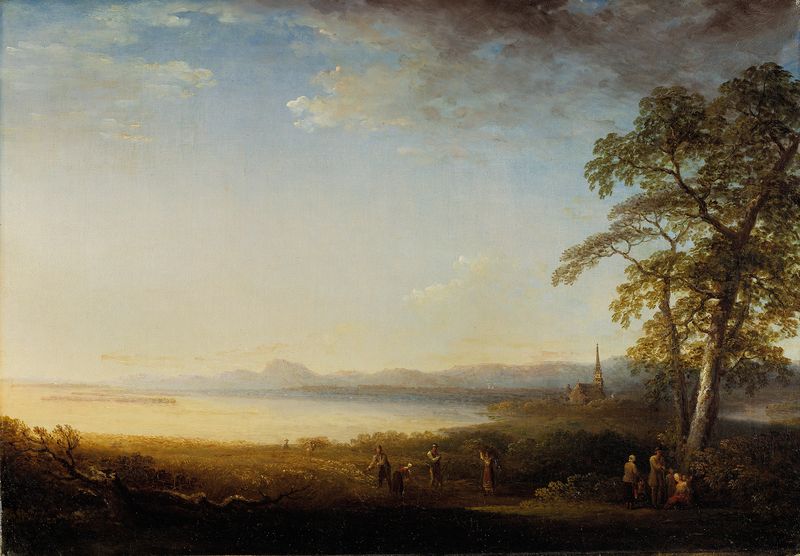
Landskap vid Mora kyrka
Carl Johan Fahlcrantz





