
Landskap vid Mora kyrka — History & Facts
In the world of landscapes, color can evoke emotions that words often fail to capture, a reminder of life’s fleeting beauty. Look to the foreground where the gentle blend of greens invites you into a lush meadow, alive with texture. The artist's deft hand creates a symphony of color, transitioning from vibrant fields to the soft, palette of the sky in the background. Notice how the light dances across the clouds, casting a golden glow that washes over the scene, highlighting the white church spire that rises steadfast against the horizon.
Each stroke is a deliberate choice, pulling the viewer into a serene yet dynamic countryside. As you delve deeper, consider the contrasts presented: the solidity of the church juxtaposed against the fluidity of nature. The bright colors of the landscape seem jubilant, perhaps reflecting the hope and renewal that nature embodies, while the church stands as a testament to permanence and faith. The play between vibrant hues and shadowy undertones speaks to a deeper narrative of tranquility intermingled with spiritual reverence, inviting contemplation of both the divine and the earthly. In 1808, as Landskap vid Mora kyrka emerged from Fahlcrantz’s brush, he was navigating a period of artistic exploration in Sweden, influenced by Romantic ideals.
Living in Stockholm at the time, he embraced the natural beauty surrounding him, capturing not just landscapes but also the essence of the Swedish identity amidst the shifting tides of cultural thought in Europe.
More Artworks by Carl Johan Fahlcrantz
Browse all →
Nyköping Castle
Carl Johan Fahlcrantz
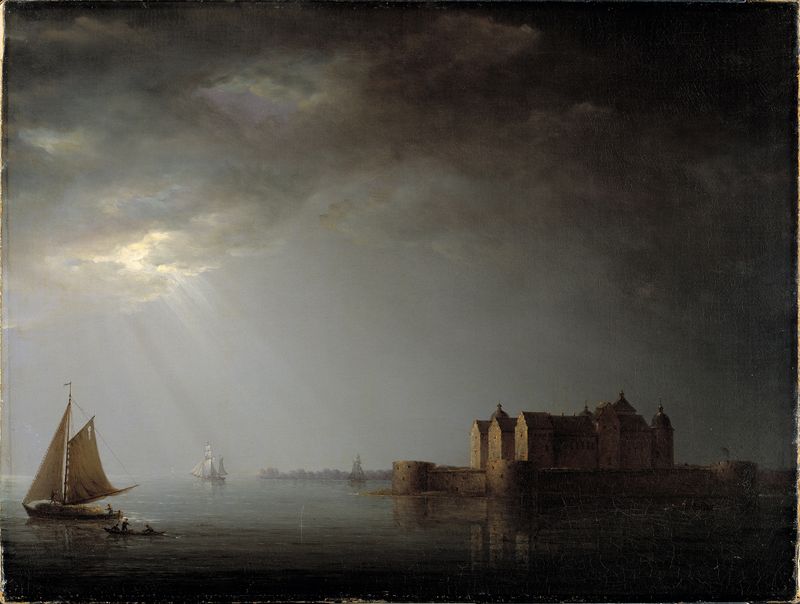
Kalmar Castle by Moonlight
Carl Johan Fahlcrantz
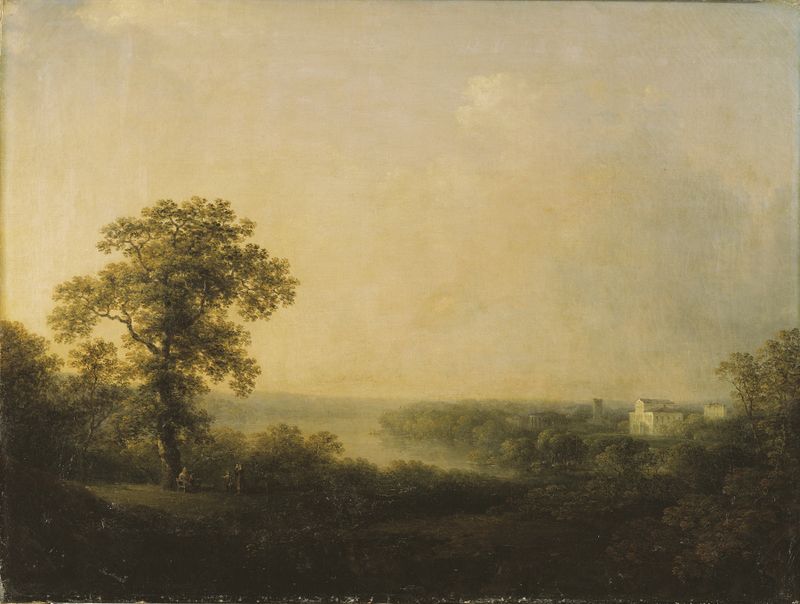
View of Haga
Carl Johan Fahlcrantz

Landscape
Carl Johan Fahlcrantz

A Waterfall, Älvkarleby
Carl Johan Fahlcrantz

View of Uppsala. Landscape by Moonlight
Carl Johan Fahlcrantz

Waterfall
Carl Johan Fahlcrantz
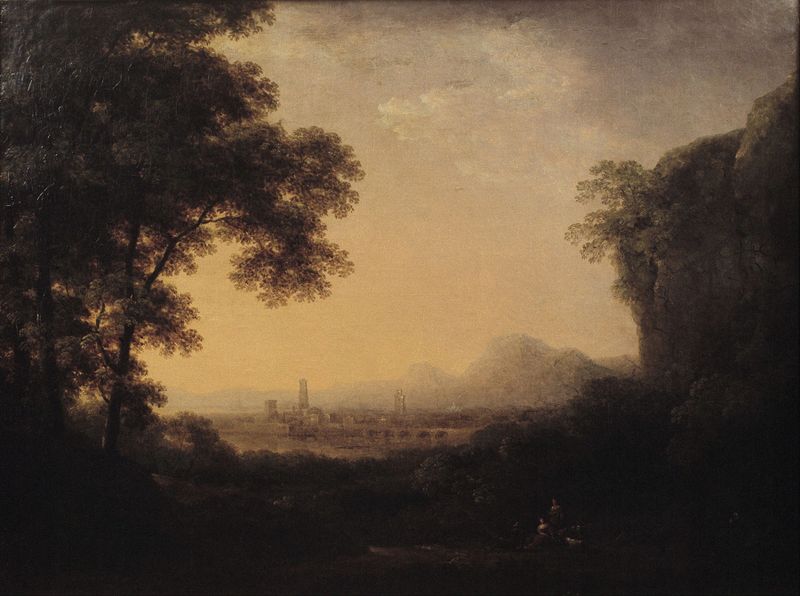
Romantic landscape
Carl Johan Fahlcrantz





