
View of Haga — History & Facts
In this mesmerizing landscape, time seems to stand still, inviting us to reflect on the permanence of nature against the transience of human existence. Focus first on the sweeping horizon that stretches across the painting, where soft blues and greens blend seamlessly into one another. The detailed brushwork creates a sense of depth, drawing the viewer's eye to the lush greenery that blankets the foreground. Notice how the light gently dapples through the trees, illuminating patches of earth and casting playful shadows that evoke a tranquil, almost reverent atmosphere.
Each stroke captures not just the beauty of Haga, but the essence of a moment captured in time. Beneath the surface of this serene landscape lies a tension between nature's enduring presence and the fleeting nature of human life. The harmony of the scene contrasts sharply with the chaotic world beyond it, reminding us of the fragility of time. Elements like the winding path suggest a journey, inviting contemplation about where it leads and the stories it witnesses.
The presence of the distant structures hints at human activity, yet they appear dwarfed by the grandeur of the natural world, emphasizing the insignificance of our actions against the backdrop of eternity. Carl Johan Fahlcrantz painted View of Haga in 1811, during a period marked by a growing appreciation for the Romantic movement in art. At the time, he was based in Sweden, where he was influenced by the natural landscapes around him. This was a transformative period for artists exploring the relationship between humanity and nature, showcasing a desire to reconnect with the earth amidst the industrial developments of the era.
More Artworks by Carl Johan Fahlcrantz
Browse all →
Nyköping Castle
Carl Johan Fahlcrantz
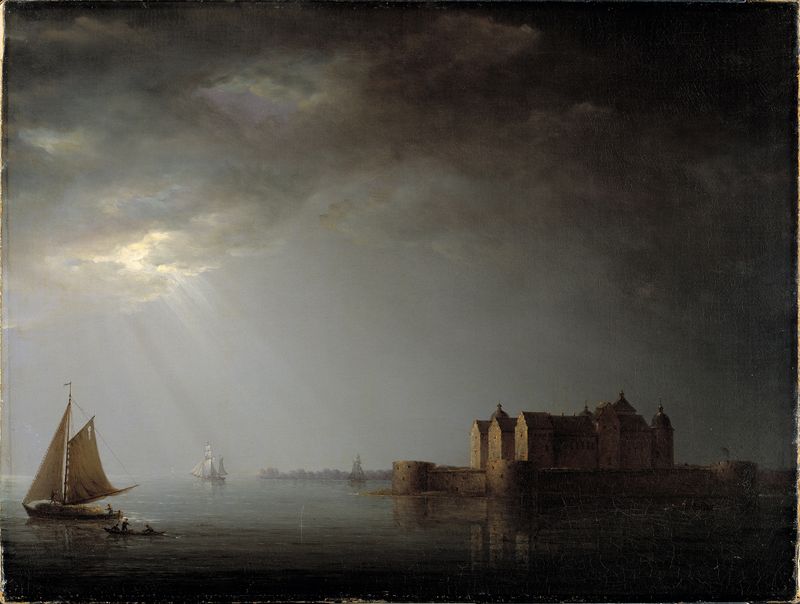
Kalmar Castle by Moonlight
Carl Johan Fahlcrantz

Landscape
Carl Johan Fahlcrantz

A Waterfall, Älvkarleby
Carl Johan Fahlcrantz

View of Uppsala. Landscape by Moonlight
Carl Johan Fahlcrantz

Waterfall
Carl Johan Fahlcrantz
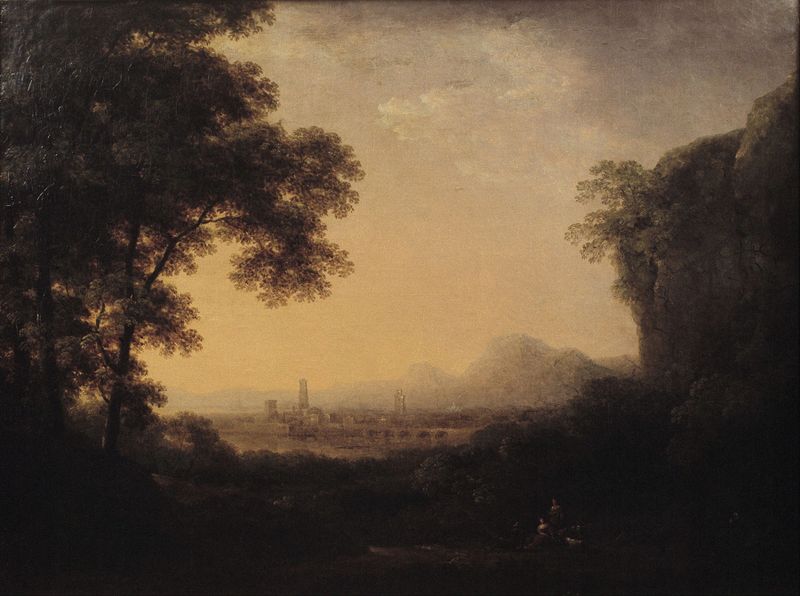
Romantic landscape
Carl Johan Fahlcrantz
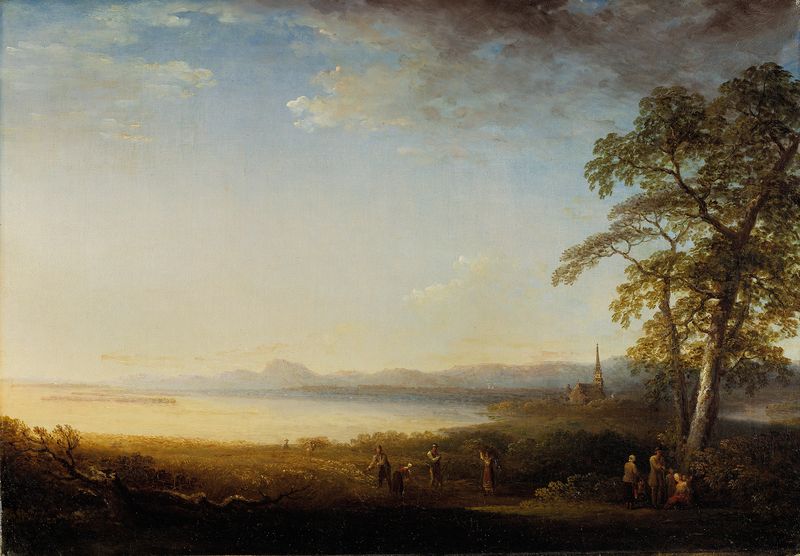
Landskap vid Mora kyrka
Carl Johan Fahlcrantz





