
Nyköping Castle — History & Facts
What if beauty was never meant to be finished? In the stillness of Nyköping Castle, shadows stretch elegantly across the aged stone, inviting contemplation of time’s impermanence. Look to the center, where the dignified castle rises against a backdrop of a fading afternoon sky, embers of sunlight igniting its weathered facade. Notice how the artist employed a palette of muted earth tones, harmonizing deep greens and soft browns, which contrast with the vibrant, ephemeral light. The interplay of shadow and light creates an inviting depth, pulling the viewer into the architectural grandeur while hinting at secrets held within its walls. Delve deeper into the intricate details—observe the way the shadows dance around the castle’s foundation, evoking a sense of mystery and nostalgia.
The contrast between light and shadow symbolizes the delicate balance of history and time; while the castle stands proudly, its crumbling edges whisper stories of the past. Here, the shadows are not mere absence of light, but instead serve as a reminder of what remains unseen, evoking emotions of longing and reflection. In the 1840s, as Carl Johan Fahlcrantz painted this scene in Sweden, he was part of a burgeoning Romantic movement that celebrated nature and the sublime. Fahlcrantz was deeply influenced by the beauty of his surroundings and the historical significance of landmarks like this castle, which reflected both national pride and the passage of time.
His work captured not just the visual essence of these spaces, but their emotional weight in a rapidly changing world.
More Artworks by Carl Johan Fahlcrantz
Browse all →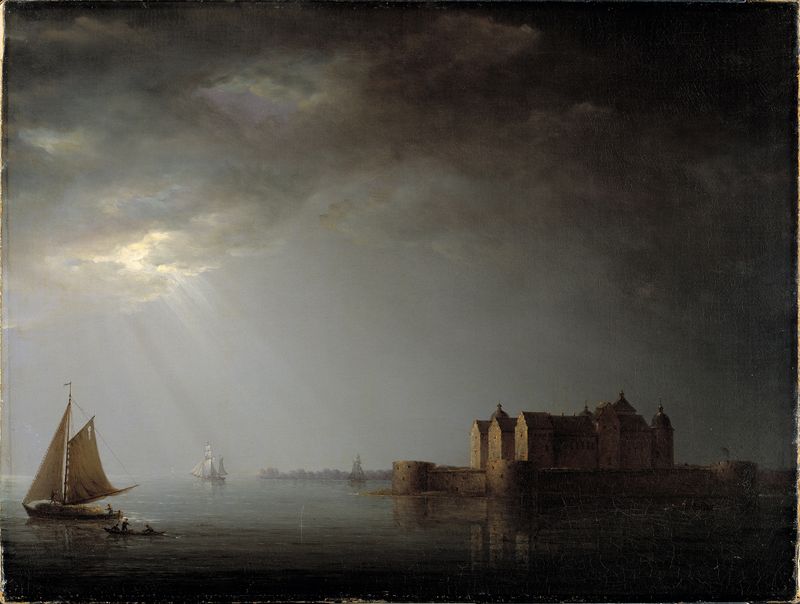
Kalmar Castle by Moonlight
Carl Johan Fahlcrantz
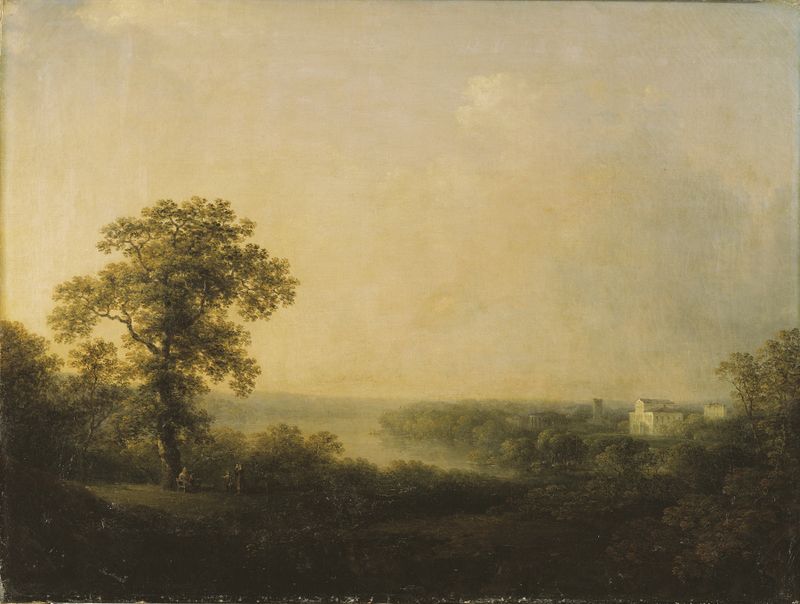
View of Haga
Carl Johan Fahlcrantz

Landscape
Carl Johan Fahlcrantz

A Waterfall, Älvkarleby
Carl Johan Fahlcrantz

View of Uppsala. Landscape by Moonlight
Carl Johan Fahlcrantz

Waterfall
Carl Johan Fahlcrantz
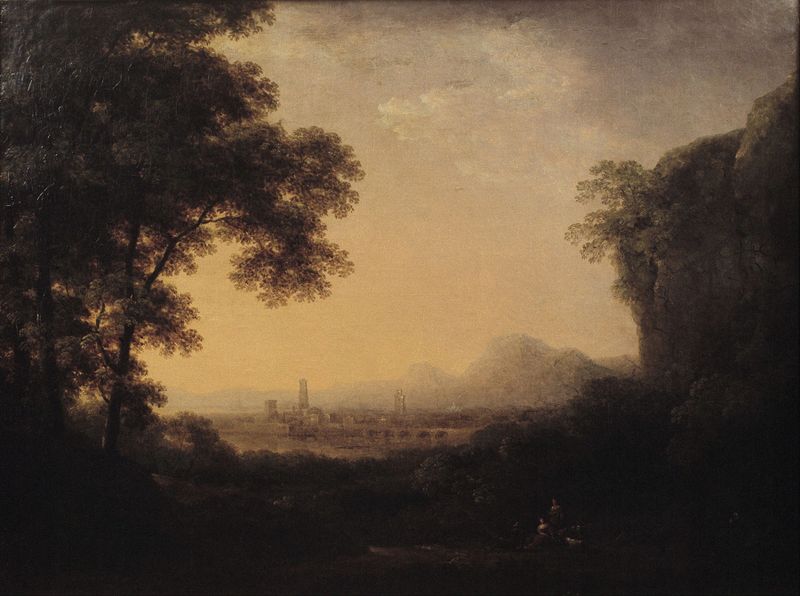
Romantic landscape
Carl Johan Fahlcrantz
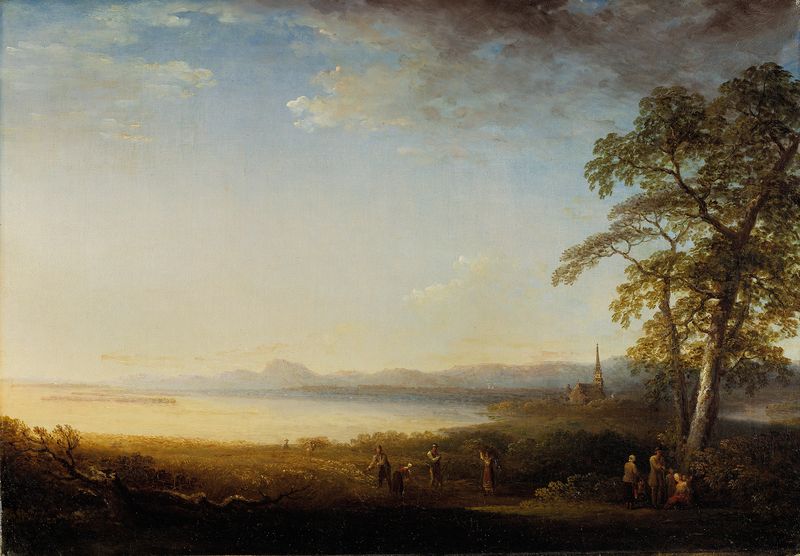
Landskap vid Mora kyrka
Carl Johan Fahlcrantz
More Architecture Art
Browse all →
The statue of Liberty
Frédéric Auguste Bartholdi

View of Houses in Delft, Known as ‘The Little Street’
Johannes Vermeer

View of Houses in Delft, Known as ‘The Little Street’
Johannes Vermeer

The Cathedral in Rouen. The portal, Grey Weather
Claude Monet

The yellow house
Vincent van Gogh

The Church in Auvers-sur-Oise, View from the Chevet
Vincent van Gogh