
View of Uppsala. Landscape by Moonlight — History & Facts
Can paint confess what words never could? In View of Uppsala. Landscape by Moonlight, the canvas whispers secrets of a night both serene and tumultuous, cloaked in the eerie beauty of moonlight. Focus first on the luminous orb hanging like an ancient coin in the sky, casting an ethereal glow over the tranquil landscape. To the left, the silhouette of Uppsala's cathedral rises, a stark contrast against the deep indigo sky.
The interplay of light and shadow dances across the fields, highlighting gentle undulations while hinting at the underlying tension. Notice how the strokes evoke not just the beauty of the night, but also a sense of foreboding, as if the landscape is on the cusp of revealing darker truths. Beneath the calm surface, a contrast brews between the serene imagery and an unsettling undercurrent. The moonlight bathes the scene in a soft embrace, yet the jagged lines of the cathedral’s spires pierce the sky, suggesting conflict—a reminder of the violence that often brews beneath tranquility.
The warm hues of the fields cradled in shadow seem to harbor secrets, whispering of past struggles that linger in the air long after the sun has set. Here, nature is both a sanctuary and a stage for unspoken tensions. Carl Johan Fahlcrantz painted View of Uppsala in 1820 while residing in Sweden during a period of artistic transformation. The Romantic movement was gaining momentum, emphasizing emotion and the sublime in nature.
Fahlcrantz sought to capture the essence of his homeland through a lens that both celebrated its beauty and hinted at its complexities, reflecting the tumultuous spirit of his time.
More Artworks by Carl Johan Fahlcrantz
Browse all →
Nyköping Castle
Carl Johan Fahlcrantz
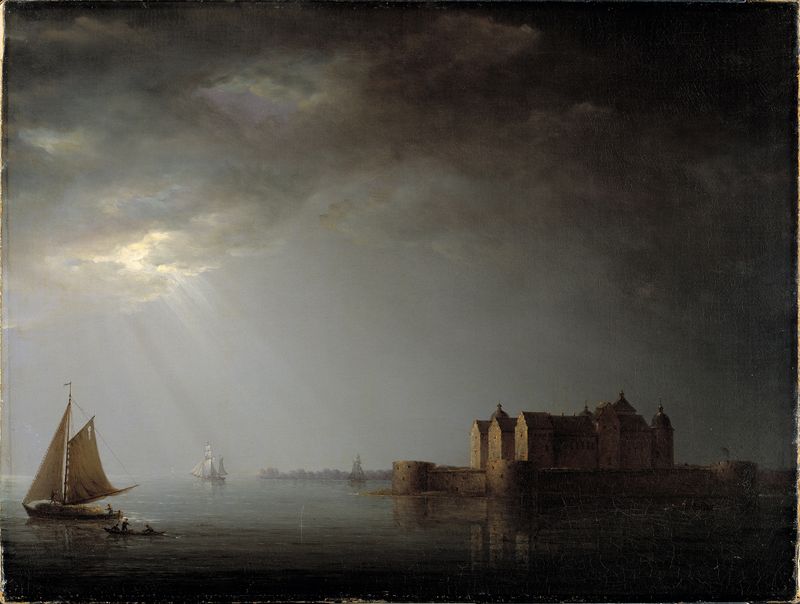
Kalmar Castle by Moonlight
Carl Johan Fahlcrantz
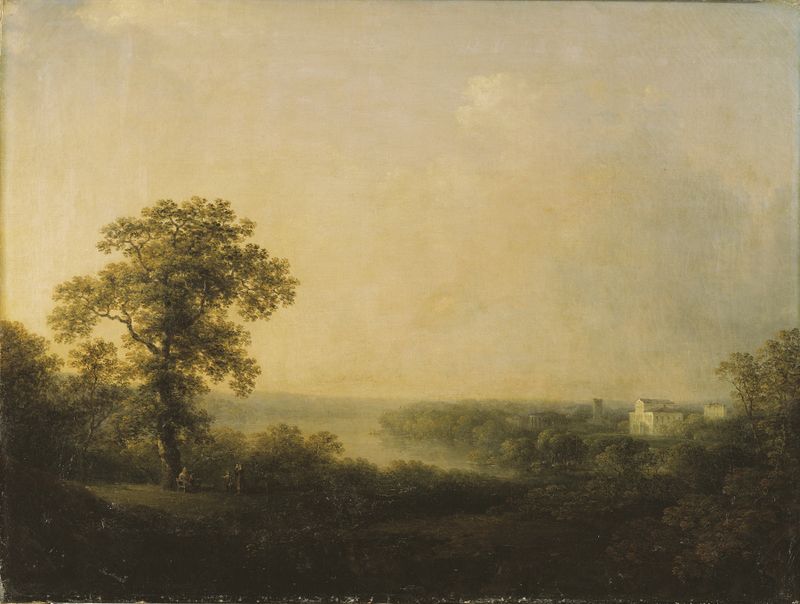
View of Haga
Carl Johan Fahlcrantz

Landscape
Carl Johan Fahlcrantz

A Waterfall, Älvkarleby
Carl Johan Fahlcrantz

Waterfall
Carl Johan Fahlcrantz
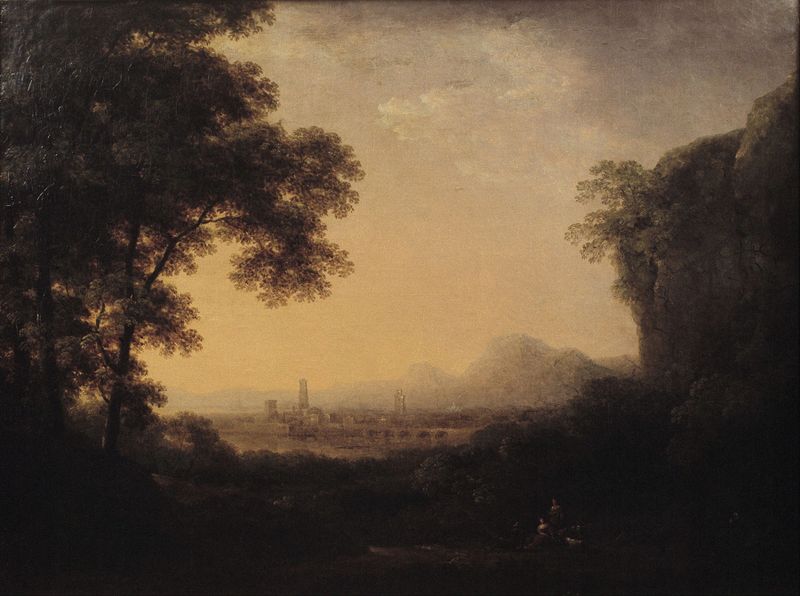
Romantic landscape
Carl Johan Fahlcrantz
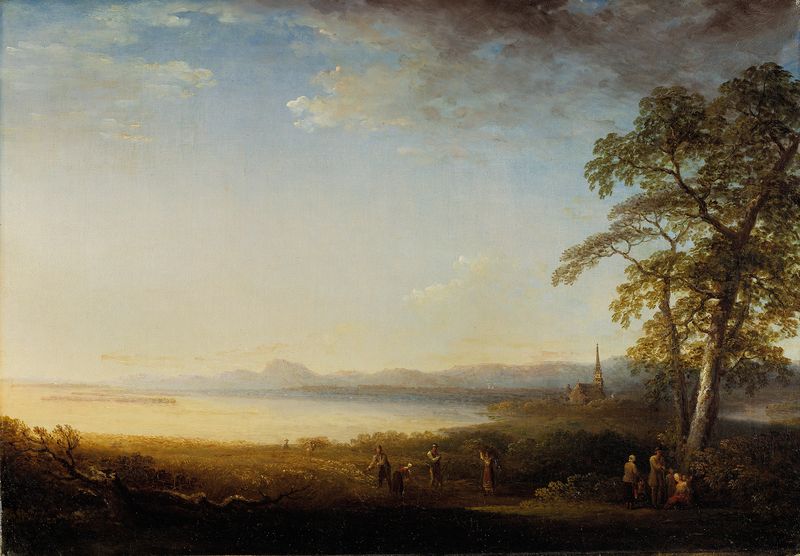
Landskap vid Mora kyrka
Carl Johan Fahlcrantz





