
Romantic landscape — History & Facts
Where does light end, and longing begin? A solitary figure stands beneath a vast expanse of twilight, surrounded by nature’s embrace yet profoundly alone. The interplay of soft hues and shadow creates an atmosphere thick with yearning, inviting the viewer to contemplate the space between presence and absence. Look to the left, where the warm blush of a setting sun spills across the horizon, illuminating the rugged landscape. Fahlcrantz masterfully balances the tension between darkened trees and the ethereal glow, guiding your gaze towards the distant hills that fade into obscurity.
Each brushstroke conveys a delicate harmony, with muted greens and browns interspersed with the golden light, evoking both tranquility and a sense of unfulfilled desire. In this painting, the solitary figure—a mere silhouette against the expansive backdrop—embodies the duality of connection and isolation. The gentle ripples of the water reflect both the fading light and a sense of introspection, suggesting the inner turmoil that accompanies loneliness. The landscape, while stunningly beautiful, serves as a reminder of the emotional void that can exist even amidst nature’s grandeur, encapsulating a poignant stillness that resonates deeply with the viewer. Created in 1810, this work emerged during a period marked by dramatic shifts in European art, as Romanticism began to flourish.
Fahlcrantz, a Swedish painter, was deeply influenced by the natural beauty of his homeland and was keenly aware of the movements around him. While Europe grappled with the aftermath of the Enlightenment and the beginnings of industrialization, his landscape serves as a testament to the enduring power of emotion and the human experience, reflecting a world at once familiar and hauntingly distant.
More Artworks by Carl Johan Fahlcrantz
Browse all →
Nyköping Castle
Carl Johan Fahlcrantz
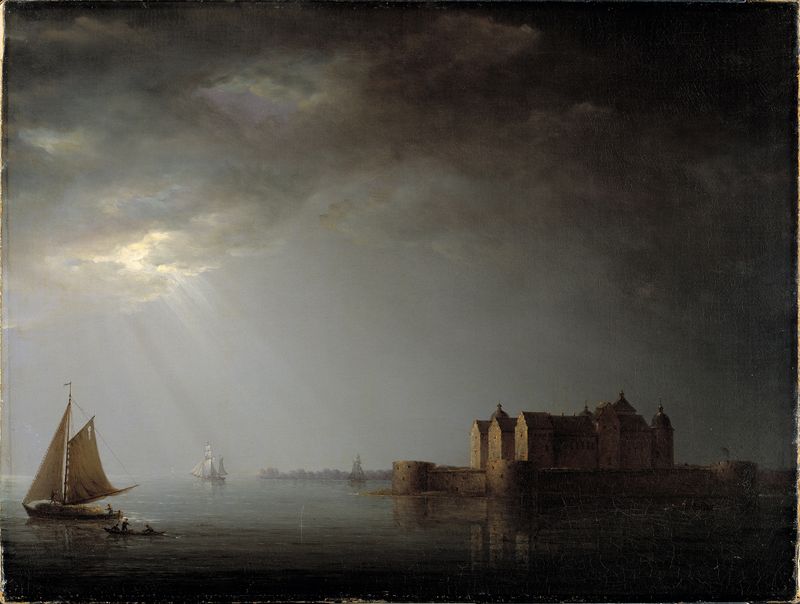
Kalmar Castle by Moonlight
Carl Johan Fahlcrantz
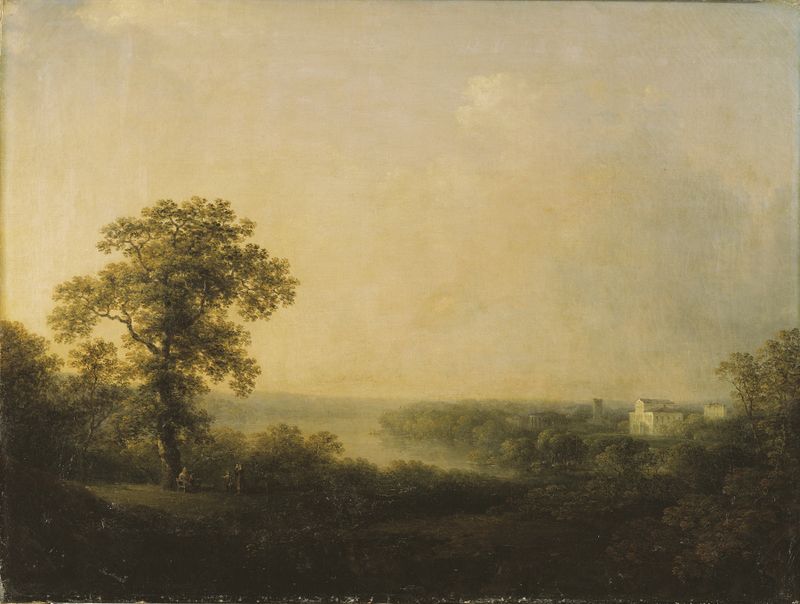
View of Haga
Carl Johan Fahlcrantz

Landscape
Carl Johan Fahlcrantz

A Waterfall, Älvkarleby
Carl Johan Fahlcrantz

View of Uppsala. Landscape by Moonlight
Carl Johan Fahlcrantz

Waterfall
Carl Johan Fahlcrantz
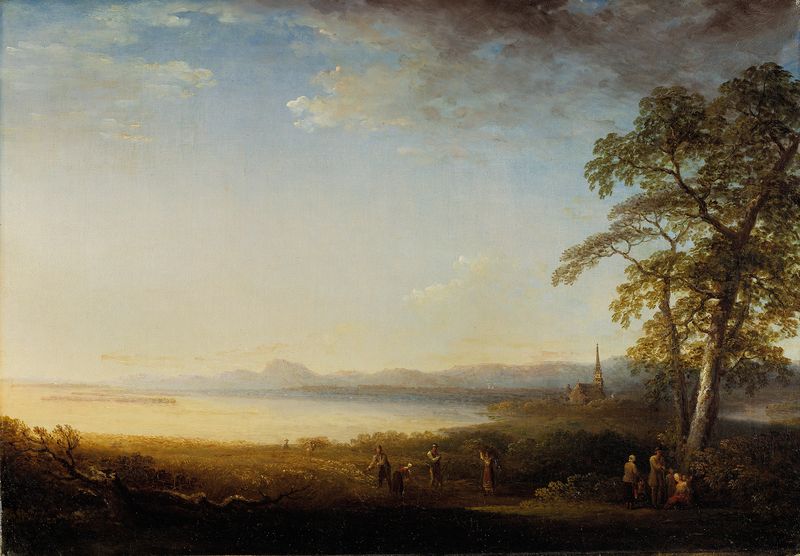
Landskap vid Mora kyrka
Carl Johan Fahlcrantz





