Landscape — History & Facts
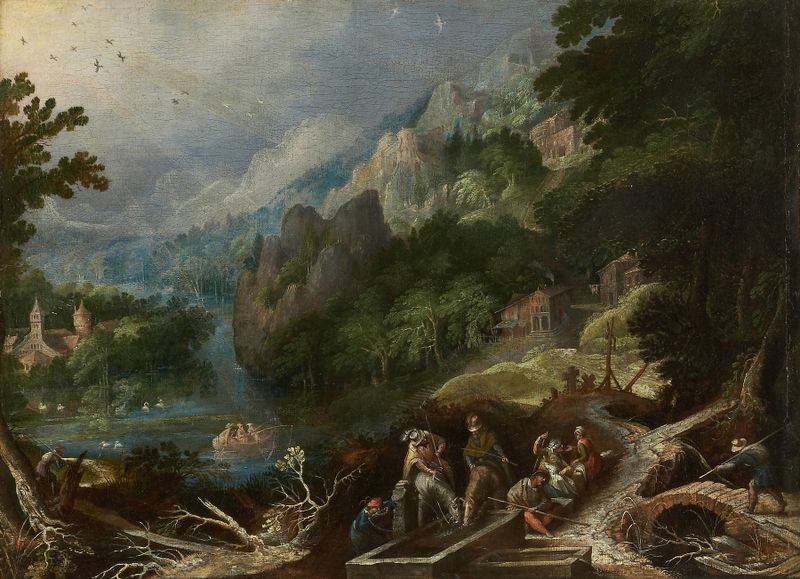
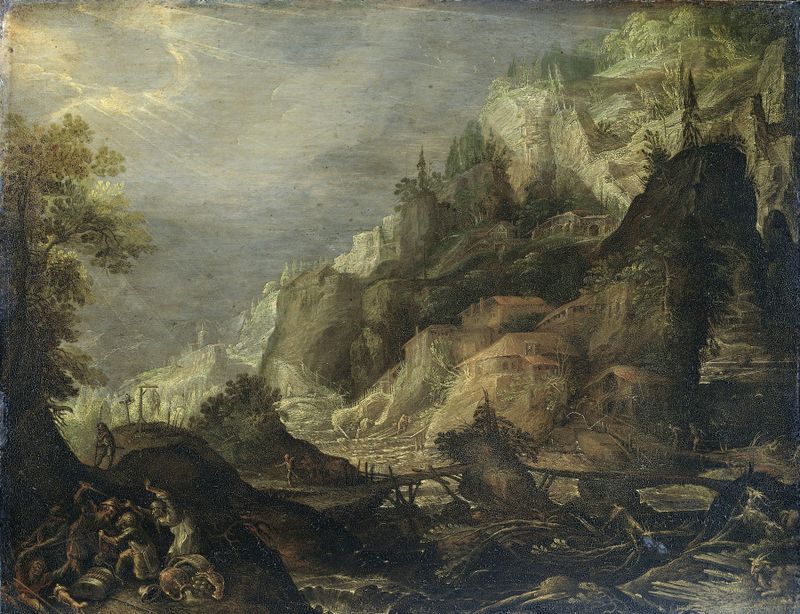
In a realm of fading light and shifting shadows, the landscape quietly holds its breath, waiting for the viewer to unlock its secrets. Here, the void speaks, and the silence beckons contemplation, reminding us that beauty often resides in the emptiness. Look to the foreground where the undulating hills rise gracefully, painted in rich greens and soft earth tones. The delicate brushwork invites the eye to traverse the gentle slopes, leading you toward a distant horizon where twilight begins to cast its spell.
Notice how the light dances on the edges of the clouds, infusing the scene with a warmth that contradicts the underlying sense of isolation. The composition, balanced yet unhurried, evokes a feeling of serenity, drawing you deeper into this tranquil world. Yet, within this serene vista lies a poignant contrast. The lushness of the landscape juxtaposes the starkness of the sky, hinting at an emotional tension between hope and despair.
The absence of figures invites reflection on humanity's place within this vast expanse, suggesting a longing for connection amidst the solitude. Each stroke of paint seems to capture an echo of life, a whisper of stories left untold, challenging the viewer to confront the void that lingers beneath the surface. Created during a time when the art world was slowly emerging from the confines of the Renaissance, this work was painted by an artist who navigated the complexities of expression and form. In an era marked by evolving techniques and expanding thematic explorations, Frederik Van Valckenborch's landscapes reveal his keen observation of nature while subtly addressing the human experience, a duality that resonates through the ages.