
Landscape — History & Facts
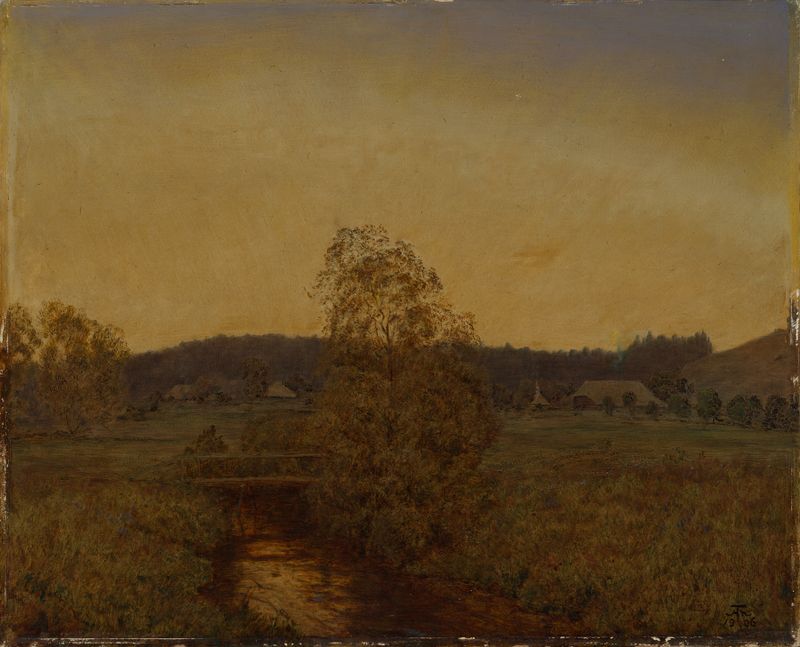
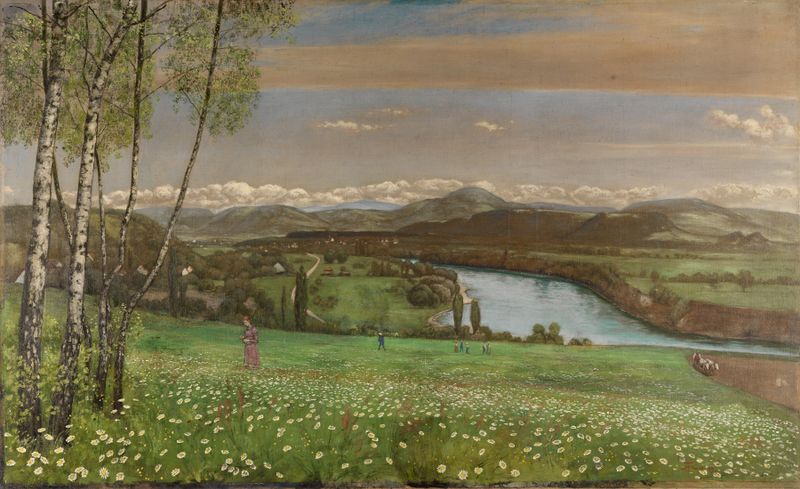
What secret hides in the quiet of the canvas? In the stillness of Landscape, the viewer is drawn into a realm where nature's beauty coexists with the inevitable passage of time. Look to the foreground where verdant greens meld into muted browns, revealing an intricate tapestry of life and decay. The brushstrokes are delicate yet firm, guiding the eye across the soft undulations of the land. Notice how the dappled light filters through the trees, casting intricate shadows that hint at both comfort and unease.
The palette, dominated by earthy tones, evokes a sense of nostalgia, while hints of brighter colors emerge unexpectedly, suggesting fleeting moments of joy amidst the encroaching stillness. A closer inspection unveils layers of meaning beneath the serene surface. The weathered trees stand as sentinels, embodying resilience against the passage of time, while the creeping underbrush speaks of nature's quiet reclamation. This duality of life and decay permeates the work, urging contemplation of one's place in the cyclical tapestry of existence.
There’s a tension in the harmony, a reminder that beauty often carries the weight of impermanence. Created in 1917, this piece reflects Hans Thoma's deep connection to nature during a tumultuous period marked by World War I. Living in Germany, he grappled with personal loss and broader societal chaos, using his art to express both solace and melancholy. The artwork embodies his belief in the restorative power of nature, offering a moment of respite amidst the turmoil of the world around him.
More Artworks by Hans Thoma
Browse all →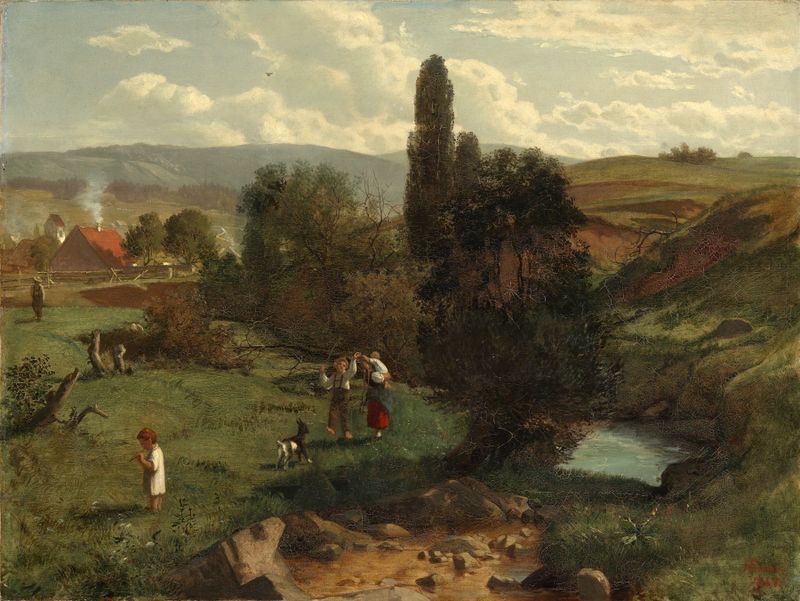
Schwarzwaldlandschaft
Hans Thoma
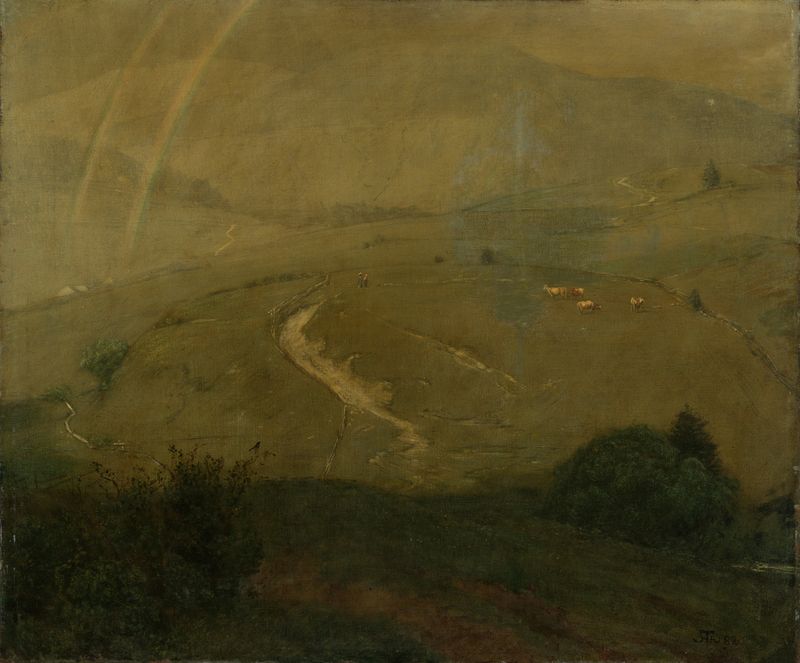
Regen im Schwarzwald
Hans Thoma
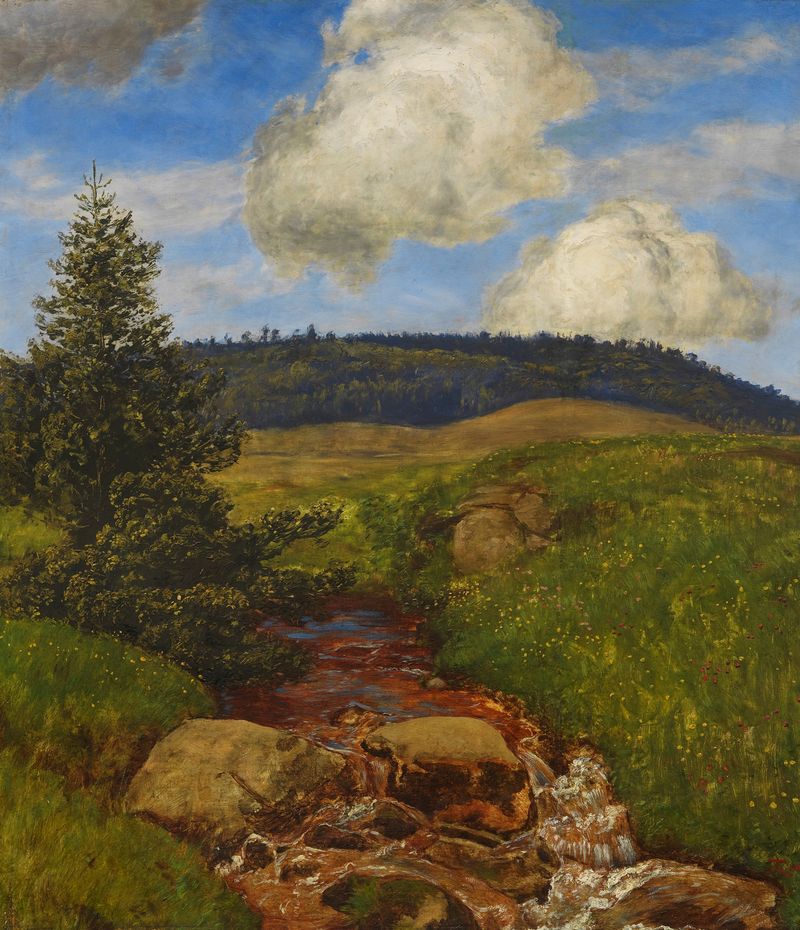
Schwarzwaldbach
Hans Thoma
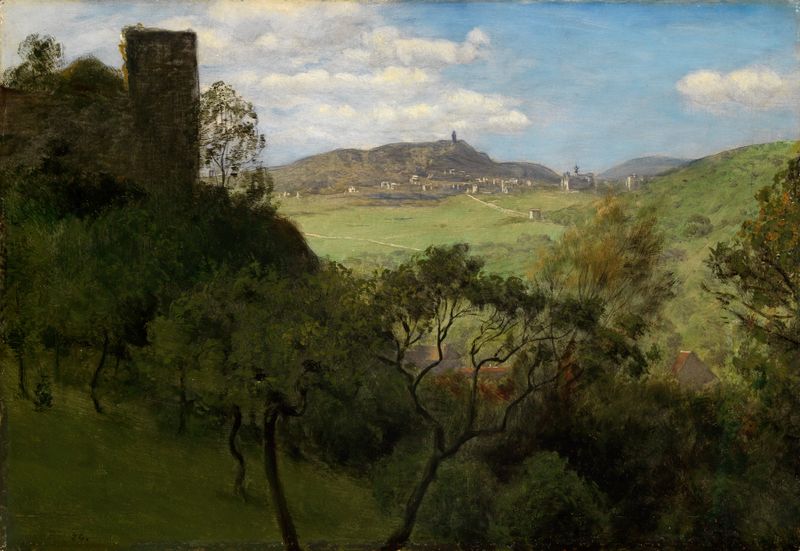
Blick auf Falkenstein im Taunus
Hans Thoma
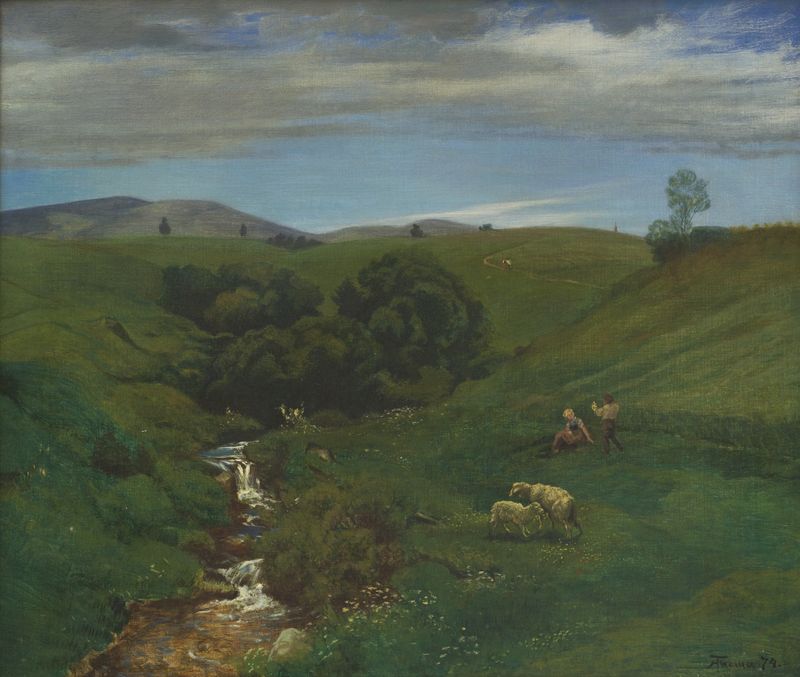
Black Forest Meadow near Bernau
Hans Thoma
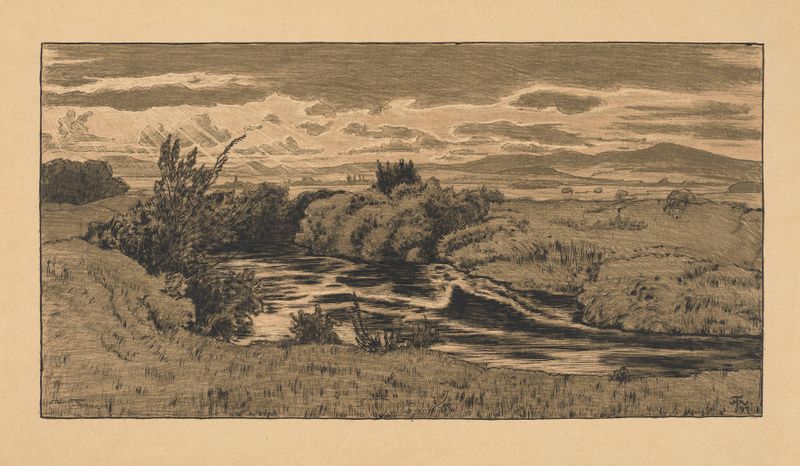
Evening by the Nidda River
Hans Thoma
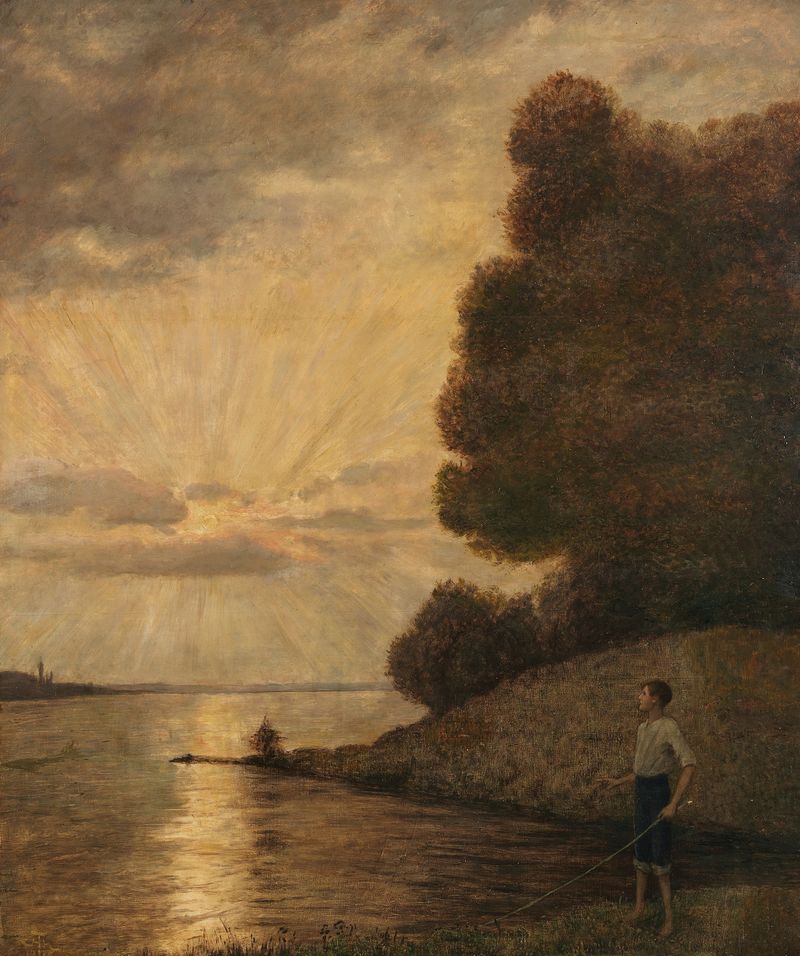
Sonnenuntergang am Oberrhein
Hans Thoma
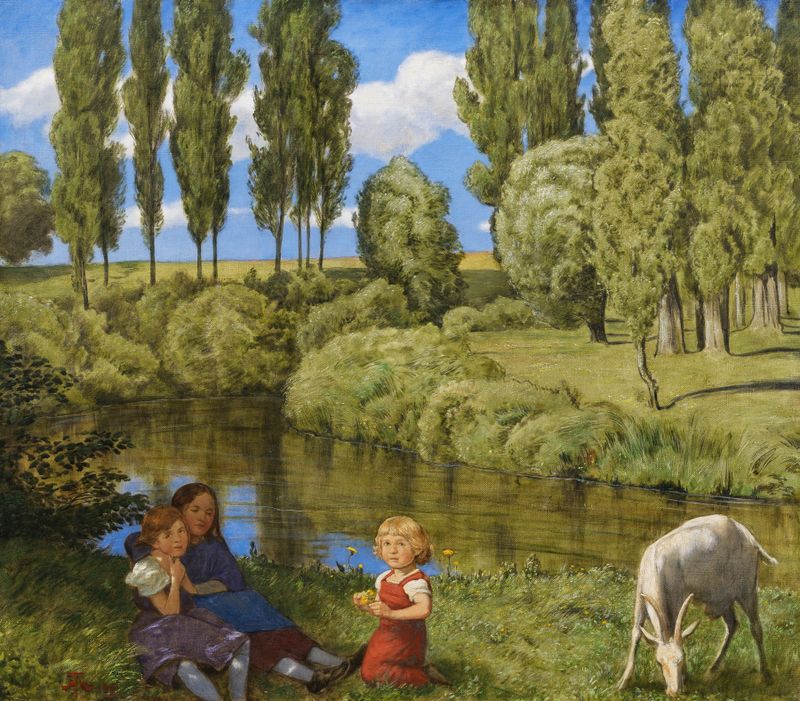
Am Stillen Bach
Hans Thoma
Der Abendstern
Hans Thoma
Das Rheintal bei Säckingen
Hans Thoma





