Landscape — History & Facts
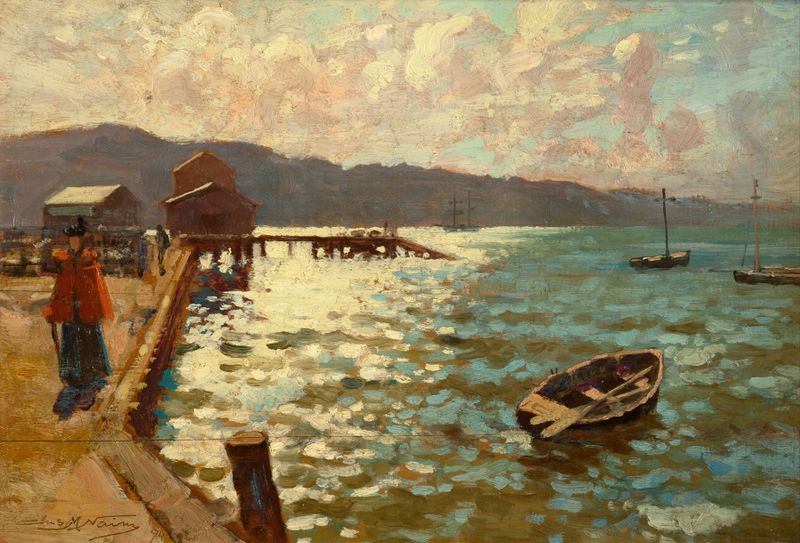
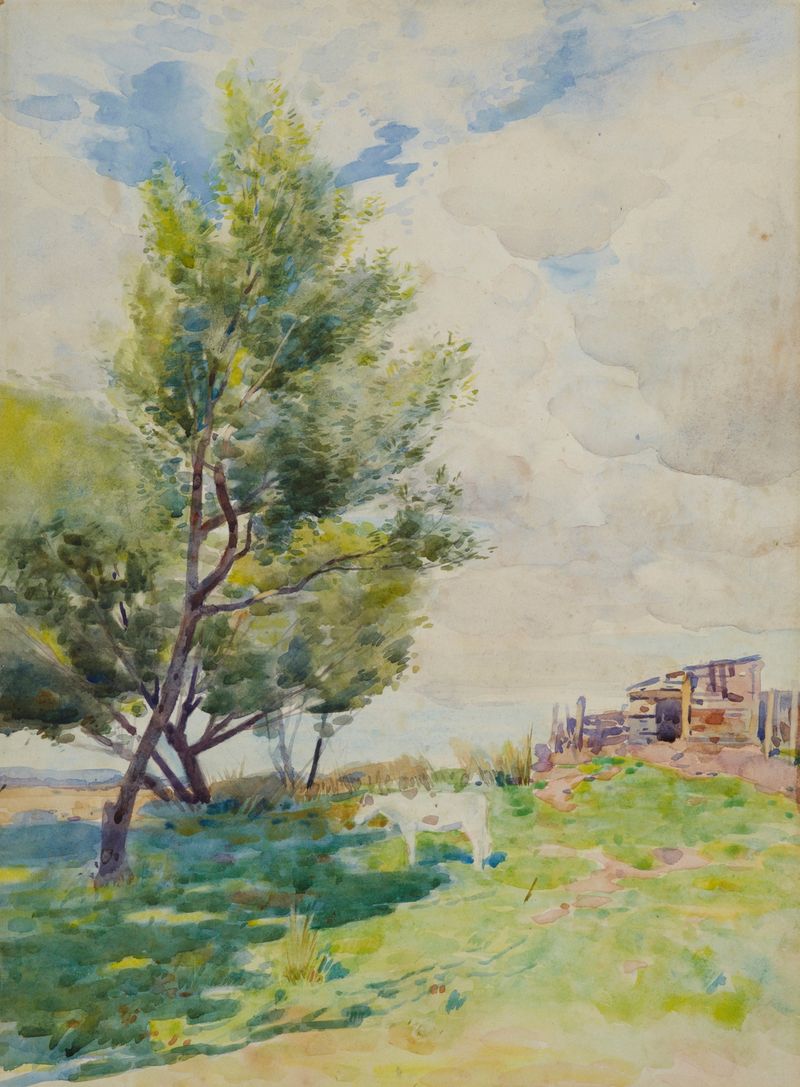
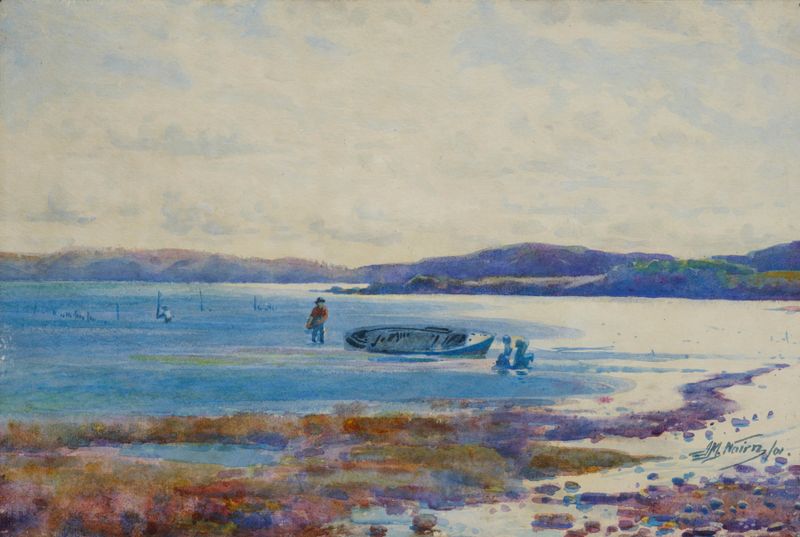
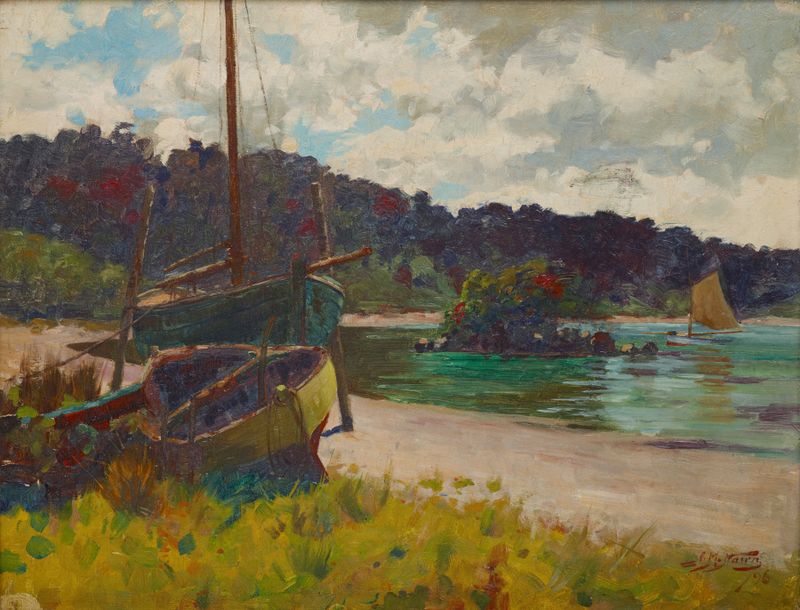
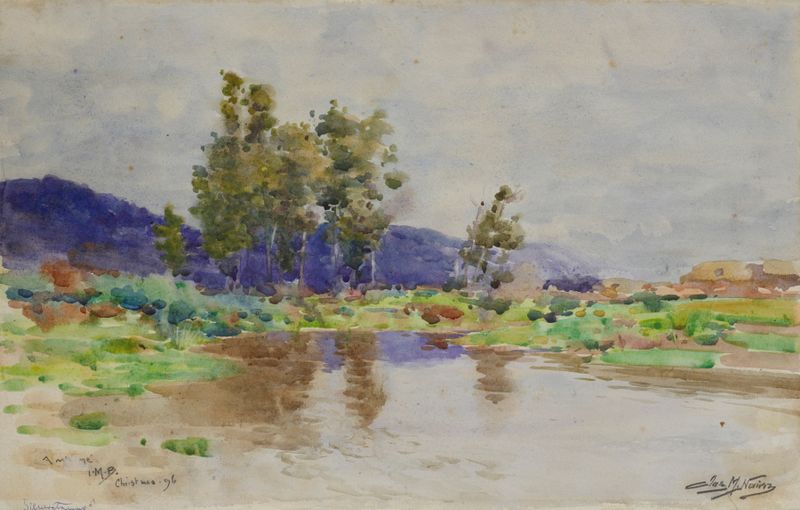
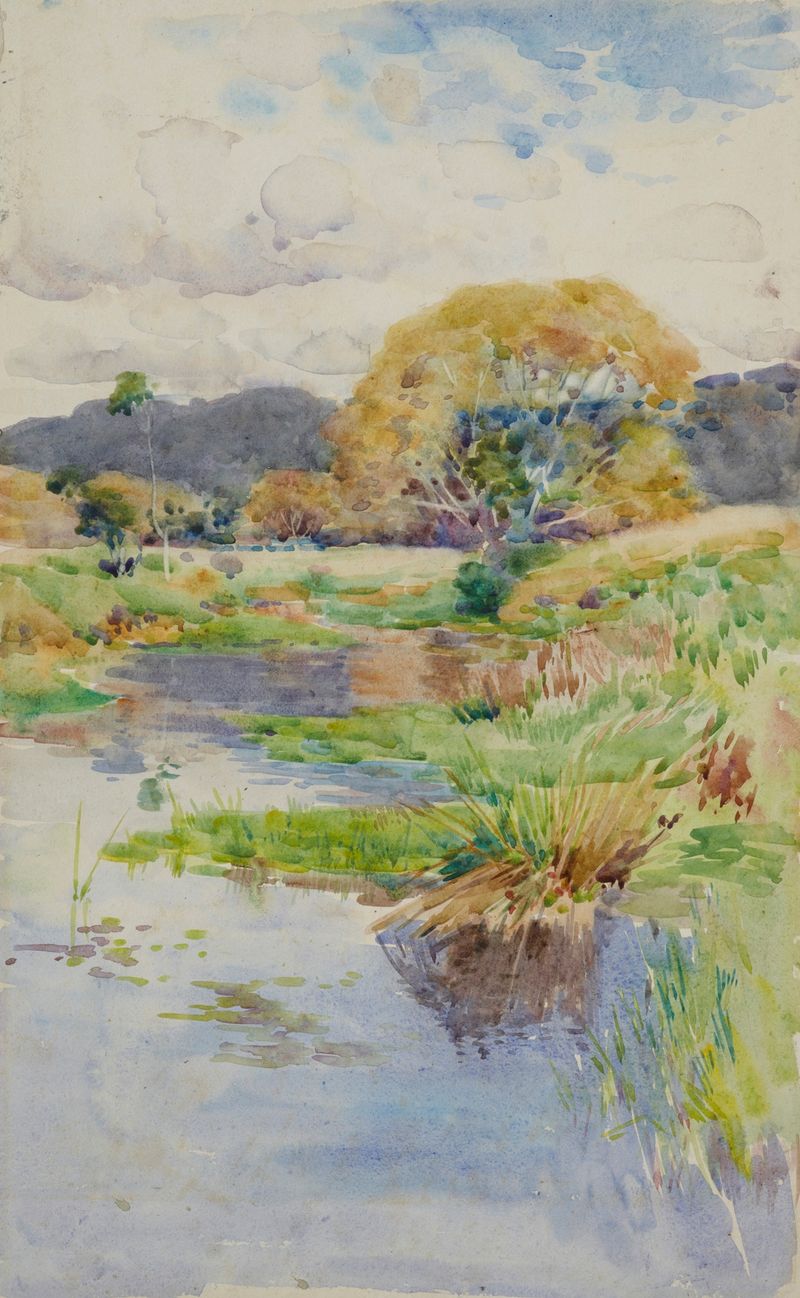
In every landscape, there lies a silent promise, an unspoken hope that stirs in the depths of our being. Look to the foreground, where vibrant greens weave together in intricate patterns, inviting your eyes to dance across the canvas. Notice how the brushstrokes swirl gracefully, creating a sense of movement in the foliage. The soft, warm light spills over the horizon, gently illuminating the distant hills and casting delicate shadows that hint at depth and serenity.
The atmosphere radiates a tranquil harmony, a masterful interplay of colors that breathes life into the natural world. Yet, beneath this picturesque serenity, deeper tensions subtly unfold. The bold swathes of color clash with the darker undertones, evoking the struggle between chaos and calm. The juxtaposition of vibrant life against the stark, looming shadows suggests an ongoing battle between hope and despair.
Each element in the painting resonates with the viewer, echoing the complexities of existence and the resilience found within nature itself. Around the turn of the 20th century, the artist found himself in a vibrant yet tumultuous art world. Creating Landscape in 1900, he was part of a movement that sought to capture the essence of modernity while remaining deeply connected to the natural environment. As societies shifted, Nairn’s work reflected a longing for tranquility and a renewed appreciation for the landscapes that nurture the human spirit.