
Landscape — History & Facts
Can paint confess what words never could? In Landscape, the brushstrokes whisper secrets of nature, evoking a transcendence that goes beyond mere representation. Look to the center of the canvas, where a gentle stream gleams under a soft, dappled light. The lush greens merge with earthy browns, creating a symphony of color that invites the eye to wander. Notice how the trees, both sturdy and wispy, frame the scene, their textures brought to life through deft strokes.
This balance of light and shadow creates a serene yet dynamic atmosphere, drawing you deeper into the artist's vision. Within this idyllic setting lies the tension between the tranquility of nature and the encroaching inevitability of change. The intertwining foliage hints at life's complexities, while the tranquil water reflects both the beauty and the transience of the moment. Each element serves as a reminder of the relentless passage of time, urging us to appreciate nature’s fleeting serenity.
In this way, the landscape becomes a portal to introspection. Théodore Rousseau painted Landscape around 1842 in the artistically vibrant context of Barbizon, France. During this period, he was immersed in the burgeoning Realist movement, seeking to break away from the constraints of academic tradition. His focus on plein air painting was influenced by the desire to capture the authentic essence of the natural world, making this work a significant marker in his evolution as an artist and a precursor to the Impressionist ideals that would follow.
More Artworks by Théodore Rousseau
Browse all →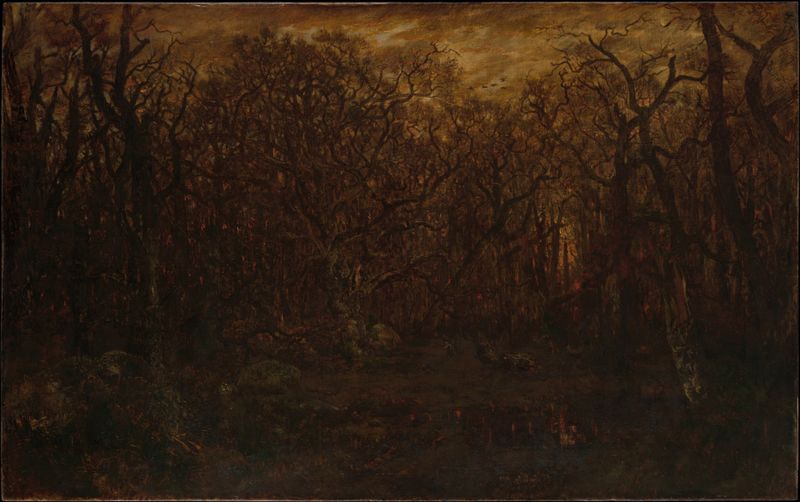
The Forest in Winter at Sunset
Théodore Rousseau
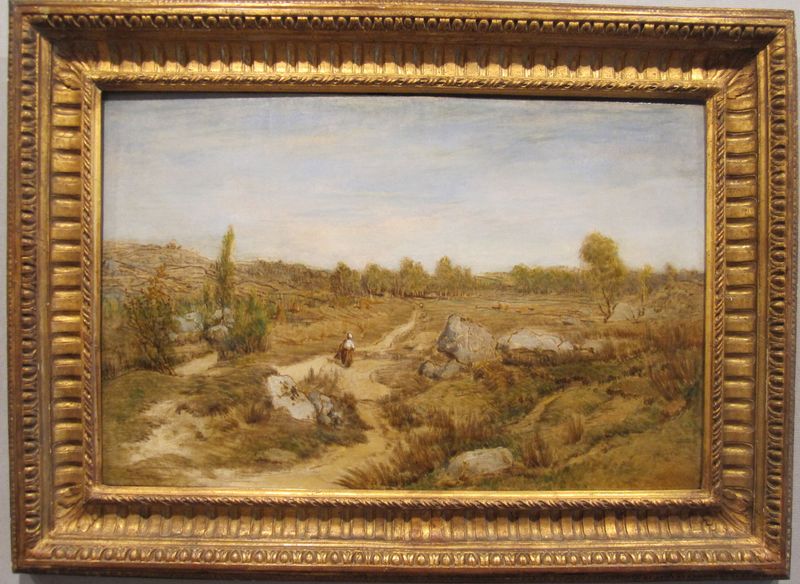
Valley of the Rouars in the Gorges d’Apremont
Théodore Rousseau
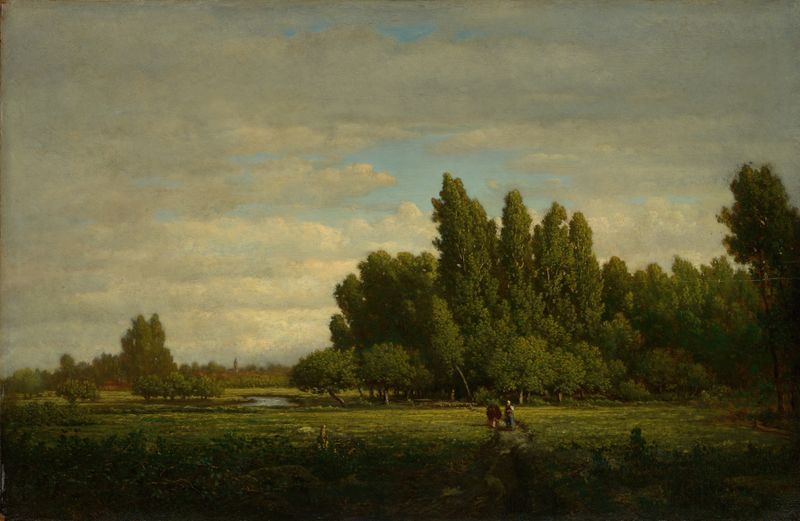
A Meadow Bordered by Trees
Théodore Rousseau
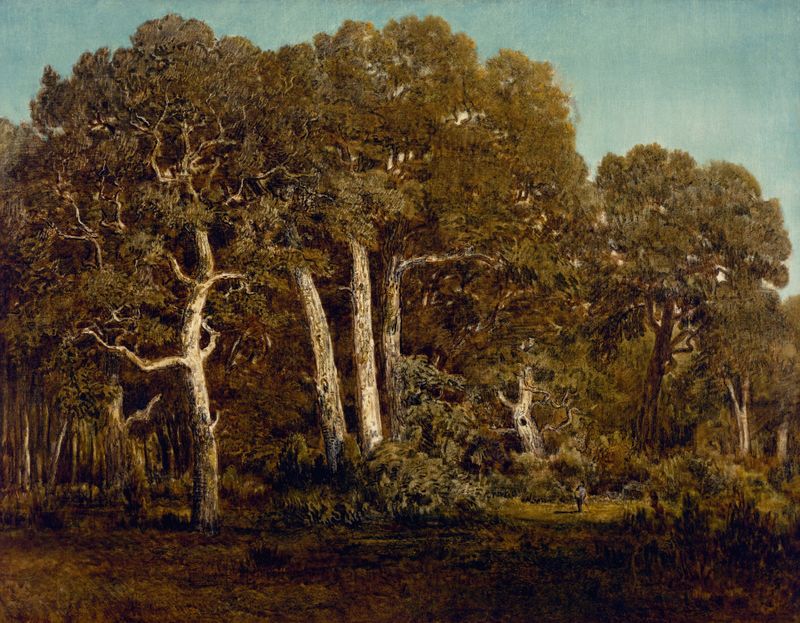
The Great Oaks of Old Bas-Bréau
Théodore Rousseau
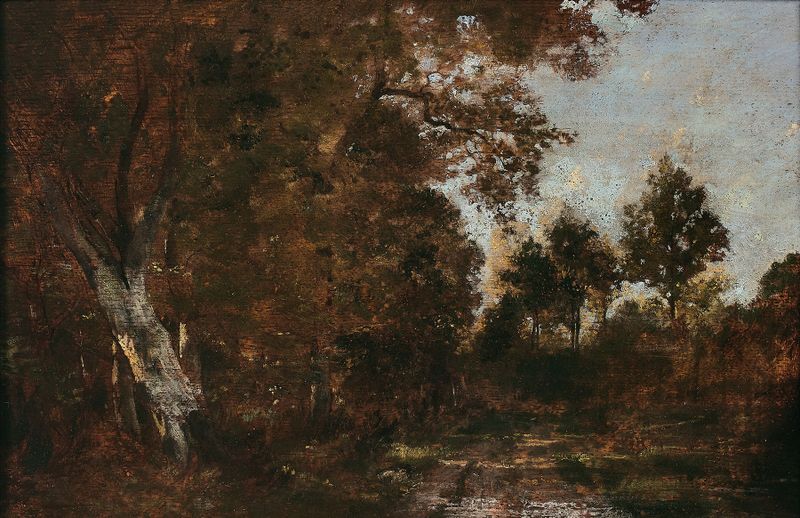
Paysage de sous-bois
Théodore Rousseau
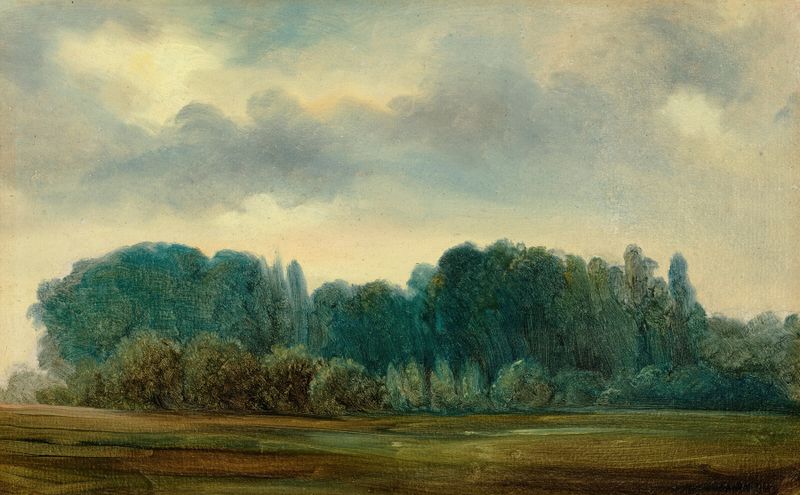
Paysage
Théodore Rousseau
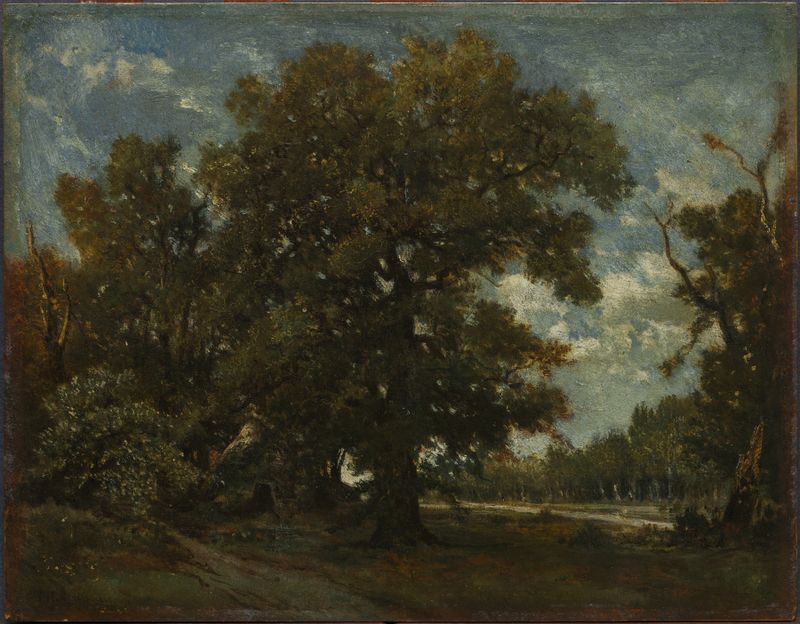
The Oak Tree
Théodore Rousseau
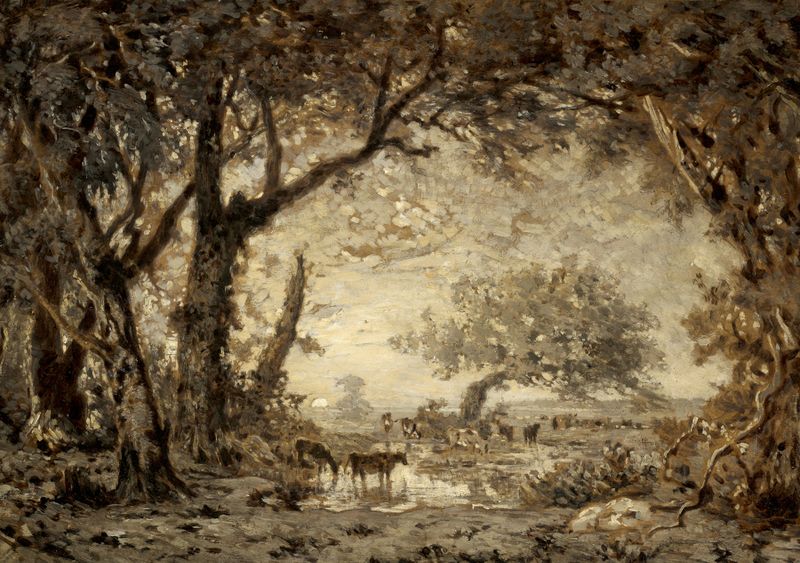
Sunset from the Forest of Fontainebleau
Théodore Rousseau
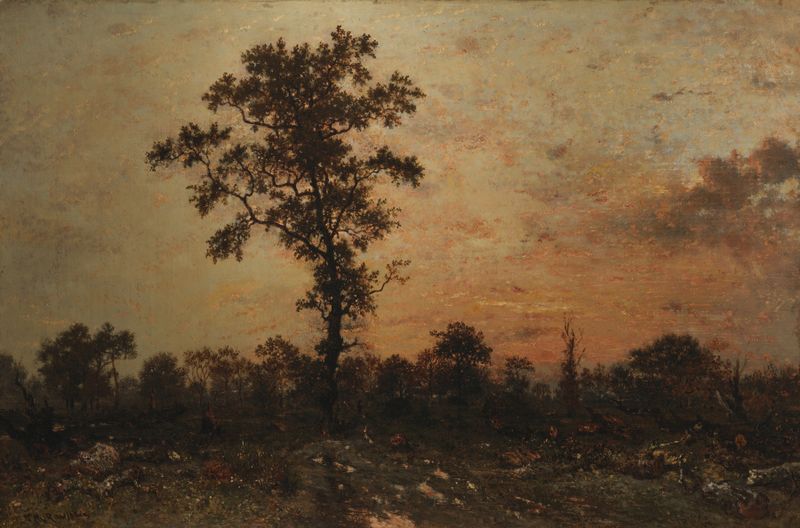
Edge of the Forest, Sun Setting
Théodore Rousseau
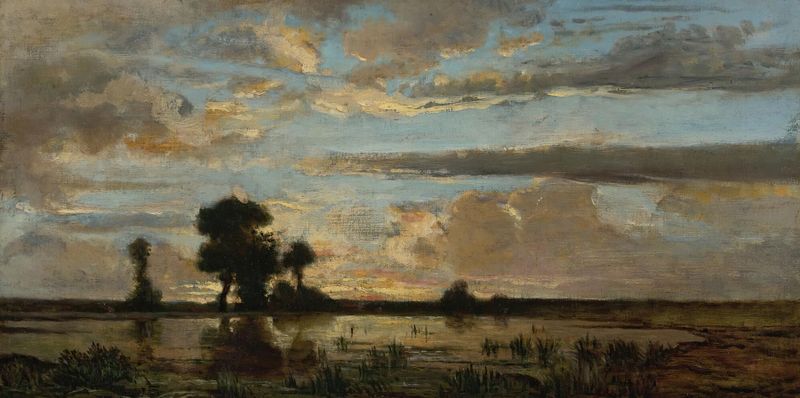
Soleil Couchant
Théodore Rousseau





