
Landscape — History & Facts
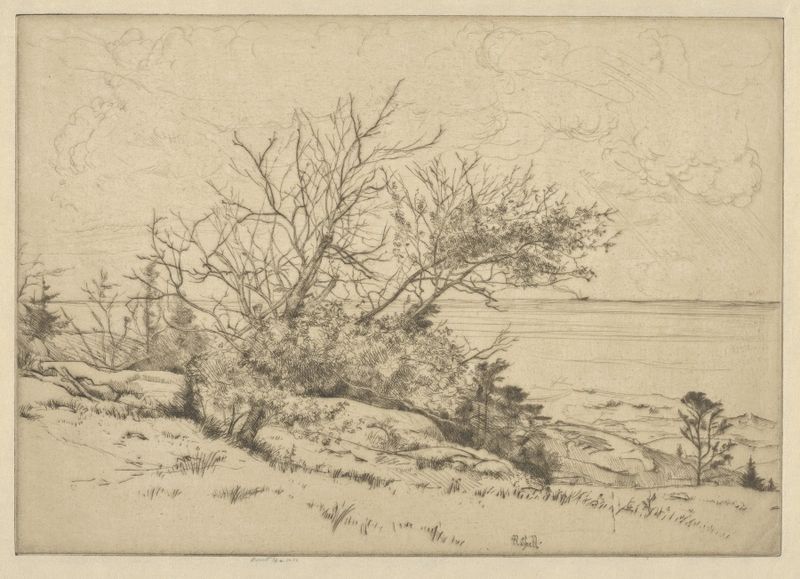
In a world brimming with noise and chaos, landscapes speak in soft whispers, revealing the quiet transformations of the soul. Look to the far horizon where gentle hills meet a muted sky, a soft gradient of blues and grays blending together. The foreground beckons with rich, textured brushstrokes that create a sense of depth and movement, drawing the viewer into a tranquil embrace. Notice how the artist employs a palette of earthy tones, warm ambers and cooler greens, to evoke an atmosphere of serene introspection amidst the undulating forms of nature. Yet, beneath this peaceful exterior lies an undercurrent of revolution.
The stark contrast between the calmness of the landscape and the starkness of the trees suggests a struggle, an unspoken tension between nature’s beauty and humanity’s encroachment. Each element, from the delicate foliage to the distant mountains, embodies the duality of life—where serenity can coexist with turmoil, inviting contemplation on the state of existence and the changes looming on the horizon. In 1909, during a time of profound shifts in the art world toward modernism, the artist found himself in the midst of an artistic awakening. Haskell was exploring the boundaries of impressionism, pushing against conventional themes while finding solace in the beauty of the natural world.
As society grappled with industrialization and its implications, Landscape captures not just a scene, but the essence of a transformative moment in both art and life.
More Artworks by Ernest Haskell
Browse all →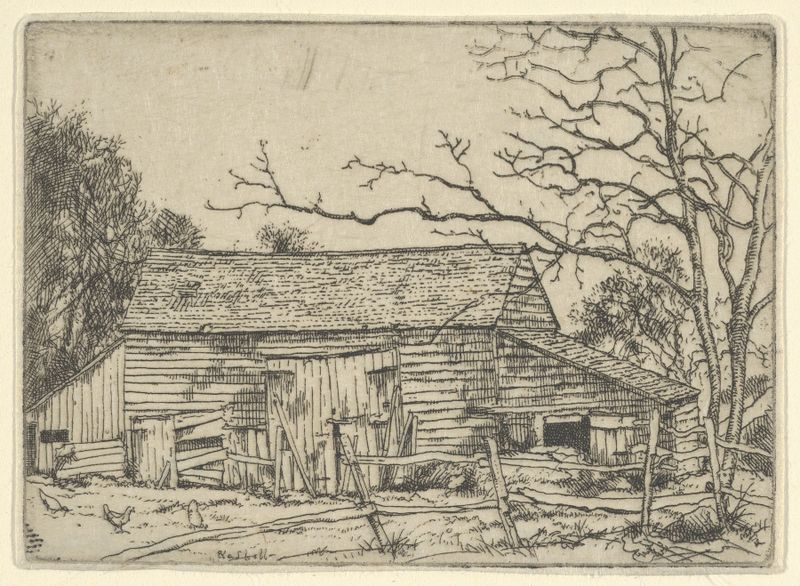
The Barn–Staten Island, N.Y.
Ernest Haskell

Four Live Oaks
Ernest Haskell
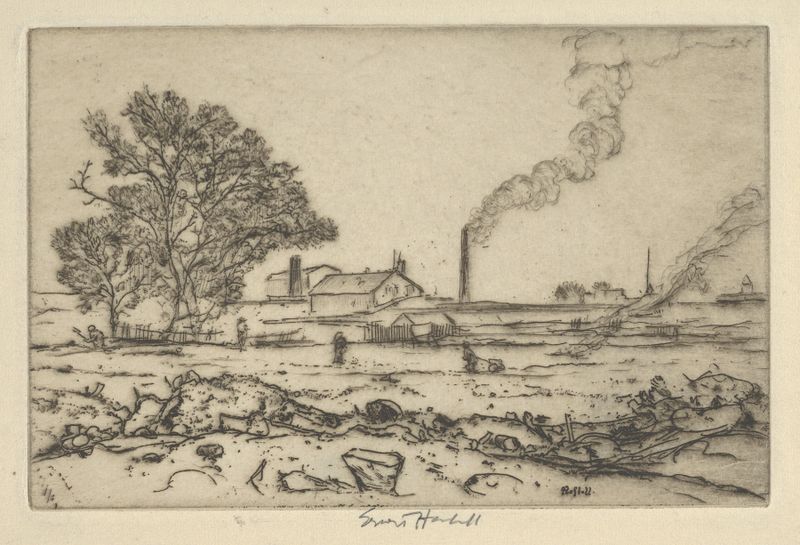
Outskirts of Boston
Ernest Haskell
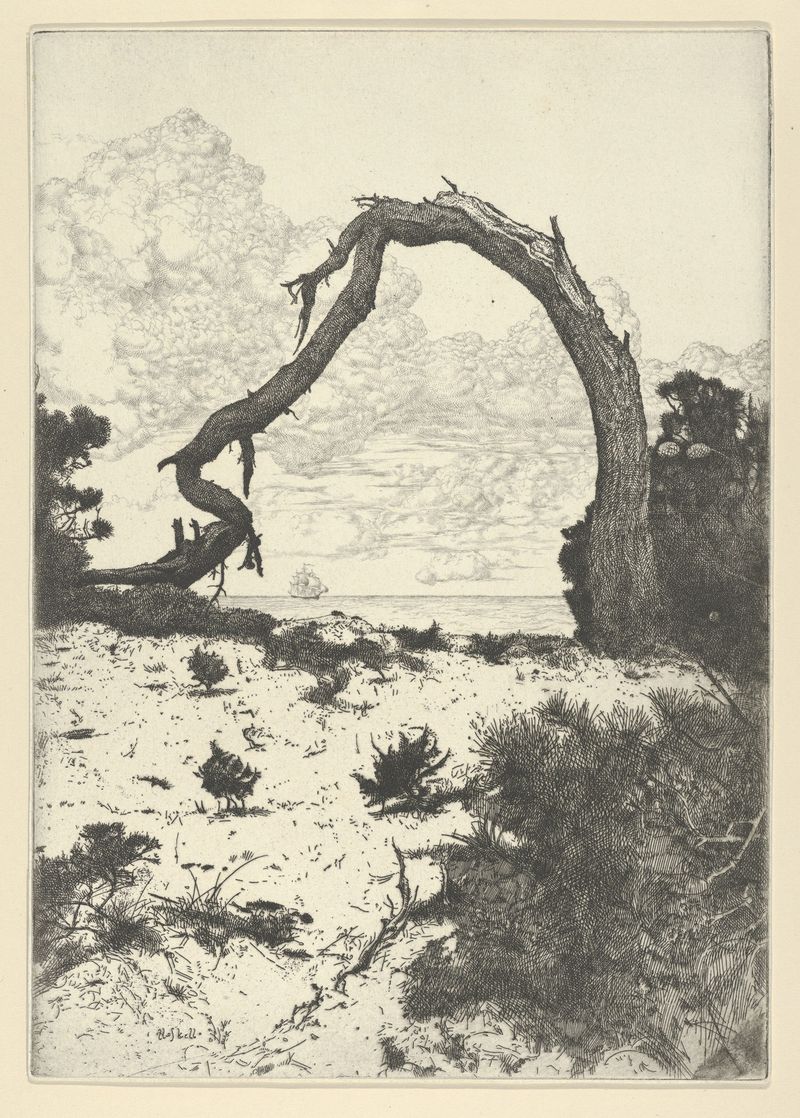
Pine Arch
Ernest Haskell

General Sherman
Ernest Haskell
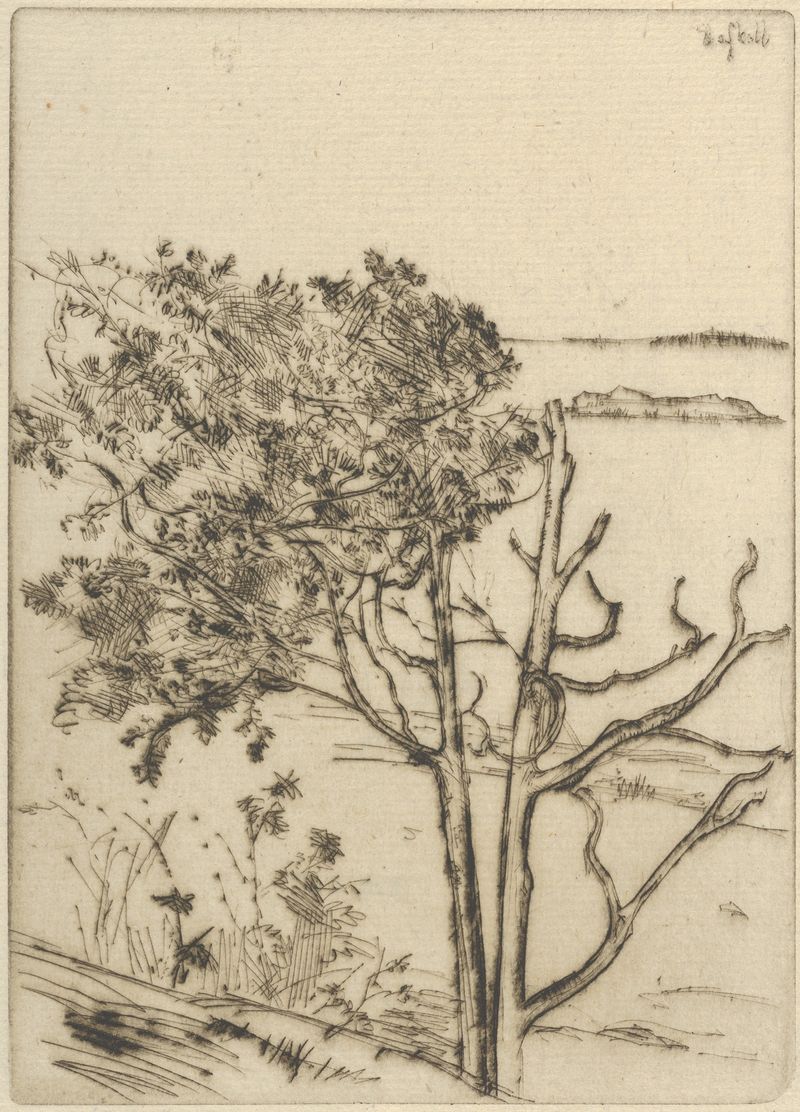
Ragged Tree – Maine
Ernest Haskell

Tide Mill
Ernest Haskell

Ship Building
Ernest Haskell
To the Southward – Ragged Island, Me.
Ernest Haskell
Long Island Marshes
Ernest Haskell





