
Landscape — History & Facts
In the quiet of a landscape, yearning lingers, echoing the tension between nature's wild spirit and the artist’s gentle hand. Look to the foreground first, where a delicate play of greens draws you into the verdant fields. The brush strokes are dynamic yet harmonious, as if each blade of grass sways in unison with the whispering wind. Notice how the sky, painted in a spectrum of blues, gradually softens into tender grays near the horizon, creating a dramatic backdrop that enhances the depth of the scene.
The interplay of light and shadow invites you to step closer, revealing the intricate details of trees and rolling hills that suggest movement and life. Delve deeper, and you’ll discover contrasting elements: the tranquil water reflecting the sky’s brooding colors, and the craggy, robust landscape that hints at the ruggedness beneath its beauty. Each element captures a sense of longing—perhaps for the simplicity of nature or the fleeting moments of peace amidst chaos. The artist’s meticulous attention to detail shapes a narrative that speaks of both the fragility and resilience found in the natural world. In the late 17th century, while residing in Haarlem, the artist created this piece during a period of prolific innovation in Dutch painting.
This was a time when landscapes blossomed as a genre, reflecting an increased fascination with the natural environment. Van Ruisdael's dedication to capturing the essence of nature not only showcases his technical skill but also resonates with the broader artistic movement that celebrated the beauty and complexity of the world.
More Artworks by Jacob van Ruisdael
Browse all →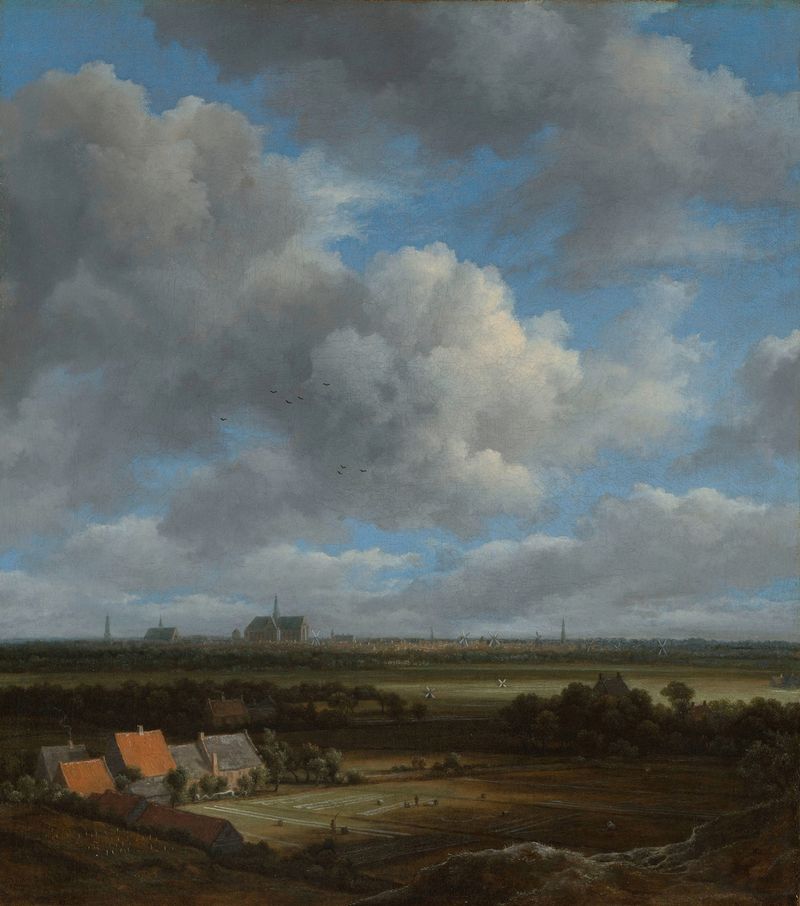
View of Haarlem from the Northwest, with the Bleaching Fields in the Foreground
Jacob van Ruisdael
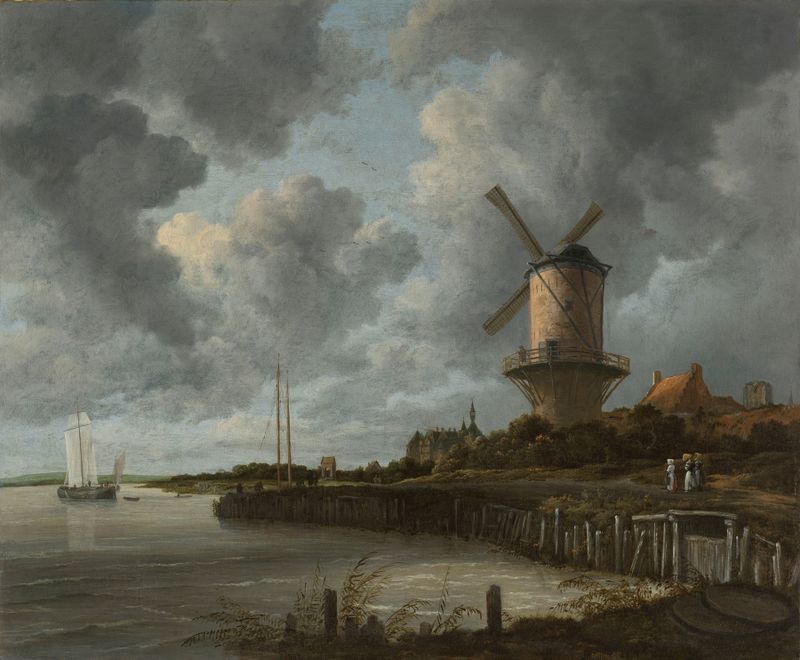
The Windmill at Wijk bij Duurstede
Jacob van Ruisdael
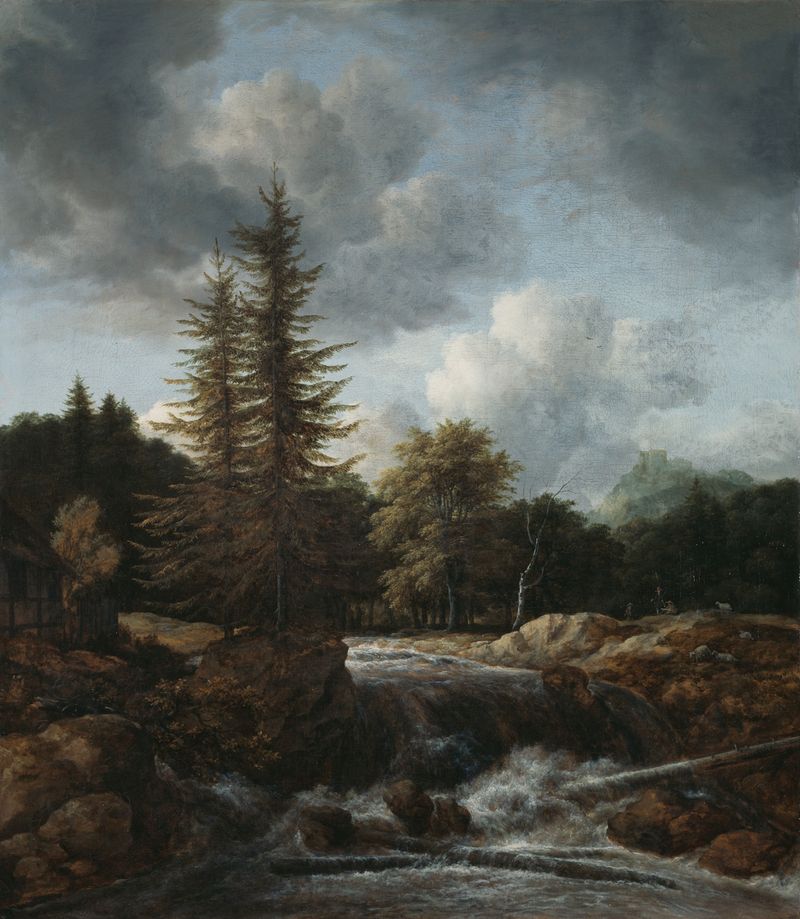
Landscape with Waterfall
Jacob van Ruisdael
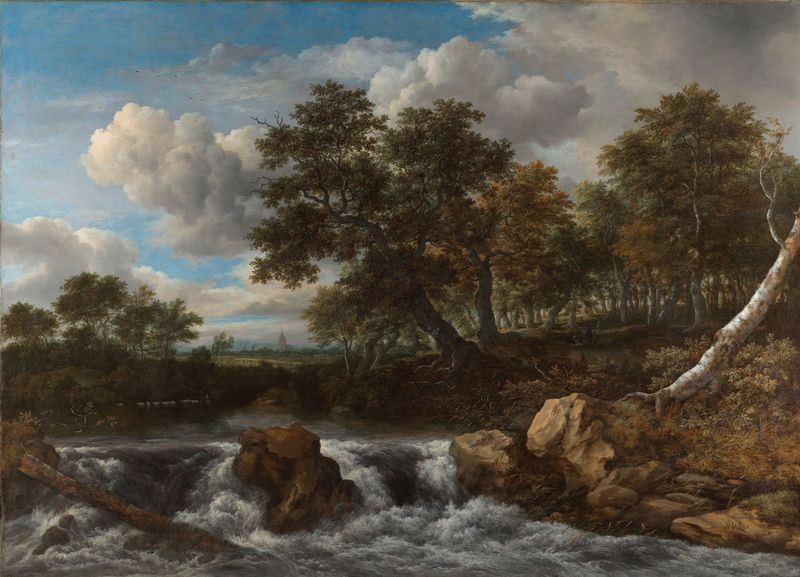
Landscape with Waterfall
Jacob van Ruisdael
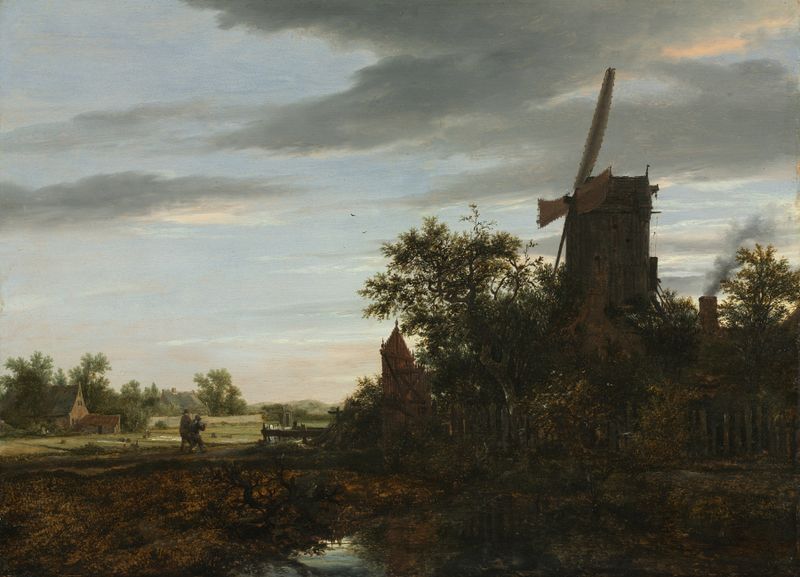
Landscape with a Windmill
Jacob van Ruisdael

Wooded hillside with a view of Bentheim Castle
Jacob van Ruisdael
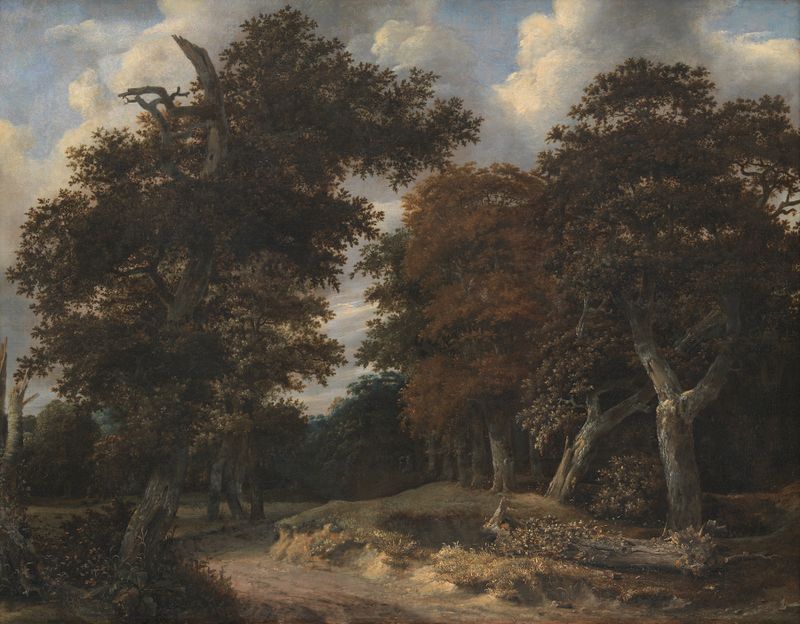
Road through an Oak Forest
Jacob van Ruisdael

Landscape with a Church
Jacob van Ruisdael

The Forest Stream
Jacob van Ruisdael

The Jewish Cemetery
Jacob van Ruisdael





