
Landscape — History & Facts
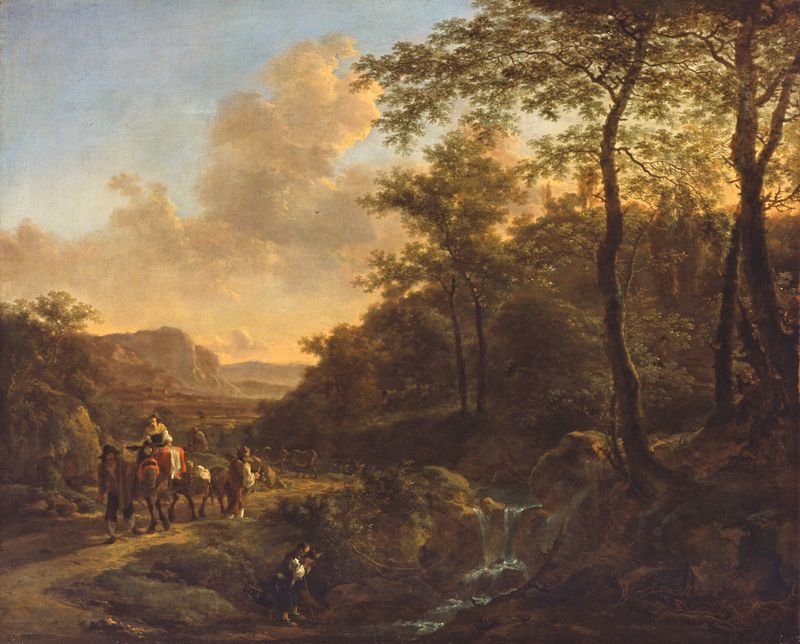
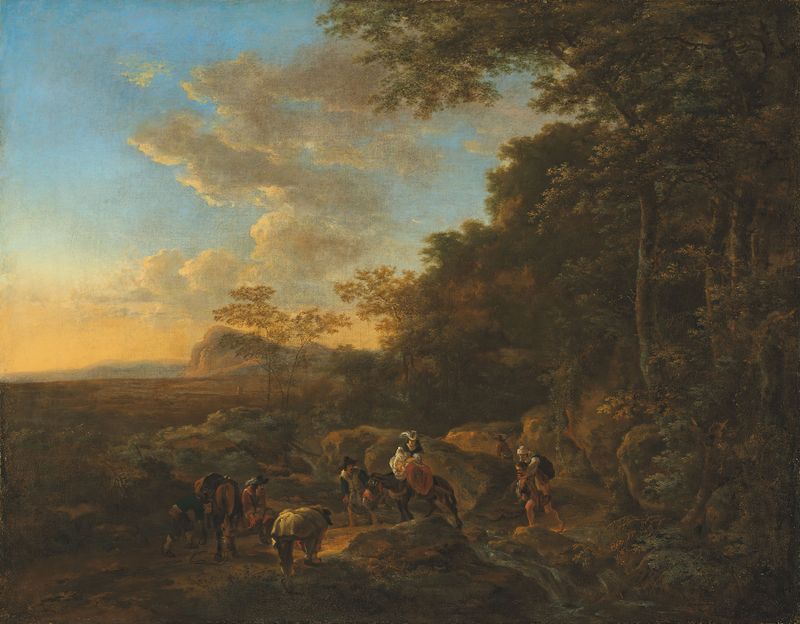
When did color learn to lie? In the world of Landscape, a captivating dialogue unfolds between nature and perception, inviting a moment of contemplation about the hues and shadows that shape our understanding of beauty. Look to the bottom left where rich, earthy tones collide with the vibrant greens of foliage. The delicate brushwork creates a textured interplay of light and dark, pulling your gaze into a tranquil glade that seems to breathe. Notice how the sunlight bathes the landscape, casting soft glimmers that evoke warmth, while deeper shadows loom just beyond, hinting at unseen depths.
Each stroke contributes to an atmosphere that oscillates between serenity and a whispered foreboding, urging you to stay a little longer. Delve deeper into the composition, and you’ll find a juxtaposition of tranquility and tumult. The lush vegetation brims with life, while the distant mountains suggest a rugged, untamed wilderness. This contrast mirrors the duality of human experience—a desire for peace entwined with the inevitability of nature's raw power.
The sky, painted in soft pastels, cradles the scene but also hints at an impending change, perhaps a storm brewing beyond the horizon, echoing the unpredictability of life itself. Created during the 17th century, this work reflects Jan Both's time in Italy, where he absorbed the influences of the Baroque style and strengthened his connection with nature. The period was marked by a growing fascination with landscapes that celebrated both beauty and complexity, alongside the burgeoning Dutch Golden Age of painting. Both's ability to harmonize light and shadow in Landscape not only showcases his technical prowess but also positions him within a larger conversation regarding art’s representation of the natural world.
More Artworks by Jan Both
Browse all →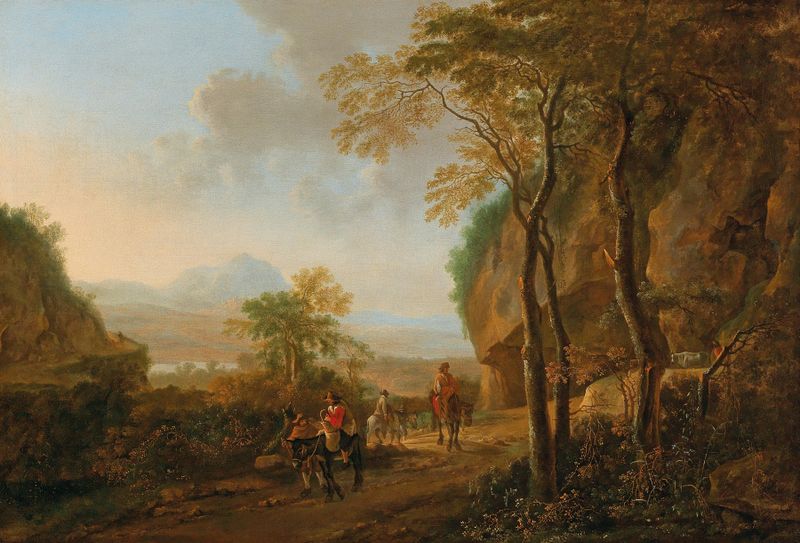
An Italianate landscape with travellers
Jan Both
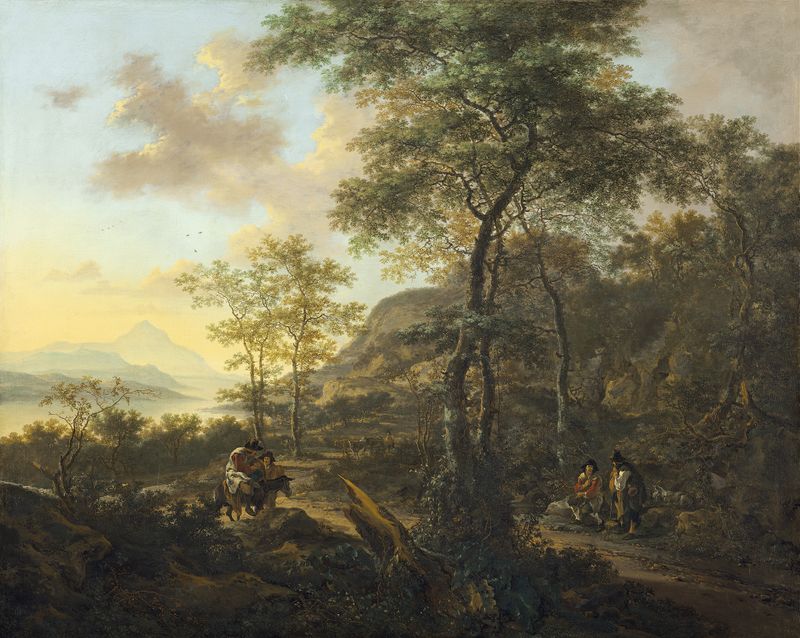
An Italianate Evening Landscape
Jan Both
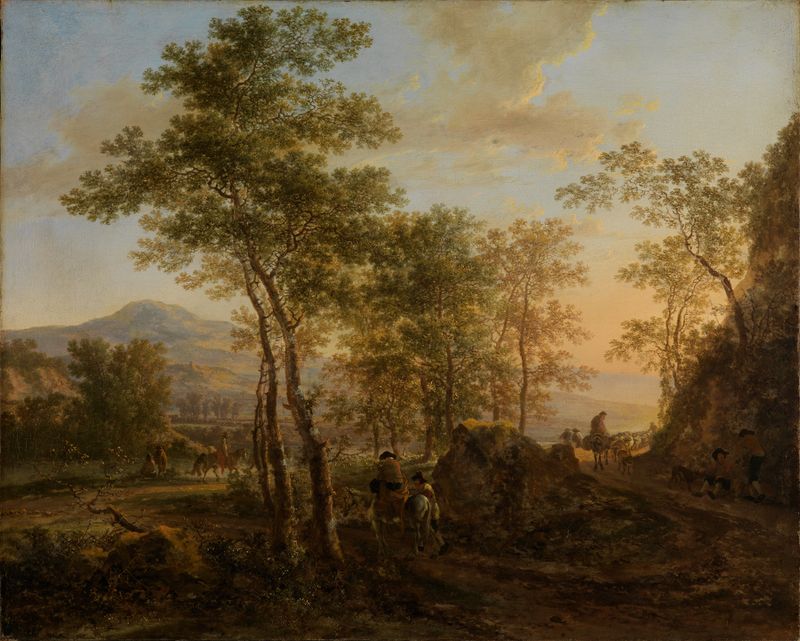
Italienische Landschaft am Abend
Jan Both
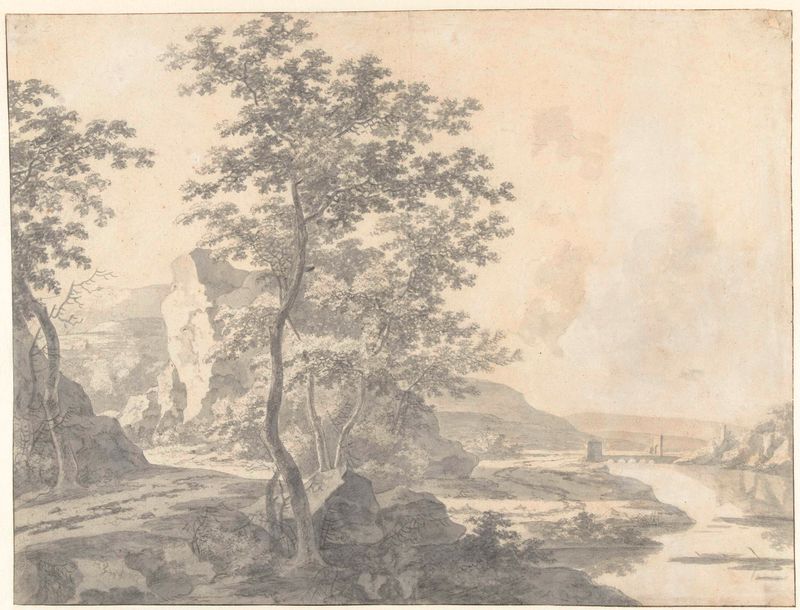
Italiaans landschap
Jan Both
Scene of the Roman Campagna
Jan Both
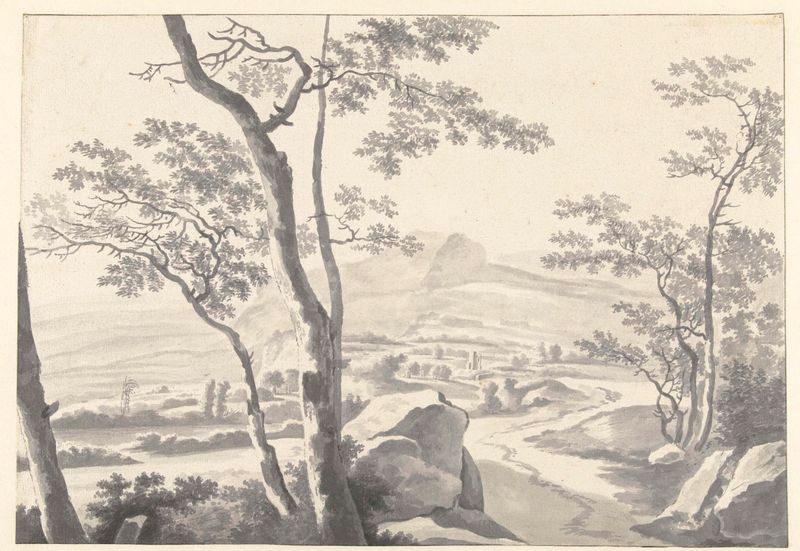
Landschap
Jan Both
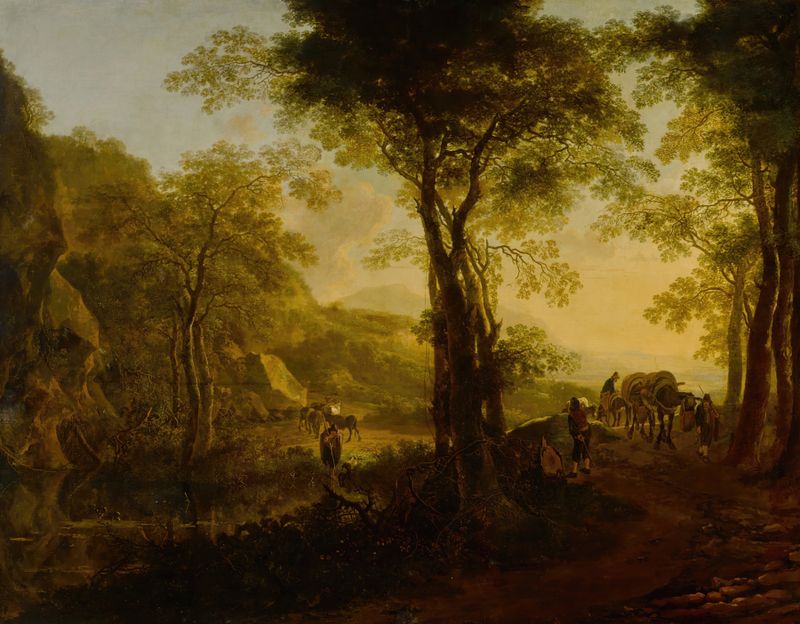
Italianate landscape at sunset, with travelers on a country road
Jan Both
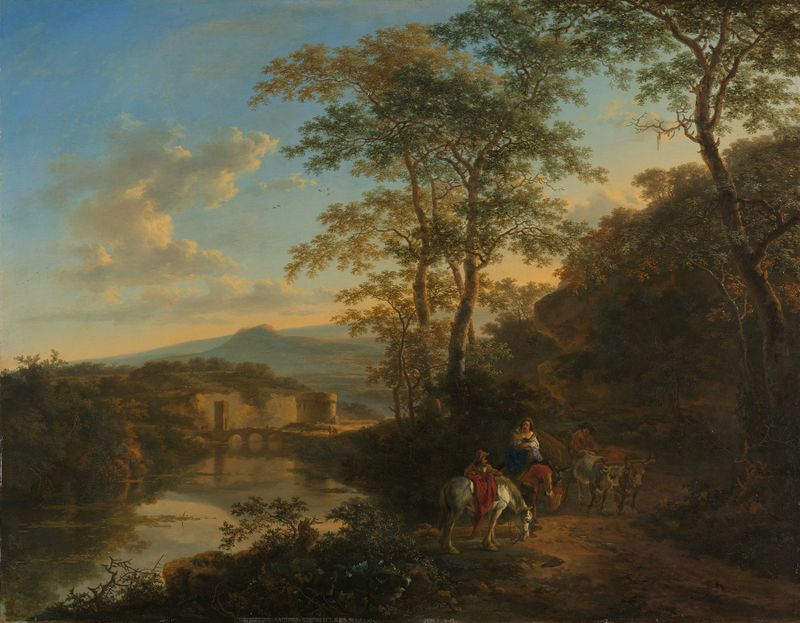
Italian Landscape with the Ponte Lucano over the Aniene River
Jan Both
A wooded landscape with travellers crossing a ford
Jan Both

Italian Landscape
Jan Both





