Landscape — History & Facts
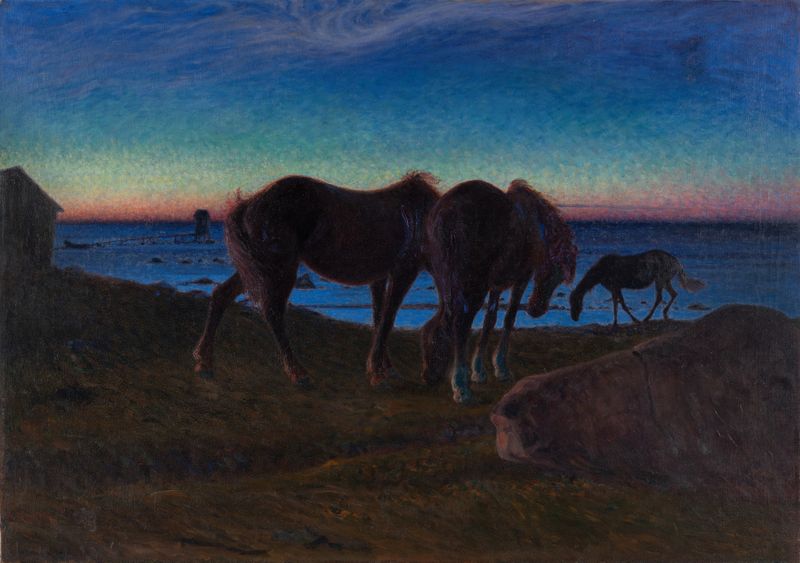
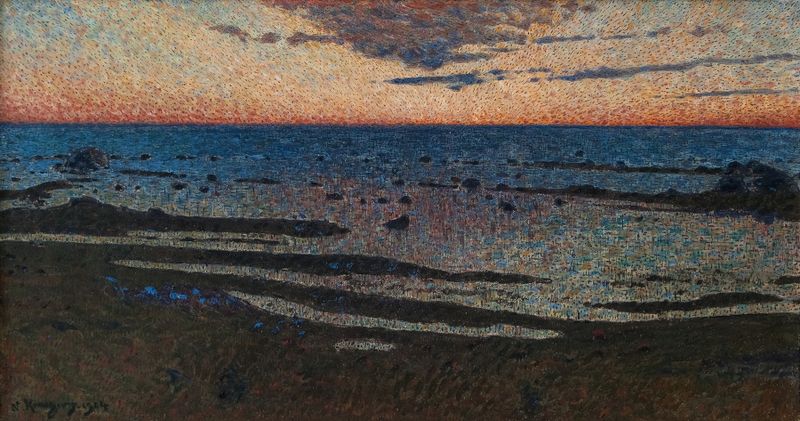
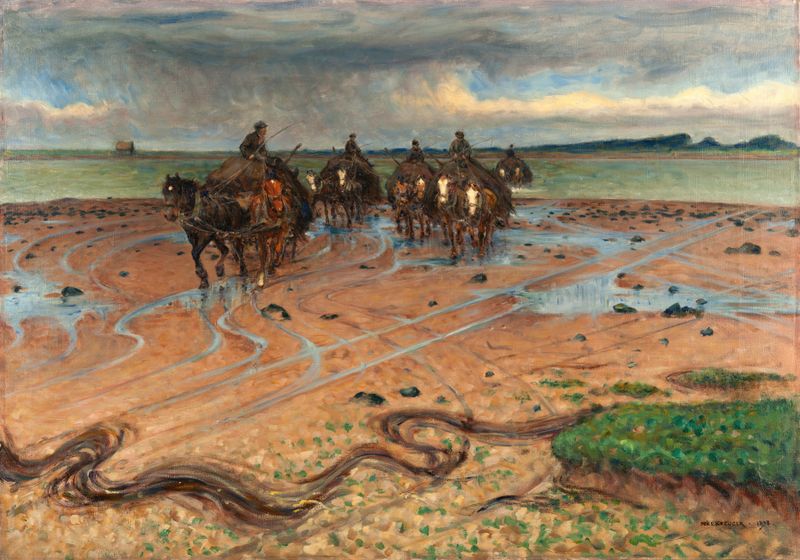
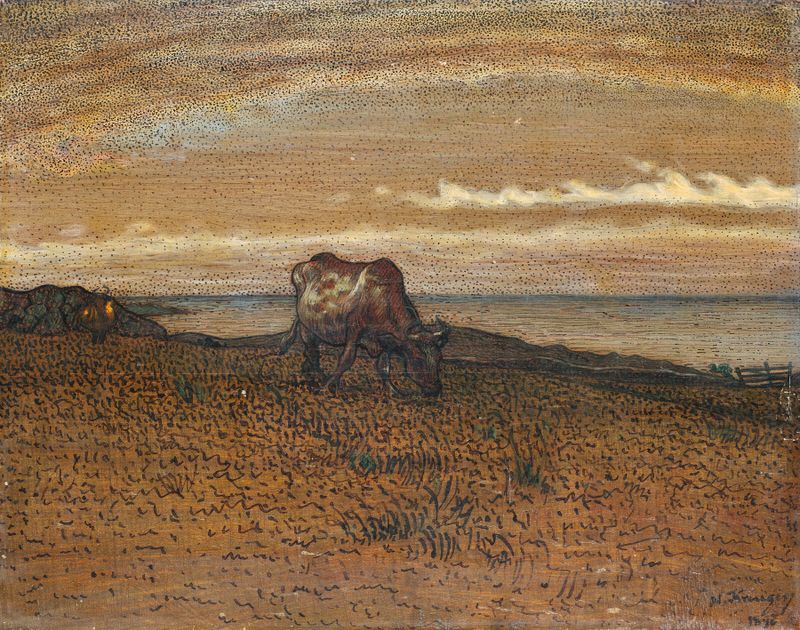
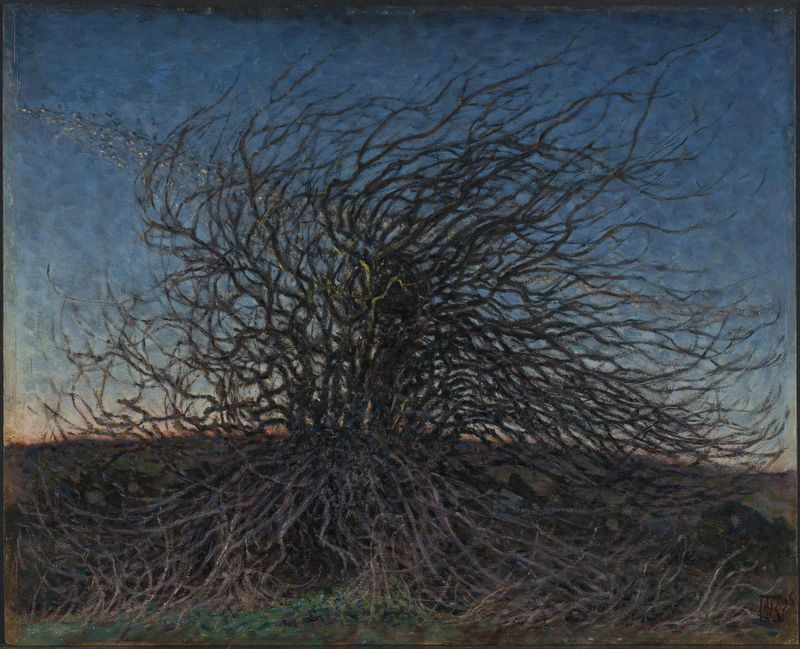
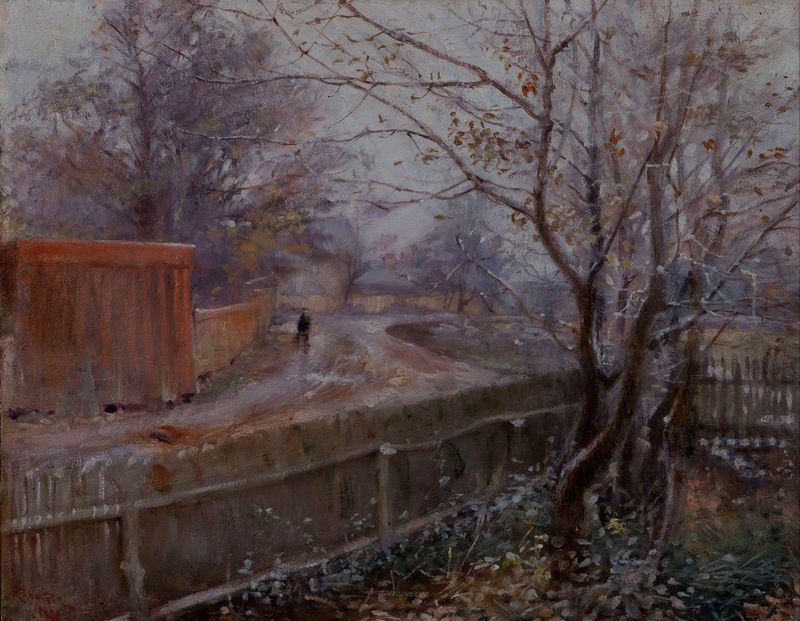
What if beauty was never meant to be finished? In the embrace of nature, one can find an ecstasy that transcends the limitations of mere representation. Look to the center where the undulating hills rise gently against a sky awash with pastel hues. Notice how the light dances upon the surface of the calm water, creating a shimmering pathway that invites the viewer to explore the depths of the image. The soft brushstrokes convey both movement and tranquility, blending greens, blues, and warm earth tones that evoke a sense of harmony and serenity. Delve into the delicate contrasts between shadow and light; the darkened trees stand resolute on the horizon, while the luminous sky hints at a fleeting moment of dawn or dusk.
This interplay suggests a duality of emotions—the solitude found in nature juxtaposed with the fleeting joy of existence. Each stroke reveals a hidden world of thoughts and dreams, capturing not just a landscape, but also the essence of longing, inviting one to ponder the elusive nature of beauty. In 1898, Nils Kreuger painted this work during a time of artistic exploration in Sweden, influenced by the naturalism movement as well as the burgeoning interest in plein air painting. It was a period when artists sought to capture the ephemeral qualities of light and atmosphere in their works.
Kreuger's focus on the emotional resonance of the landscape reflects his desire to connect with the viewer on a deeper level, merging personal experience with the universal beauty of the world surrounding him.